
Please note: a valid prescription is required for all prescription medication.
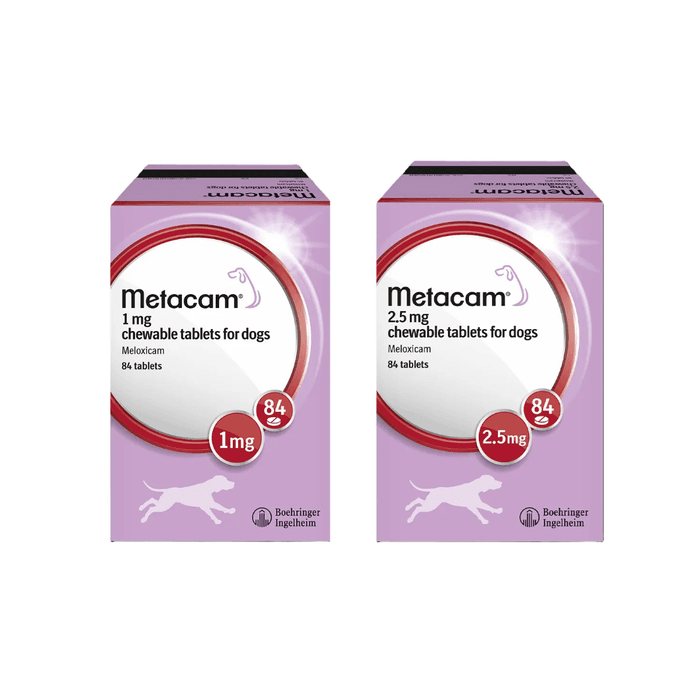
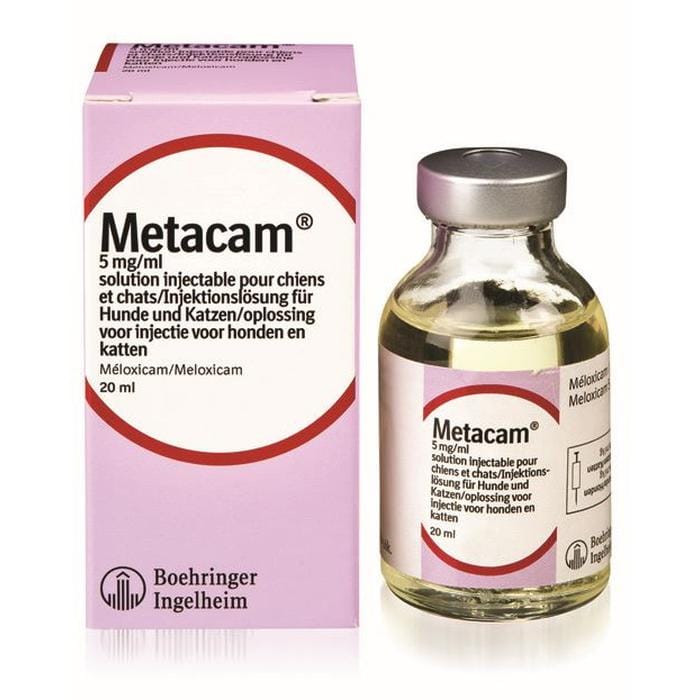
Metacam
Buy Metacam Online


Metacam is a veterinary meloxicam medicine used by veterinarians when an NSAID is appropriate for pain and inflammation in animals. It can be ordered online, with current pricing shown during checkout and dose or strength choices matched to the animal’s clinic directions. Choose the form, concentration, quantity, and species label carefully so the medicine received aligns with the intended pet.
Metacam oral suspension is one of the best-known forms, but meloxicam products may differ by animal species, route, concentration, measuring device, and warning language. A dog-labeled oral suspension and a cat-labeled product should not be treated as interchangeable. If US delivery from Canada is part of your ordering plan, match the medicine name, strength, and quantity before completing payment.
Metacam Price, Cost, and Strength Selection
The Metacam price depends on the form, concentration, bottle contents, and quantity chosen. A lower displayed cost is not always the better match if the strength or species label differs from the clinic directions. Compare the total millilitres supplied, the number of bottles, and whether the medicine is labeled for dogs, cats, injection, or another veterinary presentation.
Metacam is the brand name for meloxicam, a veterinary nonsteroidal anti-inflammatory drug, often shortened to NSAID. For ordering, the central question is whether the medicine matches the intended route and species, not only whether the Metacam cost looks lower. Metacam 1.5 mg/ml oral suspension and Metacam 0.5 mg/ml oral suspension are different concentration choices and should not be substituted without veterinary direction.
| Ordering detail | What to verify |
|---|---|
| Form | Oral suspension, injectable solution, and other presentations may be separated. |
| Concentration | Match the mg/ml strength exactly, including decimal points. |
| Species label | Dog and cat products may carry different instructions and warnings. |
| Total contents | Compare total mL supplied, not only the bottle image or name. |
| Quantity | Make sure the number of bottles reflects the intended supply. |
Some owners look at a Metacam cash pay price or a Metacam without insurance route when pet coverage is not involved. In that case, read the amount alongside the exact concentration and quantity. Taxes, shipping choices, and payment fields can affect the final total.
Quick tip: Match the concentration first, then compare total mL and quantity.
How to Order Metacam Online
Start with the product name and species label, then choose the form and concentration that match the directions from the veterinary clinic. Do not rely on package colour, bottle shape, or a product image alone. Strength selectors, quantity fields, and the medicine name are more reliable for choosing the correct item.
During ordering, enter the pet and clinic details accurately if the checkout asks for them. We may help confirm medicine details when the order requires additional clarification. This step is especially important when the animal species, dose form, or bottle strength could be confused with another meloxicam product.
- Choose the exact form written for the animal.
- Match the species label before looking at the total cost.
- Confirm the concentration in mg/ml and the total bottle contents.
- Enter pet and clinic information consistently during checkout.
- Read the safety section before the medicine is used.
Do not use human meloxicam tablets for a dog or cat unless the veterinarian gives specific instructions for that exact medicine. Human tablets and veterinary oral suspensions are not equivalent choices. Even when the active ingredient is meloxicam, the concentration, measuring method, flavouring, and species-specific warnings can differ.
Oral Suspension Forms and Species Labels
Metacam oral suspension is a liquid medicine measured by volume. The concentration describes how much meloxicam is contained in each mL, while the bottle size describes how much liquid is supplied. Those two details affect the amount delivered with each measurement, so they must be interpreted with the clinic’s instructions.
Metacam for dogs is commonly associated with canine pain and inflammation treatment when a veterinarian decides an NSAID is suitable. Dog-labeled products may come with measuring equipment designed for that bottle and concentration. Do not transfer measurements from one bottle, animal, or strength to another.
Metacam for cats needs added caution because cat NSAID safety limits can be narrower than in dogs. Some cat products are labeled differently from dog products, and repeated or inappropriate exposure can be dangerous. If the medicine is intended for a cat, verify whether the chosen item is a cat-labeled oral product, an injectable form, or another clinic-directed presentation.
- Concentration: Read mg/ml carefully, including decimals.
- Species: Dog and cat labeling may differ.
- Measuring tool: Use the supplied or clinic-approved device.
- Label instructions: Follow shaking, storage, and use directions.
Metacam syringe markings, bottle concentration, and species label all matter. A dose chart found online can be unsafe if it was written for a different bottle strength or animal species. When the label and clinic directions appear to conflict, contact the veterinary clinic before giving the medicine.
What Metacam Treats in Dogs and Cats
Metacam dog medicine is used by veterinarians as an anti-inflammatory and pain-control option when meloxicam is appropriate for the animal’s condition. It may be used for pain and inflammation related to osteoarthritis or other musculoskeletal problems, depending on the animal and the clinic’s treatment plan. It is not a cure for arthritis, and follow-up is important when long-term mobility problems are present.
For pet owners researching Metacam pain relief for dogs or Metacam anti-inflammatory for dogs, the practical decision should remain tied to the exact medicine and veterinary instructions. Metacam is not the same as paracetamol or acetaminophen. These medicines work differently, and acetaminophen can be highly dangerous for cats and unsafe for some dogs unless a veterinarian specifically directs its use.
Metacam cat medicine should be handled with extra care. Cats process many medicines differently from dogs, and NSAID safety margins can be narrow. A medicine labeled for one species should not be shared with another animal, even if both pets have stiffness, limping, or joint discomfort.
Owners managing arthritis-related care can browse Pet Medications for animal health products. For condition-focused browsing, the Canine Osteoarthritis and Feline Osteoarthritis collections group products and information connected with joint care.
Side Effects, Warnings, and Monitoring
NSAIDs can help some animals, but they can also cause serious adverse effects. Before use, the veterinary clinic should know about the pet’s kidney or liver history, stomach problems, dehydration risk, age, and current medicines. Safety concerns are especially important for very young, older, pregnant, breeding, nursing, dehydrated, or medically fragile animals.
Possible warning signs include vomiting, diarrhea, appetite loss, tiredness, dark or bloody stools, increased thirst, changes in urination, yellowing of the gums or eyes, or unusual behaviour. Stop and seek veterinary help promptly if serious symptoms appear after an NSAID is given. Do not restart meloxicam unless the veterinarian instructs you to do so.
Metacam dosage for dogs and Metacam dosage for cats should come from the veterinary clinic and the medicine label, not from online charts alone. Weight-based dosing can be misread when the concentration, syringe markings, or species differs. A chart written for one bottle strength may be unsafe when applied to another meloxicam oral suspension.
Cat safety deserves a separate check. Repeated meloxicam exposure in cats has been associated with serious kidney harm and death in some labeling contexts. That is why cat use should match the exact product, route, amount, and duration chosen by the veterinarian.
Why it matters: The same active ingredient can carry different risks by species.
Interactions and Medicines to Discuss
Tell the veterinary clinic if the pet already takes another NSAID, a corticosteroid such as prednisone, an anticoagulant, a diuretic, an ACE inhibitor, or any medicine that can affect the kidneys, liver, or stomach lining. Combining anti-inflammatory medicines can raise the risk of ulcers, bleeding, kidney injury, and other serious problems.
Over-the-counter products and supplements also matter. Aspirin, human pain relievers, herbal products, and joint supplements should be listed, even if they seem unrelated to pain control. The veterinary team can decide whether a washout period, lab work, stomach protection, or a different treatment plan is needed.
Monitoring often includes appetite, stool quality, drinking and urination patterns, mobility, comfort level, and follow-up bloodwork when recommended. These checks help balance pain relief with kidney, liver, and gastrointestinal safety. Do not change the amount, frequency, or duration because the pet seems better without veterinary direction.
Storage, Handling, and Travel
Check the bottle and package insert for storage instructions before using Metacam. Many oral suspensions need to be kept tightly closed, protected from unsuitable temperatures, and stored away from children and other animals. Do not assume a liquid pet medicine needs refrigeration unless the label says so.
Shake the oral suspension if the bottle directs it, and measure only with the supplied or veterinarian-approved device. Kitchen spoons are not accurate enough for veterinary medicines. After measuring, keep the cap secure and clean the syringe as instructed so the markings remain readable.
If the medicine travels with the pet, keep it in the original labeled container. Pack the measuring device with the bottle, avoid leaving it in a hot car, and keep clinic directions available. If a bottle leaks, freezes, overheats, or looks different than expected, ask the veterinary clinic or pharmacy support before use.
Orders may include prompt, express, cold-chain shipping when appropriate for handling requirements. Shipping choices do not replace label storage instructions after the medicine arrives. Inspect the package and bottle before giving the first measured amount.
Related Pet Medication Decisions
Metacam is one possible meloxicam or veterinary NSAID choice, not the right medicine for every animal. The most important comparison is not brand familiarity. It is whether the pet’s species, diagnosis, medical history, current medicines, and monitoring plan make meloxicam appropriate.
Other anti-inflammatory medicines may have different dosing schedules, contraindications, and species restrictions. Do not swap from Metacam to another NSAID, or from another NSAID to Metacam, without veterinary direction. Using two NSAIDs close together can increase the risk of stomach bleeding, kidney injury, and other serious adverse effects.
For dogs and cats with arthritis signs, product choice is only one part of care. Weight management, activity modification, joint support, home comfort, and regular veterinary assessment can all affect mobility. Condition categories such as canine and feline osteoarthritis can help organize related browsing, but individualized treatment decisions should stay with the veterinary clinic.
Authoritative Safety Sources
Metacam ordering and use decisions should align with official product labeling and veterinary instructions. The most useful references are the label for the exact medicine, regulator-reviewed veterinary NSAID safety information, and manufacturer materials supplied with the bottle. Keep the bottle, measuring device, and clinic directions together after the order arrives.
- Official product labeling: Confirms species, route, concentration, measuring device, and warnings for the exact medicine.
- Veterinary NSAID safety guidance: Helps identify serious stomach, kidney, liver, and bleeding concerns.
- Clinic instructions: Explain how the amount, duration, and follow-up plan apply to the individual animal.
If anything on the bottle conflicts with the written clinic directions, pause before giving the medicine. A short clarification can prevent a strength, species, or measuring-device error. This is especially important when more than one pet in the household uses medication.
This content is for informational purposes only and is not a substitute for professional medical advice.
Express Shipping - from $29.99
Shipping with this method takes 3-5 days
Prices:
- Dry-Packed Products $29.99
- Cold-Packed Products $39.99
Standard Shipping - $19.99
Shipping with this method takes 5-10 days
Prices:
- Dry-Packed Products $19.99
- Not available for Cold-Packed products
Are there different types of Metacam?
Yes. Metacam may be supplied in different veterinary forms, strengths, routes, and species-labeled products. Oral suspension strengths such as 1.5 mg/ml and 0.5 mg/ml should not be treated as interchangeable unless the veterinarian gives specific directions.
Is Metacam used for dogs or cats?
Metacam is used in veterinary care for dogs and cats when a veterinarian decides meloxicam is appropriate. Dog and cat products can carry different instructions and safety warnings, so the species label must match the intended animal.
Is Metacam stronger than paracetamol for dogs?
Metacam and paracetamol are different medicines, so they should not be compared only by strength. Metacam is an NSAID, while paracetamol works differently and can be dangerous for cats and unsafe for some dogs unless a veterinarian specifically directs its use.
What side effects should I watch for with Metacam?
Watch for vomiting, diarrhea, appetite loss, tiredness, dark or bloody stools, increased thirst, changes in urination, yellow gums or eyes, or unusual behaviour. Seek veterinary help promptly if serious symptoms appear after an NSAID is given.
Can I use an online Metacam dosage chart?
Online dosage charts can be risky because Metacam concentration, syringe markings, species, and animal weight all matter. Follow the veterinary clinic’s directions and the label for the exact bottle rather than adapting a chart from another product.
Rewards Program
Earn points on birthdays, product orders, reviews, friend referrals, and more! Enjoy your medication at unparalleled discounts while reaping rewards for every step you take with us.
You can read more about rewards here.
POINT VALUE
How to earn points
- 1Create an account and start earning.
- 2Earn points every time you shop or perform certain actions.
- 3Redeem points for exclusive discounts.
You Might Also Like
Select options
This product has multiple variants. The options may be chosen on the product page
Select options
This product has multiple variants. The options may be chosen on the product page
Select options
This product has multiple variants. The options may be chosen on the product page
Select options
This product has multiple variants. The options may be chosen on the product page