

A valid prescription is required for this medication.
Buy Micardis Online
Rx Prescription required Fast, secure shipping
Health tools
Research and education tools. They do not replace clinical advice, diagnosis, or treatment.
Blood Pressure Average Calculator
Average home blood pressure readings and show a simple screening range.
These calculations are for education only and do not replace clinical advice, diagnosis, or treatment. Always confirm medical decisions with a qualified healthcare professional.
Mean Arterial Pressure Calculator
Calculate estimated mean arterial pressure from systolic and diastolic blood pressure.
These calculations are for education only and do not replace clinical advice, diagnosis, or treatment. Always confirm medical decisions with a qualified healthcare professional.
Pulse Pressure Calculator
Calculate pulse pressure from systolic and diastolic blood pressure.
These calculations are for education only and do not replace clinical advice, diagnosis, or treatment. Always confirm medical decisions with a qualified healthcare professional.
eGFR Calculator
Estimate kidney filtration using the 2021 CKD-EPI creatinine equation.
These calculations are for education only and do not replace clinical advice, diagnosis, or treatment. Always confirm medical decisions with a qualified healthcare professional.
Creatinine Clearance Calculator
Estimate creatinine clearance using the Cockcroft-Gault equation.
These calculations are for education only and do not replace clinical advice, diagnosis, or treatment. Always confirm medical decisions with a qualified healthcare professional.
About Micardis
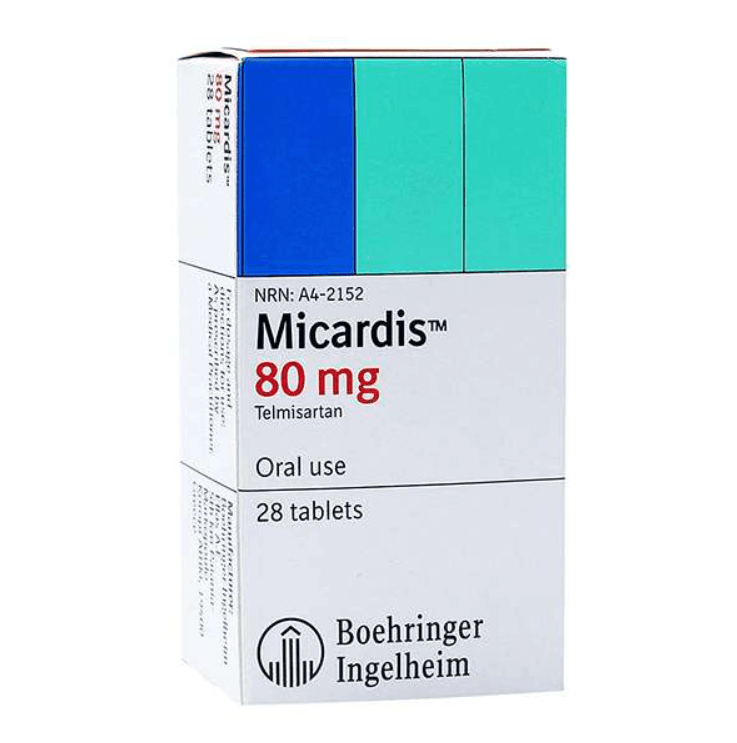
Micardis is a brand-name telmisartan medicine used for blood pressure management and certain cardiovascular risk-reduction needs. You can buy Micardis online, view the current price, and choose the tablet strength and quantity that match your clinician’s directions. Common tablet strengths may include 20 mg, 40 mg, and 80 mg when available.
Micardis tablets contain telmisartan, an angiotensin II receptor blocker, or ARB, which helps relax blood vessels. The brand product, generic telmisartan, and telmisartan combination tablets are separate choices, so the name, strength, and ingredients should match the intended therapy before checkout.
Micardis Price, Tablet Strengths, and Quantity Choices
Micardis price depends on the tablet strength, quantity, brand or generic selection, and the order total shown at checkout. Use the same strength and tablet count when comparing Micardis cost, especially if you are paying cash or comparing Micardis without insurance.
Common Micardis tablets may be shown as 20 mg, 40 mg, or 80 mg. A strength such as Micardis 40 mg or Micardis 80 mg describes how much telmisartan is in each tablet, not how many tablets are included. Always separate the dose strength from the package quantity when reviewing the total.
| Detail | What to verify | Why it matters |
|---|---|---|
| Medicine name | Micardis or telmisartan | Brand and generic choices may be shown separately. |
| Strength | 20 mg, 40 mg, or 80 mg when offered | The strength should match clinician directions. |
| Quantity | Tablet count or package size | The total may change with larger or smaller quantities. |
| Ingredients | Telmisartan alone or a combination product | Telmisartan with a diuretic is a different medicine. |
| Order total | Medicine amount plus any handling or delivery line | The final amount may differ from the tablet line alone. |
Quick tip: Keep the medicine name, strength, and directions beside you while choosing the tablet quantity.
How to Order Micardis Online
Order Micardis online by choosing the tablet strength and quantity that match the directions from your clinician. Enter your personal and order information carefully so the medicine name, date of birth, quantity, and delivery address are consistent throughout the process.
Do not choose a different strength only because it appears more convenient or changes the total. Telmisartan doses are individualized, and dose changes should come from a clinician who understands your blood pressure readings, kidney function, other medicines, and treatment goals.
For US delivery from Canada, make sure the shipping address is complete and that the medicine chosen is Micardis rather than another ARB or a combination tablet. Oral tablets do not require cold-chain handling, but packaging and labeling still matter when the order arrives.
What Micardis Treats
Micardis for high blood pressure is used to help lower blood pressure over time. High blood pressure often has no symptoms, but long-term control reduces the risk of serious complications such as stroke, heart attack, and kidney problems.
Telmisartan blocks the action of angiotensin II, a hormone signal that can tighten blood vessels. By blocking that signal, Micardis helps blood vessels relax so blood can flow with less resistance. It is not a rescue medicine for a sudden blood pressure spike.
The official labeling also includes cardiovascular risk reduction for certain adults aged 55 years and older who are at high risk and cannot take ACE inhibitors. That use is specific, and the reason for treatment should be clarified with the clinician managing your cardiovascular care.
Related blood pressure medicines can be browsed in the Hypertension Products collection. For broader heart and blood pressure categories, the Cardiovascular Products section can help organize similar prescribed therapies by product type.
Active Ingredient, Dose Terms, and Product Differences
The active ingredient in Micardis is telmisartan. It belongs to the angiotensin II receptor blocker class, often shortened to ARB. ARBs are commonly used in hypertension care and may be used alone or with other blood pressure medicines when a clinician recommends combination therapy.
Micardis dosage wording can be confusing because several numbers may appear during ordering. The tablet strength describes the telmisartan amount in one tablet. The quantity describes how many tablets are included. The directions describe how and when the medicine is taken.
Generic telmisartan contains the same active ingredient as Micardis, but the brand name, manufacturer, tablet appearance, package size, and price may differ. If the directions specify a brand or if the medicine was changed recently, verify the exact name before choosing between brand and generic tablets.
Telmisartan with hydrochlorothiazide is not the same as telmisartan alone. Hydrochlorothiazide is a diuretic, sometimes called a water pill, and it changes the medicine’s ingredients and monitoring considerations. Do not switch between single-ingredient Micardis and a combination product unless a clinician has changed the treatment plan.
Cash-Pay and Without-Insurance Considerations
Many people compare Micardis cash-pay totals because insurance coverage and formulary preferences can vary. When reviewing Micardis cost without insurance, use the same strength and quantity each time so the comparison is meaningful.
The final checkout amount may include more than the medicine line. Quantity, handling, and delivery selections can affect the total shown before payment. If you previously ordered telmisartan or a combination tablet, do not assume the same amount applies to brand Micardis.
Customers looking at Micardis US delivery from Canada should still start with the therapy details: active ingredient, strength, quantity, and tablet form. Service context can help with planning, but it should not drive a change in dose, timing, or medication choice.
Storage, Handling, and Delivery Basics
Micardis tablets are generally stored at controlled room temperature and protected from moisture. Keep tablets in the original package until use unless a pharmacist gives different instructions. Avoid storing them in a damp bathroom cabinet or leaving them in a hot car.
When the order arrives, look at the label, medicine name, strength, quantity, and package condition before placing it with your other medicines. If the package appears damaged or the strength does not match what you expected, set it aside and ask a pharmacist or clinician before taking any tablets.
If you travel, keep Micardis in its labeled packaging and carry enough medicine for the trip as directed by your clinician. Time zone changes can make daily medicine schedules confusing, so ask in advance if your timing may need adjustment during travel.
Side Effects, Warnings, and When to Seek Help
Micardis side effects can include back pain, sinus symptoms, diarrhea, dizziness, or fatigue. Some people notice lightheadedness when blood pressure drops, especially after dehydration, heavy sweating, vomiting, diarrhea, or changes in other blood pressure medicines.
Micardis carries a boxed warning for fetal toxicity. Medicines that act on the renin-angiotensin system can injure or kill a developing fetus. People who are pregnant, planning pregnancy, or breastfeeding should discuss blood pressure treatment choices with a clinician promptly.
Serious symptoms need urgent medical attention. Seek help for fainting, swelling of the face or throat, trouble breathing, severe weakness, very low urine output, or signs of high potassium such as muscle weakness, chest symptoms, or an irregular heartbeat.
People with kidney disease, heart failure, dehydration, low-salt intake, or heavy diuretic use may need closer monitoring. Blood pressure can fall too low in some situations, and kidney function or potassium can change after starting or adjusting ARB therapy.
Interactions and Monitoring
Micardis interactions matter because several common medicines and supplements can affect blood pressure, kidney function, or potassium. Share a current medicine list with your clinician and pharmacist, including over-the-counter pain relievers, vitamins, herbal products, and salt substitutes.
NSAID pain relievers such as ibuprofen or naproxen may reduce the blood pressure-lowering effect and increase kidney risk in some people, especially when used with diuretics. Potassium supplements, potassium-sparing diuretics, and potassium-containing salt substitutes can increase potassium levels. Lithium levels may rise when taken with telmisartan.
Routine monitoring may include home blood pressure readings and lab tests for kidney function and potassium. Ask what readings should be reported, how often labs are needed, and what symptoms should lead to urgent care. Do not stop or restart Micardis based only on one home reading unless your clinician has given you a written plan.
Comparing Micardis With Related Choices
Brand Micardis and generic telmisartan are closely related because both are based on telmisartan. The practical buying decision starts with the exact medicine name and strength, then moves to quantity, manufacturer, tablet appearance, and total cost.
Other cardiovascular medicines may be used with or instead of an ARB depending on a person’s conditions and treatment goals. Diuretics, calcium channel blockers, ACE inhibitors, beta blockers, and combination tablets all have different precautions. Do not substitute one blood pressure medicine for another without clinician direction.
For ongoing education about heart and blood pressure care, browse the Cardiovascular Articles section. Internal education can help prepare questions, but individual therapy decisions should be made with a qualified healthcare professional.
Questions to Ask Before Changing Therapy
Micardis is usually part of a long-term blood pressure plan. Before changing strength, tablet timing, or medicine type, ask why the dose was chosen, what blood pressure range is expected, and whether kidney function or potassium should be checked after changes.
Ask whether your medicine list includes other drugs that can lower blood pressure or raise potassium. This is especially important if you also take diuretics, NSAID pain relievers, potassium supplements, lithium, or other heart and kidney medicines.
If your clinician switches you from another ARB or from an ACE inhibitor, clarify when the old medicine should stop and when Micardis should begin. Clear transition instructions reduce the risk of duplicate therapy, missed doses, or unexpected blood pressure changes.
Authoritative Sources
Official prescribing information provides the most detailed source for approved uses, boxed warning language, contraindications, adverse reactions, interactions, strengths, and storage. See the DailyMed Micardis label for full professional labeling.
This content is for informational purposes only and is not a substitute for professional medical advice.
This content is for informational purposes only and is not a substitute for professional medical advice.
Two ways to ship
Cold-packed medications travel by Express shipping. Dry-packed medications can ship Express or Standard.
Earn points on every order
Earn points on birthdays, product orders, reviews, friend referrals, and more! Enjoy your medication at unparalleled discounts while reaping rewards for every step you take with us.
Register and/or Login
Create an account and start earning.
Earn Rewards
Earn points every time you shop or perform certain actions.
Redeem
Redeem points for exclusive discounts.
Ways to save
We stand behind our prices
We work hard to offer the very best available price. If you find a lower price on the same product, we will match it.
Learn how →Tiered pricingNew tiered pricing is here
Buy more and save more on the medications you trust: save 7% per pack when you buy 2, and 14% per pack when you buy 3 or more.
See tiered pricing →You might also like
View all →
Related articles
View all →
Joint Health Habits to Prevent Injury and Maintain Strength
Joint health improves when you combine regular movement, strength training, balanced nutrition, enough recovery, and early attention to pain signals. This matters…
Read more →
Entresto Dose Planning: Strengths, Titration, and Safety
The usual Entresto dose for many adults with heart failure starts at 49/51 mg twice daily, then may increase after 2 to…
Read more →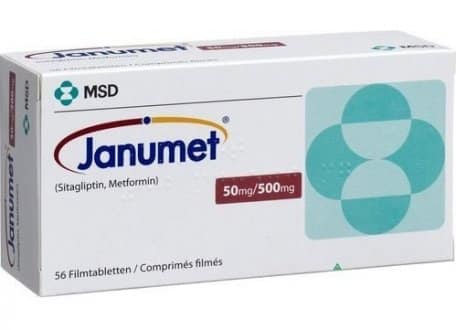
Janumet Dosage: Strengths, Meal Timing, and Monitoring
Janumet dosage is individualized for adults with type 2 diabetes based on current treatment, kidney function, tolerability, and glucose goals. The medicine…
Read more →Speak to us
Our customer service team are highly experienced and friendly. Get in touch today.
What is Micardis used for?
Micardis is used to treat high blood pressure. Its labeling also includes cardiovascular risk reduction for certain adults aged 55 years and older who are at high risk and cannot take ACE inhibitors. Your clinician should confirm why it is being used in your care plan.
Is Micardis the same as telmisartan?
Micardis is the brand name for telmisartan. Generic telmisartan contains the same active ingredient, but manufacturer, tablet appearance, package size, and price may differ. Match the medicine name and strength to your clinician’s directions.
What strengths do Micardis tablets come in?
Micardis tablets may be shown in strengths such as 20 mg, 40 mg, and 80 mg. The strength is the amount of telmisartan in each tablet. It is separate from the total number of tablets in the package.
What are common Micardis side effects?
Commonly reported side effects can include back pain, sinus symptoms, diarrhea, dizziness, or fatigue. Seek urgent help for fainting, facial or throat swelling, trouble breathing, very low urine output, or symptoms of high potassium such as muscle weakness or an irregular heartbeat.
Can Micardis interact with other medicines?
Yes. NSAID pain relievers, potassium supplements, potassium-sparing diuretics, salt substitutes containing potassium, lithium, and other blood pressure medicines may require caution or monitoring. Share a current medicine list with your clinician and pharmacist.
How should Micardis tablets be stored?
Store Micardis tablets at controlled room temperature and protect them from moisture. Keep them in the original package unless a pharmacist gives different instructions, and avoid damp bathrooms or hot cars.
Speak to our team
 Call toll free1-844-560-7790
 Emailservice@canadianinsulin.com
Monday to Friday 7am – 11pm EST
Saturday 7am to 7pm EST
Sunday 8am – 5pm EST