

U.S. adults can access weight loss medications online when a licensed clinician evaluates them, confirms that treatment is appropriate, and sends a valid prescription to a legitimate pharmacy. The safest path is not the lowest advertised cost. It is a structured process that checks eligibility, medication risks, product sourcing, follow-up, and total out-of-pocket expense before treatment starts.
Why this matters: many online programs look similar, but they differ in clinical oversight, pharmacy verification, refill support, and how they handle side effects. A careful comparison can help you avoid counterfeit products, unsafe prescribing, and unexpected costs.
Key Takeaways
- Verify the clinician’s license and pharmacy credentials before sharing payment or health details.
- Compare medication class, route, monitoring needs, and follow-up support, not only monthly cost.
- Be cautious with claims about the “strongest” pill or the cheapest injection.
- Telehealth can be appropriate, but prescribing rules vary by state and medication type.
- Keep records of prescriptions, labels, denials, and prior authorizations for renewals or appeals.
How Online Weight Loss Prescribing Usually Works
Online prescribing starts with a clinical review, not a product choice. A legitimate program should ask about height, weight, medical history, current medicines, allergies, pregnancy status, prior weight management attempts, and relevant conditions such as diabetes, high blood pressure, gallbladder disease, pancreatitis history, or eating disorder history.
Some services use live video visits. Others use asynchronous questionnaires reviewed by a licensed clinician. Either model should include enough information for a reasonable medical decision. If a site offers prescription medication without a health history or valid prescription, treat that as a major warning sign.
After the evaluation, the clinician may recommend lifestyle support alone, medication plus follow-up, or referral for in-person care. Prescription options may include injectable incretin therapies, oral agents, or older appetite-related medicines. The choice depends on eligibility, contraindications, medication access, and patient preference.
For broader background on treatment categories, the Weight Management article collection can help you place medication choices within a wider care plan. If you are comparing virtual care models, the Telehealth collection offers related access and follow-up topics.
Medication Types You May See Online
Most online weight management programs discuss several medication groups. Each works differently, and none is right for every person. Your clinician should explain why a specific option fits your history and what monitoring may be needed.
Injectable incretin therapies
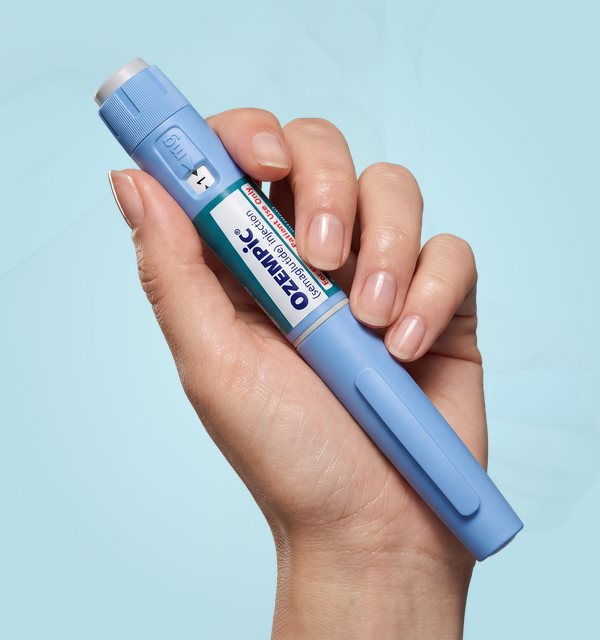
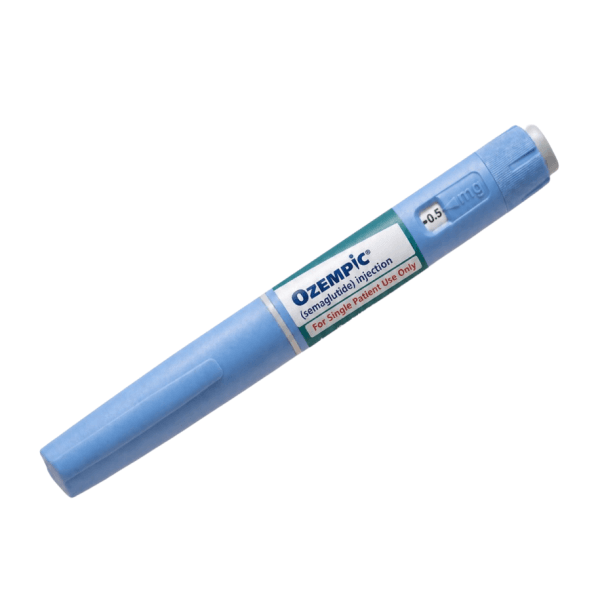
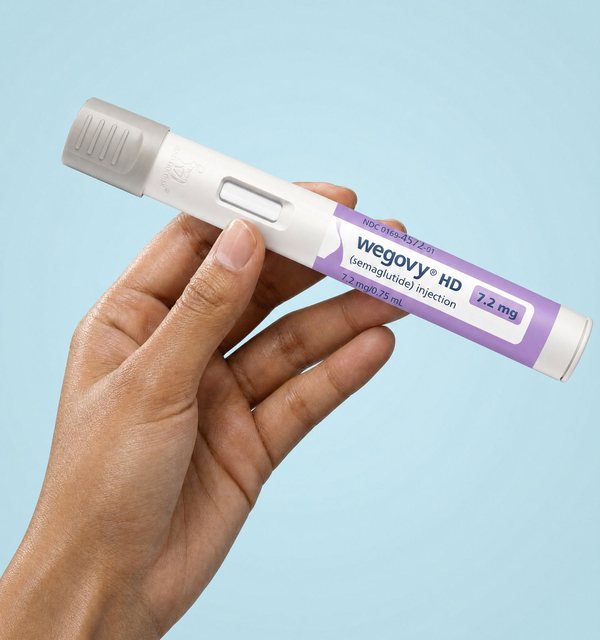
GLP-1 receptor agonists and dual incretin medicines act on hormone pathways involved in appetite, fullness, and glucose regulation. Semaglutide and tirzepatide are common examples in this category. These medicines are usually injectable, require correct storage and handling, and may cause gastrointestinal effects such as nausea, constipation, vomiting, or diarrhea.
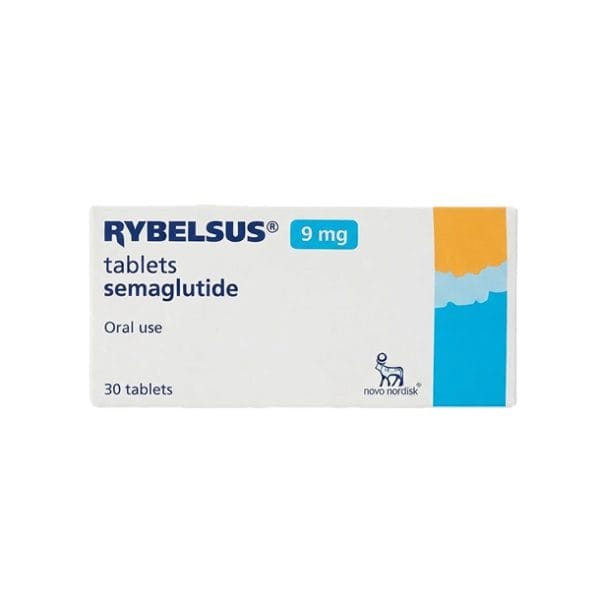
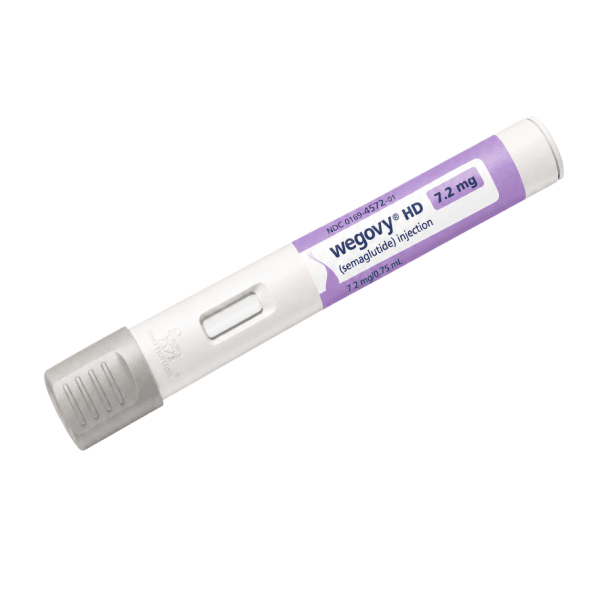
People often compare branded options such as Wegovy, Zepbound, and Saxenda. Product pages can help with format recognition, but they should not replace a clinician’s eligibility review or the official prescribing information.
Oral prescription medicines
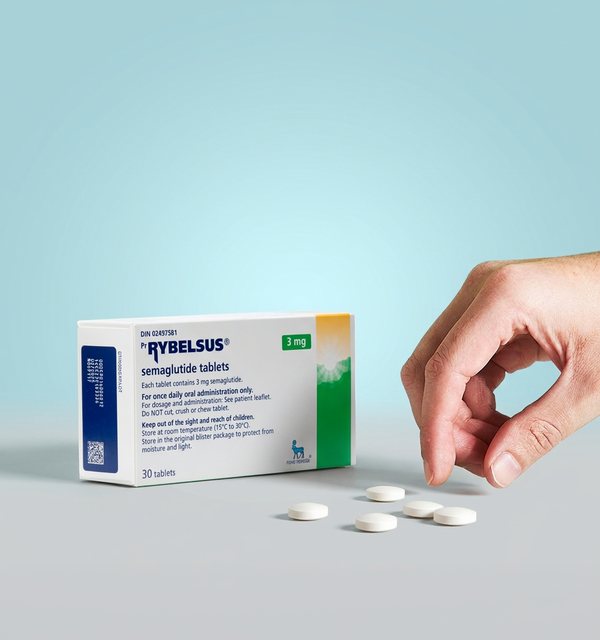
Some patients prefer pills because they fit daily routines and avoid injections. Oral options may include medicines that affect appetite, cravings, or fat absorption. For example, Contrave combines two active ingredients that act on hunger and reward pathways. Xenical reduces absorption of some dietary fat and requires attention to meal fat content.
The common question “what is the strongest weight loss prescription pill” is too simple for safe decision-making. Strength can mean weight effect, appetite effect, tolerability, safety restrictions, or suitability for a specific medical profile. A medicine that works well for one person may be inappropriate for another because of blood pressure, seizure risk, pregnancy plans, liver disease, drug interactions, or other factors.
Phentermine and controlled-substance rules
Phentermine is a stimulant-like prescription medication and is federally classified as a Schedule IV controlled substance in the United States. That classification changes the prescribing process. Telemedicine rules, state medical board requirements, identity checks, and follow-up standards may apply.
Searches such as “online doctors who prescribe phentermine near me” or “can Teladoc prescribe phentermine” usually reflect the same issue: eligibility is not only medical. It is also legal and jurisdiction-specific. A clinician licensed in your state must decide whether remote prescribing is allowed and clinically appropriate.
How to Compare Online Programs Without Chasing Hype
The best online weight loss programs are usually the ones that combine appropriate prescribing with follow-up, safety screening, and clear cost information. A low advertised monthly fee may not include labs, clinician visits, refill reviews, nutrition support, pharmacy costs, or prior authorization work.
Start by checking who provides care. Look for the clinician’s name, license type, and state licensing information. Then confirm whether the program includes scheduled follow-up during dose changes or early side effects. Programs that only issue a prescription may leave you without support when nausea, constipation, missed doses, or supply interruptions occur.
Next, review the pharmacy pathway. Some services send prescriptions to your local pharmacy. Others coordinate with partner pharmacies. CanadianInsulin.com functions as a prescription referral platform; when required, prescription details may be confirmed with the prescriber, while licensed third-party pharmacies handle dispensing and fulfilment where permitted. That type of separation matters because prescribing, referral, and dispensing are not the same activity.
Quick tip: Before enrolling, ask what happens if a medication is not available, not covered, or poorly tolerated.
Also consider how the program defines success. Safe programs should discuss health goals, sustainable habits, adverse effects, and follow-up markers. Be wary of programs built around before-and-after photos, celebrity references, or guaranteed results. Searches about what public figures used to lose weight do not provide useful medical guidance. Their health history, treatment access, and supervision are not your own.
Cost Planning: Insurance, Cash Pay, and Total Expense
Cost planning should include the full care pathway, not just the medication line item. U.S. coverage for anti-obesity medications varies widely. Some employer plans cover selected drugs with prior authorization. Others exclude weight management medicines or require documentation of body mass index, comorbid conditions, lifestyle efforts, or previous therapies.
If coverage is uncertain, check your formulary before choosing a program. Ask whether the clinician or service helps with prior authorization forms, appeal letters, and renewal documentation. Keep copies of denials, lab results, visit notes, and medication history. These records can reduce repeated work if coverage changes.
Some patients explore an online weight loss prescription without insurance when coverage is excluded or deductibles are high. In that situation, compare the cash cost of the visit, labs, medication, supplies, follow-up, and refill reviews. Cross-border fulfilment and cash-pay options may be explored by some patients depending on eligibility and jurisdiction, but they still require valid prescribing and lawful pharmacy handling.
For a deeper cost-planning framework, see GLP-1 Cost Without Insurance and Out-of-Pocket GLP-1 Costs. These resources focus on budgeting factors rather than quick savings claims.
It can also help to track your starting point and general progress metrics. A calculator can estimate percentage weight change and progress toward a stated goal, but it does not determine medical eligibility or predict treatment response.
Weight-Loss Progress Calculator
Track percentage body-weight change and progress toward a target weight.
These calculations are for education only and do not replace clinical advice, diagnosis, or treatment. Always confirm medical decisions with a qualified healthcare professional.
Safety Checks Before You Use an Online Pharmacy
Safety checks protect you from counterfeit, contaminated, expired, or incorrectly labeled products. This is especially important for injectable medicines, compounded products, and websites that advertise unusually low costs or no-prescription access.
Confirm that the pharmacy requires a valid prescription. Check for a physical business identity, licensure details, pharmacist access, and clear patient information. Avoid sites that hide the dispensing location, pressure you to pay immediately, or sell prescription products after only a short form with no clinical review.
For practical warning signs, review Illegal Weight Loss Pills. Counterfeit risk is not limited to pills, but that resource explains common red flags that also apply to many online medication offers.
Storage and handling also matter. Many injectable medicines have temperature requirements and device-specific instructions. If a product arrives damaged, warm when it should be refrigerated, unlabeled, or without patient information, contact the dispensing pharmacy before using it. Do not use a medication that looks altered or does not match the prescription label.
Seek urgent medical help for symptoms that may suggest a serious reaction, such as severe abdominal pain, persistent vomiting, signs of an allergic reaction, chest pain, fainting, or trouble breathing. For less urgent side effects, contact the prescribing clinician before changing or stopping treatment.
Questions to Ask Before Starting
A short question list can reveal whether a program is clinically sound. Use it before you pay, upload records, or commit to a long membership.
- Clinician credentials: Who reviews my case, and are they licensed in my state?
- Medication rationale: Why is this option appropriate for my history?
- Monitoring plan: What follow-up is included after the first prescription?
- Side-effect support: Who do I contact if symptoms occur?
- Pharmacy verification: Which pharmacy dispenses the medicine?
- Total cost: What fees are separate from the medication?
- Refill process: How are renewals, shortages, and dose changes handled?
These questions also help separate medical care from marketing. If the answers are vague, rushed, or focused only on payment, consider that a sign to pause.
Where Specific Medications Fit in a Care Plan
Specific products should be discussed as part of a broader treatment plan. Incretin therapies may be considered for some adults with obesity or overweight with weight-related conditions, depending on label criteria and clinician judgment. Oral options may suit other patients, especially when injections are not appropriate or preferred.
If you are comparing access pathways for a specific medicine, Where to Get Wegovy discusses safety guardrails and access considerations. For a broader online-access perspective, Weight Loss Medication Online covers verification steps and practical planning points.
Keep expectations realistic. Medication may support appetite control or metabolic goals, but it works best with ongoing nutrition, activity, sleep, and medical follow-up. If weight changes stall, side effects develop, or another condition changes, the prescriber may reassess the plan rather than simply continuing the same approach.
Authoritative Sources
The National Institute of Diabetes and Digestive and Kidney Diseases explains prescription options and safety considerations for adults with overweight or obesity in its prescription weight management medication overview.
The FDA label for semaglutide injection provides official warnings, contraindications, and adverse reaction details in the Wegovy prescribing information.
The DEA and HHS describe current federal telemedicine flexibilities for controlled substances in their telemedicine prescribing policy update.
Putting the Decision Together
Weight loss medications online can be appropriate when the process includes real clinical review, lawful prescribing, verified pharmacy handling, and ongoing monitoring. Compare programs by safety standards first. Then review medication fit, insurance status, cash-pay exposure, and refill logistics.
A safe plan should answer four basic questions: whether medication is clinically appropriate, which option fits your risks and preferences, how the prescription will be dispensed, and what support exists after treatment starts. If any answer is unclear, slow down and ask for clarification before proceeding.
This content is for informational purposes only and is not a substitute for professional medical advice.