
Please note: a valid prescription is required for all prescription medication.
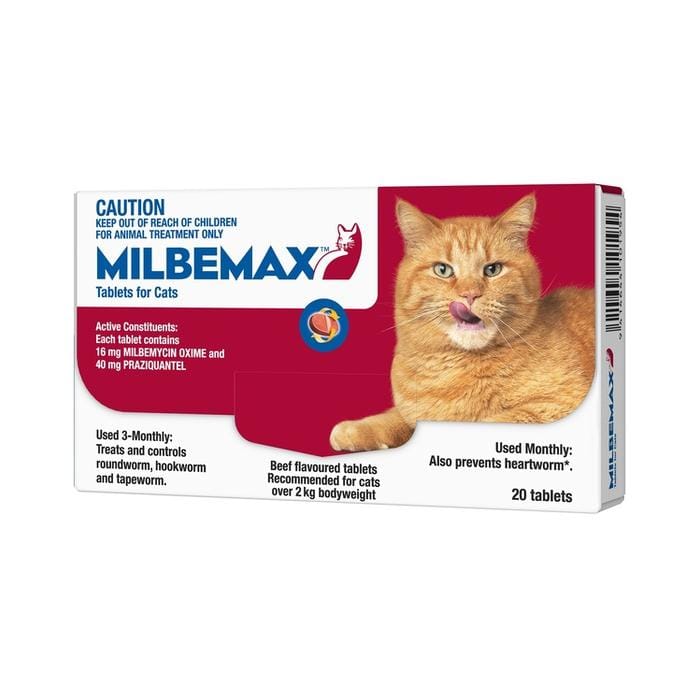
Milbemax
Milbemax Tablets for Dogs: Uses, Dosage, and Safety
Price:
Price range: $69.99 through $412.99
You save


Milbemax is an oral veterinary antiparasitic used in dogs for certain intestinal worms and, in some regimens, heartworm prevention. This page explains how milbemax 12.5 mg is commonly referenced on labels, along with safety and handling basics. It is designed to support informed discussions with a veterinarian.
What Milbemax Is and How It Works
Milbemax is a combination dewormer that contains two active ingredients: milbemycin oxime and praziquantel. Milbemycin oxime is a macrocyclic lactone (a parasite-control drug class) that affects nerve signaling in susceptible roundworms and heartworm larvae, leading to paralysis and death. Praziquantel targets tapeworms by disrupting their outer surface and muscle control, which helps the body clear the parasite.
Prescription details may be confirmed with the prescribing veterinarian before any prescription-only supply is arranged. Some patients explore US shipping from Canada when their veterinary options vary by jurisdiction and eligibility. In practice, this medication is used for routine parasite control plans, often alongside flea or tick prevention, because it does not treat external parasites.
Not every worm product covers the same species. Labels can differ by country, dog weight range, and local parasite risks. If you are comparing options, it can help to browse a general hub like Pet Medications and then review which parasites are listed for your pet’s plan.
Dispensing and fulfillment are handled by licensed third-party pharmacies where permitted. That matters because veterinary medicines may have different legal pathways than OTC pet supplies, and documentation requirements can change across regions.
Who It’s For
Milbemax is used in dogs when a veterinarian wants broad coverage against common intestinal parasites and, depending on the product label, prevention of heartworm disease. Many owners encounter milbemax 12.5 mg when a dog is in a higher weight band that uses a larger tablet size, but the correct product and tablet count should always be weight-based and label-driven.
Typical labeled uses can include treatment of roundworms, hookworms, whipworms, and tapeworms, as well as heartworm prevention in dogs in endemic areas. For background on parasite risks, the condition hubs Canine Intestinal Worms and Canine Heartworm can help frame why veterinarians choose certain combinations and schedules.
It is not appropriate for every pet. Contraindications and precautions vary by label, but common themes include avoiding use in animals that are too young or under a minimum weight, and using extra caution in pets that are acutely ill or debilitated. Dog formulations and cat formulations are not interchangeable; cats have their own dosing and product strengths, and feline risk discussions differ (see Feline Heartworm and Feline Intestinal Worms for context).
Dosage and Usage
Dosing is based on body weight and the specific tablet strength on hand. Milbemax is given orally, and many veterinarians recommend giving it with or shortly after food to reduce stomach upset and make administration easier. Because parasite exposure differs by region and lifestyle, the schedule may range from periodic deworming to monthly prevention plans.
For some dogs, milbemax 12.5 mg may be used as part of a monthly heartworm prevention routine, while intestinal worm treatment may be given as a single dose or repeated per a veterinarian’s protocol. Heartworm prevention products are typically started according to local seasonality or year-round risk, and many clinics recommend heartworm testing before (re)starting prevention, especially if doses were missed or the dog’s history is uncertain.
Why it matters: A missed preventive dose can change what follow-up testing is needed.
Do not split tablets unless the product labeling allows it, and do not substitute a different strength without veterinary guidance. If a dose is vomited soon after administration, or if you suspect the wrong tablet was given, contact the veterinary clinic for next-step instructions rather than repeating a dose automatically.
Strengths and Forms
Milbemax is supplied as oral tablets in multiple strengths for different weight ranges and species. Listings that reference milbemax 12.5 mg generally refer to a dog tablet strength that combines milbemycin oxime with praziquantel, often labeled as 12.5 mg/125 mg. Availability of specific presentations can vary by country, and packaging may differ (for example, blister cards versus cartons).
The simplest way to confirm you have the intended product is to match the tablet strength and species on the carton to the veterinary directions. If your clinic is targeting specific parasites, they may select a strength based on both weight band and the local prevalence of tapeworm exposure (for example, hunting dogs or dogs with known flea exposure).
| Component | Drug class | General role |
|---|---|---|
| Milbemycin oxime | Macrocyclic lactone | Targets certain roundworms and heartworm larvae |
| Praziquantel | Isoquinoline-pyrazine derivative | Targets tapeworms |
Always rely on the package insert for the definitive parasite list and minimum age/weight limits, since those details are specific to the exact product version.
Storage and Travel Basics
Store tablets at the temperature range listed on the package, and keep them in the original blister until needed. This helps protect from moisture and light exposure and reduces the chance of mixing strengths. Keep all pet medications out of reach of children and other animals, especially in multi-pet homes where one pet could ingest another’s dose.
When traveling, bring the original packaging or a clear photo of the label so the strength and lot information are available if questions arise. If your dog receives multiple preventives, using a dated checklist can reduce accidental double-dosing. If a tablet is dropped on the floor, discard it if you cannot confirm it is clean and intact.
Quick tip: Set monthly reminders that match your local heartworm risk season.
If you are storing several parasite-control products, separate them by species and strength. This is particularly important when a household includes both dogs and cats.
Side Effects and Safety
Most dogs tolerate milbemax 12.5 mg well, but side effects can occur. More common reactions are mild and short-lived, such as vomiting, diarrhea, drooling, reduced appetite, or lethargy. These effects may be more likely if the dog is already stressed, has an upset stomach, or receives multiple medications at the same time.
More serious reactions are uncommon but require urgent veterinary assessment. These can include marked weakness, tremors, unsteady gait (ataxia), collapse, or seizures. Signs of an allergic reaction can include facial swelling, hives, or trouble breathing. If any severe neurologic or breathing symptoms occur, treat it as an emergency.
Some breeds and individuals are more sensitive to macrocyclic lactones due to MDR1 (ABCB1) gene variants, which can increase the risk of neurologic toxicity at higher exposures. While labeled doses are designed with safety margins, it is still important to tell the veterinarian if your dog is a Collie, Australian Shepherd, Shetland Sheepdog, or a related mix, or if the dog has had unusual reactions to parasite preventives in the past.
Also share any history of liver disease, kidney disease, or significant weight loss. These factors may influence product choice, monitoring, or timing.
Drug Interactions and Cautions
Always provide a current medication list to the veterinary team, including preventives, supplements, and any recent dewormers. Interactions are not limited to prescription drugs; overlapping parasite-control ingredients can unintentionally increase exposure. Caution is warranted when combining products that contain related macrocyclic lactones or when using off-label high-dose parasite treatments.
Praziquantel is commonly used in veterinary practice and is often compatible with other medications, but the full combination product still requires review. If your dog is on sedatives, anti-seizure medications, or has a neurologic condition, the clinic may want a closer safety plan. For dogs that hunt, scavenge, or have frequent wildlife exposure, your veterinarian may also discuss broader parasite control and fecal testing intervals rather than relying on symptom-based treatment.
Do not give this medication to a different pet “because the symptoms look similar.” Parasite species, weights, and safety limits differ widely across animals.
Compare With Alternatives
Veterinarians choose parasite preventives based on what needs to be covered, how often the product is given, and the dog’s health history. Some alternatives focus on heartworm prevention plus selected intestinal worms, while others focus on intestinal worms only. In clinics, product selection also considers local tapeworm risk, which may be higher in dogs with flea exposure or hunting behavior.
Examples of alternatives your veterinarian may mention include Heartgard (a heartworm preventive that also covers some intestinal parasites, depending on the specific product) and Interceptor Plus (another oral combination option in the same general prevention category). For tapeworm-focused treatment discussions, a practical overview is also available in Droncit Tapeworm Treatment.
Topical products (for example, selamectin-based options) may be considered when oral dosing is difficult, and some regimens combine heartworm prevention with separate flea/tick control. The most appropriate choice depends on the parasite targets listed on the label and your veterinarian’s assessment of risk.
Pricing and Access
Access to veterinary antiparasitics varies by jurisdiction, and some forms require a veterinarian’s prescription. Practical factors that can affect pricing include the dog’s weight band (which influences tablet strength and count), how frequently doses are used, whether heartworm testing is recommended, and whether a clinic bundles prevention with other services. Pet insurance reimbursement, if applicable, often depends on plan rules and documentation.
When a milbemax 12.5 mg prescription is needed, CanadianInsulin.com generally supports a referral process that helps validate prescription details with the prescriber. Where permitted, the medication is dispensed by licensed partner pharmacies, rather than directly by the referral service. Some patients also consider cash-pay options, especially when coverage is limited or exclusions apply.
If you are comparing programs or general policies, see the Promotions Page for site-level information that may apply to eligible orders. Avoid relying on informal dosing advice from non-clinical sources, since small weight differences can change the correct tablet count.
Before starting any heartworm preventive plan, ask the clinic what testing is appropriate for your dog’s age, travel history, and recent prevention gaps. This helps ensure the regimen aligns with local standards of care.
Authoritative Sources
For clinical background on heartworm prevention timing and testing considerations, review guidance from veterinary parasitology groups. A neutral reference is available here: CAPC Parasite Guidelines.
For broader clinical overviews of intestinal parasites, life cycles, and prevention concepts, consult a veterinary reference text. One commonly used resource is: Merck Veterinary Manual.
Distribution methods vary by product and destination, and may include prompt, express, cold-chain shipping when required by handling rules.
This content is for informational purposes only and is not a substitute for professional medical advice.
Express Shipping - from $25.00
Shipping with this method takes 3-5 days
Prices:
- Dry-Packed Products $25.00
- Cold-Packed Products $35.00
Standard Shipping - $15.00
Shipping with this method takes 5-10 days
Prices:
- Dry-Packed Products $15.00
- Not available for Cold-Packed products
What parasites does Milbemax treat in dogs?
Milbemax is a combination antiparasitic tablet that targets multiple internal parasites. Depending on the exact product label and region, it is commonly used for intestinal worms such as roundworms, hookworms, whipworms, and tapeworms, and it may also be labeled for heartworm prevention in dogs. Coverage is not identical across all wormers, and local labels can differ. A veterinarian can confirm which parasite species are covered for your dog’s weight range and whether additional products are needed for fleas or ticks.
Is Milbemax used for heartworm prevention or for deworming only?
Milbemax may be used for both intestinal deworming and heartworm prevention, but the intended use depends on the labeling, the strength, and the dosing schedule your veterinarian prescribes. Intestinal worm treatment is often given as a single dose or as a short course, while heartworm prevention is typically administered monthly during risk periods or year-round in endemic regions. Because heartworm prevention involves specific safety steps, clinics may recommend testing before starting or restarting after missed doses.
What side effects should I watch for after giving Milbemax?
Common side effects in dogs can include vomiting, diarrhea, drooling, reduced appetite, or temporary lethargy. These are often mild, but they should be monitored, especially after the first dose. Seek urgent veterinary care if you notice severe weakness, tremors, unsteady walking, collapse, seizures, or signs of an allergic reaction such as facial swelling or trouble breathing. It also helps to tell the clinic about breed sensitivities (for example, MDR1-related risk) and any other medications your dog is taking.
Do dogs need a heartworm test before starting Milbemax?
Testing recommendations depend on your dog’s age, location, travel history, and whether heartworm prevention has been continuous. Many veterinary clinics recommend a heartworm test before starting prevention in dogs with unknown histories or when there has been a gap in monthly dosing. Testing helps identify dogs that may already be infected and guides safe next steps. Your veterinarian can advise on an appropriate testing interval and whether additional monitoring is needed based on local heartworm risk patterns.
Can Milbemax be used in Collies or dogs with MDR1 sensitivity?
Some herding breeds and mixes can carry MDR1 (ABCB1) gene variants that increase sensitivity to certain macrocyclic lactones, the drug class that includes milbemycin oxime. Many dogs with MDR1 variants still tolerate labeled preventive doses, but risk assessment is individual. Tell your veterinarian if your dog is a Collie, Australian Shepherd, Shetland Sheepdog, or a related mix, or if there has been a prior neurologic reaction to preventives. The clinic may recommend genetic testing or an alternative regimen.
What should I ask my veterinarian before giving Milbemax?
Ask which parasites are being targeted and whether the plan is for routine deworming, heartworm prevention, or both. Confirm the correct tablet strength and number of tablets for your dog’s current weight, and whether giving with food is recommended. Discuss any recent vomiting, diarrhea, weight loss, liver or kidney disease, or seizure history. Bring a full list of medications and preventives to avoid ingredient overlap. If your dog travels, ask how travel affects heartworm risk and testing needs.
Can I give a dog Milbemax tablet to a cat or a smaller dog?
No. Dog and cat formulations are not interchangeable, and even within dogs the correct dose is weight-based. Using the wrong strength can increase side-effect risk or result in underdosing, which may reduce effectiveness against parasites. If you have multiple pets, store products separately by species and strength to prevent mix-ups. If a cat or smaller dog accidentally ingests a dog tablet, contact a veterinarian or an animal poison control service promptly for guidance based on the product strength and the pet’s weight.
Rewards Program
Earn points on birthdays, product orders, reviews, friend referrals, and more! Enjoy your medication at unparalleled discounts while reaping rewards for every step you take with us.
You can read more about rewards here.
POINT VALUE
How to earn points
- 1Create an account and start earning.
- 2Earn points every time you shop or perform certain actions.
- 3Redeem points for exclusive discounts.
You Might Also Like
Select options
This product has multiple variants. The options may be chosen on the product page
Timolol Maleate Ophthalmic Solution
Price range: $38.99 through $42.99
You save
- In Stock
- Express Shipping
Select options
This product has multiple variants. The options may be chosen on the product page
Select options
This product has multiple variants. The options may be chosen on the product page
Select options
This product has multiple variants. The options may be chosen on the product page
Related Articles
Type 2 Diabetes,
Oral Wegovy Explained: Facts, Risks, and Access Options
The phrase oral wegovy is best understood as a search term, not a settled product name. Most people use it to mean a pill version of semaglutide for weight management,…
Diabetes, General Health,
Glp-1 Drugs Over The Counter: What’s Real And What’s Not
Key Takeaways Prescription GLP-1 medicines are not sold as true OTC drugs. Many “GLP-1” supplements aim to support fullness, not mimic prescriptions. Online “no prescription” offers raise counterfeit and quality…
Diabetes, Type 2
GLP-1 Cost Without Insurance: Compare Cash-Pay Options
Key Takeaways Many people searching for glp-1 cost without insurance are trying to plan for a long-term expense. The total can change based on the drug, the pharmacy, and how…
Cardiovascular, Diabetes, Nephrology,
SGLT2 Inhibitors Drugs: Names, Uses, And Safety Notes
Key Takeaways They lower glucose by increasing urinary sugar loss. Common options include dapagliflozin, empagliflozin, canagliflozin, and ertugliflozin. Some products combine an SGLT2 inhibitor with metformin. Risks include dehydration and…