
Please note: a valid prescription is required for all prescription medication.
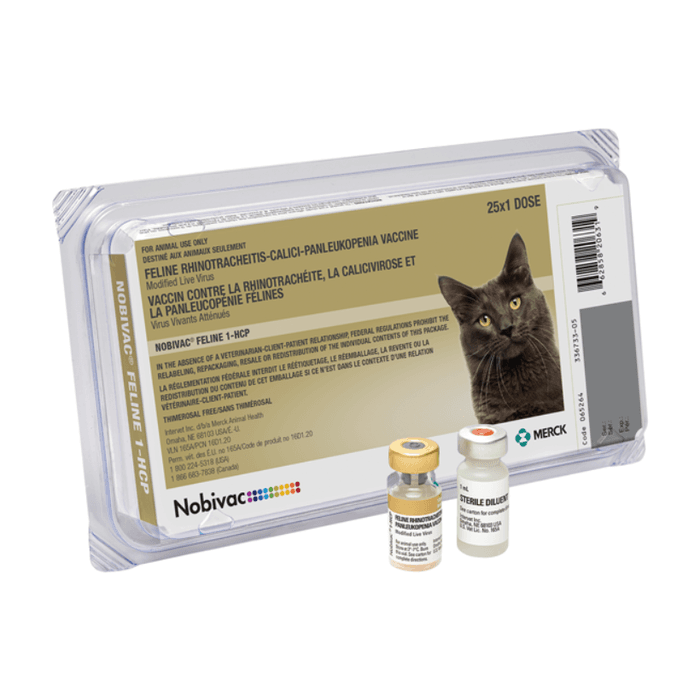
Nobivac Feline 3-HCP
Nobivac Feline 3-HCP: How to Buy It Safely
Price:
$185.99
You save


Nobivac Feline 3-HCP is a core combination vaccine used in cats. It is given by injection to help protect against feline viral rhinotracheitis, calicivirus, and panleukopenia. This page summarizes typical veterinary use, handling basics, and key safety points.
What Nobivac Feline 3-HCP Is and How It Works
This product is commonly discussed as an FVRCP-type vaccine for cats, meaning it targets three major viral causes of upper respiratory disease and severe gastrointestinal illness. It is a modified-live vaccine (weakened virus) designed to stimulate an immune response so the cat can respond more effectively if exposed later. Vaccines help reduce risk and severity of disease; they do not treat an active infection. If documentation is required, CanadianInsulin can verify prescription details with the prescribing veterinarian.
Administration and handling are typically performed in a veterinary setting because reconstitution, dose preparation, and injection technique affect quality and safety. Some patients explore Ships from Canada to US when cross-border fulfilment is permitted by jurisdiction and appropriate for the case. Because vaccine performance depends on correct storage and timing, clinics often align product choice with local disease patterns, the cat’s age, and risk factors such as shelter exposure or multi-cat households.
Who It’s For
This is generally considered a core cat vaccine, meaning many veterinary vaccination programs include it for most kittens and adult cats unless a specific medical reason exists to delay or avoid vaccination. The three components correspond to viruses often referenced in clinical notes as feline herpesvirus type 1, feline calicivirus, and feline panleukopenia virus. For plain-language background on the diseases themselves, you can browse hubs such as Feline Herpesvirus Infection, Feline Calicivirus Infection, and Feline Panleukopenia.
Cats at higher exposure risk may include kittens, newly adopted cats with unknown vaccine history, cats entering boarding or shelter environments, and cats living with other cats that go outdoors. Vaccination may be deferred if a cat is acutely ill, has a fever, or has had a severe prior vaccine reaction. Modified-live products may be used cautiously or avoided in certain situations (for example, in immunocompromised animals or during pregnancy), depending on the veterinarian’s assessment and the product label.
Dosage and Usage
Nobivac Feline 3-HCP is typically administered by a veterinary professional as a subcutaneous injection, meaning it is given under the skin. Many practices use a kitten primary series followed by a booster, then periodic revaccination based on the label, local public health rules, and the cat’s lifestyle. When vaccine history is uncertain, clinicians may restart or complete a series rather than relying on partial records.
Because protocols differ by country and by guideline, clinics often follow a structure like: an initial series in early life spaced several weeks apart, a booster about one year later, and then boosters at longer intervals for adult cats when appropriate. Timing can be influenced by maternal antibodies (passive antibodies from a mother cat) in young kittens, which can blunt response to early doses. For safety, reconstitution steps, dose volume, and timing should follow the official product labeling and the veterinarian’s direction.
Strengths and Forms
Veterinary vaccines are usually described by presentation rather than “strength” in milligrams. This product is commonly supplied as a lyophilized (freeze-dried) vaccine that is reconstituted with a compatible sterile diluent immediately before use. Depending on the market and distributor, vaccines may be available as single-dose kits or multi-dose formats intended for clinic use, and availability can vary over time.
In practice, Nobivac Feline 3-HCP may be encountered in configurations such as the examples below (always confirm the specific carton and insert you have):
| Presentation | Typical setting | Handling notes |
|---|---|---|
| Single-dose vial plus diluent | Individual appointment | Mix just before injection |
| Multi-dose vial format | High-throughput clinics | Use aseptic technique each draw |
| Clinic pack sizes | Inventory management | Cold storage is critical |
Packaging terms like “1 dose” or “10 dose” are sometimes used in ordering systems, but the correct choice depends on clinic workflow and wastage considerations, not on different clinical potency for the patient.
Storage and Travel Basics
Most feline vaccines require refrigeration and protection from freezing and excessive heat. Storage requirements are important because temperature excursions can reduce vaccine viability, which may lower the expected immune response. Keep the product in its original packaging until use to help protect it from light, and limit time at room temperature unless the label specifically allows it.
After a vaccine is mixed with its diluent, it is generally intended for prompt use; mixed vaccine is not the same as an unopened vial in the refrigerator. Nobivac Feline 3-HCP should be handled as a refrigerated biological product, and clinics typically use a temperature-monitored refrigerator and a documented process for inventory rotation.
Quick tip: If you are transporting a pet to an appointment, keep records and dates accessible.
Side Effects and Safety
Most cats tolerate core vaccines well. Mild, short-lived effects can include sleepiness, reduced appetite, or a low-grade fever, along with local soreness or a small lump at the injection site. These effects may start within a day and usually resolve without intervention. Your veterinarian may recommend monitoring comfort and hydration, especially in kittens or cats with other health issues.
More serious reactions are uncommon but can happen with any vaccine. Signs that require urgent veterinary assessment include facial swelling, hives, repeated vomiting, difficulty breathing, collapse, or severe lethargy soon after vaccination. Nobivac Feline 3-HCP is a modified-live product, so veterinarians may take extra precautions in cats with immune suppression or those receiving certain immune-modulating therapies.
Why it matters: Early recognition of an allergic reaction can be lifesaving.
Drug Interactions and Cautions
Vaccines do not have “drug interactions” in the same way many pills do, but several factors can affect response and safety. Immunosuppressive medications, some chemotherapy protocols, and advanced systemic illness can reduce the ability to mount a protective immune response. In those situations, a veterinarian may adjust timing, choose a different vaccine type, or defer vaccination until the cat is more stable.
Concurrent administration with other vaccines is common in practice, but compatibility depends on product labeling and clinic protocols. Do not mix different vaccines in the same syringe unless the manufacturer specifically instructs it. Another practical caution is record integrity: confirm the product name, lot number, expiration date, and administration site. Good documentation helps clinicians evaluate unexpected reactions and plan future boosters in a way that matches the cat’s risk profile.
Compare With Alternatives
Clinics may choose among several FVRCP vaccine options based on patient factors, practice preference, and local availability. Alternatives may include other modified-live combination vaccines or non-adjuvanted products, as well as formulations with different manufacturing platforms. Nobivac Feline 3-HCP is one option within this broader category, and choice often reflects how a practice balances immune response expectations, handling logistics, and patient-specific cautions.
Some comparisons your veterinarian may consider include: vaccine type (modified-live versus inactivated), adjuvant use (substances added to enhance immune response), and whether a cat has a history of vaccine reactions. For respiratory-risk situations, certain clinics also add targeted vaccines such as Bordetella products; for related context on another feline vaccine in the same brand family, see Nobivac Feline BB. Rabies vaccination is separate and typically follows jurisdiction-specific rules.
Pricing and Access
Access to veterinary vaccines is often structured through clinics rather than direct-to-patient administration, because proper storage, reconstitution, and injection technique are part of safe use. Dispensing is handled by licensed partner pharmacies where permitted. Factors that can influence overall out-of-pocket expense include appointment fees, exam requirements, the number of doses needed to complete a series, and whether a clinic uses single-dose or multi-dose inventory. If you are paying without insurance, a clinic can often outline expected visit components ahead of time.
Coverage and reimbursement vary for pet insurance plans, and some plans treat routine vaccines differently from illness care. For broader navigation across veterinary items on the site, you can browse Pet Medications. Some people also look for general budgeting frameworks across health products; while not veterinary-specific, planning concepts discussed in Out Of Pocket Cost may help you structure questions about predictable versus variable expenses. Cross-border eligibility depends on jurisdiction and documentation.
When documentation is needed, records such as prior vaccine dates or a veterinarian’s prescription can affect what can be supplied and how it is documented. Eligibility for cross-border fulfillment varies by jurisdiction and clinical documentation. If you are comparing options or reviewing general site information, the Promotions Page may list ongoing informational updates, but availability and terms can change. For medication safety in general, resources like Illegal Weight Loss Pills highlight red flags that can apply to many product categories, including veterinary supplies.
Authoritative Sources
For decisions about vaccination schedules and risk-based boosters, the most useful references are the product labeling and established veterinary vaccination guidelines. These sources can help clinicians match vaccine choice to age, exposure risk, and local disease patterns, while also covering handling, contraindications, and documentation standards.
- For consensus guidance, review the AAHA Feline Vaccination Guidelines.
- For manufacturer information, consult Merck Animal Health Nobivac Feline 3-HCP.
- For general vaccine oversight context, see USDA APHIS Veterinary Biologics.
For temperature-sensitive items, distribution may use prompt, express, cold-chain shipping to support recommended handling conditions.
This content is for informational purposes only and is not a substitute for professional medical advice.
Express Shipping - from $25.00
Shipping with this method takes 3-5 days
Prices:
- Dry-Packed Products $25.00
- Cold-Packed Products $35.00
Standard Shipping - $15.00
Shipping with this method takes 5-10 days
Prices:
- Dry-Packed Products $15.00
- Not available for Cold-Packed products
What does Nobivac Feline 3-HCP protect against?
Nobivac Feline 3-HCP is intended to help protect cats against three core viral diseases: feline herpesvirus type 1 (often associated with viral rhinotracheitis), feline calicivirus, and feline panleukopenia virus. These infections can range from upper-respiratory signs to severe systemic illness, especially in kittens. Protection depends on completing an age-appropriate series and maintaining boosters as advised by a veterinarian. Vaccines reduce risk; they do not treat a cat that is already sick.
Is this the same as the FVRCP vaccine?
“FVRCP” is a common shorthand for a 3‑way core cat vaccine that targets feline viral rhinotracheitis, calicivirus, and panleukopenia. Nobivac Feline 3-HCP fits within that general category. Different manufacturers may use slightly different naming, components, and handling instructions, so products are not interchangeable without checking the label. If a cat’s records say “FVRCP,” a clinic can confirm which brand was used and whether the schedule is complete.
What is a modified live vaccine and why does it matter?
A modified live vaccine contains weakened organisms that can stimulate immunity without causing the full disease in healthy animals. This approach can produce a strong immune response, but it also means clinicians may use added caution in certain cats, such as those with immune suppression, serious systemic illness, or pregnancy, depending on the product label and veterinary judgment. If your cat has complex health conditions or is on immune-modulating therapy, ask the veterinarian how vaccine type influences timing and selection.
What reactions should I watch for after vaccination?
After vaccination, mild effects such as tiredness, reduced appetite, or minor injection-site soreness can occur and often resolve quickly. More serious reactions are uncommon but need urgent veterinary attention. Watch for facial swelling, hives, repeated vomiting, difficulty breathing, collapse, or extreme lethargy soon after the injection. If any severe signs appear, contact an emergency veterinary service right away. Keeping a record of vaccine date, product name, and lot number can help guide future decisions.
How is this vaccine stored and handled in clinics?
Most feline vaccines require consistent refrigeration and protection from heat and freezing. Clinics typically store them in monitored refrigerators, keep them in original packaging to limit light exposure, and follow inventory rotation so doses are used before expiration. If the vaccine is supplied as a freeze-dried vial with diluent, it is mixed shortly before administration and generally not held for later use. Handling details can vary by product, so veterinary staff follow the manufacturer insert for storage limits and preparation steps.
What should I ask my veterinarian before my cat receives it?
Useful questions include: what diseases are most relevant for my cat’s lifestyle; which vaccines are considered core versus risk-based; what schedule is appropriate given age and prior records; and what to do if a dose is delayed. If your cat has had a previous vaccine reaction or has chronic disease, ask how that changes product choice and monitoring after the visit. You can also ask how the clinic documents lot numbers and injection sites for future reference.
Rewards Program
Earn points on birthdays, product orders, reviews, friend referrals, and more! Enjoy your medication at unparalleled discounts while reaping rewards for every step you take with us.
You can read more about rewards here.
POINT VALUE
How to earn points
- 1Create an account and start earning.
- 2Earn points every time you shop or perform certain actions.
- 3Redeem points for exclusive discounts.
You Might Also Like
Select options
This product has multiple variants. The options may be chosen on the product page
Select options
This product has multiple variants. The options may be chosen on the product page
Select options
This product has multiple variants. The options may be chosen on the product page
Select options
This product has multiple variants. The options may be chosen on the product page
Related Articles
Type 2 Diabetes,
Liraglutide Vs Semaglutide Comparison Guide For Patients
Key Takeaways People searching liraglutide vs semaglutide usually want a practical comparison, not a slogan. The most useful differences involve formulation, schedule, approved uses, side effect patterns, and the paperwork…
Weight Management
Generic Zepbound: Availability, Status, and Options
Key Takeaways Patients and caregivers often search for generic zepbound when they need a clear answer about availability, labeling, and lower-cost access. The term is common online, but it does…
Type 2 Diabetes,
Oral Wegovy Explained: Facts, Risks, and Access Options
The phrase oral wegovy is best understood as a search term, not a settled product name. Most people use it to mean a pill version of semaglutide for weight management,…
Diabetes, General Health,
Glp-1 Drugs Over The Counter: What’s Real And What’s Not
Key Takeaways Prescription GLP-1 medicines are not sold as true OTC drugs. Many “GLP-1” supplements aim to support fullness, not mimic prescriptions. Online “no prescription” offers raise counterfeit and quality…