
Please note: a valid prescription is required for all prescription medication.
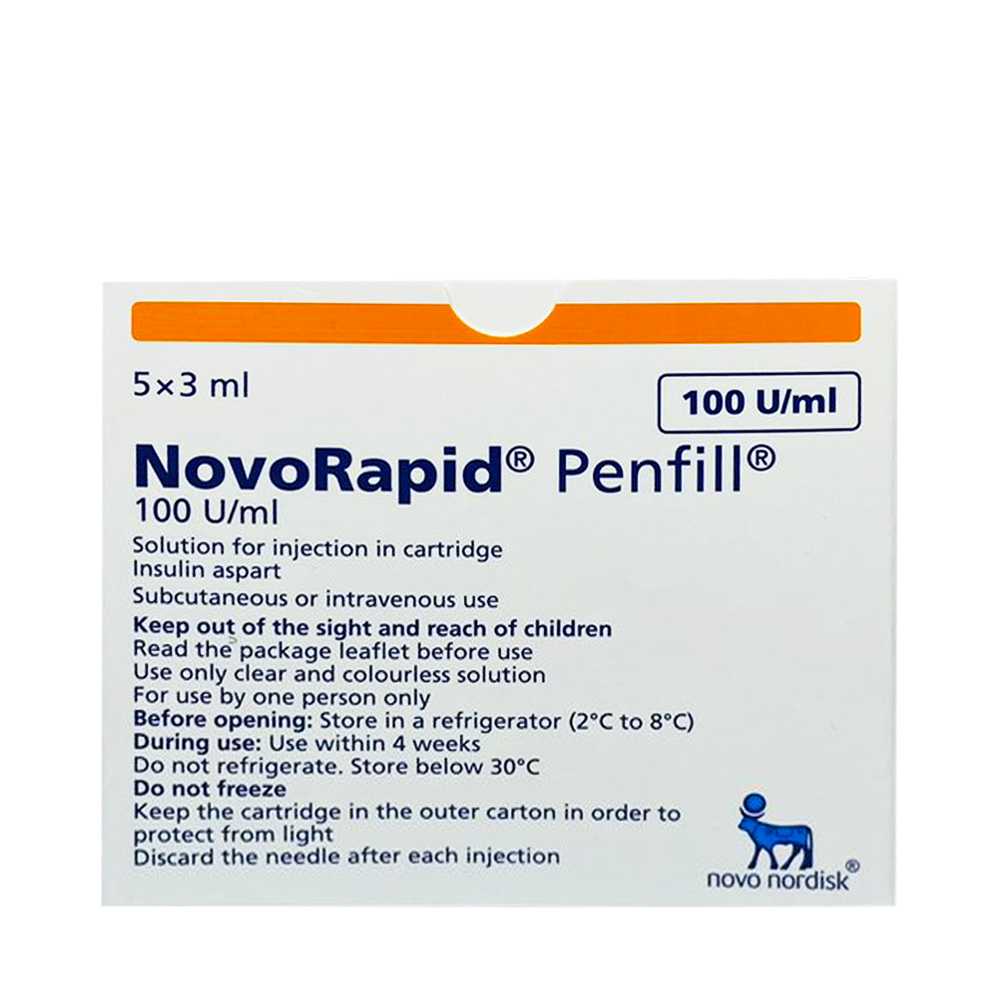
Novorapid Cartridge
Novorapid Cartridge: How to Buy and Use Safely
Price:
$132.99
You save


Novorapid Cartridge is a rapid-acting insulin aspart cartridge used with compatible reusable insulin pens to help manage blood glucose in diabetes. Some patients explore Ships from Canada to US when considering cross-border fulfilment options that may be permitted by jurisdiction. This page summarizes how the medication works, how it is commonly used in a treatment plan, and key safety and storage points.
Information here is intended to support label-aware discussions with a clinician and routine medication handling. It does not replace individualized instructions for dosing, timing, or monitoring. Always review the specific pen and cartridge instructions that come with your product, since device steps and cartridge formats can differ across regions and manufacturers.
What Novorapid Cartridge Is and How It Works
This medicine contains insulin aspart, a rapid-acting insulin analog used to reduce post-meal glucose rises. After injection under the skin, it helps move glucose from the bloodstream into muscle and fat and reduces glucose release from the liver. Because it acts quickly, it is commonly used around meals as part of a broader diabetes regimen.
Cartridges are designed for use in certain reusable pen devices rather than as a prefilled disposable pen. Prescription details may be confirmed with the prescriber when needed, particularly when a device, strength, or directions are unclear. Diabetes Medications hubs can help you understand how mealtime insulin fits among other therapies, but your prescriber decides what is appropriate and how it is combined with basal insulin, nutrition planning, and monitoring.
Who It’s For
Rapid-acting insulin aspart products are used for diabetes mellitus when mealtime insulin is needed to improve glucose control. This can include type 1 diabetes (where insulin is required) and type 2 diabetes (when insulin is added to other therapies). Many people use rapid-acting insulin alongside a longer-acting basal insulin to cover both meals and background insulin needs.
Novorapid Cartridge may not be appropriate during an episode of low blood glucose (hypoglycemia) or for someone who cannot safely monitor glucose. It is also not used in people with known hypersensitivity to insulin aspart or product excipients. If you are unsure whether mealtime insulin is part of your plan, see the Type 2 Diabetes condition hub for general context and bring questions to your treating clinician.
Dosage and Usage
Dosing for rapid-acting insulin is individualized and typically depends on meal composition, activity, illness, and other medications. Many regimens use a “basal-bolus” approach, with a long-acting insulin for baseline needs and a rapid-acting insulin for meals and corrections. Novorapid Cartridge should be used only as directed by the prescriber, and changes to dose or timing should be made with clinical guidance.
Cartridges are inserted into a compatible reusable pen, then used with single-use pen needles. Step details vary by pen model, so it helps to review the device manual carefully before first use. For general injection-site technique concepts (site rotation, avoiding irritated skin), some patients find resources like Mounjaro Injection Sites useful, even though the medication discussed there is different.
- Confirm pen compatibility before loading
- Use a new needle each time
- Prime per pen instructions
- Inject subcutaneously, not intramuscularly
- Rotate sites to reduce lumps
- Never share pens or needles
Quick tip: Keep a simple log of doses, meals, and glucose readings to review with your care team.
Strengths and Forms
Insulin aspart cartridges are commonly supplied as multi-dose cartridges intended for reusable insulin pens. Depending on the market, you may see names such as NovoRapid Penfill cartridges, and packaging may refer to “Penfill” formats. Many insulin aspart cartridges are labeled as U-100 (100 IU/mL) with 3 mL fill volume, but you should confirm the exact strength and cartridge volume printed on your box and cartridge label.
Novorapid Cartridge is not the same presentation as a vial (used with syringes) or a disposable prefilled pen. Availability of specific presentations can vary by jurisdiction and pharmacy supply channels.
| Presentation | Typical use case | Key handling point |
|---|---|---|
| Cartridge for reusable pen | People using a durable pen device | Device compatibility matters |
| Prefilled disposable pen | Convenience, no cartridge loading | Pen is discarded when empty |
| Vial | Syringe dosing in some settings | Syringe technique required |
Storage and Travel Basics
Insulin potency can be reduced by temperature extremes, agitation, or improper handling. Store unopened insulin according to the product label, commonly in a refrigerator, and avoid freezing. In-use products may have different room-temperature allowances, and those limits can differ by manufacturer and region, so the package insert is the safest reference.
Before each use, inspect the solution in the cartridge; do not use insulin that looks cloudy (if it should be clear), discolored, or contains particles. When traveling, keep insulin and supplies with you rather than in checked luggage, and avoid leaving them in hot cars or near direct sunlight. For practical packing ideas that also apply to other injectables, see How To Travel With Ozempic and adapt the storage steps to insulin’s label directions.
Why it matters: Overheating or freezing can make insulin less predictable.
Side Effects and Safety
The most important safety risk with rapid-acting insulin is hypoglycemia, which can occur if insulin dose, food intake, and activity are not well matched. Symptoms may include shaking, sweating, fast heartbeat, hunger, confusion, or unusual fatigue, and severe episodes can lead to loss of consciousness or seizures. Hyperglycemia can also occur if doses are missed, insulin is degraded, or illness increases insulin needs.
Other possible effects include injection-site redness or discomfort, skin thickening or dents from repeated injections in the same area (lipodystrophy), swelling, or weight changes. Serious but less common reactions can include severe allergic reactions and low potassium (hypokalemia), which is more relevant in people with additional risk factors or when combined with certain medicines. If you use Novorapid Cartridge, routine glucose monitoring and having an individualized hypoglycemia plan from your clinician are key safety practices.
Drug Interactions and Cautions
Many medications and health states can change insulin requirements. Some drugs may increase the risk of hypoglycemia (for example, other glucose-lowering medicines), while others may raise glucose and increase insulin needs (for example, systemic corticosteroids). Alcohol can also affect glucose and may make lows harder to predict, especially when combined with missed meals.
Certain medicines, such as beta-blockers, can blunt some warning symptoms of hypoglycemia. ACE inhibitors, diuretics, thyroid hormones, and some psychiatric medications can also influence glucose patterns. Kidney or liver impairment, acute illness, and major changes in diet or activity can alter insulin sensitivity. For broader medication-safety reading within diabetes care, browse Diabetes Articles and Type 2 Diabetes Articles, then discuss any interaction concerns with your pharmacist or prescriber.
Compare With Alternatives
Mealtime insulin options include other rapid-acting analogs such as insulin lispro and insulin glulisine, as well as faster-acting insulin aspart formulations in some regions. These products are often similar in purpose, but they can differ in exact onset profile, device options, stability once opened, and interchangeability rules. A clinician may also consider factors such as prior response, hypoglycemia history, and which pen devices a patient can reliably use.
For type 2 diabetes, rapid-acting insulin is not the only injectable therapy that may be used in a plan. Some people use insulin alongside non-insulin injectables such as GLP-1 receptor agonists, depending on clinical goals and tolerability. For general background on GLP-1 options, Victoza Vs Ozempic offers context, but it does not replace individualized insulin decision-making.
Pricing and Access
Access to prescription insulin can vary based on local regulations, the exact presentation needed (cartridge versus pen or vial), and whether a specific brand is required. Insurance coverage and formularies may influence which insulin aspart product is preferred, and documentation such as a current prescription and prescriber information is typically required. Dispensing is handled by licensed third-party pharmacies where permitted, and the steps can differ depending on jurisdiction and clinical documentation requirements.
For people paying out of pocket, including those without insurance, the final amount can depend on brand selection, pack size, and any available assistance or benefit design. Novorapid Cartridge may also be compared with other rapid-acting insulins when a clinician is selecting a clinically appropriate option that is realistically obtainable for the patient. If you are reviewing general site-wide information, the Promotions Page may describe non-time-limited programs or policies that affect how information is presented, without changing prescription requirements.
Authoritative Sources
For patient-focused information on insulin aspart, review this neutral medication overview from: MedlinePlus insulin aspart injection information.
Temperature-sensitive medications may be packaged for prompt, express, cold-chain shipping to help protect product integrity during transit.
This content is for informational purposes only and is not a substitute for professional medical advice.
Express Shipping - from $25.00
Shipping with this method takes 3-5 days
Prices:
- Dry-Packed Products $25.00
- Cold-Packed Products $35.00
Standard Shipping - $15.00
Shipping with this method takes 5-10 days
Prices:
- Dry-Packed Products $15.00
- Not available for Cold-Packed products
Is Novorapid Cartridge the same as insulin aspart?
Novorapid Cartridge contains insulin aspart, which is the nonproprietary (generic) name for the active ingredient. “NovoRapid” is a brand name used in many countries for insulin aspart, and “cartridge” describes the container designed for certain reusable pen devices. Other manufacturers may also market insulin aspart products, and presentations can include cartridges, prefilled pens, or vials. Even when the active ingredient is the same, device compatibility, labeling, and interchange rules can differ, so confirm details with a pharmacist or prescriber.
Which insulin pens work with NovoRapid Penfill cartridges?
Cartridges are not universal across all insulin pens. A “Penfill” style cartridge is typically intended for specific reusable pen systems that accept that cartridge shape and size. The right pen for NovoRapid Penfill cartridges depends on the cartridge format, the pen model’s compatibility list, and sometimes the local version of the product. Before first use, verify the pen model name in the pen instructions and match it to the cartridge labeling. If you are uncertain, a pharmacist can help confirm device fit and safe setup steps.
When is rapid-acting insulin usually taken with meals?
Rapid-acting insulin aspart is commonly used around meals to help limit post-meal glucose rises. Many treatment plans use it shortly before eating, and some plans may allow dosing soon after a meal in selected situations. The correct timing is individualized and depends on the prescribed regimen, meal patterns, and glucose targets. Timing may also differ if someone is using carbohydrate counting, fixed mealtime doses, or correction dosing. Follow the instructions provided by the prescriber and review any changes during illness, schedule changes, or travel.
What are signs of low blood sugar while using insulin aspart?
Low blood sugar (hypoglycemia) can cause symptoms such as shakiness, sweating, hunger, headache, irritability, trouble concentrating, or feeling faint. Severe hypoglycemia can lead to confusion, seizures, or loss of consciousness and requires urgent help. Some people have fewer warning symptoms over time, especially if they have frequent lows or take certain medications like beta-blockers. Discuss a personalized prevention and response plan with your clinician, including when to check glucose more often and when to seek emergency care.
How should I store cartridges at home and while traveling?
Storage instructions can vary by product and region, so the package insert and carton labeling are the best references. In general, insulin should be protected from freezing, excessive heat, and direct light. Many products are stored refrigerated before first use, and may have limited room-temperature use once in a pen. While traveling, keep insulin and supplies with you, avoid leaving them in cars, and use an insulated container when needed. Do not use insulin that looks discolored or has particles if it should be clear.
What should I ask my clinician before starting or switching mealtime insulin?
Bring a short list of practical questions: how to time doses with meals, what glucose targets to use, and how to adjust monitoring during exercise or illness. Ask how to handle missed doses, how to recognize and respond to hypoglycemia, and whether you need ketone checks during high readings. Confirm which pen device to use, how to prime it, and how often to change needles. It also helps to review any other medications, kidney or liver issues, pregnancy plans, and your typical meal schedule so the regimen is realistic.
Rewards Program
Earn points on birthdays, product orders, reviews, friend referrals, and more! Enjoy your medication at unparalleled discounts while reaping rewards for every step you take with us.
You can read more about rewards here.
POINT VALUE
How to earn points
- 1Create an account and start earning.
- 2Earn points every time you shop or perform certain actions.
- 3Redeem points for exclusive discounts.
You Might Also Like
Select options
This product has multiple variants. The options may be chosen on the product page
Select options
This product has multiple variants. The options may be chosen on the product page
Select options
This product has multiple variants. The options may be chosen on the product page
Select options
This product has multiple variants. The options may be chosen on the product page
Related Articles
Uncategorized
Clots and Period: When Menstrual Blood Clots Need Attention
The phrase clots and period usually refers to blood clots that pass during menstruation. In many cases, small clots on the heaviest days are a normal result of brisk bleeding.…
Diabetes, Type 1
Type 1 Versus Type 2 Diabetes: Symptoms, Causes, and Care
type 1 versus type 2 diabetes comes down to why blood sugar rises. In type 1, the immune system destroys insulin-making cells in the pancreas, so the body makes little…
Gastrointestinal
Over the Counter Anti Nausea Medication: Options and Limits
Over the counter anti nausea medication can help when nausea comes from motion sickness, mild stomach upset, or short-term digestive irritation. It is not one drug class, and there is…
Infectious Disease, Urology,
Treat A UTI Over The Counter: Relief Options and Red Flags
If you want to treat a uti over the counter, the important truth is this: nonprescription products may ease burning, urgency, and bladder discomfort, but they usually do not cure…