
Please note: a valid prescription is required for all prescription medication.
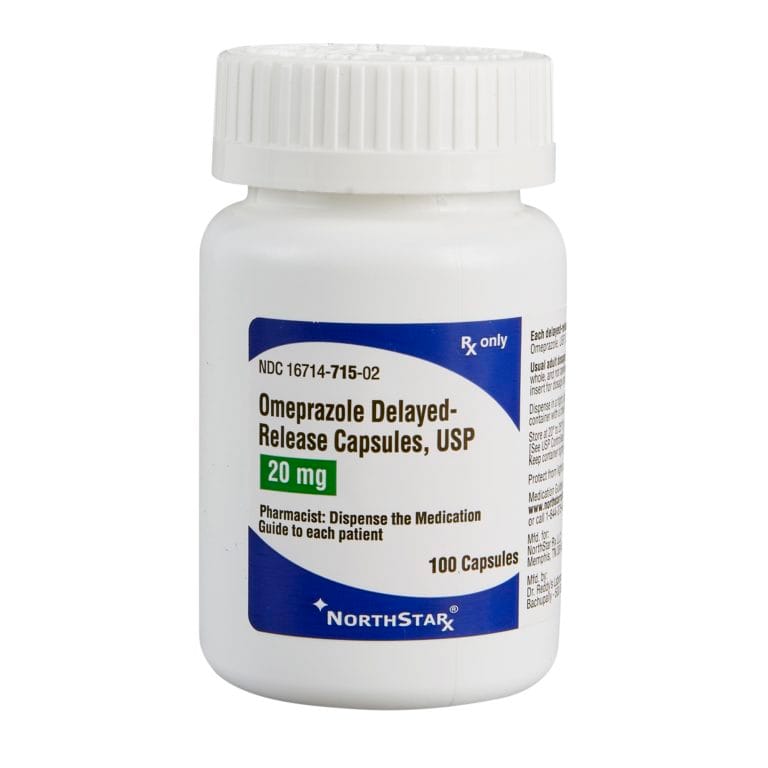
Omeprazole
Omeprazole: Uses, Safety, and 20 mg Forms
Price:
Price range: $41.99 through $106.99
You save


Omeprazole is a proton pump inhibitor (PPI) used to reduce stomach acid. This page explains how omeprazole 20 mg is commonly used, what “delayed-release” means, and key safety points to review with a clinician.
Some patients explore cross-border fulfillment options, including Ships from Canada to US, depending on eligibility and local pharmacy rules.
What Omeprazole Is and How It Works
Omeprazole belongs to a class of medicines called proton pump inhibitors. PPIs reduce acid by blocking the final step of acid production in the stomach lining (the proton pump). Lowering acid can support healing of irritation in the esophagus and reduce symptoms such as heartburn, sour taste, or upper-abdominal discomfort when those symptoms are driven by reflux or excess acid.
Most consumer products are delayed-release, meaning the medicine is protected from stomach acid until it reaches the small intestine, where it can be absorbed. This helps the drug reach circulation and then act on the acid-producing cells. Relief is not always immediate; symptom improvement may build over several days of consistent use. When prescription documentation is required, CanadianInsulin can help confirm prescription details with the prescriber before referral.
Who It’s For
Omeprazole is used for acid-related conditions such as gastroesophageal reflux disease (GERD) and inflammation caused by reflux. For condition-specific context, people often review a hub like Gastroesophageal Reflux Disease alongside their clinician’s plan. It may also be used for more severe disease, such as Erosive Esophagitis, where the lining of the esophagus is damaged by acid exposure.
Depending on the clinical situation, a PPI can be part of care for ulcers, including treatment plans referenced under Peptic Ulcer Disease. Some people with rare high-acid states, such as Zollinger Ellison Syndrome, may also use a PPI under specialist supervision. Omeprazole is not appropriate for everyone; tell a clinician about allergy to PPIs, unexplained weight loss, vomiting blood, black stools, or persistent trouble swallowing, since these can require urgent evaluation rather than acid suppression alone.
Dosage and Usage
Dosing depends on the condition being treated, symptom pattern, and whether the product is prescription or nonprescription in your region. Many regimens use once-daily dosing before a meal, since PPIs work best when proton pumps are active. For some conditions, clinicians may prescribe different schedules or longer courses than nonprescription labeling allows, based on documented need and monitoring.
For OTC labeling in some countries, omeprazole 20 mg is often positioned for short, time-limited heartburn treatment rather than ongoing daily use. Follow the package label for nonprescription products and read the “Drug Facts” or equivalent panel carefully, since directions and warnings can differ by manufacturer. Swallow delayed-release forms whole; crushing or chewing can damage the protective coating and change how the medicine is released.
Quick tip: If a dose is missed, follow the label directions rather than doubling up.
- Timing: often before a meal.
- Form: do not crush delayed-release.
- Duration: align with label or prescriber plan.
- Symptoms: reassess if persistent.
Strengths and Forms
Omeprazole is commonly available as delayed-release capsules or delayed-release tablets. Some products use omeprazole magnesium as the active salt, while others use omeprazole in different formulations; the clinical intent is still acid suppression, but labeling details can vary. In some markets, brand versions (for example, Prilosec OTC) and generic versions are both available, and the key is matching the active ingredient, strength, and release type.
Omeprazole 20 mg may be listed as capsules, tablets, or “DR” (delayed-release) on packaging. Availability can vary by country and pharmacy. If comparing options, confirm whether the product is delayed-release, whether it is intended for short-term OTC use or prescription use, and whether there are special instructions for opening capsules and sprinkling contents on food (only if the specific label allows it).
| Form | Common label wording | Practical note |
|---|---|---|
| Capsule | Delayed-release capsule, DR capsule | Usually swallowed whole |
| Tablet | Delayed-release tablet | Do not crush unless label allows |
| Salt form | Omeprazole magnesium | Check directions and warnings |
Storage and Travel Basics
Store omeprazole at room temperature, away from excess heat and moisture, and keep it in the original container when possible. Bathrooms can be humid, so a dry cabinet outside the bathroom is often a better option. Protect delayed-release products from conditions that can damage the coating, such as high humidity or loose storage in pill organizers if the label recommends keeping it sealed.
For travel, carry medicine in its labeled packaging so directions and identification are available if needed. Keep a current medication list that includes over-the-counter products, vitamins, and herbal supplements, since these can affect safety when combined with acid-suppressing therapy. If you use blister packs, keep tablets in the intact blister until use to reduce moisture exposure and preserve labeling information.
Side Effects and Safety
Many people tolerate PPIs well, but side effects can occur. Common effects may include headache, nausea, abdominal pain, gas, constipation, or diarrhea. Because symptom relief may take time, it is also possible to misread worsening symptoms as “not working,” so ongoing or escalating pain should be discussed with a clinician rather than extending use without review.
With longer-term or higher-intensity acid suppression, clinicians may watch for less common risks such as low magnesium, vitamin B12 deficiency, bone fracture risk in higher-risk patients, or kidney problems. Serious diarrhea can be a sign of infection (including C. difficile) and should be evaluated. If you develop rash, swelling, wheezing, or severe dizziness, treat it as a potential allergic reaction. If omeprazole 20 mg is being used beyond short-term OTC labeling, it is reasonable to ask what monitoring is appropriate for your situation.
Why it matters: New alarm symptoms may need evaluation, not just more acid suppression.
Drug Interactions and Cautions
Omeprazole can affect how certain medicines are absorbed or metabolized. For example, acid reduction can lower absorption of drugs that require an acidic stomach environment, and omeprazole can interact with medicines processed through specific liver enzymes. Provide a complete medication list to your pharmacist or prescriber, including nonprescription heartburn products, since “stacking” therapies can increase side effects without addressing the root cause.
Important interaction examples to review include clopidogrel (an antiplatelet), warfarin (an anticoagulant), certain antifungals, and high-dose methotrexate. The clinical relevance depends on the dose, timing, and your underlying condition. For broader medication-safety context, these resources may be useful: Clopidogrel Stroke Risk, Warfarin Clot Prevention, and Apixaban Nursing Considerations. If omeprazole 20 mg is used with other long-term medicines, confirm whether spacing doses or selecting a different acid reducer is advised.
Compare With Alternatives
Several approaches can be used for heartburn and reflux symptoms, and the best fit depends on diagnosis, severity, and how often symptoms occur. H2 blockers (such as famotidine) reduce acid differently and may be used for intermittent symptoms or nighttime reflux in some care plans. Antacids (such as calcium carbonate) can neutralize existing acid and may help occasional symptoms, but they do not reduce acid production over time.
Other PPIs (such as pantoprazole, lansoprazole, or esomeprazole) are in the same class as omeprazole, but can differ in labeling, interactions, and available dosage forms by market. Non-medication steps may also be part of care, including meal timing, avoiding trigger foods, and elevating the head of the bed, depending on clinician advice. For browsing related treatment areas, some people review Gastrointestinal Products and educational updates within Gastrointestinal Articles. If reflux-like symptoms persist, it can be important to confirm the diagnosis rather than repeatedly switching therapies.
Pricing and Access
Access varies by jurisdiction and by whether the product is sold as prescription-only or nonprescription. Even when a medicine is available OTC, a clinician may recommend evaluation for frequent symptoms, long duration, or alarm features. Coverage rules also vary by plan; some insurers require prior authorization for longer courses, while others cover only certain formulations or strengths.
For people paying out of pocket, the final cost can depend on whether a brand or generic is selected, whether the product is a capsule or tablet, and the package size. If you are comparing options without insurance, confirm that the label matches the intended use and that the product is delayed-release when expected. Dispensing is completed by licensed third-party pharmacies, where permitted. General program information may be listed on the Promotions Information page, but eligibility and availability can change.
If you are also managing cardiovascular risk medicines, ask whether gastrointestinal protection is needed and which acid reducer is preferred in your regimen; a related overview is Prasugrel Uses Dosage. For veterinary-specific product browsing, see Pet Medications, since animal dosing and formulations differ from human use.
Authoritative Sources
For official product labeling and formulation-specific directions, consult this reference: DailyMed listing for omeprazole labeling details.
For patient-friendly safety information and common side effects, consult: MedlinePlus overview of omeprazole use and precautions.
Where permitted, fulfillment logistics may involve prompt, express, cold-chain shipping based on medication requirements.
This content is for informational purposes only and is not a substitute for professional medical advice.
Express Shipping - from $25.00
Shipping with this method takes 3-5 days
Prices:
- Dry-Packed Products $25.00
- Cold-Packed Products $35.00
Standard Shipping - $15.00
Shipping with this method takes 5-10 days
Prices:
- Dry-Packed Products $15.00
- Not available for Cold-Packed products
What is delayed-release omeprazole, and why does it matter?
Delayed-release (DR) omeprazole is formulated with a coating that helps prevent the drug from breaking down in stomach acid. The medicine is released later in the digestive tract so it can be absorbed and then reduce acid production at the stomach’s acid pumps. This matters because chewing, crushing, or opening a DR product incorrectly can damage the coating and change how the dose is delivered. Always follow the specific label instructions for the product you have, since directions can vary by manufacturer and dosage form.
How quickly does omeprazole start working for heartburn?
Omeprazole reduces acid production over time rather than neutralizing acid that is already present. Some people notice improvement within a day, but full symptom control can take several days of consistent use, especially for frequent heartburn. If symptoms are severe, persistent, or associated with alarm features (trouble swallowing, vomiting blood, black stools, unexplained weight loss), evaluation may be needed rather than continuing self-treatment. For nonprescription products, follow the label’s time limits and warning statements.
Is omeprazole 20 mg available over the counter?
In some countries, omeprazole 20 mg is sold as an OTC, delayed-release product for short-term treatment of frequent heartburn, while other regions may require a prescription. Even when it is OTC, labeling often limits how long it should be used without clinician input. Packaging can also differ (capsules vs tablets; omeprazole vs omeprazole magnesium), so it is important to confirm the exact active ingredient and release type. If symptoms recur often, a clinician can help confirm the cause and decide on next steps.
What side effects should I watch for while taking omeprazole?
Common side effects may include headache, nausea, abdominal pain, gas, constipation, or diarrhea. Seek urgent care for signs of a severe allergic reaction (swelling, wheezing, severe dizziness), chest pain that could be cardiac, or vomiting blood or passing black stools. Persistent or severe diarrhea can sometimes signal infection and should be evaluated. With longer-term use, clinicians may consider risks like low magnesium, vitamin B12 deficiency, kidney problems, or certain infections, depending on individual risk factors and duration of therapy.
Can omeprazole interact with blood thinners or antiplatelet medicines?
Omeprazole can interact with some cardiovascular medicines, and the importance of the interaction depends on the specific drug, dose, and your health conditions. For example, omeprazole may reduce activation of clopidogrel in some settings, and it can affect monitoring needs for warfarin in certain patients. Do not stop or change any prescribed heart or stroke-prevention medicine on your own. Instead, provide a complete medication list to your prescriber or pharmacist so they can choose an acid reducer that fits your regimen.
Does omeprazole affect vitamin or mineral levels?
Longer-term acid suppression can, in some people, be associated with low magnesium levels and reduced absorption of vitamin B12, and it may affect calcium balance in higher-risk groups. These issues are not expected for everyone, and risk depends on duration of therapy, dose intensity, diet, and other medical factors. If you are using a PPI beyond short-term OTC labeling, ask whether any lab monitoring is appropriate, especially if you have symptoms like muscle cramps, unusual fatigue, numbness, or heart rhythm concerns.
What should I ask my clinician before starting omeprazole for frequent symptoms?
Helpful questions include: what diagnosis is most likely (reflux, ulcer disease, medication-related irritation, or something else), how long treatment should continue, and what symptoms should trigger reassessment. Ask whether your other medicines create interaction concerns, especially antiplatelets, anticoagulants, antifungals, or high-dose methotrexate. If you have kidney disease, osteoporosis risk, or a history of low magnesium or B12, ask how those factors affect your plan. Also clarify whether a delayed-release product is required and how to take it correctly.
Rewards Program
Earn points on birthdays, product orders, reviews, friend referrals, and more! Enjoy your medication at unparalleled discounts while reaping rewards for every step you take with us.
You can read more about rewards here.
POINT VALUE
How to earn points
- 1Create an account and start earning.
- 2Earn points every time you shop or perform certain actions.
- 3Redeem points for exclusive discounts.
You Might Also Like
Select options
This product has multiple variants. The options may be chosen on the product page
Select options
This product has multiple variants. The options may be chosen on the product page
Select options
This product has multiple variants. The options may be chosen on the product page
Select options
This product has multiple variants. The options may be chosen on the product page
Related Articles
Weight Management
Generic Zepbound: Availability, Status, and Options
Key Takeaways Patients and caregivers often search for generic zepbound when they need a clear answer about availability, labeling, and lower-cost access. The term is common online, but it does…
Type 2 Diabetes,
Oral Wegovy Explained: Facts, Risks, and Access Options
The phrase oral wegovy is best understood as a search term, not a settled product name. Most people use it to mean a pill version of semaglutide for weight management,…
Diabetes, General Health,
Glp-1 Drugs Over The Counter: What’s Real And What’s Not
Key Takeaways Prescription GLP-1 medicines are not sold as true OTC drugs. Many “GLP-1” supplements aim to support fullness, not mimic prescriptions. Online “no prescription” offers raise counterfeit and quality…
Diabetes, Type 2
GLP-1 Cost Without Insurance: Compare Cash-Pay Options
Key Takeaways Many people searching for glp-1 cost without insurance are trying to plan for a long-term expense. The total can change based on the drug, the pharmacy, and how…