
Please note: a valid prescription is required for all prescription medication.
Price Drop
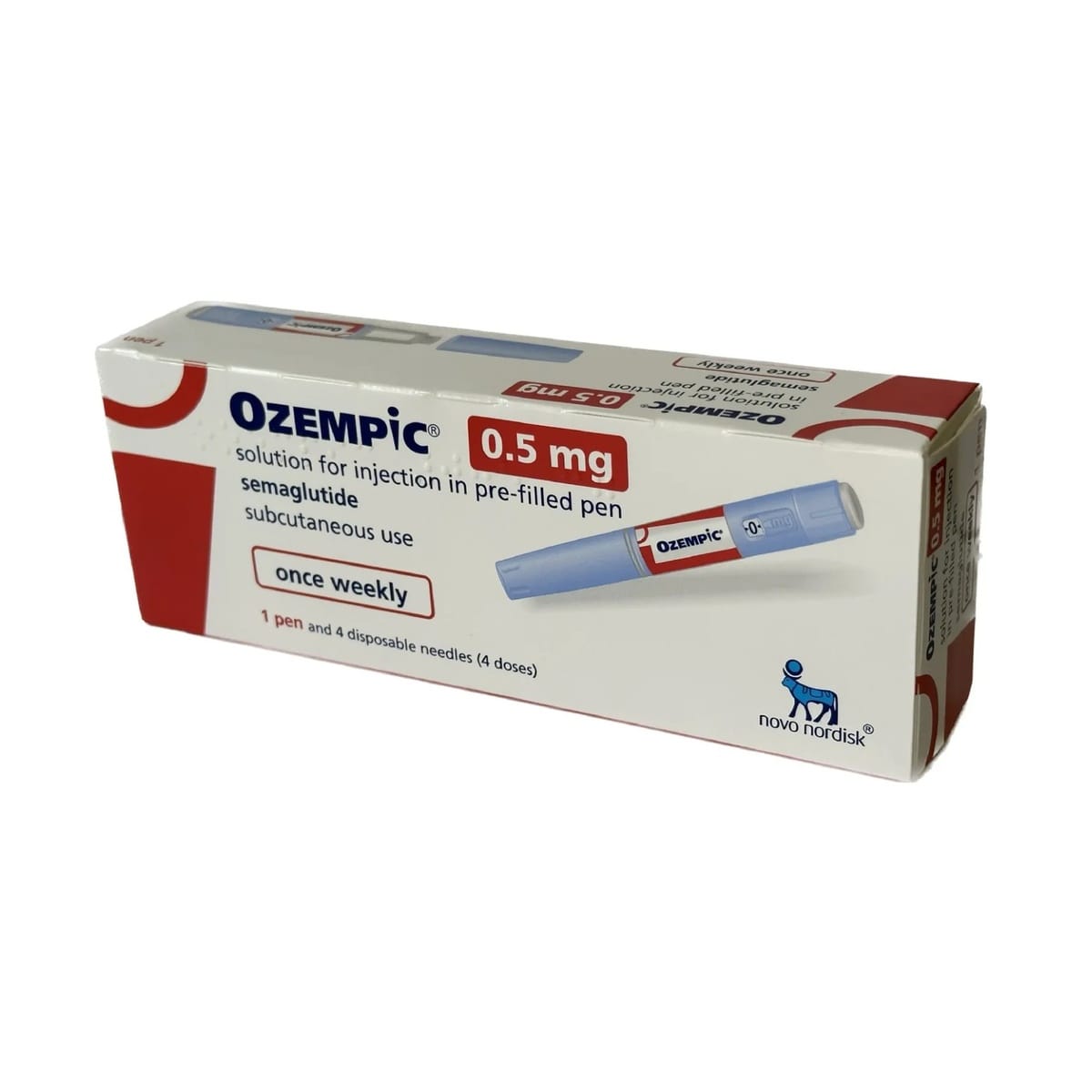
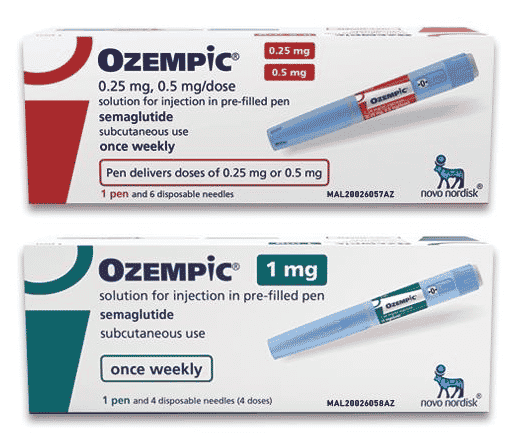
Ozempic
Buy Ozempic Online
Best Price Online, Anywhere


Buy Ozempic online with a valid prescription and compare current listed pricing, available pen presentations, and safety basics before checkout. Review the selected semaglutide pen, quantity, and order details carefully, especially if you are comparing Ozempic online options for US delivery from Canada.
Ozempic is an injectable GLP-1 receptor agonist prescribed for adults with type 2 diabetes. It is not insulin, and it is not approved as a weight-loss medicine, although clinicians may discuss weight-related effects when deciding whether semaglutide is appropriate.
Ozempic Price and Available Options
Current listed pricing gives you a practical starting point for comparing this product. Check the selected pen presentation, listed quantity, and any strength or dose wording shown on the product selector before you compare totals across different listings.
The Ozempic price can look different when the pen contents, prescribed dose marking, or pack count changes. A prefilled pen may contain multiple doses, so the total medicine in the pen is not the same thing as a single weekly injection.
| Listing detail | What to check |
|---|---|
| Current listing | Confirm the displayed product total before checkout. |
| Pen presentation | Match the pen label to the prescribed product. |
| Dose wording | Look for markings such as 0.25 mg, 0.5 mg, or 1 mg when shown. |
| Quantity | Compare pack count and total pens, not only the dose name. |
| Payment route | Cash-pay and coverage paths may affect your final out-of-pocket amount. |
Quick tip: Match the pen label and quantity to the prescription before comparing totals.
Some customers compare Ozempic cost without insurance against the current cash-pay total, while others check how coverage may apply through their own plan. The checkout path may differ by payment method, but the product selection should still follow the prescribed presentation.
How to Buy Ozempic Online
Start by choosing the correct pen listing, then review the product name, dose wording, and quantity before continuing. A valid prescription is required for Ozempic orders, and prescription details may be reviewed with the prescriber when needed.
- Select the pen: Match the displayed presentation to the written prescription.
- Check quantity: Compare the number of pens or packs selected.
- Prepare prescriber details: Keep clinic contact information available if confirmation is needed.
- Review handling: Consider temperature-sensitive delivery needs for injectable medicines.
Customers comparing Ozempic pens US shipping from Canada should use the same product checks they would use for any refrigerated injectable. Do not substitute a different semaglutide product, strength, or device unless the prescriber has written for that specific option.
For temperature-sensitive orders, cold-chain shipping may be used to support product handling during transit. Shipping language does not change how the medicine should be stored after it arrives.
Product Details That Support Your Order
This listing is useful when you need to compare semaglutide pens, review product presentation, and prepare order information in one place. It also helps separate product selection from medical decisions, since dose changes should come from the prescribing clinician rather than from price, stock, or convenience.
If you are comparing products in the same therapeutic class, the GLP-1 Agonists category can help you browse related non-insulin options. Product listings may look similar, but the active ingredient, device, dosing schedule, and approved use can differ.
Why it matters: Similar-looking pens are not automatically interchangeable.
What This Medicine Is Used For
Ozempic contains semaglutide, a glucagon-like peptide-1 receptor agonist that helps regulate blood sugar after meals. It is used with diet and exercise to improve glycemic control in adults with type 2 diabetes.
The medicine can also reduce the risk of major cardiovascular events in adults with type 2 diabetes and established cardiovascular disease, when used according to the approved label. It is not indicated for type 1 diabetes or diabetic ketoacidosis.
People often search for Ozempic for weight loss because appetite and weight changes can occur with GLP-1 therapy. The brand product is approved for type 2 diabetes, not chronic weight management, so any weight-related use should be discussed directly with a licensed clinician.
The Type 2 Diabetes product list can help customers review condition-specific medicines without treating those products as substitutes. Your prescription should identify which product and presentation to order.
Pen Presentations and Strength Details
Ozempic pens are prefilled injection devices for subcutaneous use, meaning the medicine is injected under the skin. The pen format is different from oral semaglutide tablets and different from insulin pens, even though all may be used in diabetes care.
Some prescriptions refer to dose markings such as Ozempic 0.25, Ozempic 0.5, or Ozempic 1mg. Use those terms to match the product selector and label wording, not to choose or adjust a dose on your own.
Pen contents, concentration, and dose delivery are related but not identical. For example, a pen may contain more total semaglutide than one injection, and the number of delivered doses depends on the prescribed dose marking and the specific device.
- Active ingredient: Semaglutide, a GLP-1 receptor agonist.
- Presentation: Prefilled pen for under-the-skin injection.
- Common dose wording: 0.25 mg, 0.5 mg, and 1 mg may appear on prescriptions.
- Device check: Confirm whether needles are included or needed separately.
- Substitution caution: Do not switch between semaglutide products without clinician direction.
If the prescription names Ozempic semaglutide pens, the selected item should match that wording. Oral semaglutide, compounded semaglutide, and other GLP-1 products have different instructions and should not be assumed equivalent.
Storage, Handling, and Travel Basics
Unopened Ozempic pens are typically stored in a refrigerator at 2°C to 8°C. They should not be frozen, placed directly against a freezer pack, or exposed to excessive heat.
After first use, the pen may have different storage rules than an unopened pen. The official label describes room-temperature or refrigerated storage after use, protection from heat and light, and a discard period after first use.
When your order arrives, inspect the package, pen label, and product condition before storing it. If the pen looks damaged, has been frozen, or does not match the prescribed product, contact customer support or a healthcare professional before using it.
- Before first use: Keep refrigerated within the labeled range.
- After first use: Follow the label discard period and storage instructions.
- During travel: Use a temperature-aware plan and avoid freezing.
- Needle safety: Use a new needle for each injection if directed.
- Pen sharing: Never share injection pens, even with a new needle.
Travel plans should account for time outside refrigeration, security screening, sharps disposal, and backup supplies. Keep the prescription label available when carrying injectable medicine away from home.
Safety Checks Before Ordering
Review the most important safety points before ordering Ozempic online. The medicine should not be used by people with a personal or family history of medullary thyroid carcinoma or by people with Multiple Endocrine Neoplasia syndrome type 2.
Common side effects include nausea, vomiting, diarrhea, stomach pain, constipation, and reduced appetite. These effects are often gastrointestinal, but persistent or severe symptoms should be discussed with a clinician.
Serious risks can include pancreatitis, gallbladder problems, kidney injury related to dehydration, allergic reactions, and worsening diabetic retinopathy in some people with diabetes eye disease. Severe abdominal pain, swelling of the face or throat, trouble breathing, or signs of dehydration need prompt medical attention.
Low blood sugar is more likely when semaglutide is used with insulin or sulfonylureas. If your treatment plan includes those medicines, your clinician may give specific monitoring instructions and may adjust other therapy based on your glucose readings.
Ozempic slows stomach emptying, which may affect how some oral medicines are absorbed. Tell the prescribing clinician about all prescription drugs, over-the-counter medicines, supplements, and any planned surgery or procedure requiring anesthesia.
Interactions and Monitoring
Glucose monitoring is especially important when treatment changes, appetite changes, or gastrointestinal symptoms affect eating patterns. Your clinician may also monitor kidney function, eye health, and signs of gallbladder disease based on your history.
Alcohol intake, missed meals, illness, and other diabetes medicines can complicate blood sugar control. Do not change the prescribed dose, skip doses to stretch a pen, or combine GLP-1 therapies unless your clinician specifically instructs you to do so.
Food choices are not a substitute for clinical monitoring, but they may affect tolerability. Ozempic Foods To Avoid can help you prepare practical questions about meals, nausea, and stomach comfort.
Compare With Related Options
Ozempic may be compared with other diabetes medicines when a prescriber is deciding on therapy, but product choice should follow the written prescription. Differences can include active ingredient, route of administration, dosing frequency, device design, and approved indication.
If your prescription is for oral semaglutide rather than an injection, compare Rybelsus Semaglutide Pills. If a different weekly GLP-1 medicine has been prescribed, Trulicity Pens may be a separate option to review.
For a broader discussion of class differences, Ozempic Alternatives can support a clinician conversation. It should not be used to replace a prescribed product at checkout.
Authoritative Sources
Official prescribing information supports labeled use, contraindications, storage, and safety warnings: FDA Ozempic Prescribing Information.
Manufacturer product information provides patient-facing details about the branded semaglutide pen: Ozempic Official Site.
This content is for informational purposes only and is not a substitute for professional medical advice.
Customer Reviews
4.3 Based on 832 Reviews
Write a Review Ask a Question - Reviews
- Questions
Filter Reviews:
CT
05/14/2026
Cathy T.  US
USOzempic Works
Ozempic has been helping curb my appetite for the past year - I've been maintaining my weight loss of 50 lbs.
05/14/2026
CanadianInsulin.com
Hi Cathy! Thank you for trusting Canadian Insulin for your healthcare needs! We’re so pleased to hear that Ozempic has been helping you curb your appetite and support your incredible weight loss journey. Maintaining a 50-pound weight loss is a wonderful achievement, and we’re glad to be part of your continued success. Providing top-quality customer service and ensuring a smooth experience for our customers is always our priority. We truly appreciate your trust and look forward to continuing to support your healthcare needs!
LL
03/17/2026
Leland L. USDependable Source
Always easy to order, timely shipping, good communications.
03/18/2026
CanadianInsulin.com
Hi Leland!Thank you for always choosing Canadian Insulin! We’re thrilled to hear that our ordering process, timely shipping, and communications have made your experience smooth and convenient. Your trust means a lot to us, and we’re committed to continuing to provide reliable service every time.We truly appreciate your support!
MV
03/13/2026
Monica V. USItem was fine, experience with the company terrible
The item is straight forward. But trying to get it through this company took 3 months.
03/16/2026
CanadianInsulin.com
Hi Monica!Thank you for sharing your feedback. We truly appreciate you taking the time to let us know about your experience. We’re glad to hear that the item itself met your expectations. However, we sincerely apologize for the inconvenience caused by the delay in receiving your order. At the time, there were unexpected disruptions related to the implementation of new tariff regulations, which unfortunately affected processing and shipping timelines. While these changes were beyond our control, we completely understand how frustrating it is, and we regret any inconvenience this may have caused. Please know that our team continuously works to improve our processes and minimize delays whenever possible. Your feedback helps us identify areas where we can do better and ensures we provide a smoother experience for our customers moving forward.Thank you for your patience and for choosing Canadian Insulin. We truly appreciate your trust and support.
PT
03/12/2026
Phil T. USPretty Good
The item is as ordered, but shipping is hit or miss. You just can’t depend on getting the medication by a certain date.
03/13/2026
CanadianInsulin.com
Hi Phil!It’s great to hear the item arrived as ordered thanks for sharing your experience! We truly appreciate your honest feedback about the shipping as well. Because medications are shipped internationally and must go through several transit and customs checkpoints, delivery times can occasionally vary. That said, we always work closely with our shipping carriers to get orders out as quickly and smoothly as possible. Your feedback helps us continue improving both our processes and communication around delivery timelines so we can better support customers like you.Thank you for always choosing Canadian Insulin! We truly appreciate your trust and look forward to serving you again.
MA
03/01/2026
Mario A. USCustomer service
Pretty good had a issue but they assured me that it would get resolved and it did very happy with their customer service
03/02/2026
CanadianInsulin.com
Hi Mario!We truly appreciate your patience and understanding when the issue arose. At Canadian Insulin, our top priority is making sure every concern is handled promptly, accurately, and with genuine care. We’re very glad to hear that our team was able to reassure you and follow through on resolving the matter to your satisfaction.Your trust means a great deal to us, and feedback like yours motivates us to continue delivering dependable, compassionate service every step of the way.Thank you for always choosing Canadian Insulin. We look forward to serving you again!
Express Shipping - from $25.00
Shipping with this method takes 3-5 days
Prices:
- Dry-Packed Products $25.00
- Cold-Packed Products $35.00
Standard Shipping - $15.00
Shipping with this method takes 5-10 days
Prices:
- Dry-Packed Products $15.00
- Not available for Cold-Packed products
Is Ozempic a pill or insulin?
Ozempic is not a pill and it is not insulin. It is a prefilled injection pen that contains semaglutide, a GLP-1 receptor agonist used in adults with type 2 diabetes. The medicine is injected under the skin according to the prescribed schedule. Oral semaglutide is sold as a different product, and insulin products have different actions, devices, and safety considerations.
What are common side effects of Ozempic?
Common side effects include nausea, vomiting, diarrhea, constipation, stomach pain, and reduced appetite. Some people also report indigestion or stomach discomfort. Serious symptoms, such as severe abdominal pain, signs of dehydration, allergic swelling, or trouble breathing, need prompt medical attention. People using insulin or sulfonylureas may also need closer blood sugar monitoring because low blood sugar risk can increase.
Can Ozempic be used for weight loss?
Ozempic is approved for adults with type 2 diabetes, not as a chronic weight-management medicine. Weight changes can occur during semaglutide treatment, and clinicians may consider body weight when reviewing diabetes therapy. If weight management is a treatment goal, ask your clinician which approved options are appropriate for your health history, current medicines, and monitoring needs.
What should I ask my clinician before starting Ozempic?
Ask whether Ozempic matches your diagnosis, current diabetes plan, and other medicines. Discuss any history of pancreatitis, gallbladder disease, kidney problems, diabetic eye disease, thyroid cancer, or Multiple Endocrine Neoplasia syndrome type 2. It is also useful to ask how to monitor blood sugar, what side effects need urgent care, and how to handle missed doses or planned procedures.
Why do some people stop GLP-1 medicines?
Some people stop GLP-1 medicines because of nausea, vomiting, diarrhea, appetite changes, or other tolerability issues. Others may stop because their treatment goals, health status, or monitoring results change. Older adults and people taking multiple medicines may need careful review for dehydration, nutrition, and low blood sugar risk. Stopping or restarting should be discussed with a clinician.
Rewards Program
Earn points on birthdays, product orders, reviews, friend referrals, and more! Enjoy your medication at unparalleled discounts while reaping rewards for every step you take with us.
You can read more about rewards here.
POINT VALUE
How to earn points
- 1Create an account and start earning.
- 2Earn points every time you shop or perform certain actions.
- 3Redeem points for exclusive discounts.
You Might Also Like
Select options
This product has multiple variants. The options may be chosen on the product page
Select options
This product has multiple variants. The options may be chosen on the product page
Select options
This product has multiple variants. The options may be chosen on the product page
Select options
This product has multiple variants. The options may be chosen on the product page
Related Articles
Women’s Health
Non Hormonal Contraception: Options, Risks, and Fit
Non hormonal contraception means birth control that prevents pregnancy without using estrogen or progestin. Common options include the copper IUD, condoms, diaphragms, spermicides or contraceptive gels, fertility awareness-based methods, withdrawal,…
Weight Management
Weight Loss With Saxenda: Expectations, Risks, and Next Steps
Weight loss with Saxenda is usually gradual, not dramatic at the start. Saxenda is the brand name for liraglutide, a GLP-1 receptor agonist, which is a medicine class that can…
Type 2 Diabetes,
Semaglutide Weight Loss Medication: Safety, Options, and Expectations
A semaglutide weight loss medication is a GLP-1 receptor agonist (a hormone-mimicking drug that can reduce appetite) used in some settings to support chronic weight management. It changes hunger and…
Diabetes, Weight Management
What Are Sugar Alcohols? Sweeteners, Side Effects, and Facts
If you are asking what are sugar alcohols, the short answer is this: they are sweeteners called polyols that show up in many sugar-free or reduced-sugar foods. They are carbohydrates,…