
Please note: a valid prescription is required for all prescription medication.
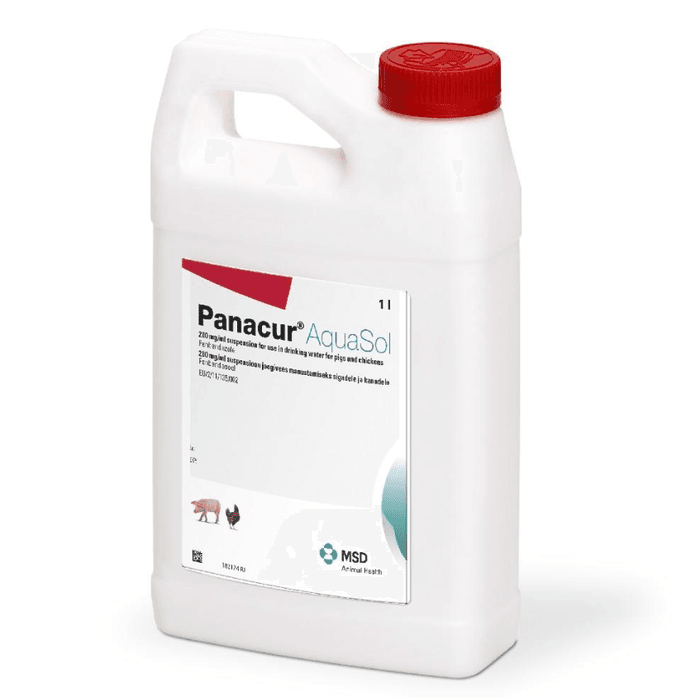
Panacur Aquasol
Panacur Aquasol: Buy for Poultry and Swine Use
Price:
$347.99
You save


Panacur Aquasol is a veterinary oral deworming medicine containing fenbendazole, used in some settings to manage intestinal worm infections in certain animal species. This page explains how it works, what it is typically used for, and practical safety and handling points to review with a veterinarian. Some patients explore US shipping from Canada for veterinary medications, depending on eligibility and jurisdiction.
What Panacur Aquasol Is and How It Works
Panacur Aquasol is a benzimidazole-class anthelmintic (dewormer) with the active ingredient fenbendazole. In susceptible parasites, fenbendazole interferes with microtubule function, which disrupts energy use and other essential cellular processes. The result is reduced parasite viability and eventual clearance, although timing and effectiveness depend on the parasite species, infection burden, and correct administration. CanadianInsulin facilitates prescription referrals and may confirm details with the prescriber.
In flock or herd settings, deworming is only one part of control. Environmental measures such as litter management, sanitation, and limiting re-exposure can help reduce ongoing transmission pressure, and veterinary diagnostic testing may be used to confirm the likely worm type. For background context on common parasites, you can browse the site’s condition hubs on Intestinal Worms In Poultry and related animal health topics within Pet Medications.
Who It’s For
This medicine is generally used under veterinary guidance for animals at risk for, or diagnosed with, certain gastrointestinal parasites. Use cases often involve groups of animals (for example, a poultry flock) where treatment is delivered in a shared system such as drinking water. Whether treatment is appropriate depends on the species involved, the parasite(s) suspected, and local rules for food-producing animals.
Situations where extra caution is needed include animals that are severely ill, dehydrated, or not reliably drinking, because group dosing can lead to under-treatment or uneven exposure. A veterinarian may also advise avoiding use in animals with known hypersensitivity to ingredients, or where other labeled restrictions apply. If your use case includes livestock beyond poultry, the hub on Intestinal Worms In Swine can help you compare common parasite considerations by species.
Dosage and Usage
Follow the product label and veterinary directions for the intended species, because dosing schedules can differ by parasite type and production setting. For group administration, directions often describe how to measure and dilute the solution, how long to make medicated water available, and how to avoid competing water sources during the dosing window. If a prescription is required in your region, instructions should match the prescription and the labeled indication.
Using medicated drinking water in groups
When a treatment is provided through a shared water system, accuracy depends on setup and observation. Water intake varies with temperature, age, and health status, and some animals may drink less than others. Plan for practical steps such as confirming the system is functioning, mixing to the correct concentration, and ensuring the medicated solution remains the only water source during the label-stated period. With Panacur Aquasol, the label and veterinary guidance are the best references for mixing instructions, system compatibility, and the appropriate treatment window.
Quick tip: Before dosing day, verify measuring tools and the water system volume.
After treatment, a veterinarian may recommend follow-up monitoring, especially if clinical signs persist or re-exposure is likely. In food-producing animals, it is also important to follow any label directions about product use during production cycles and any required withdrawal times for meat or eggs, which can vary by jurisdiction and indication.
Strengths and Forms
This product is supplied as an oral solution intended for veterinary use. Concentration, bottle size, and labeling language can vary by market, so it is important to confirm the strength on the container you have in hand rather than relying on third-party descriptions. In practice, the solution format is designed to support measured dosing and dilution for group administration where appropriate.
Panacur Aquasol labeling may also appear under closely related naming conventions in different regions, and instructions may include species-specific directions and restrictions. Check the active ingredient listing (fenbendazole) and the full label directions to confirm the intended species and the route of administration before use.
Storage and Travel Basics
Store veterinary oral solutions according to the label instructions, including any temperature range guidance and protection from excessive heat, freezing, or direct light. Keep the container tightly closed and use clean measuring equipment to reduce contamination risk. If the label includes an in-use period after opening, track the date and discard any remainder as directed.
Why it matters: Poor storage can reduce reliability and increase handling errors.
If Panacur Aquasol needs to be moved between sites, transport it in a way that prevents spills and avoids temperature extremes. Keep it separate from feed and human food items, and store it out of reach of children and non-target animals. For general medication-handling concepts (even though devices differ), the guide Insulin Pen Vs Syringe explains why consistent technique and clear labeling reduce avoidable mistakes.
Side Effects and Safety
Side effects with fenbendazole can include mild, short-lived gastrointestinal upset (such as reduced appetite or loose droppings) in some animals, though individual responses vary. In group-treated settings, it can be harder to attribute changes to the medicine versus stress, diet shifts, or the underlying parasite burden. Watch for changes in intake, activity, and stool consistency during and after the dosing period.
Seek veterinary advice promptly if there are signs of a severe reaction, such as marked lethargy, breathing difficulty, collapse, or swelling that could suggest an allergic response. Avoid re-dosing or extending a course without veterinary guidance, because under-treatment and repeated exposure can contribute to resistance concerns over time. For a general framework on what “common versus serious” side effects look like in medicine education, Xultophy Side Effects outlines symptom triage principles that can be adapted to veterinary monitoring discussions.
Drug Interactions and Cautions
Interaction risk depends on what else is being used at the same time, including other dewormers, antibiotics, supplements, and any water additives. Mixing multiple products in a shared water system can create compatibility issues, affect palatability, or change how reliably animals drink, which can reduce dosing consistency. A veterinarian can help review the full medication and supplement list and advise on spacing or temporary pauses when appropriate.
Caution is also reasonable in animals with significant concurrent illness, because dehydration, reduced drinking, or metabolic stress can change how well group dosing works. Keep written records of product name, batch/lot where available, dates, and observed response, especially in production settings. For a plain-language explanation of why medication list review matters, see Common Diabetes Medications, which discusses interaction checks and monitoring habits in a structured way.
Compare With Alternatives
Fenbendazole is one of several anthelmintics used in veterinary medicine, and the best choice depends on the parasite species, animal type, and local labeling rules. Alternatives your veterinarian may discuss can include other drug classes (for example, products based on levamisole or piperazine in some regions) or targeted treatment strategies based on fecal testing. The goal is to match the treatment to the most likely parasite and to reduce unnecessary exposure.
Non-drug measures also matter, especially for recurrence risk. Management steps can include rotation of housing areas where feasible, hygiene practices, and reducing crowding that increases parasite spread. When resistance is suspected, a veterinarian may recommend diagnostics and a plan that avoids repeated use of a single class without evidence of ongoing susceptibility.
Pricing and Access
Access depends on how the product is regulated where you live, the intended animal species, and whether a veterinary prescription is required. Documentation needs can also vary for food-producing animals, including confirmation of species, production stage, and appropriate use restrictions. Dispensing is performed by licensed partner pharmacies where regulations allow.
Out-of-pocket considerations can include package size, how treatment is planned for a flock or herd, and whether follow-up testing is needed to confirm parasite clearance. Coverage is uncommon for many veterinary medicines, so some people compare cash-pay options and budgeting approaches across their household health needs. The resources Cut Insulin Costs and Expert Shares 7 Tips describe general strategies for organizing medication expenses and documentation, even though the examples focus on human prescriptions.
If a prescription is needed, the prescriber’s directions should align with the label and the animals being treated, and it may help to keep dosing notes for your records. Cross-border fulfillment may be considered based on jurisdiction and eligibility. Panacur Aquasol availability can change by region, so confirm the specific presentation and label directions at the time of dispensing.
Authoritative Sources
For a veterinary drug overview, see Merck Veterinary Manual: Fenbendazole.
For regulatory context on veterinary medicines, consult European Medicines Agency veterinary regulatory information.
Depending on handling requirements and jurisdiction, delivery may use prompt, express, cold-chain shipping.
This content is for informational purposes only and is not a substitute for professional medical advice.
Express Shipping - from $25.00
Shipping with this method takes 3-5 days
Prices:
- Dry-Packed Products $25.00
- Cold-Packed Products $35.00
Standard Shipping - $15.00
Shipping with this method takes 5-10 days
Prices:
- Dry-Packed Products $15.00
- Not available for Cold-Packed products
What is Panacur Aquasol used for?
Panacur Aquasol is a veterinary deworming medicine containing fenbendazole. It is used in some settings to help manage certain intestinal worm infections in animals such as poultry, depending on the labeled indication in your region. Because parasite species and local approvals vary, the safest approach is to confirm the target species and use instructions on the product label and with a veterinarian. Good parasite control often also includes hygiene and management steps to reduce reinfection pressure.
How does fenbendazole work against intestinal worms?
Fenbendazole is in the benzimidazole class of anthelmintics. In susceptible parasites, it disrupts microtubule function, which interferes with essential cellular processes and energy use. Over time, this reduces the worm’s ability to survive and reproduce, supporting clearance when dosing is correct and the parasite is sensitive. The overall response depends on the worm species and the degree of exposure, which is why diagnosis and label-aligned use matter.
How is it typically administered in a flock setting?
In group settings, fenbendazole solutions are often administered through a measured amount of drinking water for a specified period, following label directions. The key practical issue is consistent intake: animals drink different amounts based on heat, age, and health status. A veterinarian may advise steps such as removing alternative water sources during the dosing window, confirming the water system volume, and monitoring that animals are drinking normally. Avoid mixing other additives unless compatibility is confirmed.
What side effects should be monitored during treatment?
Side effects can vary, but mild digestive upset or reduced appetite may occur in some animals. In flocks or herds, monitor overall feed and water intake, activity levels, and stool or droppings for notable changes. Contact a veterinarian promptly if there are signs of a severe reaction such as marked weakness, breathing difficulty, collapse, or swelling that could suggest an allergy. Also seek advice if symptoms continue after treatment, since persistent signs may indicate reinfection or an incorrect diagnosis.
Can it be used in laying hens or food-producing animals?
Use in food-producing animals depends on the specific label in your country and the production stage of the animals. Labels may include restrictions, withholding instructions, or withdrawal times for meat and eggs that must be followed to keep food products compliant. Because these requirements can differ by region and indication, confirm the current label and review it with a veterinarian before treating laying hens, broilers, or other livestock intended for human consumption.
What should I ask my veterinarian before starting treatment?
Ask which parasites are most likely in your setting and whether testing is recommended before or after treatment. Confirm the intended species, dosing approach, and what to do if some animals are not drinking or are already ill. It is also important to review other medications, supplements, and water additives to reduce interaction or palatability issues. If animals are used for food, ask about label restrictions and any required withdrawal times, plus record-keeping practices for your operation.
Rewards Program
Earn points on birthdays, product orders, reviews, friend referrals, and more! Enjoy your medication at unparalleled discounts while reaping rewards for every step you take with us.
You can read more about rewards here.
POINT VALUE
How to earn points
- 1Create an account and start earning.
- 2Earn points every time you shop or perform certain actions.
- 3Redeem points for exclusive discounts.
You Might Also Like
Select options
This product has multiple variants. The options may be chosen on the product page
Select options
This product has multiple variants. The options may be chosen on the product page
Timolol Maleate Ophthalmic Solution
Price range: $38.99 through $42.99
You save
- In Stock
- Express Shipping
Select options
This product has multiple variants. The options may be chosen on the product page
Select options
This product has multiple variants. The options may be chosen on the product page
Related Articles
Type 2 Diabetes,
Generic Ozempic Explained for Patients and Caregivers
Key Takeaways People searching generic ozempic are usually trying to confirm whether a lower-cost semaglutide option is a true approved equivalent, a compounded product, or a different diabetes medicine. Separate…
Uncategorized
Rybelsus Generic: A Patient Guide to Current Options
Key TakeawaysMany people searching for rybelsus generic are trying to answer one practical question: is there a true lower-cost equivalent tablet, or only the brand product and look-alike alternatives?Brand and…
Type 2 Diabetes,
Generic Liraglutide For Weight Loss: A Practical Guide
People searching for generic liraglutide for weight loss usually want clear answers on three points: whether an approved lower-cost version exists, how it differs from brand-name products, and what access…
Type 2 Diabetes,
Liraglutide Vs Semaglutide Comparison Guide For Patients
Key Takeaways People searching liraglutide vs semaglutide usually want a practical comparison, not a slogan. The most useful differences involve formulation, schedule, approved uses, side effect patterns, and the paperwork…