
Please note: a valid prescription is required for all prescription medication.
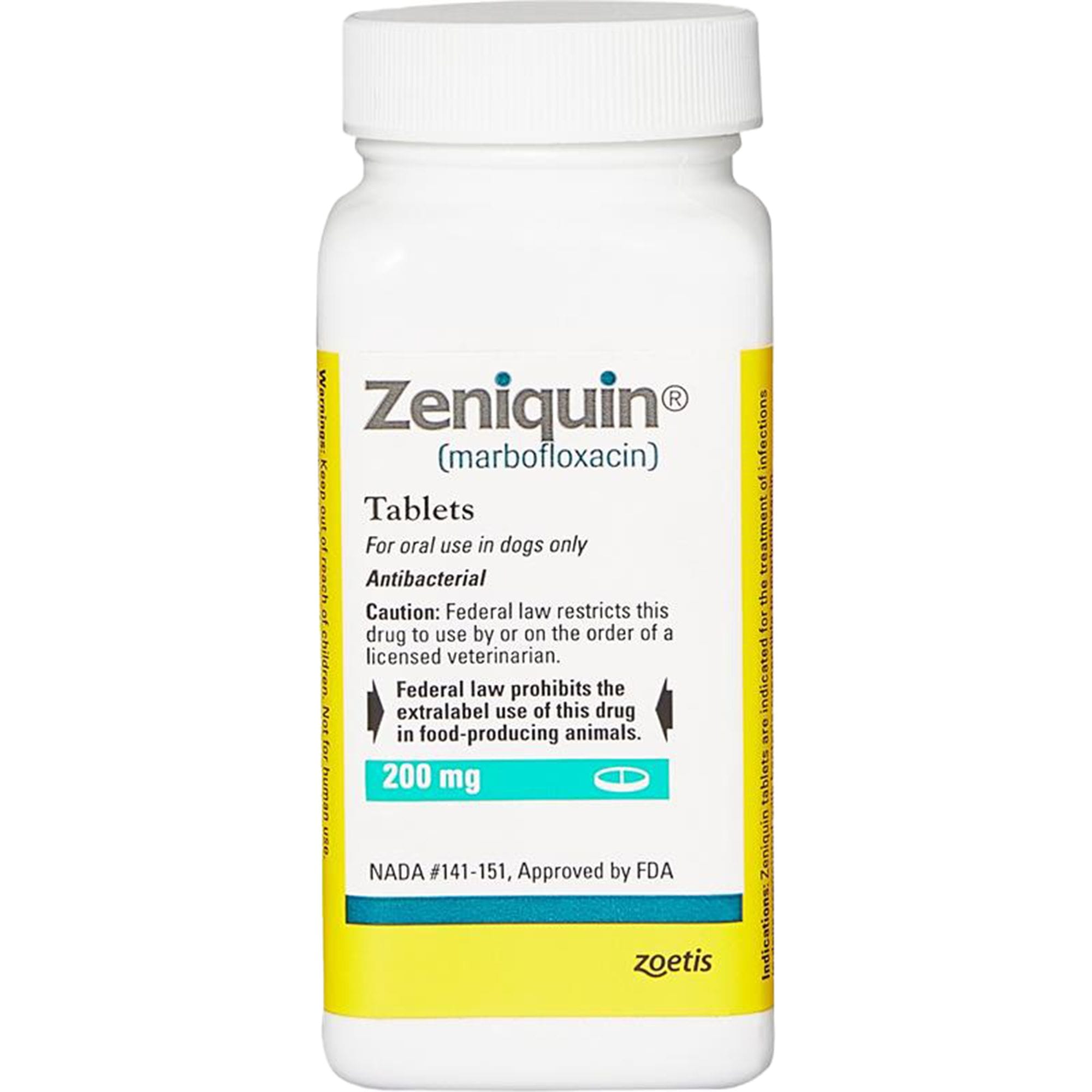
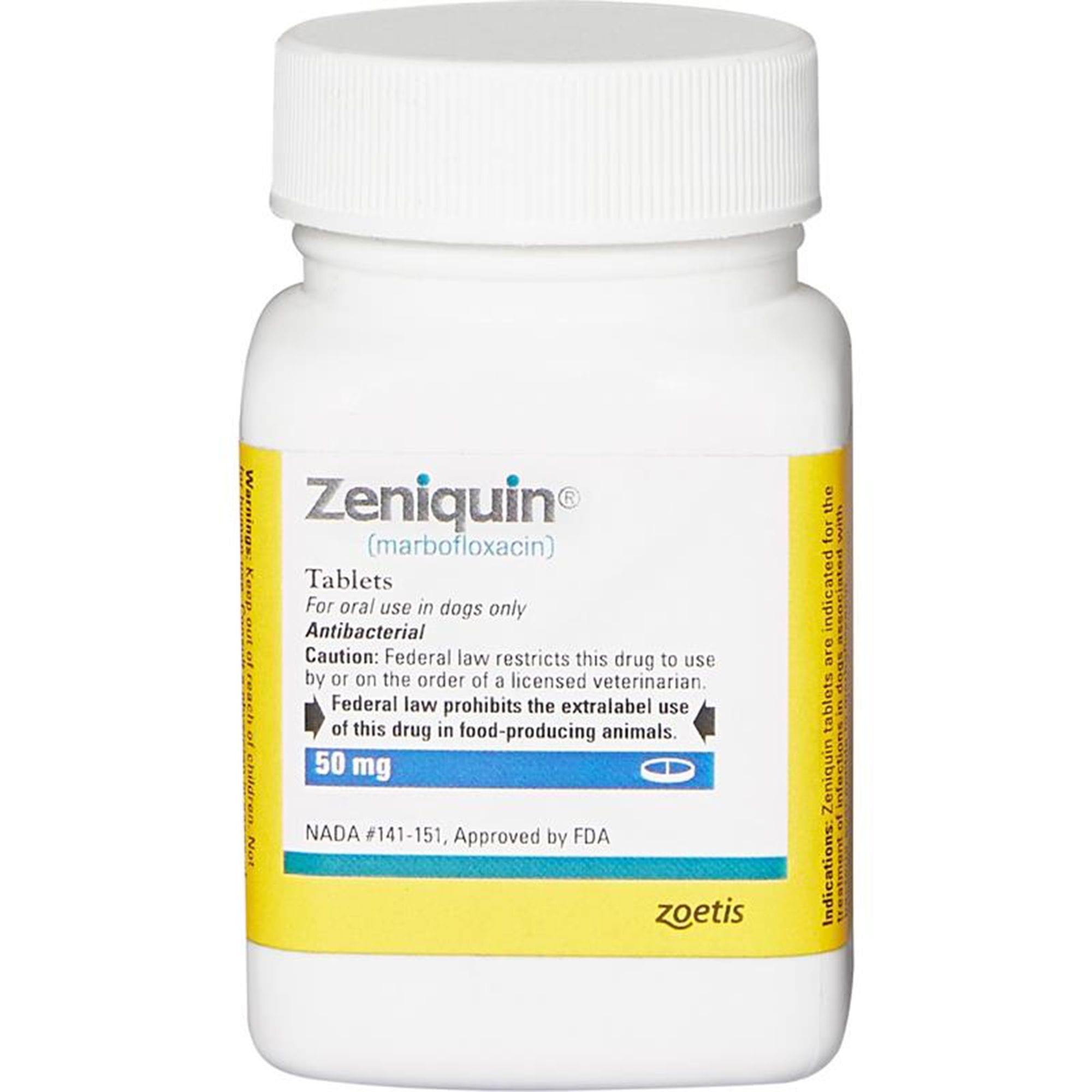
Zeniquin
Buy Zeniquin Tablets Online


Zeniquin is a veterinary antibiotic tablet containing marbofloxacin, a fluoroquinolone medicine used for susceptible bacterial infections in dogs and cats. You can buy Zeniquin online, view the current Zeniquin price, and choose the tablet strength and quantity shown during ordering. Match the strength, tablet count, and directions to the instructions your veterinarian provided for the specific pet.
Marbofloxacin tablets are used only when the infection is expected to respond to this antibiotic class. Zeniquin is not a general-purpose pet medicine, and it should not be shared between animals or saved for a later illness. US delivery from Canada may be part of the service context for qualifying orders, so keep the clinic directions and pet information ready when placing an order.
Zeniquin Price, Strengths, and Tablet Quantity
The Zeniquin cost depends on the tablet strength, quantity, and order total shown during checkout. Strength searches commonly include Zeniquin 25 mg tablets and Zeniquin 100 mg tablets, but the correct choice is the strength your veterinarian directed for the animal. A higher milligram strength does not mean a stronger or better treatment plan; it may simply be a different tablet size chosen for a specific pet.
When comparing marbofloxacin price details, look at the total number of tablets, the strength per tablet, and the final total before payment. Cash-pay pet medication expenses can vary because animal drug coverage is not always handled like human insurance benefits. The clearest out-of-pocket number is the total displayed for the exact strength and quantity you place in the cart.
| Detail | How it affects your order |
|---|---|
| Tablet strength | Should match the milligram strength on the veterinary directions. |
| Total quantity | Changes the order total and the number of tablets supplied. |
| Active ingredient | Zeniquin contains marbofloxacin. |
| Pet species | Dogs and cats may receive different instructions from the clinic. |
| Final checkout total | Shows the practical cash-pay amount for the chosen order. |
Quick tip: Confirm the strength and tablet count before completing payment.
How to Order Zeniquin Online
To order Zeniquin online, choose the tablet strength shown for the product, enter the needed quantity, and provide the pet and clinic details requested during checkout. The order should match the medicine name, active ingredient, strength, and treatment directions from the veterinary clinic. If the label, strength, or tablet count does not match the clinic’s instructions, ask the clinic for clarification before giving the medicine.
We may review order details when additional confirmation is needed. This helps reduce mistakes between brand names, generic names, tablet strengths, and pet-specific directions. Keep the animal’s name, species, weight information, and clinic contact details available so the order can be checked efficiently if a question comes up.
US shipping from Canada may be available for Zeniquin orders when the order pathway supports it. Review the shipping address, tablet quantity, and pet information carefully before payment. For broader browsing in the same store area, the Pet Medications category can help separate animal medicines from human-use products.
What Zeniquin Treats in Dogs and Cats
Zeniquin for dogs and Zeniquin for cats may be used for bacterial infections caused by organisms that are susceptible to marbofloxacin. Official labeling describes marbofloxacin use for certain skin and soft tissue infections in dogs and cats, and for urinary tract infections in dogs. Your veterinarian may consider the infection site, examination findings, culture results, prior antibiotic exposure, and the animal’s health history before choosing this medicine.
There is no single antibiotic that is best for every dog or cat infection. A fluoroquinolone such as marbofloxacin may be selected when its activity fits the suspected bacteria and treatment goal. Using the wrong antibiotic, stopping too early, or giving leftover tablets can contribute to poor response and antimicrobial resistance.
Related condition areas can help you organize veterinary topics while keeping the final medicine choice with the clinic. Examples include canine skin infection, canine urinary tract infection, feline skin infection, and feline urinary tract infection. These sections are useful for context, but they do not diagnose the pet or replace veterinary instructions.
Active Ingredient and Tablet Selection
Zeniquin is the brand name for marbofloxacin. Marbofloxacin belongs to the fluoroquinolone antibiotic class, which works by interfering with bacterial enzymes needed for DNA replication. In plain language, it helps stop susceptible bacteria from multiplying when the organism is sensitive to the drug.
Tablet medicines are often easier to identify than liquids because the milligram strength is printed on the label or packaging. That does not make the choice automatic. The right marbofloxacin tablet depends on the veterinarian’s directions for the individual pet, including the diagnosed or suspected infection, the animal’s size, age, and other health considerations.
If the clinic wrote marbofloxacin instead of Zeniquin, match the active ingredient and tablet form carefully. Brand and generic naming can differ by market and supplier, but the active ingredient is the key identity point. Do not substitute a different antibiotic class because the name looks similar or the price seems lower.
Do not split, crush, or mix tablets with food unless the clinic has approved that method. Changing how an oral antibiotic is given can affect swallowing, palatability, or the amount the animal actually receives. If a pet is difficult to medicate, ask the clinic for practical administration guidance instead of changing the tablet on your own.
Storage, Handling, and Travel
Store Zeniquin tablets according to the package label. Keep tablets in the original container when possible so the label, strength, lot details, and directions stay with the medicine. Protect the container from moisture, excessive heat, children, and other animals.
When the package arrives, compare the medicine name, strength, and quantity against the order confirmation and clinic directions before giving any dose. If the container, blister, or label appears damaged or inconsistent, set the medicine aside and ask for help before using it. A short check at receipt can prevent avoidable mix-ups.
For travel, boarding, or pet-sitting, keep the labeled container with the animal’s medication instructions. Avoid combining Zeniquin with other medicines in an unlabeled organizer unless the clinic has approved the plan and the container remains clearly identified. If respiratory or urinary signs are part of the pet’s illness, related categories such as canine respiratory infection and feline respiratory infection may help you keep records and symptoms organized for follow-up conversations.
Side Effects, Warnings, and Monitoring
Marbofloxacin can cause side effects, although not every pet experiences them. Reported effects may include vomiting, decreased appetite, diarrhea, reduced activity, or behavior changes. Mild stomach upset can occur with oral antibiotics, but persistent, severe, or worsening symptoms should be discussed with a veterinarian.
Serious reactions need prompt veterinary attention. Watch for facial swelling, hives, trouble breathing, collapse, severe lethargy, tremors, seizures, bloody diarrhea, or signs of significant pain. Pets with a history of seizures or central nervous system disorders may need extra caution because fluoroquinolones can affect neurologic activity in some animals.
Fluoroquinolone antibiotics are generally used carefully in young, growing animals because this drug class has been associated with cartilage effects in certain juvenile animals. Breeding, pregnant, or nursing pets may also need individualized risk-benefit review by the veterinarian. Tell the clinic about age, pregnancy status, chronic disease, and prior reactions to quinolone antibiotics.
- Digestive changes: track vomiting, diarrhea, appetite, and water intake.
- Neurologic history: report seizures, tremors, disorientation, or unusual behavior.
- Growth stage: ask about use in puppies, kittens, or other young animals.
- Allergy history: mention past reactions to marbofloxacin, enrofloxacin, or related antibiotics.
- Condition response: note whether skin, urinary, respiratory, or wound signs are improving.
Why it matters: Safety details help the veterinarian decide whether Zeniquin remains appropriate for that pet.
Interactions and Follow-Up Questions
Give the veterinarian a complete list of the pet’s medicines, supplements, chews, and over-the-counter products before starting marbofloxacin tablets. Minerals and binding agents such as iron, zinc, calcium, antacids, or sucralfate may interfere with absorption of some fluoroquinolones. The clinic can decide whether spacing doses or changing the plan is needed.
Other medicines may also matter, including anti-inflammatory drugs, theophylline, cyclosporine, or products that affect the nervous system. Do not add, stop, or combine medications without veterinary guidance. Even supplements, dental products, and fortified foods can be relevant when an animal is taking an antibiotic.
Monitoring should include both tolerance and infection response. Depending on the infection, the clinic may want updates about skin lesions, wound drainage, urinary accidents, straining, fever, cough, appetite, or energy level. Improvement timing varies by infection site and the animal’s overall health, so follow the clinic’s schedule rather than assuming a fixed timeline.
If a dose is missed, ask the clinic or pharmacist how to proceed instead of doubling the next amount. Finish the course as directed unless the veterinarian changes the plan. If signs worsen or fail to improve as expected, the clinic may consider culture testing, a different antibiotic, or additional treatment.
Comparing Related Pet Antibiotic Choices
Zeniquin marbofloxacin is one veterinary antibiotic option, not a substitute for every infection. Similar product names can hide important differences in active ingredient, species use, dose strength, and antibiotic class. Start by matching the exact medicine name or active ingredient from the clinic, then confirm tablet strength and directions.
Baytril contains enrofloxacin, another fluoroquinolone used in selected veterinary infections. It should not be interchanged with marbofloxacin unless the veterinarian changes the plan. Broader category browsing through Infectious Disease can help you keep antibiotic and infection-related products grouped while you verify the correct medicine.
For non-product reading, the Infectious Disease articles category may provide background on infection topics. Use educational material to prepare better questions for the clinic, not to choose an antibiotic without a diagnosis. The safest product is the one selected for the pet’s confirmed or suspected bacterial infection.
Authoritative Sources
Official labeling for Zeniquin is available through DailyMed Zeniquin label. The label includes the active ingredient, labeled indications, precautions, contraindications, and adverse reaction information for marbofloxacin tablets.
Use official labeling together with the veterinarian’s directions. Labels describe medicine information for animal populations, while the clinic’s plan reflects the individual pet, infection site, history, and recent test results.
This content is for informational purposes only and is not a substitute for professional medical advice.
Express Shipping - from $29.99
Shipping with this method takes 3-5 days
Prices:
- Dry-Packed Products $29.99
- Cold-Packed Products $39.99
Standard Shipping - $19.99
Shipping with this method takes 5-10 days
Prices:
- Dry-Packed Products $19.99
- Not available for Cold-Packed products
What is Zeniquin used for in pets?
Zeniquin contains marbofloxacin, a veterinary fluoroquinolone antibiotic. Labeling describes use for certain susceptible skin and soft tissue infections in dogs and cats, and urinary tract infections in dogs. A veterinarian should decide whether the infection is likely to respond to marbofloxacin.
Is Zeniquin the same as marbofloxacin?
Zeniquin is a brand name for marbofloxacin tablets. If the clinic uses the generic name, match the active ingredient, tablet form, strength, and directions before giving the medicine to your pet.
What affects the Zeniquin price?
The Zeniquin price can vary by tablet strength, total quantity, and checkout total. Compare the strength and tablet count against the veterinarian’s directions rather than choosing by cost alone.
Can Zeniquin be used for both dogs and cats?
Zeniquin may be used in dogs or cats when a veterinarian determines that marbofloxacin is appropriate. Dogs and cats can have different instructions, safety considerations, and infection patterns, so do not share tablets between pets.
What side effects should I watch for with Zeniquin?
Possible side effects include vomiting, diarrhea, decreased appetite, reduced activity, or behavior changes. Seek veterinary help promptly for swelling, hives, trouble breathing, collapse, tremors, seizures, bloody diarrhea, severe lethargy, or worsening illness.
Can other medicines interact with marbofloxacin tablets?
Yes. Minerals and binding agents such as iron, zinc, calcium, antacids, or sucralfate may affect absorption of some fluoroquinolones. Tell the veterinarian about all medicines, supplements, chews, and over-the-counter products your pet receives.
Rewards Program
Earn points on birthdays, product orders, reviews, friend referrals, and more! Enjoy your medication at unparalleled discounts while reaping rewards for every step you take with us.
You can read more about rewards here.
POINT VALUE
How to earn points
- 1Create an account and start earning.
- 2Earn points every time you shop or perform certain actions.
- 3Redeem points for exclusive discounts.
You Might Also Like
Select options
This product has multiple variants. The options may be chosen on the product page
Select options
This product has multiple variants. The options may be chosen on the product page
Select options
This product has multiple variants. The options may be chosen on the product page
Select options
This product has multiple variants. The options may be chosen on the product page