
Please note: a valid prescription is required for all prescription medication.
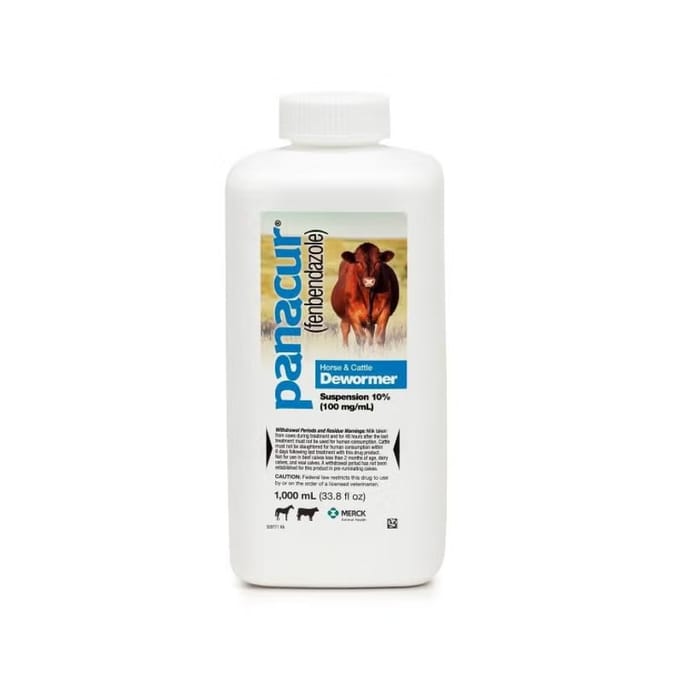
Panacur Suspension
Panacur Suspension Uses and Safety Overview
Price:
$245.99
You save


Panacur Suspension is a veterinary oral liquid that contains fenbendazole, a deworming medicine. It is used to treat certain intestinal parasites in pets when a veterinarian prescribes it. This page explains typical uses, dosing basics, safety, storage, and practical handling points.
What Panacur Suspension Is and How It Works
Fenbendazole is an anthelmintic (dewormer) in the benzimidazole drug class. It works by disrupting internal structures in susceptible parasites, which can stop them from surviving and reproducing in the intestine. CanadianInsulin is a prescription referral service and may verify details with the prescriber. Some patients explore Ships from Canada to US fulfilment when local veterinary supply is limited, but product eligibility can differ by jurisdiction.
This medicine is used in veterinary care to address certain gastrointestinal parasite infections, often after a fecal test (stool exam) or when a veterinarian suspects exposure. Fenbendazole products are sometimes chosen because they can be dosed as a liquid, which may be easier for small animals than tablets. Pet Medications is a useful hub for browsing related veterinary items by category, especially when comparing parasite-control approaches. Dispensing is completed by licensed third-party pharmacies when permitted.
Who It’s For
Panacur Suspension may be prescribed for dogs and other companion animals to treat intestinal parasites that are susceptible to fenbendazole, based on the product label and the veterinarian’s diagnosis. Common targets can include roundworms and hookworms, and some products include additional label claims. Because parasite species vary by region and host, vets often pair treatment decisions with a fecal test and a discussion of exposure risk, household pets, and sanitation.
Condition hubs can help you understand the broad categories involved, such as Pet Roundworm Infection, Pet Hookworm Infection, and Pet Whipworm Infection. In some cases, a veterinarian may also treat protozoal infections like Giardia; see Pet Giardiasis for background. Not every dewormer covers tapeworms, and tapeworm treatment is often different; Pet Tapeworm Infection provides context for that category. Do not use this medicine in an animal with a known allergy to fenbendazole, and ask a veterinarian about use in very young, debilitated, pregnant, or nursing animals.
Dosage and Usage
Deworming schedules depend on the parasite being treated, the animal’s weight, and the specific product directions. Panacur Suspension is commonly given by mouth for a set number of days, and some situations require follow-up testing or repeat treatment based on veterinary advice. Because dosing is weight-based and liquid concentrations can differ, the label and the veterinarian’s written directions are the safest reference points for how many milliliters to give and for how long.
Why it matters: Measuring the correct mL amount supports safe exposure and clearer follow-up decisions.
General administration steps often include:
- Shake the bottle well before dosing.
- Measure with an oral syringe.
- Give with food if advised.
- Finish the full course as directed.
- Clean up feces promptly afterward.
- Schedule recheck testing if recommended.
If a dose is missed, contact the prescribing veterinary clinic for guidance rather than doubling the next dose. If vomiting occurs soon after dosing, or if the pet refuses food during treatment, document what happened and inform the clinic. Avoid changing the plan on your own, since “catch-up” dosing can increase side effects without improving outcomes.
Strengths and Forms
Panacur Suspension is supplied as an oral liquid intended for measured dosing in milliliters. The exact concentration (for example, mg per mL) and bottle size can vary by country, manufacturer, and listing, so it is important to confirm what is printed on the package and what the prescription specifies. If the prescribing instructions are written for a different concentration than what you received, pause and ask the veterinary clinic to reconcile the directions before giving a dose.
Fenbendazole may also appear in other veterinary presentations, and availability may differ across pharmacies:
| Form | Practical notes |
|---|---|
| Oral suspension or liquid | Useful when small dose volumes are needed. |
| Oral granules or powder | May be mixed with food; uniform mixing matters. |
| Oral paste | Sometimes used for certain animals; dosing tools differ. |
When discussing options with a veterinarian, it can help to clarify the goal (treating a confirmed parasite vs. preventive deworming), the household exposure risk, and whether follow-up fecal testing is planned.
Storage and Travel Basics
Follow the storage instructions printed on the package, since stability can vary by formulation. Many oral suspensions are kept at controlled room temperature and protected from extreme heat, and some products should not be frozen. Keep the cap tightly closed, store the bottle upright when possible, and keep the medication in the original container so the label directions remain available.
Quick tip: Keep a dedicated, marked oral syringe with the bottle.
For travel, plan ahead for dosing times and safe storage. Keep the medicine out of direct sunlight in a secure bag, and prevent access by children or other pets. Do not transfer the liquid into unlabelled containers, since that increases the risk of dosing errors and accidental exposure. If you have questions about traveling across borders with a veterinary prescription, check the destination rules and carry documentation from the prescriber.
Side Effects and Safety
Like other dewormers, Panacur Suspension can cause gastrointestinal side effects in some animals. Vomiting, soft stool or diarrhea, reduced appetite, and mild lethargy are commonly discussed with fenbendazole-class medicines. Some pets may also have temporary changes in stool as parasites die and are passed. Side effects are more likely to be confusing when an animal is already ill, dehydrated, or heavily parasitized, so close observation during treatment is important.
Contact a veterinarian promptly if any severe or persistent symptoms occur, such as repeated vomiting, severe diarrhea, refusal of water, collapse, facial swelling, hives, or breathing difficulty. Those may signal dehydration or a serious allergic-type reaction. Also report unusual bruising, extreme weakness, or other unexpected changes, especially if the pet is taking multiple medications or has chronic disease. A clinic may advise an exam, fecal retesting, or supportive care depending on findings.
Drug Interactions and Cautions
Fenbendazole is not known for a large number of routine drug interactions in typical companion-animal use, but every pet’s medication list is different. Provide the veterinarian with a complete list of prescription drugs, preventives, supplements, and any recent dewormers. This is especially important for animals with liver disease, those receiving chemotherapy or immunosuppressive medicines, and pets with a history of drug sensitivity.
Additional cautions to discuss with a veterinary professional include:
- Recent use of other dewormers.
- Concurrent parasite preventives.
- Pregnancy or nursing status.
- Very young or underweight pets.
- Severe diarrhea or dehydration.
- Multi-pet household exposure.
Because intestinal parasite infections can spread to other animals and sometimes people, hygiene measures matter. Handwashing after handling feces, routine cleaning of litter areas, and prompt feces disposal can reduce reinfection risk. A veterinarian may recommend fecal testing for other pets in the home, depending on exposure history.
Compare With Alternatives
Veterinary parasite control is usually matched to the organism involved and the pet’s overall health. Fenbendazole is one option for certain intestinal worms, but other medicines may be preferred based on the parasite species and where it lives in the body. For example, tapeworm infections often require a different drug class; the overview in Droncit For Cats And Dogs explains why praziquantel is commonly discussed for that purpose.
Other options your veterinarian may consider include combination dewormers and monthly preventives with intestinal parasite coverage. Product examples on the site include Drontal Plus and Interceptor Plus, which may cover a different spectrum of parasites and may use different active ingredients. Topical products (such as those used in cats for certain worms) can also be discussed, particularly when oral dosing is difficult. The best comparison is usually “parasite targeted + formulation + safety profile,” rather than a single best product across all cases.
Pricing and Access
Access to Panacur Suspension can depend on local veterinary prescribing rules, the specific formulation requested, and whether the pharmacy is permitted to dispense to your location. Documentation matters for accuracy, including the pet’s current weight, the intended indication, and the concentration listed on the prescription. Some people use cash-pay and cross-border fulfilment when eligibility allows, and others check whether pet insurance reimburses part of the out-of-pocket amount. If you are navigating care without insurance, ask the veterinary clinic which forms or course lengths are clinically appropriate to discuss.
When a prescription is needed, CanadianInsulin can help coordinate prescription verification with the prescriber, but the medication is dispensed by third-party licensed pharmacies where permitted. Coverage and reimbursement rules vary, so it can help to keep itemized receipts and the prescription directions for your records. For general, non-time-limited information that may affect planning, see Promotions Page, noting that availability can change and does not replace veterinary guidance.
Authoritative Sources
For the most reliable details, use the product’s package insert or label supplied with the medication you received. Because veterinary indications and dosing directions can vary by species, country, and formulation, general references should be used as background rather than as a substitute for veterinary prescribing instructions.
The following sources offer reputable, high-level context on fenbendazole and common companion-animal parasites:
- Background pharmacology in the MSD Veterinary Manual: Fenbendazole.
- Parasite prevention guidance from CAPC: Guidelines.
- Regulatory context for approved animal drugs from FDA CVM: Animal Drugs at FDA.
Where permitted, fulfilment may use prompt, express, cold-chain shipping depending on the pharmacy and destination.
This content is for informational purposes only and is not a substitute for professional medical advice.
Express Shipping - from $25.00
Shipping with this method takes 3-5 days
Prices:
- Dry-Packed Products $25.00
- Cold-Packed Products $35.00
Standard Shipping - $15.00
Shipping with this method takes 5-10 days
Prices:
- Dry-Packed Products $15.00
- Not available for Cold-Packed products
What is Panacur Suspension used for in pets?
Panacur Suspension is an oral fenbendazole product used in veterinary medicine to treat certain intestinal parasites when prescribed. Depending on the animal and the product label, this may include common worms such as roundworms, hookworms, and whipworms. In some situations, a veterinarian may also use fenbendazole as part of a plan for protozoal infections like Giardia, based on local guidance and diagnostic results. The exact indication and course length should come from the prescription directions and the package information that matches your formulation.
Is Panacur Suspension the same as fenbendazole suspension?
Panacur Suspension is a brand-name product that contains fenbendazole, so it is a type of fenbendazole suspension. However, not all fenbendazole liquids are interchangeable. Concentration (mg/mL), dosing devices, labeled species, and approved indications can differ between products and countries. Those differences matter because dosing is measured in milliliters. If your veterinarian wrote directions for a specific concentration, confirm that the bottle you have matches those instructions before dosing.
How is Panacur Suspension usually given?
This medication is typically given by mouth as a measured liquid dose, often once daily for a defined number of days, but schedules vary by parasite and patient factors. Many caregivers are instructed to shake the bottle well and measure the dose with an oral syringe for accuracy. Some pets take it more easily when given with food, if that aligns with veterinary directions. If a dose is missed or the pet vomits soon after dosing, contact the prescribing clinic for specific next steps.
What side effects should I watch for during treatment?
The most common issues discussed with fenbendazole-class dewormers are gastrointestinal, such as vomiting, soft stool or diarrhea, and reduced appetite. Mild tiredness can also occur, and stool changes may be seen as parasites are expelled. Seek veterinary advice quickly for severe or persistent vomiting or diarrhea, refusal of water, collapse, facial swelling, hives, or breathing difficulty. Those can indicate dehydration or a serious reaction and may require prompt evaluation.
Can Panacur Suspension be used with flea, tick, or heartworm preventives?
Many pets receive dewormers alongside other preventives, but the safety of combinations depends on the specific products, the pet’s age and weight, and underlying health conditions. Provide your veterinarian with a full list of current medications, including preventives and supplements, before starting treatment. This helps avoid duplication of antiparasitic ingredients and supports appropriate monitoring. If another dewormer was given recently, mention the timing and product name so the prescriber can confirm an appropriate plan.
What should I ask my veterinarian before giving this to a puppy or kitten?
Ask which parasite(s) are being targeted and whether a fecal test is recommended before or after therapy. Confirm the exact dose in mL, the concentration on the bottle, and the number of days to treat. Discuss age and weight thresholds, since very young animals can be more sensitive to dehydration from diarrhea or vomiting. Also ask about household management, including whether other pets need testing or treatment, and what hygiene steps reduce reinfection risk in the home environment.
Rewards Program
Earn points on birthdays, product orders, reviews, friend referrals, and more! Enjoy your medication at unparalleled discounts while reaping rewards for every step you take with us.
You can read more about rewards here.
POINT VALUE
How to earn points
- 1Create an account and start earning.
- 2Earn points every time you shop or perform certain actions.
- 3Redeem points for exclusive discounts.
You Might Also Like
Select options
This product has multiple variants. The options may be chosen on the product page
Select options
This product has multiple variants. The options may be chosen on the product page
Select options
This product has multiple variants. The options may be chosen on the product page
Timolol Maleate Ophthalmic Solution
Price range: $38.99 through $42.99
You save
- In Stock
- Express Shipping
Select options
This product has multiple variants. The options may be chosen on the product page
Related Articles
Type 2 Diabetes,
Oral Wegovy Explained: Facts, Risks, and Access Options
The phrase oral wegovy is best understood as a search term, not a settled product name. Most people use it to mean a pill version of semaglutide for weight management,…
Diabetes, General Health,
Glp-1 Drugs Over The Counter: What’s Real And What’s Not
Key Takeaways Prescription GLP-1 medicines are not sold as true OTC drugs. Many “GLP-1” supplements aim to support fullness, not mimic prescriptions. Online “no prescription” offers raise counterfeit and quality…
Diabetes, Type 2
GLP-1 Cost Without Insurance: Compare Cash-Pay Options
Key Takeaways Many people searching for glp-1 cost without insurance are trying to plan for a long-term expense. The total can change based on the drug, the pharmacy, and how…
Cardiovascular, Diabetes, Nephrology,
SGLT2 Inhibitors Drugs: Names, Uses, And Safety Notes
Key Takeaways They lower glucose by increasing urinary sugar loss. Common options include dapagliflozin, empagliflozin, canagliflozin, and ertugliflozin. Some products combine an SGLT2 inhibitor with metformin. Risks include dehydration and…