
Please note: a valid prescription is required for all prescription medication.
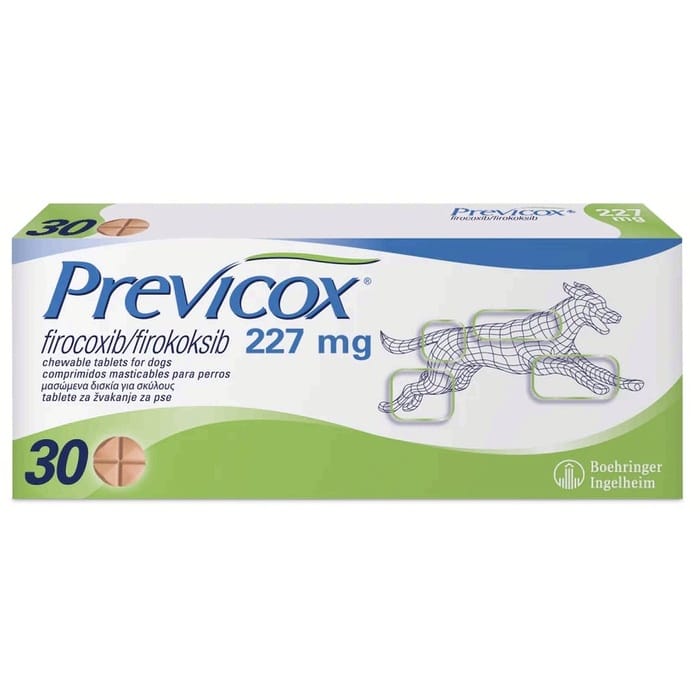
Previcox
Previcox for Dogs: Uses, Dosage Basics, and Safety
Price:
Price range: $75.99 through $109.99
You save


Previcox is a prescription nonsteroidal anti-inflammatory drug used in dogs to help manage pain and inflammation. Previcox 227mg for dogs is one commonly used tablet strength in veterinary practice, typically selected for larger dogs based on weight-based dosing. This page summarizes what it does, how it is usually used, and key safety and handling points to discuss with a veterinarian.
What Previcox for Dogs Is and How It Works
Previcox contains firocoxib, an NSAID that is relatively COX-2 selective (targets cyclooxygenase-2), which may reduce pain and inflammation associated with osteoarthritis and some surgical pain. By reducing prostaglandins (inflammation signaling molecules), it can improve comfort and mobility in many dogs. As a prescription referral service, CanadianInsulin helps confirm veterinarian prescription details before processing.
Some patients explore Ships from Canada to US when cross-border fulfillment is permitted for their prescription. Previcox is listed among other therapies in the Pet Medications hub, which can be useful for reviewing what may appear on a pet’s medication list. This medicine does not treat the underlying joint changes, so many care plans also include weight management, activity adjustments, and rehabilitation support.
Who It’s For
Veterinarians most often prescribe this medication for dogs with osteoarthritis-related pain and inflammation, including chronic stiffness, difficulty rising, or reduced willingness to exercise. It may also be used for pain after certain orthopedic procedures, depending on the prescriber’s plan and the dog’s overall risk profile. For condition context and related supportive options, see the Canine Osteoarthritis and Canine Musculoskeletal Pain hubs.
Previcox 227mg for dogs is not appropriate for every dog. It is generally not used in cats, and many labels caution against use in very young dogs or in breeding, pregnant, or lactating animals when safety data are limited. Dogs with a history of stomach or intestinal ulceration, bleeding disorders, kidney disease, liver disease, dehydration, or certain heart conditions may need a different approach or closer monitoring. A veterinarian may also avoid NSAIDs around some procedures or when the dog is medically unstable.
Dosage and Usage
NSAID dosing in dogs is typically based on body weight, and the prescribed schedule should be followed exactly as written by the veterinarian. For firocoxib products, labeling commonly describes once-daily dosing (for example, 5 mg/kg once daily), but the correct dose depends on the dog’s weight and the specific product formulation. Tablets may be flavored, which can make administration easier, but accidental ingestion can still happen if they are left accessible.
When giving an NSAID, clinicians often recommend using the lowest effective dose for the shortest needed duration, with follow-up for longer courses. Doses are often given with food if stomach upset occurs, although individual instructions vary. If a dose is missed, general guidance is to follow the prescriber’s instructions rather than doubling up. Never change the dose or combine pain medicines without veterinary direction.
Why it matters: Weight-based dosing and medication review help reduce preventable side effects.
Strengths and Forms
Previcox is commonly supplied as flavored chewable tablets, and strength selection is paired to a dog’s weight-based prescription. Previcox 227mg for dogs is the higher tablet strength and is typically used when the calculated dose fits that tablet size. Another commonly available strength is 57 mg, which may be used for smaller dogs or for dose adjustments. Some distributors may offer different package counts, and availability can vary by pharmacy.
In some settings, firocoxib may be available as a generic version, but substituting between products should only be done when the veterinarian agrees the formulation and dosing are equivalent. If a dog has trouble taking tablets, ask the clinic about practical administration options rather than altering a tablet on your own. The label and your prescription directions remain the reference for how the specific product should be used.
| Form | What it means for use |
|---|---|
| Chewable tablet | Often easier to give; still store securely. |
| Multiple strengths | Supports weight-based dosing accuracy. |
Storage and Travel Basics
Store tablets at controlled room temperature and protect them from excess moisture and heat. Keep the medication in its original container or packaging with the label intact, so directions and lot details are available if questions come up. As with all pet medicines, store it out of reach of children and animals; flavored tablets can be attractive to dogs.
For travel, carry doses in the labeled container and keep them in a climate-stable area of your bag rather than a hot car. If your dog stays with a sitter or boarding facility, provide written instructions that match the veterinarian’s prescription. Watch for changes in appetite, vomiting, diarrhea, or energy during travel, since stress and dietary changes can complicate stomach tolerance.
Quick tip: Use a weekly checklist to avoid double-dosing.
Side Effects and Safety
Like other NSAIDs, this treatment can cause gastrointestinal and kidney-related side effects in some dogs. Commonly reported issues include decreased appetite, vomiting, diarrhea, softer stool, or lower energy. Previcox 227mg for dogs may be well tolerated in many cases, but any new or worsening symptoms should be taken seriously, especially early in therapy or after a dose change directed by a veterinarian.
Serious reactions are less common but require urgent veterinary attention. These can include black, tarry stool; blood in vomit or stool; persistent vomiting; marked lethargy; collapse; increased thirst or urination; yellowing of the eyes or gums; or unexplained bruising. Dogs with dehydration or pre-existing kidney or liver concerns may be at higher risk. If concerning signs occur, the usual clinical advice is to stop the medicine and contact a veterinarian promptly for individualized guidance and possible lab work.
Drug Interactions and Cautions
Drug interactions matter with NSAIDs because multiple medicines can affect the stomach lining, kidneys, or blood clotting. Avoid combining an NSAID with another NSAID or with corticosteroids (such as prednisone) unless the veterinarian provides a specific plan, including any needed washout period. Inform the prescriber about all prescription drugs, supplements, and preventives, since even routine products can affect tolerance during illness.
Caution is often discussed when dogs take medicines that can influence kidney perfusion or hydration status, including some diuretics and certain blood-pressure drugs. Anticoagulants and antiplatelet therapies can also raise bleeding-risk considerations, especially if a dog develops gastrointestinal irritation. While these resources are human-focused, the general safety concepts may help explain why clinicians review bleeding risks: Understanding The Side Effects and Clopidogrel 75 Mg Trusted. For broader context on managing multiple chronic conditions, see Managing Diabetes And Hypertension and National Diabetes Heart Connection.
- Other NSAIDs or steroids: higher ulcer risk
- Diuretics: kidney perfusion concerns
- Blood thinners: bleeding monitoring needed
- Dehydration: tolerance can worsen
Compare With Alternatives
When an NSAID is not a good fit, veterinarians may consider other options based on the diagnosis, pain severity, and co-existing diseases. Alternatives can include other veterinary NSAIDs (such as carprofen, meloxicam, deracoxib, or robenacoxib where available) or different drug classes used in multimodal pain plans, such as gabapentin or amantadine for neuropathic components. Non-drug approaches can also matter, including weight optimization, physical therapy, controlled exercise, and joint-supportive environmental changes.
Comparing options for Previcox 227mg for dogs also includes reviewing the dog’s full medication list, since unrelated prescriptions may affect overall risk and monitoring. For example, cardiovascular drugs can change hydration and kidney stress, which can influence NSAID decisions. Site examples of other prescription categories include Nifedipine Xr and Furosemide Injection; these are not pain medicines, but they illustrate why a complete, up-to-date list is important for safe prescribing.
Pricing and Access
Access to this medicine typically requires a veterinarian prescription and an appropriate diagnosis. The overall out-of-pocket amount can vary based on strength, package size, whether a brand or generic is used, and whether the veterinarian recommends baseline or follow-up lab monitoring. For pet owners using coverage, reimbursement rules differ widely between plans, and documentation requirements can be specific. For those paying without insurance, budgeting may also depend on the expected duration of therapy and any recheck schedule.
Prescription documentation may need to be verified with the prescriber to confirm the correct patient, strength, and directions. Medicines are dispensed by licensed third-party pharmacies where permitted. Depending on eligibility and jurisdiction, some people consider cash-pay and cross-border fulfillment arrangements; documentation and local rules still apply. If you are reviewing general program information, the Promotions page may describe non-time-specific updates or resources, when available.
Authoritative Sources
For safety background on NSAID use in animals, review this FDA overview: FDA NSAIDs for Pets safety information.
For condition context and non-drug management strategies, see this veterinary reference: Merck Veterinary Manual overview of osteoarthritis.
Where temperature protection is needed for a medication, partner pharmacies may use prompt, express, cold-chain shipping.
This content is for informational purposes only and is not a substitute for professional medical advice.
Express Shipping - from $25.00
Shipping with this method takes 3-5 days
Prices:
- Dry-Packed Products $25.00
- Cold-Packed Products $35.00
Standard Shipping - $15.00
Shipping with this method takes 5-10 days
Prices:
- Dry-Packed Products $15.00
- Not available for Cold-Packed products
What is Previcox used for in dogs?
Previcox (firocoxib) is a veterinary NSAID that is commonly prescribed to help control pain and inflammation in dogs, most often related to osteoarthritis. Some veterinarians may also use it for pain associated with certain orthopedic procedures, depending on the dog’s medical history and the surgical plan. NSAIDs can improve comfort and mobility, but they do not reverse joint degeneration. A veterinarian evaluates whether an NSAID is appropriate based on age, hydration status, kidney and liver history, and any prior stomach or intestinal problems.
How does firocoxib work in the body?
Firocoxib reduces pain and inflammation by inhibiting cyclooxygenase enzymes involved in prostaglandin production. It is considered relatively COX-2 selective, which is intended to target inflammatory pathways while sparing some COX-1 activity that supports normal stomach and kidney function. Selectivity is not absolute, so side effects typical of NSAIDs can still occur. The practical takeaway is that firocoxib can help with inflammatory pain, but it still requires appropriate dosing, monitoring, and avoidance of risky drug combinations.
How is the 227 mg tablet usually given?
Previcox dosing is typically weight-based and often prescribed once daily, but the exact instructions depend on your veterinarian’s prescription. The 227 mg chewable tablet is generally chosen when a dog’s calculated dose matches that strength, which is more common in larger dogs. Administration may be with or without food, although some dogs tolerate NSAIDs better with a meal. Do not split, combine, or substitute tablets unless a veterinarian has specifically instructed you to do so for your dog’s prescription.
What side effects should I watch for with Previcox?
Common side effects reported with NSAIDs in dogs include decreased appetite, vomiting, diarrhea, soft stool, and lethargy. More serious signs that need prompt veterinary attention can include black or tarry stool, blood in vomit or stool, persistent vomiting, marked weakness, increased thirst or urination, jaundice (yellow gums or eyes), or collapse. Side effects can be more likely if a dog is dehydrated or has kidney or liver disease. If concerning symptoms appear, follow your veterinarian’s guidance about stopping the medication and next steps.
What medications should not be used with Previcox?
Veterinarians generally avoid combining an NSAID with another NSAID (such as carprofen or meloxicam) or with corticosteroids (such as prednisone) because the risk of gastrointestinal ulceration and kidney injury may increase. Caution is also important with medicines that can affect kidney perfusion or bleeding risk, including some diuretics, ACE inhibitors, anticoagulants, and antiplatelet drugs. Always share a complete medication and supplement list with the prescriber, including preventives and over-the-counter products, before starting or restarting therapy.
Do dogs need bloodwork monitoring while taking NSAIDs long term?
For long-term NSAID therapy, many veterinarians recommend periodic monitoring, which may include bloodwork to assess kidney and liver values and, in some cases, urine testing. The schedule varies based on the dog’s age, baseline health, concurrent diseases, and whether any symptoms develop. Monitoring is especially important for seniors and for dogs with prior kidney, liver, or gastrointestinal concerns. If a dog becomes ill, dehydrated, or needs anesthesia, the veterinarian may reassess NSAID use and consider rechecking labs sooner.
What should I ask my veterinarian before starting Previcox?
Useful questions include: what diagnosis is being treated, what dose and schedule are prescribed, and what side effects are most important to watch for in your dog’s case. Ask whether baseline bloodwork is recommended and when follow-up monitoring should occur. It is also helpful to ask which medications or supplements should be avoided and what to do if vomiting, diarrhea, or appetite loss occurs. If your dog has other chronic conditions (kidney, liver, heart, or clotting issues), ask how those conditions change the safety plan.
Rewards Program
Earn points on birthdays, product orders, reviews, friend referrals, and more! Enjoy your medication at unparalleled discounts while reaping rewards for every step you take with us.
You can read more about rewards here.
POINT VALUE
How to earn points
- 1Create an account and start earning.
- 2Earn points every time you shop or perform certain actions.
- 3Redeem points for exclusive discounts.
You Might Also Like
Select options
This product has multiple variants. The options may be chosen on the product page
Select options
This product has multiple variants. The options may be chosen on the product page
Select options
This product has multiple variants. The options may be chosen on the product page
Select options
This product has multiple variants. The options may be chosen on the product page
Related Articles
Diabetes, General Health,
Glp-1 Drugs Over The Counter: What’s Real And What’s Not
Key Takeaways Prescription GLP-1 medicines are not sold as true OTC drugs. Many “GLP-1” supplements aim to support fullness, not mimic prescriptions. Online “no prescription” offers raise counterfeit and quality…
Diabetes, Type 2
GLP-1 Cost Without Insurance: Compare Cash-Pay Options
Key Takeaways Many people searching for glp-1 cost without insurance are trying to plan for a long-term expense. The total can change based on the drug, the pharmacy, and how…
Cardiovascular, Diabetes, Nephrology,
SGLT2 Inhibitors Drugs: Names, Uses, And Safety Notes
Key Takeaways They lower glucose by increasing urinary sugar loss. Common options include dapagliflozin, empagliflozin, canagliflozin, and ertugliflozin. Some products combine an SGLT2 inhibitor with metformin. Risks include dehydration and…
General Health, Men’s
Ozempic Bodybuilding and Strength Training Muscle-Sparing Tips
Key Takeaways GLP-1 drugs can reduce appetite and total intake. Resistance training supports lean mass during weight loss. Protein planning matters when early satiety limits meals. Side effects can affect…