
Please note: a valid prescription is required for all prescription medication.
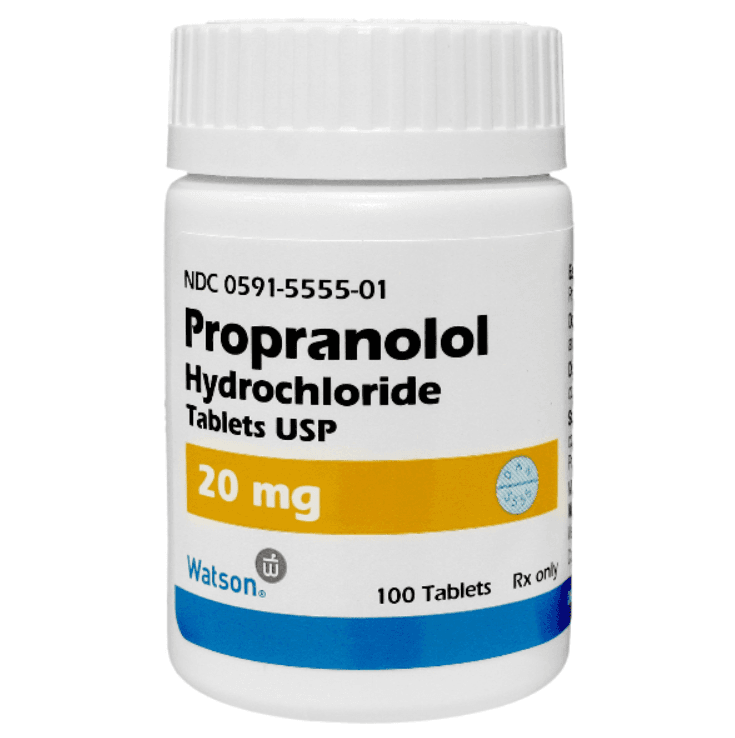
Propranolol HCL
Propranolol HCL Tablets: Uses, Safety, and Handling
Price:
Price range: $32.99 through $110.99
You save


Propranolol hydrochloride is a prescription beta-blocker that lowers the effects of adrenaline on the heart and circulation. This page explains propranolol hcl tablets, including common uses, dosage basics, safety issues, and practical handling points. It also summarizes what to review with a clinician and where to find reliable references.
What Propranolol HCL Tablets Is and How It Works
Propranolol is a non-selective beta-adrenergic blocker, meaning it blocks both beta-1 and beta-2 receptors. By slowing heart rate and reducing the force of contraction, it can lower blood pressure and reduce the workload on the heart. It can also dampen physical symptoms driven by the sympathetic nervous system, such as tremor or a racing heartbeat in certain situations. Prescription details may be confirmed with the prescriber before referral.
Some patients explore US shipping from Canada when cross-border fulfilment is legally available and appropriate. In clinical practice, propranolol may be prescribed for conditions such as hypertension, angina, certain arrhythmias, migraine prevention, and essential tremor, depending on the label and local standards. Because it also blocks beta-2 receptors, it can affect the lungs and glucose awareness in some people, which is why screening for comorbidities matters. The medication’s effects are dose-dependent and individualized, so clinicians often adjust therapy based on response and tolerability rather than a single fixed target.
Who It’s For
This medicine is used for a range of cardiovascular and neurologic indications, and the exact reason for treatment should be documented on the prescription. Many patients encounter it in care plans related to blood pressure control or chest pain syndromes; for condition overviews and product browsing, see Hypertension Resources and Angina Resources. It may also be used for rhythm-related concerns in selected cases; a hub such as Arrhythmia Resources can help you review related terms used in clinic notes.
Propranolol hcl tablets may be considered when a clinician wants a beta-blocker that also has effects outside the heart, such as tremor reduction or migraine prevention. For non-cardiac contexts, browse Essential Tremor Resources, Migraine Resources, and Anxiety Resources for related symptom clusters and terminology. It is not appropriate for everyone. Typical contraindications or reasons to avoid it can include certain severe asthma or bronchospasm histories, very slow heart rate, specific conduction problems (such as some heart blocks), or cardiogenic shock. A prescriber may also use extra caution with peripheral vascular disease, diabetes, thyroid disease, and certain heart failure scenarios.
Dosage and Usage
Propranolol is available in immediate-release and extended-release versions, and the schedule depends on the formulation and indication. Immediate-release tablets are often taken multiple times per day, while extended-release capsules are usually taken once daily. Clinicians may start with a low dose and titrate, especially when treating blood pressure or heart rhythm conditions. The safest approach is to follow the prescription label exactly and discuss any missed doses with a pharmacist or prescriber.
With propranolol hcl tablets, day-to-day use often includes these practical considerations:
- Take consistently: same time pattern daily
- Food effects: follow label directions
- Do not stop abruptly: tapering may be needed
- Check vitals: per clinician’s plan
- Know symptoms: dizziness or fainting risk
Why it matters: Suddenly stopping a beta-blocker can worsen chest pain or trigger rebound fast heart rate.
Because propranolol can slow the heart, clinicians may recommend periodic blood pressure and pulse checks, especially after dose changes. If your prescription is for performance-related symptoms or situational physical anxiety, the timing strategy should still come from the prescriber, since the same dose can feel very different between individuals. Avoid altering the dose on your own, and ensure all prescribers on your care team know you take a beta-blocker.
Strengths and Forms
Propranolol hydrochloride is commonly supplied as oral tablets and extended-release capsules, and availability can vary by pharmacy and jurisdiction. Immediate-release products are often used when flexible dose timing is needed, while extended-release products may be chosen for once-daily regimens. In charts, you might see shorthand such as IR (immediate-release) or ER/LA (extended-release/long-acting). The prescriber should specify the exact form to avoid substitution errors.
The following table summarizes common presentations that may be encountered in practice:
| Form | Typical labeling | Common strengths |
|---|---|---|
| Immediate-release tablet | Oral tablet | 10 mg, 20 mg, 40 mg |
| Extended-release capsule | ER/LA capsule | 60 mg, 80 mg (others may exist) |
Propranolol hcl tablets are often listed as 10 mg, 20 mg, or 40 mg oral tablets, and some prescriptions may specify a total daily dose divided across the day. Extended-release products may be written with coding such as “CP24” in some systems to indicate a controlled-release, 24-hour capsule. If the written prescription and the dispensed label do not match in form (tablet versus ER capsule), clarify before taking the first dose.
Storage and Travel Basics
Store propranolol at room temperature and keep it in a dry place away from excess heat and moisture. Bathrooms and kitchens near a stove can be humid or warm, which can degrade many tablets over time. Keep the container tightly closed and out of reach of children and pets. If you use a weekly pill organizer, transfer only what you need for that week and keep the rest in the original bottle to reduce mix-ups.
When traveling, carry medications in your hand luggage when possible, along with a copy of the prescription label. Crossing time zones can complicate dosing schedules for multi-dose-per-day regimens, so it helps to ask a pharmacist how to maintain consistent spacing without doubling doses. Propranolol hcl tablets do not usually require refrigeration, but they should be protected from direct sunlight and high heat in a parked car. Quick tip: Keep a current medication list in your phone for emergencies.
Side Effects and Safety
Many side effects relate to the medication’s intended effects on the cardiovascular system. Commonly reported issues include fatigue, dizziness, lightheadedness, slower pulse, cold hands or feet, and sleep changes such as vivid dreams. Some people notice exercise intolerance because the heart rate does not rise as much with activity. Gastrointestinal upset can occur, and mood changes have been reported in some patients.
Serious reactions are less common but need prompt assessment. Propranolol hcl tablets can worsen breathing in people prone to bronchospasm, and they can contribute to dangerously low heart rate or low blood pressure in susceptible individuals. Seek urgent care for severe shortness of breath, fainting, chest pain that is new or rapidly worsening, or signs of an allergic reaction. Beta-blockers may also mask some warning signs of hypoglycemia (low blood sugar), such as tremor or palpitations, which is especially important for people using insulin or insulin secretagogues. If you live with diabetes, educational reading like Hypoglycemia Vs Hyperglycemia can help you recognize non-adrenergic symptoms (such as confusion or sweating).
Drug Interactions and Cautions
Propranolol can interact with other medicines that slow heart rate, lower blood pressure, or affect cardiac conduction. Examples include certain calcium channel blockers (such as verapamil or diltiazem), antiarrhythmics, and some medications used for high blood pressure. Alcohol may increase dizziness or lightheadedness in some people. Nonsteroidal anti-inflammatory drugs (NSAIDs) can reduce the blood-pressure-lowering effect of some antihypertensives in certain patients, so clinicians may review pain-relief options if blood pressure becomes harder to control.
Because propranolol hcl tablets are metabolized by the liver, interactions can also occur with drugs that affect hepatic enzymes (including some antidepressants). People with diabetes should be cautious because beta-blockers can blunt adrenergic warning signs of low glucose, so monitoring plans may need adjustment. Stress and illness can also change glucose patterns; a resource like Stress Diabetes may be useful background reading for understanding why symptoms and numbers can shift together. Always share a complete medication list, including over-the-counter products and supplements, before a new beta-blocker is started or changed.
Compare With Alternatives
Beta-blockers are a broad class, and the best choice depends on the condition being treated, other health issues, and the desired selectivity. Propranolol is non-selective, while agents such as metoprolol or atenolol are more beta-1 selective, which may matter for people with reactive airway disease. Nadolol is another non-selective beta-blocker with a longer duration in many patients, and some conditions are managed with non–beta-blocker options depending on the clinical goal.
When comparing therapies, clinicians often consider dosing convenience, formulation options (immediate-release versus extended-release), and patient-specific risks such as bradycardia, bronchospasm history, or diabetes. If you are browsing related products and general cardiovascular categories, the Cardiovascular Category can help you see what classes are commonly grouped together. For educational reading that supports informed discussions at appointments, Cardiovascular Articles provides topic-based navigation without replacing clinical guidance.
Pricing and Access
Access to propranolol depends on prescription requirements, local rules, and pharmacy dispensing policies. Coverage can vary by plan, and formularies may treat immediate-release tablets and extended-release capsules differently. People paying out of pocket may see different totals depending on strength, quantity, and dispensing fees, and the experience can differ without insurance. Documentation checks may also be required for any cross-border fulfilment pathway, depending on jurisdiction and medication class.
When propranolol hcl tablets are requested through this site’s process, the goal is to support safe documentation and handoff rather than replace clinical decision-making. Dispensing is handled by licensed third-party pharmacies where permitted. If a prescription is unclear (for example, missing a form or containing conflicting directions), the details may need to be verified with the prescriber before it can proceed. For non-time-limited informational updates that may affect out-of-pocket planning, you can review the Promotions Page for program descriptions, recognizing that eligibility and terms can change.
Authoritative Sources
For the most reliable and current details, use primary labeling and well-established public health references. For US label language and medication guides, consult the DailyMed entry for propranolol products.
Here is the DailyMed database landing page: National Library of Medicine DailyMed.
For patient-focused counseling information written in plain language, consult: MedlinePlus Propranolol.
If temperature control is required by a pharmacy, fulfilment may use prompt, express, cold-chain shipping where permitted.
This content is for informational purposes only and is not a substitute for professional medical advice.
Express Shipping - from $25.00
Shipping with this method takes 3-5 days
Prices:
- Dry-Packed Products $25.00
- Cold-Packed Products $35.00
Standard Shipping - $15.00
Shipping with this method takes 5-10 days
Prices:
- Dry-Packed Products $15.00
- Not available for Cold-Packed products
What is propranolol and how does it work?
Propranolol is a beta-adrenergic blocker that reduces the effects of adrenaline on the body. It lowers heart rate and decreases how strongly the heart contracts, which can reduce blood pressure and the heart’s workload. Because it is non-selective (blocks beta-1 and beta-2 receptors), it can also affect pathways involved in tremor and some physical symptoms of anxiety. The exact clinical benefit depends on why it is prescribed, the formulation used, and how the dose is adjusted over time.
What’s the difference between immediate-release and extended-release propranolol?
Immediate-release propranolol is typically taken more than once per day because it does not last as long in the body. Extended-release versions are designed to release medicine gradually and are often taken once daily. These forms are not interchangeable on a milligram-to-milligram basis unless a prescriber specifically directs the switch. The prescription should clearly state the formulation (tablet versus ER/LA capsule) to reduce the risk of dosing errors, especially when refills are filled at different pharmacies.
Can propranolol affect blood sugar awareness in diabetes?
Yes. Beta-blockers can reduce some typical warning signs of hypoglycemia, particularly shaking, fast heartbeat, and anxiety sensations. People may still notice other symptoms such as sweating, hunger, confusion, or unusual tiredness. This is most relevant for those using insulin or medicines that can lower glucose. It does not mean propranolol is always unsafe in diabetes, but it is a reason to discuss monitoring plans and symptom recognition with a clinician, especially after starting or changing the dose.
What side effects should prompt urgent medical review?
Seek urgent assessment for symptoms suggesting severe low blood pressure or heart-rate slowing, such as fainting, severe dizziness, or weakness with chest pain. New or worsening shortness of breath or wheezing can be concerning because propranolol can worsen bronchospasm in susceptible people. Signs of an allergic reaction (swelling of the face or throat, hives, trouble breathing) require emergency care. If mood changes, depression, or sleep disturbances are severe or persistent, they should also be discussed promptly with a healthcare professional.
Why shouldn’t propranolol be stopped suddenly?
Abruptly stopping a beta-blocker can cause rebound effects, such as a rapid increase in heart rate and blood pressure. In some people, especially those with coronary artery disease, this can worsen angina and increase cardiac risk. If propranolol needs to be discontinued, clinicians often taper the dose over time to reduce rebound symptoms. Do not change the schedule on your own; if doses are missed or the medicine is running out, contact a pharmacist or prescriber for safe next steps.
What should I ask my clinician before taking propranolol?
Ask what the medication is intended to treat and how success will be measured (symptom relief, blood pressure readings, heart rate targets, or migraine frequency). Confirm the formulation (immediate-release versus extended-release) and how to handle missed doses. Review your history of asthma/COPD, slow heart rate, fainting, diabetes, thyroid disease, and mood concerns. Provide a full medication list, including supplements and over-the-counter products, and ask whether any require extra monitoring or timing adjustments while taking propranolol.
Rewards Program
Earn points on birthdays, product orders, reviews, friend referrals, and more! Enjoy your medication at unparalleled discounts while reaping rewards for every step you take with us.
You can read more about rewards here.
POINT VALUE
How to earn points
- 1Create an account and start earning.
- 2Earn points every time you shop or perform certain actions.
- 3Redeem points for exclusive discounts.
You Might Also Like
Select options
This product has multiple variants. The options may be chosen on the product page
Select options
This product has multiple variants. The options may be chosen on the product page
Select options
This product has multiple variants. The options may be chosen on the product page
Select options
This product has multiple variants. The options may be chosen on the product page
Related Articles
Type 2 Diabetes,
Oral Wegovy Explained: Facts, Risks, and Access Options
The phrase oral wegovy is best understood as a search term, not a settled product name. Most people use it to mean a pill version of semaglutide for weight management,…
Diabetes, General Health,
Glp-1 Drugs Over The Counter: What’s Real And What’s Not
Key Takeaways Prescription GLP-1 medicines are not sold as true OTC drugs. Many “GLP-1” supplements aim to support fullness, not mimic prescriptions. Online “no prescription” offers raise counterfeit and quality…
Diabetes, Type 2
GLP-1 Cost Without Insurance: Compare Cash-Pay Options
Key Takeaways Many people searching for glp-1 cost without insurance are trying to plan for a long-term expense. The total can change based on the drug, the pharmacy, and how…
Cardiovascular, Diabetes, Nephrology,
SGLT2 Inhibitors Drugs: Names, Uses, And Safety Notes
Key Takeaways They lower glucose by increasing urinary sugar loss. Common options include dapagliflozin, empagliflozin, canagliflozin, and ertugliflozin. Some products combine an SGLT2 inhibitor with metformin. Risks include dehydration and…