
Please note: a valid prescription is required for all prescription medication.
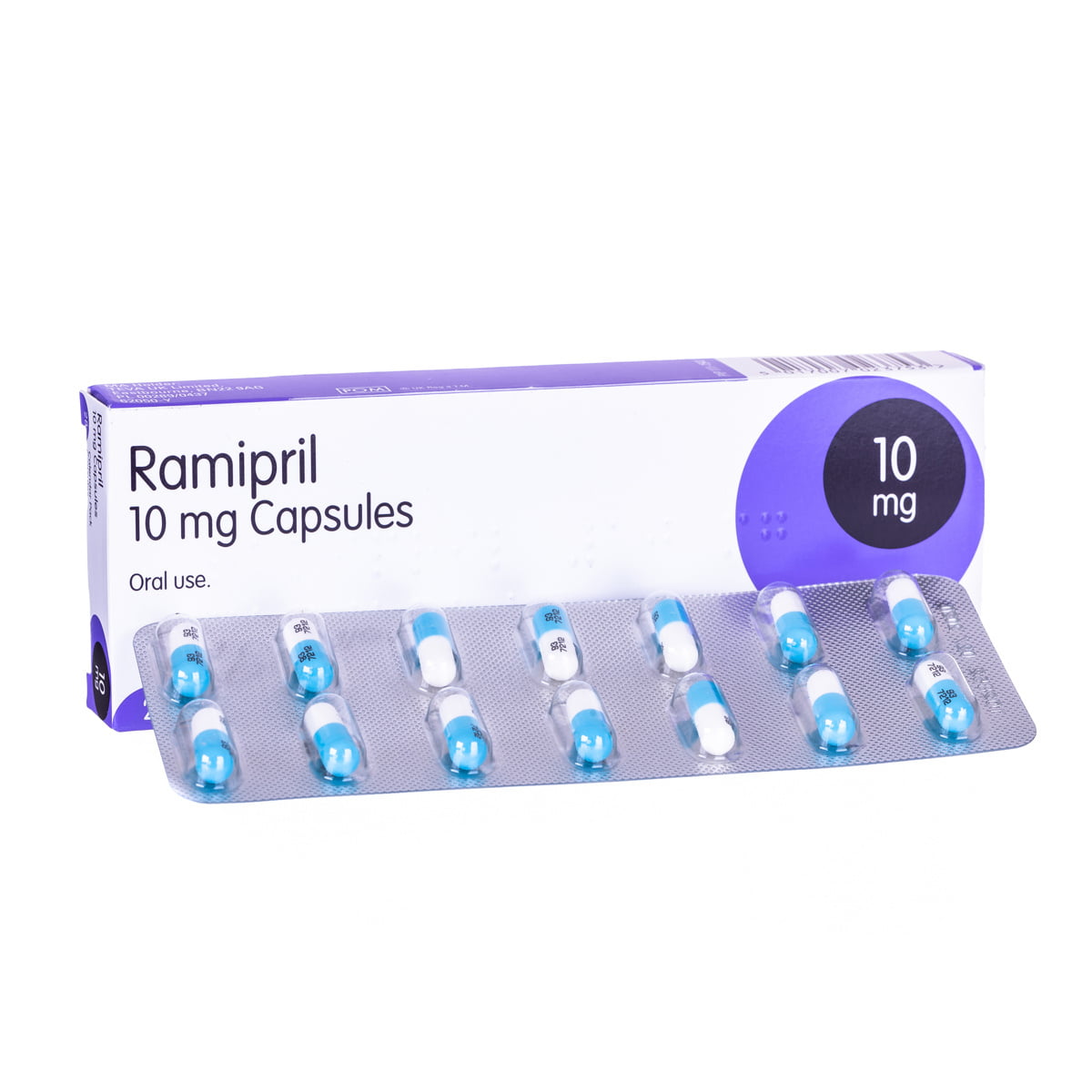
Ramipril
Buy Ramipril Online


Ramipril is an ACE inhibitor medication used in cardiovascular care, including treatment of high blood pressure and selected heart-risk situations. It can be bought online by choosing the strength and form shown during ordering, then matching that choice to your clinician’s directions. Commonly referenced strengths include Ramipril 1.25mg, Ramipril 2.5mg, ramipril 5mg, and Ramipril 10mg.
Ramipril helps relax blood vessels by reducing formation of angiotensin II, a chemical that can narrow blood vessels. The active ingredient, form, strength, quantity, and total supply all affect how a Ramipril price should be read. Some customers also review US delivery from Canada when planning a cash-pay purchase or a refill schedule.
Ramipril Price, Strengths, and Quantity Choices
The Ramipril price shown during ordering should be read together with the milligram strength, dosage form, and quantity. A lower total may not be the better value if the container count or total days supplied is smaller. Use the same strength and same quantity when comparing Ramipril cost across cash-pay or without-insurance scenarios.
Ramipril capsules are common, and Ramipril tablets may appear in some markets or medicine records. The form matters because a capsule and tablet can have different substitution rules, even when both contain ramipril. Match the form and strength on your medicine directions rather than choosing a different version to create a similar dose.
Quick tip: Calculate the per-unit amount only after the strength and quantity match.
| Detail | What to verify | Why it affects ordering |
|---|---|---|
| Strength | 1.25mg, 2.5mg, 5mg, or 10mg when shown | Each unit contains that amount of ramipril. |
| Form | Capsule or tablet | The medicine should match the form you were directed to use. |
| Quantity | Total capsules or tablets | The count changes the total supply and cost comparison. |
| Active ingredient | Ramipril | Altace generic references usually point to the same active ingredient. |
Ramipril price US searches often reflect the practical need to compare total supply, form, and strength in one view. If you are assessing Ramipril US delivery from Canada, confirm the shipping address and medicine selection carefully during checkout. Do not use a different strength to reduce cost unless your clinician has changed the directions.
How to Order Ramipril Online
Order Ramipril online by choosing the medicine name, form, strength, and quantity that match your current treatment plan. The order information should use the patient name, contact details, and delivery address exactly as requested during checkout. We may review order information and help clarify medicine directions when needed.
The ordering path should be based on the medicine you have been instructed to take. If your directions refer to Ramipril 10mg capsules, do not choose a 5mg strength or a tablet form unless the clinician managing your care has changed the plan. The same principle applies to Ramipril 1.25mg, 2.5mg, and 5mg strengths.
- Choose Ramipril and the correct milligram strength.
- Match capsule or tablet form to your medicine directions.
- Review the quantity and estimated total supply.
- Enter patient, clinician, and delivery information accurately when requested.
- Check the final order summary before submitting.
Shipping and handling information should be reviewed before the order is finalized. Ramipril is not a cold-chain medicine in usual handling, but the checkout process may still display prompt, express, cold-chain shipping language for broader pharmacy logistics. Keep the order summary until the package arrives, and compare the label with your expected medicine before use.
What Ramipril Treats
Ramipril medication belongs to a class called angiotensin-converting enzyme inhibitors, often shortened to ACE inhibitors. ACE inhibitors reduce angiotensin II activity, which can help blood vessels relax and lower blood pressure. Lowering blood pressure can reduce strain on the heart and blood vessels when the medicine is appropriate for the patient.
Clinicians may use Ramipril hypertension treatment as part of a broader cardiovascular plan. It may also be used after certain heart attacks or for cardiovascular risk reduction in selected adults. Treatment fit depends on the reason for use, kidney function, blood pressure response, other medicines, and safety monitoring.
Condition pages can help with browsing related cardiovascular categories. The Hypertension section groups medicines used in blood pressure care, while the Heart Failure section can help organize related heart-condition treatments. These sections are for navigation and discussion preparation, not for self-selecting a replacement medicine.
Ramipril is not interchangeable with every blood pressure medicine. Other classes can lower blood pressure through different mechanisms, and the safest choice depends on your medical history. If side effects or lab changes occur, speak with a clinician instead of switching to another medicine class on your own.
Forms, Strengths, and Ramipril Dosage Basics
Ramipril dosage is individualized. A clinician may start, adjust, or continue a dose based on blood pressure readings, the condition being treated, kidney function, potassium levels, and tolerability. The milligram number on the container describes the amount in each capsule or tablet, not the total amount in the bottle.
For example, a 5mg strength means each unit contains 5mg of ramipril. A higher quantity changes the number of units supplied, not the strength of each unit. This distinction matters when comparing Ramipril 5mg with Ramipril 10mg, or when reviewing smaller strengths such as 1.25mg and 2.5mg.
Do not split, combine, or alternate strengths to create a different regimen unless a clinician has given clear instructions and the form allows it. Capsules may not be suitable for splitting, and tablets vary by product design. If you miss a dose, follow the instructions provided with your medicine or ask a clinician or pharmacist for guidance.
| Customer question | Practical answer |
|---|---|
| Can the strength be changed for convenience? | Only if the clinician managing treatment changes the directions. |
| Does a larger quantity mean a stronger medicine? | No. Quantity is the number of units supplied. |
| Are capsules and tablets the same to use? | They may differ by product and instructions, so match the form you were directed to take. |
| Is Altace generic the same topic? | Altace is a brand reference for ramipril; check the active ingredient and directions. |
Storage, Handling, and Travel Use
Ramipril is usually stored like many oral tablets or capsules. Keep it in the container provided, away from excess heat, moisture, and direct light. Bathrooms, cars, and windowsills can expose medicine to humidity or temperature swings, so a dry indoor location is usually better.
Keep the label available, especially during travel. The container identifies the medicine name, strength, and patient information, which helps prevent mix-ups. If you use a pill organizer, fill it carefully and keep the original container nearby for reference.
For travel, carry enough medicine for the planned time away and protect it from moisture. Do not leave Ramipril in checked baggage if temperature control or access during delays is a concern. If packaging arrives damaged or the tablets or capsules do not match what you expected, do not take them until the issue has been reviewed by an appropriate professional.
Side Effects, Warnings, and Monitoring
Ramipril side effects can include dizziness, lightheadedness, tiredness, headache, nausea, and cough. Dizziness may be more noticeable when standing quickly, during dehydration, or when other blood pressure medicines are used. A persistent dry cough can occur with ACE inhibitors and should be discussed if it becomes bothersome.
Serious reactions need urgent attention. Ramipril can cause angioedema, which is sudden swelling under the skin. Swelling of the face, lips, tongue, throat, or breathing passages can be dangerous and requires emergency care, especially if breathing or swallowing is affected.
Ramipril can also contribute to low blood pressure, kidney function changes, and high potassium. These risks can be more important in people with kidney disease, heart failure, dehydration, diabetes, or those taking certain diuretics or potassium-related products. Blood pressure, kidney function, and potassium levels may need monitoring, especially after starts or dose changes.
Ramipril should not be used during pregnancy because medicines that act on the renin-angiotensin system can harm a developing fetus. Contact a clinician promptly if pregnancy occurs or is planned. Tell the clinician managing treatment about any history of angioedema, kidney disease, liver disease, dialysis, dehydration, or heart valve problems.
- Common effects may include cough, dizziness, headache, fatigue, or stomach upset.
- Urgent symptoms include swelling of the face, tongue, throat, or breathing passages.
- Low blood pressure may feel like faintness, weakness, or severe lightheadedness.
- Kidney function and potassium changes may require blood tests.
- Pregnancy exposure requires prompt clinical contact.
Interactions and Food Notes
Several medicines and supplements can affect Ramipril safety. Potassium supplements, potassium-sparing diuretics, and potassium-containing salt substitutes can increase the risk of high potassium. Nonsteroidal anti-inflammatory drugs, such as ibuprofen or naproxen, may reduce blood pressure effects and increase kidney concerns in some patients, especially with dehydration.
Other interaction topics include lithium, diuretics, aliskiren, and medicines containing sacubitril with valsartan. Some combinations may be used under close clinical supervision, but they should not be started casually. Bring an updated list of medicines, vitamins, herbal products, electrolyte supplements, and over-the-counter pain relievers to clinical appointments.
Food restrictions are not usually broad, but salt substitutes deserve special attention because many contain potassium. Alcohol can increase dizziness or lightheadedness for some people. If home blood pressure readings become unusually low or high, record the readings and discuss them rather than changing Ramipril dosage on your own.
Related Cardiovascular Choices
Ramipril is one treatment within a wider cardiovascular category. Other medicines used in heart and blood pressure care may include angiotensin receptor blockers, calcium channel blockers, beta blockers, diuretics, antiplatelet medicines, and cholesterol-lowering therapies. These medicines are not interchangeable simply because they appear in the same cardiovascular area.
The Cardiovascular Products category can help you browse related heart and blood pressure medicines. If you are preparing questions about medicine classes, risk factors, or monitoring, the Cardiovascular Articles collection may help organize that discussion.
When considering an alternative, focus on the active ingredient, mechanism, monitoring needs, and the reason the medicine was chosen. A cough with an ACE inhibitor, for example, may lead a clinician to consider a different class, but that decision depends on the full clinical picture. Keep Ramipril and any related medicines in their labeled containers to reduce confusion during refills or appointments.
Authoritative Sources
Key safety and use statements above align with established medicine references, including official labeling and patient medicine information.
- Official FDA label for Altace capsules: prescribing information for ramipril capsules, including indications, warnings, contraindications, and strengths.
- MedlinePlus patient information for ramipril: patient-focused information on uses, precautions, interactions, and side effects.
Because medicine labels and treatment plans can change, the medicine you order should match current clinician directions and current label information. Ask a clinician or pharmacist if the strength, form, or instructions are unclear.
This content is for informational purposes only and is not a substitute for professional medical advice.
Blood Pressure Average Calculator
Average home blood pressure readings and show a simple screening range.
Average BP
-
entered readings only
Range
-
screening category
These calculations are for education only and do not replace clinical advice, diagnosis, or treatment. Always confirm medical decisions with a qualified healthcare professional.
eGFR Calculator
Estimate kidney filtration using the 2021 CKD-EPI creatinine equation.
eGFR
-
mL/min/1.73 m2
G category
-
requires clinical context
These calculations are for education only and do not replace clinical advice, diagnosis, or treatment. Always confirm medical decisions with a qualified healthcare professional.
Creatinine Clearance Calculator
Estimate creatinine clearance using the Cockcroft-Gault equation.
CrCl
-
mL/min estimate
These calculations are for education only and do not replace clinical advice, diagnosis, or treatment. Always confirm medical decisions with a qualified healthcare professional.
Urine Albumin-Creatinine Ratio Calculator
Calculate urine albumin-creatinine ratio from spot urine albumin and creatinine values.
uACR
-
mg/g
uACR
-
mg/mmol
Category
-
A1/A2/A3 albuminuria range
These calculations are for education only and do not replace clinical advice, diagnosis, or treatment. Always confirm medical decisions with a qualified healthcare professional.
Mean Arterial Pressure Calculator
Calculate estimated mean arterial pressure from systolic and diastolic blood pressure.
MAP
-
DBP + one-third pulse pressure
These calculations are for education only and do not replace clinical advice, diagnosis, or treatment. Always confirm medical decisions with a qualified healthcare professional.
Express Shipping - from $29.99
Shipping with this method takes 3-5 days
Prices:
- Dry-Packed Products $29.99
- Cold-Packed Products $39.99
Standard Shipping - $19.99
Shipping with this method takes 5-10 days
Prices:
- Dry-Packed Products $19.99
- Not available for Cold-Packed products
What is Ramipril used for?
Ramipril is an ACE inhibitor used in cardiovascular care, including high blood pressure treatment and selected heart-risk situations. The reason for use does not determine the strength by itself; dosing and monitoring depend on the individual treatment plan.
Is Ramipril 5mg the same as Ramipril 10mg?
No. The milligram strength describes how much ramipril is in each capsule or tablet. Ramipril 5mg and Ramipril 10mg are different strengths and should not be substituted for each other unless a clinician changes the directions.
What side effects can Ramipril cause?
Common side effects can include dizziness, lightheadedness, tiredness, headache, nausea, and cough. Serious symptoms such as swelling of the face, lips, tongue, or throat need urgent medical attention.
Does Ramipril affect potassium or kidney function?
Yes, Ramipril can affect kidney function and potassium levels in some people. Monitoring may be more important for people with kidney disease, diabetes, heart failure, dehydration, or medicines that affect potassium.
Can Ramipril be taken with potassium supplements?
Potassium supplements, potassium-sparing diuretics, and potassium-containing salt substitutes can raise the risk of high potassium when used with Ramipril. Ask a clinician before combining these products.
How should Ramipril be stored?
Store Ramipril in its original container, away from excess heat, moisture, and direct light. A dry indoor location is usually more suitable than a bathroom, car, or windowsill.
Rewards Program
Earn points on birthdays, product orders, reviews, friend referrals, and more! Enjoy your medication at unparalleled discounts while reaping rewards for every step you take with us.
You can read more about rewards here.
POINT VALUE
How to earn points
- 1Create an account and start earning.
- 2Earn points every time you shop or perform certain actions.
- 3Redeem points for exclusive discounts.
You Might Also Like
Select options
This product has multiple variants. The options may be chosen on the product page
Select options
This product has multiple variants. The options may be chosen on the product page
Select options
This product has multiple variants. The options may be chosen on the product page
Select options
This product has multiple variants. The options may be chosen on the product page