
Please note: a valid prescription is required for all prescription medication.
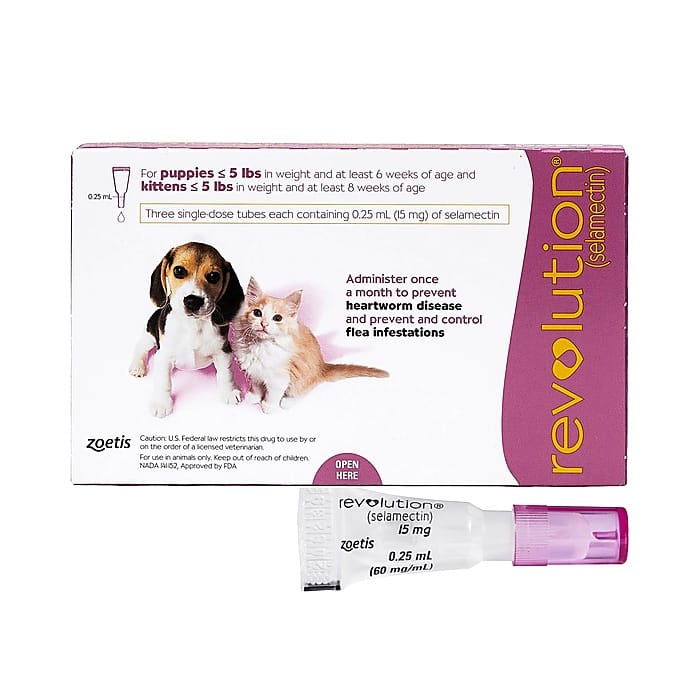
Revolution for Puppies/Kittens
Revolution for Puppies/Kittens: How to Buy, Rx and Safety
Price:
Price range: $78.99 through $268.99
You save


Revolution for Puppies/Kittens is a prescription topical parasiticide used in young cats and dogs to help control certain external and internal parasites. It is typically used on a monthly schedule as directed by a veterinarian. This page explains how the medicine works, general use steps, safety considerations, and practical handling details.
What Revolution for Puppies/Kittens Is and How It Works
This medicine is a topical parasite preventive intended for small puppies and kittens, used to help manage parasites such as fleas and certain worms based on the product label. CanadianInsulin generally supports prescription referral workflows rather than dispensing medications directly. After the liquid is placed on the skin, the active ingredient is absorbed and can circulate systemically, which is why the label may include both “on the skin” effects (like flea control) and “inside the body” effects (such as certain worm prevention).
Some patients explore US shipping from Canada when they are comparing mail-order options for veterinary preventives and refills. In practice, the goal is consistent, label-directed coverage during the season or risk period your veterinarian identifies. When fleas are a concern, it also helps to understand the life cycle and household sources of reinfestation; see the related condition overview on Flea Infestation.
Parasite coverage is label-specific and can differ by species and region. The product may be used as part of a broader plan that includes treating all pets in the home, cleaning bedding, and addressing wildlife exposure. When needed, prescription details are confirmed with the prescriber before a referral is completed.
Why it matters: Missed months can leave gaps in parasite prevention, even when the pet looks well.
Who It’s For
This topical is intended for puppies and kittens that meet the minimum age and weight criteria on the carton and prescription. Veterinarians commonly select it for pets needing a monthly preventive that targets multiple parasites, especially when flea exposure is likely. In some cases, it may also be chosen when ear mite involvement is suspected; the related context page on Ear Mites can help you understand typical signs and why confirmation matters.
Revolution for Puppies/Kittens should only be used in the species listed on the label, at the weight range specified for the dose unit. It may not be appropriate for pets that are sick, underweight, or recovering from a significant illness unless the veterinarian confirms it is suitable. Pets with a known hypersensitivity to ingredients in the product should not use it. If itching persists despite parasite control, your veterinarian may consider other causes such as environmental allergy or food sensitivity.
Dosage and Usage
Most labels for this medicine describe a once-monthly schedule, with the specific dose selected by body weight. The unit-dose tube is typically emptied onto the skin at the base of the neck (or another label-specified area) so the pet cannot easily lick it. Read the package insert before each new box, because directions can vary across regions and presentations.
For Revolution for Puppies/Kittens, common handling steps include parting the fur to expose skin, placing the entire contents of the tube on a single spot (or label-directed spots), and allowing the area to dry before close contact with people or other pets. Avoid getting the liquid into the eyes or mouth, and wash hands after use. If a dose is missed, the safer approach is to follow the veterinarian’s instructions rather than “doubling up.” If multiple pets groom each other, separate them until the site is fully dry to reduce accidental ingestion.
- Monthly timing: keep dates consistent
- Skin placement: fur parted to skin
- Post-use: prevent licking until dry
- Bathing: follow label guidance
Strengths and Forms
This product is supplied as a topical solution in single-use tubes that are selected by weight band. Packaging is often color-coded to reduce selection errors, but the printed weight range on the carton is the most reliable check. Multi-dose cartons (such as several monthly tubes in one box) may be available depending on jurisdiction and inventory.
Revolution for Puppies/Kittens is generally positioned for smaller, younger animals, and the “right” presentation depends on current weight at the time of dosing. Availability can vary, so it helps to browse a general hub such as Pet Medications when comparing categories (topicals, oral flea products, or combination preventives) with your veterinarian’s plan in mind.
| What you may see | What it indicates | Practical check |
|---|---|---|
| Unit-dose tube | Single monthly use | Confirm weight band on carton |
| Multi-dose carton | Several months supplied | Verify each tube matches pet size |
| Color-coded box | Helps reduce mix-ups | Do not rely on color alone |
Storage and Travel Basics
Store this topical medicine at room temperature unless the package insert states otherwise. Keep it in the original carton to protect it from light and to preserve the dosing instructions for reference. Many topical parasite products use alcohol-based solvents, so keep them away from heat sources and open flames.
When traveling with Revolution for Puppies/Kittens, keep the tube sealed until use and place it where it won’t be punctured. If you are flying, carrying it in a climate-controlled cabin bag can reduce exposure to extreme temperatures. Keep all pet medications out of reach of children and other animals. Dispose of empty tubes according to local guidance, and do not reuse applicators.
Quick tip: Write the next dose date on the carton to avoid missed months.
Side Effects and Safety
Most pets tolerate topical parasite preventives well, but side effects can occur. Common reactions may include temporary irritation at the application site, mild hair changes, or brief itching. If a pet licks wet medication, drooling, gagging, or vomiting can occur because of the taste and solvent rather than allergy.
More serious reactions are uncommon but warrant prompt veterinary attention. These can include marked lethargy, tremors, unsteady gait, weakness, or other neurologic signs, particularly if the pet ingests a significant amount. With Revolution for Puppies/Kittens, also watch for facial swelling, hives, or breathing difficulty, which may suggest a hypersensitivity reaction. If your pet has persistent itching after parasite prevention is in place, your veterinarian may assess for non-parasitic skin disease; the background guide End The Scratching explains one common pathway for allergic itch management in dogs.
Drug Interactions and Cautions
Tell the veterinarian about all medications and supplements your pet receives, including other flea/tick products and dewormers. Using overlapping products with similar drug classes can increase the chance of side effects, especially if dosing schedules are not coordinated. Caution may be needed in pets with significant systemic disease, very low body weight, or a history of medication sensitivity.
If a pet develops secondary skin infection from scratching, a clinician may discuss antibiotics or topical therapies based on examination and, when appropriate, culture results. For general background on a commonly used veterinary antibiotic, see Cephalexin Uses Guide. That information is not a substitute for individualized prescribing, and parasite prevention should not be assumed to treat bacterial infections.
Compare With Alternatives
Parasite prevention is not one-size-fits-all. Alternatives differ by species approval, parasites targeted, dosing interval, and route. Your veterinarian may choose a different option if tick exposure is high, if the pet will be swimming frequently, or if an oral product is preferred for adherence reasons.
Examples your veterinarian may discuss include combination topicals formulated specifically for cats (for broader parasite coverage) such as Revolution Plus, or other cat-specific combinations such as NexGard Combo. For rapid knockdown of adult fleas, some clinics use short-acting oral adulticides (often as part of a larger plan) rather than a monthly preventive alone. The key comparison points are which parasites are covered on-label, which species and weights are allowed, and whether the product is intended for prevention, treatment, or both.
- Species label: dog vs cat
- Parasite range: fleas, mites, worms
- Route: topical vs oral
- Adherence: monthly vs other
Pricing and Access
Access to prescription parasite preventives can depend on local rules, the prescriber’s clinical decision, and documentation requirements. Some veterinary clinics dispense directly, while others send prescriptions to external pharmacies; dispensing is handled by licensed third-party pharmacies where allowed. Coverage varies by plan, and many pet owners use cash-pay options or budget monthly since routine preventives are not always reimbursed.
For Revolution for Puppies/Kittens, the main cost drivers are the pet’s weight band (which determines the dose unit), the number of months supplied at once, and whether a clinic visit or diagnostic testing is needed before prescribing. If you are comparing options without insurance, ask the clinic what is medically appropriate first, then compare supply size and refill cadence. CanadianInsulin may help route prescriptions for fulfilment consistent with eligibility and jurisdiction, and cross-border fulfilment considerations can apply for some patients.
For general, non-time-limited updates that may affect out-of-pocket planning, you can review the Promotions Page as an informational starting point.
Authoritative Sources
For U.S. regulatory context on animal drugs, see FDA Animal Drugs at FDA database.
For veterinary reference on parasite prevention principles, see The Merck Veterinary Manual.
When temperature control is needed, delivery methods may use prompt, express, cold-chain shipping depending on the item.
This content is for informational purposes only and is not a substitute for professional medical advice.
Express Shipping - from $25.00
Shipping with this method takes 3-5 days
Prices:
- Dry-Packed Products $25.00
- Cold-Packed Products $35.00
Standard Shipping - $15.00
Shipping with this method takes 5-10 days
Prices:
- Dry-Packed Products $15.00
- Not available for Cold-Packed products
What parasites does Revolution for Puppies/Kittens cover?
Coverage depends on the exact label for your region, but this topical product is commonly prescribed to help control fleas and certain internal or external parasites in young pets. Some labels include prevention of heartworm disease and treatment or control of ear mites, along with other parasite claims. Because parasite risks vary by location and season, your veterinarian is the best source for deciding whether the label matches your pet’s needs. Always confirm the species, age, and weight limits on the carton and insert.
What is the minimum age for kittens or puppies to use this product?
Minimum age and weight cutoffs are label-specific and can vary by country. Do not assume the thresholds are the same across different versions or box colors. The safest approach is to check the package insert that comes with your prescription and confirm your pet’s current weight on dosing day. If a puppy or kitten is underweight, ill, or recovering from an infection, a veterinarian may recommend delaying or choosing an alternative until the pet is stable.
How do I keep my pet from licking the medication after use?
Most directions recommend placing the solution on the skin where the pet cannot easily reach, often at the base of the neck. Parting the fur helps ensure it contacts skin rather than hair. If you have multiple pets that groom each other, separating them until the site is dry can reduce accidental ingestion. If licking occurs, drooling or gagging can happen because of taste and solvents. Contact a veterinarian if vomiting, weakness, or neurologic signs develop.
Can my pet be bathed or swim after a topical dose?
Bathing and swimming guidance varies by product and label, so use the package insert that matches your prescription. In general, the medication needs time on the skin to distribute appropriately, and early bathing may reduce effectiveness. Some pets also have sensitive skin and may react to shampoos soon after topical use. If bathing is medically necessary (for example, treating a skin condition), ask the veterinarian how to coordinate timing so parasite prevention and skin care goals are both met.
What should I monitor for after the first dose?
Monitor for mild, short-lived skin irritation where the product was placed, including redness, itching, or temporary hair changes. Also watch for signs of ingestion such as drooling, vomiting, or reduced appetite. Rarely, more serious effects like tremors, unsteady gait, marked lethargy, or breathing difficulty can occur and require urgent veterinary evaluation. If your pet has a history of medication sensitivity or neurologic disease, discuss risk mitigation and monitoring steps with the prescriber.
What happens if I miss a monthly dose?
A missed month can create a gap in parasite prevention, and what to do next depends on the parasite risks in your area and the timing of the missed dose. Rather than applying extra medication, follow the veterinarian’s instructions and the product insert. Your clinic may recommend restarting promptly and adjusting future monthly dates. If the product is used for heartworm prevention, additional guidance may be needed, including whether testing is appropriate based on the lapse duration.
What should I ask my veterinarian before starting this medicine?
Ask which parasites are being targeted, whether local flea or heartworm risk affects the plan, and what the label covers for your pet’s species and weight. Confirm the correct presentation (weight band) and the monthly schedule, including what to do if your pet is bathed frequently. Discuss any other parasite products your pet uses to avoid duplication. Also ask what side effects are most important to watch for in your pet, especially if there is a history of skin sensitivity or neurologic signs.
Rewards Program
Earn points on birthdays, product orders, reviews, friend referrals, and more! Enjoy your medication at unparalleled discounts while reaping rewards for every step you take with us.
You can read more about rewards here.
POINT VALUE
How to earn points
- 1Create an account and start earning.
- 2Earn points every time you shop or perform certain actions.
- 3Redeem points for exclusive discounts.
You Might Also Like
Select options
This product has multiple variants. The options may be chosen on the product page
Select options
This product has multiple variants. The options may be chosen on the product page
Select options
This product has multiple variants. The options may be chosen on the product page
Related Articles
Type 2 Diabetes,
Generic Ozempic Explained for Patients and Caregivers
Key Takeaways People searching generic ozempic are usually trying to confirm whether a lower-cost semaglutide option is a true approved equivalent, a compounded product, or a different diabetes medicine. Separate…
Uncategorized
Rybelsus Generic: A Patient Guide to Current Options
Key TakeawaysMany people searching for rybelsus generic are trying to answer one practical question: is there a true lower-cost equivalent tablet, or only the brand product and look-alike alternatives?Brand and…
Type 2 Diabetes,
Generic Liraglutide For Weight Loss: A Practical Guide
People searching for generic liraglutide for weight loss usually want clear answers on three points: whether an approved lower-cost version exists, how it differs from brand-name products, and what access…
Type 2 Diabetes,
Liraglutide Vs Semaglutide Comparison Guide For Patients
Key Takeaways People searching liraglutide vs semaglutide usually want a practical comparison, not a slogan. The most useful differences involve formulation, schedule, approved uses, side effect patterns, and the paperwork…