
Please note: a valid prescription is required for all prescription medication.
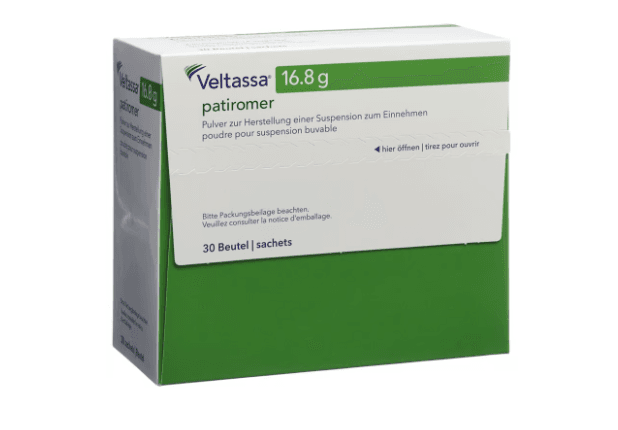
Veltassa Sachet
Veltassa Sachet Product Overview: Uses, Safety, Handling
Price:
Price range: $93.99 through $566.99
You save


Veltassa 8.4 g sachet is a single-dose powder packet used to help manage hyperkalemia (high blood potassium) in appropriate patients. It is mixed with a liquid or soft food and taken by mouth as directed. This page explains what it does, who it is for, and practical safety considerations.
High potassium can be linked to kidney disease, heart failure, and some common medicines. Understanding how potassium binders work and how to take them correctly can help reduce avoidable problems.
What Veltassa Sachet Is and How It Works
Veltassa contains patiromer, a potassium-binding resin (a medicine that attaches to potassium in the gut). By binding potassium in the gastrointestinal tract, it helps lower the amount absorbed into the bloodstream and increases removal through the stool. It is not absorbed to a meaningful degree, so its main action is local in the digestive system rather than throughout the body.
Some patients explore US delivery from Canada as part of broader access planning, depending on eligibility and jurisdiction. CanadianInsulin.com operates as a prescription referral service, and prescription details may be confirmed with the prescriber when needed. For background on the condition and why monitoring matters, you can browse the Hyperkalemia Hub and the guide Hyperkalemia Signs And Symptoms.
Why it matters: Lowering potassium too much can also be harmful, so follow lab monitoring plans.
Who It’s For
This medication is used for the treatment of hyperkalemia in adults. Clinicians may consider it when potassium stays elevated or tends to rise again, including in people taking certain heart or kidney medicines. Hyperkalemia can be intermittent, so decisions are often based on repeat blood tests and the overall clinical picture rather than a single reading.
Veltassa is not for emergency treatment of life-threatening hyperkalemia. People with severe constipation, bowel obstruction, or major gut motility problems may need extra caution, since any resin-type binder can worsen gastrointestinal symptoms. If you are unsure whether symptoms could reflect high potassium, the comparisons in Hypokalemia Vs Hyperkalemia can help clarify common signs to discuss with a clinician.
Dosage and Usage
Veltassa is supplied as powder that must be mixed before swallowing; it should not be taken dry. The label commonly starts treatment at a lower strength and then adjusts based on follow-up potassium results, with a maximum daily amount defined in prescribing information. Many prescriptions begin with Veltassa 8.4 g sachet once daily, but the prescriber may change the strength or schedule over time based on labs, other medicines, and tolerability.
Preparation steps can differ by region, so follow the packet instructions carefully. In general, the powder is stirred into water or another approved liquid, or mixed into certain soft foods, and taken right away. Do not heat the mixture or add it to hot foods. Quick tip: If the mixture feels gritty, additional stirring and a small extra amount of water may help.
A key practical issue is medication timing. Because patiromer can bind other oral drugs in the gut, the label recommends separating Veltassa from many oral medicines by several hours (often 3 hours before or after). If you take medicines used in heart failure, the context in Entresto In Heart Failure and Entresto Dose Basics can help you prepare a complete medication list for your care team.
Strengths and Forms
Veltassa is provided as single-dose packets (sachets) of oral suspension powder. Each packet contains patiromer measured as grams of powder rather than milligrams of active drug, and the dose is selected to match potassium goals and tolerance. Availability can vary by pharmacy and jurisdiction, so the exact presentation offered may differ.
The most common strengths include 8.4 g, 16.8 g, and 25.2 g packets. Prescriptions may specify Veltassa 8.4 g sachet, or a higher-strength sachet, depending on the plan. Veltassa packets are sometimes described as “powder packets” or “oral suspension powder,” and some patients will see the generic name patiromer on documentation.
| Form | Common strength | How it’s used |
|---|---|---|
| Single-dose powder packet | 8.4 g | Mixed, then swallowed |
| Single-dose powder packet | 16.8 g | Mixed, then swallowed |
| Single-dose powder packet | 25.2 g | Mixed, then swallowed |
Storage and Travel Basics
Store packets in their original packaging and protect them from moisture. Follow the label for temperature guidance, and avoid leaving medication in places with high heat, such as a parked car. Do not use a packet if it appears damaged, wet, or previously opened. Keep all medicines out of reach of children and pets.
For travel, keep packets with you rather than in checked baggage when possible, and carry enough for the expected trip plus a small buffer in case plans change. If you use multiple daily medicines, a written schedule can reduce timing errors. If your care plan involves medicines that influence potassium, the overview Entresto Drug Class can help you understand why your clinician may emphasize consistent routines and lab follow-up.
Side Effects and Safety
Common side effects are mainly gastrointestinal and may include constipation, diarrhea, nausea, stomach discomfort, and gas. These effects are often mild to moderate but can be bothersome. Another important safety consideration is low magnesium (hypomagnesemia), which can happen because the binder may affect electrolyte balance. Your clinician may order magnesium and potassium tests after starting or changing therapy.
More serious problems are uncommon but can include severe constipation, worsening abdominal pain, or signs of bowel obstruction, which require prompt medical evaluation. Allergic reactions are possible with any medication; seek urgent care for swelling of the face or throat, severe rash, or trouble breathing. Because the goal is to bring potassium into a safer range, potassium can sometimes drop too low (hypokalemia), especially if other potassium-lowering therapies are used. For broader context about related acid-base issues sometimes seen in kidney disease, see Metabolic Acidosis Overview.
Drug Interactions and Cautions
The most important interaction issue is binding of other oral medications. Veltassa 8.4 g sachet can reduce absorption of certain drugs if taken too close together, so spacing doses is a frequent part of the prescribing instructions. Keep an updated list of prescriptions, over-the-counter products, and supplements, and share it with your clinician and pharmacist so they can evaluate timing and interaction risk.
Caution may be needed if you have conditions that slow intestinal movement, a history of significant constipation, or prior bowel surgery. Tell your care team if you experience persistent abdominal pain, vomiting, or inability to pass stool or gas. If insulin is part of your treatment plan, note that potassium balance can shift during illness or changes in glucose control; the guide Insulin And Hyperkalemia offers background you can discuss with your clinician.
Compare With Alternatives
Several approaches can be used to manage elevated potassium, and the best choice depends on the cause, urgency, kidney function, and other medications. Other oral potassium binders include sodium zirconium cyclosilicate and sodium polystyrene sulfonate. These products differ in composition, sodium content, interaction potential, and tolerability, so they are not automatically interchangeable.
Non-binder strategies may include reviewing contributing medicines, addressing constipation, or adjusting diet and diuretics in a clinician-directed plan. Veltassa 8.4 g sachet is often considered when ongoing control is needed, rather than as a rapid rescue option. If your clinician is also balancing kidney and heart protection medicines, the article Kerendia Heart And Kidney can help you understand why potassium monitoring may be emphasized during long-term therapy.
Pricing and Access
Access to Veltassa can depend on prescription requirements, local pharmacy availability, and payer rules. Coverage and prior authorization criteria vary by plan, and out-of-pocket responsibility may differ based on deductible status and formulary placement. If you are without insurance, the final amount may depend on the dispensing pharmacy’s cash rate and the prescribed strength. Veltassa cost per packet can also vary by quantity, pharmacy policies, and any available patient support programs.
Documentation is often part of access planning, including the current medication list and recent lab results that show potassium levels. CanadianInsulin.com may help coordinate prescription verification details as a referral platform, while dispensing and fulfillment are performed by licensed third-party pharmacies where permitted. For stable, general information about available programs, see the Promotions Page.
Authoritative Sources
For prescribing details, preparation instructions, and safety warnings, these references are useful:
If a medication requires temperature control in transit, partner pharmacies may use prompt, express, cold-chain shipping depending on jurisdictional rules.
This content is for informational purposes only and is not a substitute for professional medical advice.
Express Shipping - from $25.00
Shipping with this method takes 3-5 days
Prices:
- Dry-Packed Products $25.00
- Cold-Packed Products $35.00
Standard Shipping - $15.00
Shipping with this method takes 5-10 days
Prices:
- Dry-Packed Products $15.00
- Not available for Cold-Packed products
What does Veltassa do for high potassium?
Veltassa (patiromer) is a potassium binder, meaning it attaches to potassium in the gastrointestinal tract. That binding helps reduce how much potassium is absorbed into the bloodstream and increases removal in the stool. It is generally used for ongoing management of hyperkalemia rather than emergency treatment. Your clinician will use blood tests to see how potassium responds over time and to decide whether the dose or schedule needs adjustment.
How do I mix and take the powder packets?
Veltassa comes as a powder that must be mixed before swallowing. The packet directions describe which liquids or soft foods are acceptable and how much to use. In general, the mixture should be stirred well and taken soon after preparation, and the powder should not be taken dry. Avoid heating the mixture or adding it to hot foods. If anything in the packet instructions is unclear, ask a pharmacist to walk through the steps.
Why do I need to separate Veltassa from other medications?
Patiromer can bind certain oral medications in the gut. If another drug is taken too close in time, less of that medication may be absorbed, which can reduce its effect. For many medicines, the prescribing information recommends separating doses by several hours (often 3 hours before or after). Because schedules can be complex, it helps to keep a current medication list and review it with your clinician or pharmacist to plan a workable timing routine.
What side effects should I watch for?
Common side effects are gastrointestinal, such as constipation, diarrhea, nausea, stomach discomfort, or gas. Some people can develop low magnesium, so lab monitoring may include magnesium in addition to potassium. Contact a clinician promptly if you develop severe constipation, significant abdominal pain, vomiting, or symptoms that could suggest a bowel blockage. Seek urgent care for signs of a serious allergic reaction, including swelling of the face or throat or trouble breathing.
What monitoring is usually needed after starting patiromer?
Monitoring is based on the clinical situation, but it often includes repeat blood tests for potassium and sometimes magnesium after starting treatment or after dose changes. Your clinician may also review kidney function tests and the full medication list, since other therapies can affect potassium balance. Report new symptoms such as weakness, palpitations, severe muscle cramps, or persistent gastrointestinal problems, because they may signal an electrolyte shift or intolerance that needs evaluation.
What should I ask my clinician or pharmacist before starting Veltassa?
Ask how often your potassium and magnesium will be checked, and what range they are aiming for. Confirm how to separate Veltassa from your other oral medications and supplements, especially those that are time-sensitive. Discuss any history of constipation, bowel surgery, or gastrointestinal motility problems. It is also reasonable to ask what to do if you miss a dose, and how to recognize symptoms that should prompt urgent assessment.
Rewards Program
Earn points on birthdays, product orders, reviews, friend referrals, and more! Enjoy your medication at unparalleled discounts while reaping rewards for every step you take with us.
You can read more about rewards here.
POINT VALUE
How to earn points
- 1Create an account and start earning.
- 2Earn points every time you shop or perform certain actions.
- 3Redeem points for exclusive discounts.
You Might Also Like
Select options
This product has multiple variants. The options may be chosen on the product page
Select options
This product has multiple variants. The options may be chosen on the product page
Select options
This product has multiple variants. The options may be chosen on the product page
Select options
This product has multiple variants. The options may be chosen on the product page
Related Articles
Gastrointestinal
Over the Counter Anti Nausea Medication: Options and Risks
Over the counter anti nausea medication can help, but the right product depends on why you feel sick. For motion sickness, antihistamines such as dimenhydrinate or meclizine are common. For…
Gastrointestinal
High-Fiber Vegetables for Constipation: What Helps Most
High-fiber vegetables for constipation can help because they add stool bulk and support more regular bowel movements, but there is no single best choice. Vegetables that often stand out include…
Uncategorized
High Blood Sugar: Symptoms, Causes, and Urgent Signs
Hyperglycemia is the medical term for glucose above your target range. In everyday language, it means high blood sugar. It can happen with diabetes, severe stress, illness, steroid medicines, or…
Respiratory, Weight Management
Zepbound for Sleep Apnea: Who It May Help and Why CPAP Still Matters
Zepbound for sleep apnea may be appropriate for some adults, but it is not a blanket replacement for standard apnea treatment. The current discussion mainly involves obstructive sleep apnea (OSA),…