
Please note: a valid prescription is required for all prescription medication.
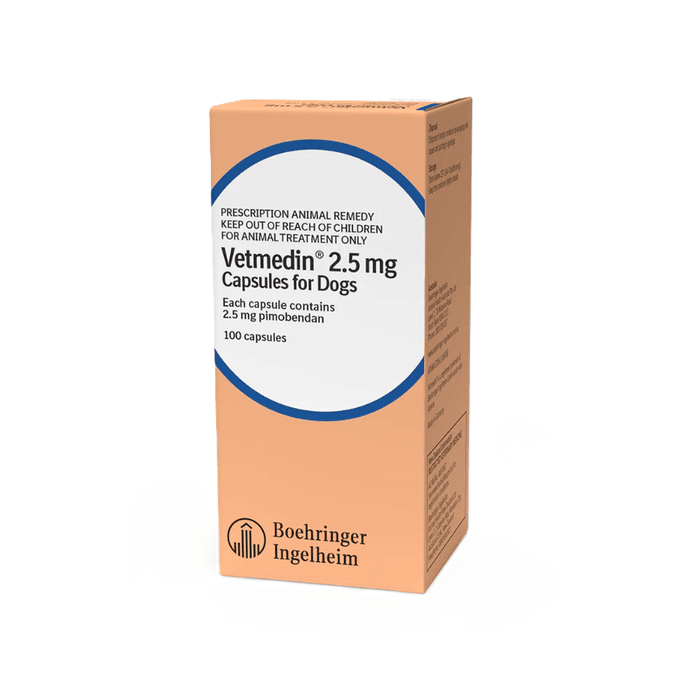
Vetmedin
Vetmedin for Dogs: Product Overview and Safety
Price:
Price range: $87.99 through $123.99
You save


Vetmedin is a veterinary heart medication that contains pimobendan. It is used as part of treatment plans for certain types of canine heart disease and congestive heart failure. This page explains practical basics for Vetmedin 2.5 mg for dogs, including how it works, common dosing patterns, safety considerations, and handling tips.
What Vetmedin for Dogs Is and How It Works
Vetmedin is a brand of pimobendan, a cardiac inodilator (a medicine that helps the heart pump stronger while also widening blood vessels). CanadianInsulin operates as a prescription referral service, and prescription details may be confirmed with the prescriber before processing. In dogs with specific heart conditions, pimobendan can support forward blood flow by increasing contractility (squeeze strength) and reducing afterload (resistance the heart pumps against).
Some patients explore Ships from Canada to US options when local access varies and a veterinarian provides a valid prescription. Pimobendan’s effects are often described in two parts: it helps the heart muscle contract more effectively, and it promotes vasodilation (wider vessels), which can reduce the work the heart must do. This combination is why it is commonly included alongside other heart medicines rather than used alone.
Congestive heart failure (CHF) in dogs generally means the heart is not pumping efficiently and fluid can build up in the lungs or abdomen. The goal of therapy is usually to reduce fluid overload, improve comfort, and support daily activity. Licensed third-party pharmacies dispense and fulfill prescriptions where permitted, which helps keep medication handling aligned with pharmacy standards.
Who It’s For
Veterinarians most often prescribe pimobendan for dogs with congestive heart failure due to certain underlying diseases, such as dilated cardiomyopathy (DCM, a weakened and enlarged heart muscle) or degenerative mitral valve disease (a leaky valve condition). The medicine is typically part of a broader plan that may include a diuretic (fluid-remover) and other cardiac drugs, depending on the diagnosis and stage.
Not every heart problem is treated the same way. Conditions where increasing the force of contraction is not appropriate may be reasons a clinician avoids pimobendan. Examples can include obstructive outflow diseases (where blood flow leaving the heart is physically restricted) or specific cardiomyopathies. Vetmedin 2.5 mg for dogs is also not intended for people or for animals it was not prescribed for.
Why it matters: The “right” heart medicine depends on the specific diagnosis, not only symptoms.
Because heart disease can overlap with lung disease, coughing or shortness of breath should be evaluated rather than assumed to be cardiac. If your dog has fainting episodes, severe weakness, or sudden breathing distress, urgent veterinary assessment is generally appropriate.
Dosage and Usage
Dosing is individualized by a veterinarian based on weight, diagnosis, and response. Product labeling commonly describes a total daily dose range that is divided into two doses given about 12 hours apart, often on an empty stomach (for example, about an hour before feeding). For many dogs, consistent timing matters because it supports steady clinical monitoring and clearer interpretation of symptom changes over time.
Follow the prescription label exactly, and do not change the amount or schedule without veterinary guidance. If a dose is missed, the safest next step is usually to follow the prescriber’s instructions rather than doubling up. For households managing multiple long-term medicines, a written schedule can reduce errors; some caregivers also use general medication organization tips from resources like Common Diabetes Medications, even though that guide is human-focused.
Quick tip: Keep a simple daily log of breathing, appetite, and activity.
Administration can be easier if the medicine’s form is palatable, but avoid hiding it in large meals if the label specifies pre-feeding use. If vomiting occurs soon after a dose, contact the prescribing clinic for guidance on whether to repeat it.
Strengths and Forms
Vetmedin may be supplied in oral forms such as chewable tablets, and the prescribed strength is chosen to match the dog’s dosing plan. In this listing, 2.5 mg is the referenced strength, but availability of strengths and package configurations can vary by jurisdiction and pharmacy inventory. Vetmedin 2.5 mg for dogs may be dispensed as a specific tablet count depending on the prescription instructions.
When reviewing a label, it helps to confirm three items: the strength per unit (mg per tablet), the number of units per dose, and the dosing frequency. If any of these are unclear, ask the veterinary clinic to clarify before starting. For a browsing view of other animal health items on the site, see Pet Medications.
| Label detail to check | What it tells you | Why it helps |
|---|---|---|
| Strength per unit | mg in each tablet | Prevents tablet-count mistakes |
| Dose frequency | times per day | Supports consistent monitoring |
| Special instructions | with food or before feeding | Reduces avoidable stomach upset |
If a tablet is damaged, crumbling, or has changed appearance, it is reasonable to pause and confirm suitability with the dispensing pharmacy.
Storage and Travel Basics
Store pimobendan products according to the package insert and pharmacy label. Many oral cardiac medications are stored at controlled room temperature and protected from moisture, heat, and direct light. Keeping tablets in the original blister or container can help maintain stability and reduces mix-ups with other medicines in the home.
When traveling, pack medication in a way that prevents crushing and limits temperature swings, such as in a hard case within a carry bag. Keep the prescription label with the medicine to avoid confusion if questions arise. Some general travel-planning ideas (written for human injectables) can still be useful for organizing supplies; see How To Travel With Zepbound for an example checklist format.
Avoid leaving medicines in parked vehicles, where temperatures can change quickly. If your dog is hospitalized or seen by an emergency clinic while traveling, bring an up-to-date list of all medications and supplements.
Side Effects and Safety
Like most prescription medicines, pimobendan can cause side effects, and some symptoms may also reflect the underlying heart disease. Commonly reported issues can include reduced appetite, vomiting, diarrhea, or lower energy. In some cases, changes in heart rate or rhythm may occur, and a veterinarian may recommend monitoring based on the dog’s cardiac status. Vetmedin 2.5 mg for dogs should be used only under veterinary supervision and only for the animal it was prescribed for.
More serious signs to treat as urgent include collapse, severe weakness, marked breathing difficulty, pale gums, or sudden worsening cough. These symptoms can be caused by progression of heart failure, arrhythmias, or other acute problems. Tracking patterns can help your veterinarian interpret what is happening; for a general example of symptom-tracking structure, the human-oriented resource Common Toujeo Side Effects shows how to document timing and severity.
Veterinarians may use exams, chest imaging, echocardiography (heart ultrasound), and bloodwork to evaluate response and tolerance. Do not stop heart medicines abruptly unless a veterinarian directs it, because sudden changes can complicate symptom control.
Drug Interactions and Cautions
Dogs with heart disease are often on multiple medications, which makes interaction screening important. Pimobendan is commonly used with diuretics and may be combined with ACE inhibitors, depending on the case. However, certain drugs can blunt or complicate its effects, including some beta blockers or calcium channel blockers, and some medicines can increase arrhythmia risk in susceptible patients.
Share a full medication list with the prescriber, including antibiotics, cough suppressants, pain medications, and supplements. Include non-prescription products, since some may affect blood pressure, hydration, or heart rhythm. If your dog has kidney or liver disease, the veterinarian may adjust the overall regimen or monitoring plan.
For broader background on cardiovascular risk concepts (human-focused but terminology is similar), Managing Diabetes And Hypertension provides a plain-language overview of blood pressure considerations.
Compare With Alternatives
Pimobendan is only one component of many canine CHF treatment plans. Alternatives or add-on options depend on diagnosis, stage, and symptoms, and they are selected by a veterinarian after assessment. Common categories include diuretics to reduce fluid buildup, ACE inhibitors to modify neurohormonal activation, and aldosterone antagonists to support longer-term control in selected dogs.
The key difference is mechanism. Pimobendan directly supports contractility and also reduces vascular resistance, while diuretics mainly address congestion (fluid) and ACE inhibitors primarily influence blood pressure and remodeling pathways. Dogs with arrhythmias may also need rhythm-focused therapy. For condition-level navigation related to veterinary cardiac issues, you can browse the hub for Canine Heart Failure.
Non-drug measures can matter as well, such as nutrition planning, exercise guidance, and regular rechecks. Even when two dogs share a diagnosis, their medication combinations can differ because tolerance and comorbidities vary.
Pricing and Access
Access to veterinary prescription medicines depends on a valid prescription, local regulations, and the form and strength the veterinarian selects. For some families, pet insurance may offset eligible expenses, while others pay out of pocket. If you are comparing options without insurance, it helps to ask the clinic whether a generic pimobendan is appropriate for your dog and whether the prescription can specify an acceptable substitute.
CanadianInsulin can help coordinate prescription verification with the veterinary prescriber as part of its referral process, while dispensing and fulfillment are handled by licensed third-party pharmacies where permitted. Vetmedin 2.5 mg for dogs may require additional documentation for cross-border fulfillment depending on jurisdiction and the dispensing pharmacy’s requirements. For site-wide information that may affect checkout totals, see Promotions.
Costs can also vary by tablet count per fill, dosing schedule, and whether other heart medicines are filled at the same time. If your dog has complex needs, ask the veterinary team what monitoring tests are expected over the coming months so you can plan the overall care budget.
Authoritative Sources
For official regulatory context on animal drug approvals, use this FDA reference: FDA Animal Drugs at FDA database.
For practical clinical background on pimobendan use in dogs, see this veterinary reference: Merck Veterinary Manual heart failure overview.
Where permitted by jurisdiction and prescription validity, orders may be routed through licensed partners using prompt, express, cold-chain shipping when required by product handling.
This content is for informational purposes only and is not a substitute for professional medical advice.
Express Shipping - from $25.00
Shipping with this method takes 3-5 days
Prices:
- Dry-Packed Products $25.00
- Cold-Packed Products $35.00
Standard Shipping - $15.00
Shipping with this method takes 5-10 days
Prices:
- Dry-Packed Products $15.00
- Not available for Cold-Packed products
What is pimobendan and how is it related to Vetmedin?
Pimobendan is the active ingredient in Vetmedin. It is classified as an inodilator, meaning it can help the heart contract more strongly while also widening blood vessels, which may reduce the workload on the heart. Veterinarians commonly use pimobendan as part of a broader plan for certain causes of canine congestive heart failure, such as dilated cardiomyopathy or degenerative mitral valve disease. The exact role it plays depends on the dog’s diagnosis, stage of disease, and other medications in the regimen.
How is Vetmedin typically given during the day?
Veterinary labeling commonly describes dividing the total daily dose into two administrations about 12 hours apart, often given before feeding. Your dog’s prescription label is the best source for the exact schedule and any food-related instructions. Consistent timing can help the veterinary team interpret changes in breathing, coughing, appetite, or energy. If the clinic has also prescribed other heart medicines (such as a diuretic), ask how to space them throughout the day to reduce missed doses and minimize stomach upset.
What should I do if my dog vomits after a dose?
Vomiting can occur for many reasons, including medication effects, dietary changes, or progression of heart disease. If vomiting happens soon after giving a dose, contact the prescribing veterinary clinic for advice on whether to repeat that dose or wait until the next scheduled time. Avoid making a dose change on your own, because doubling or skipping can complicate symptom control. If vomiting is severe, persistent, or paired with weakness or breathing difficulty, it may need urgent evaluation.
What side effects should I watch for with pimobendan?
Possible side effects include reduced appetite, vomiting, diarrhea, or lethargy. Some dogs may show changes related to heart rate or rhythm, which is one reason follow-up exams can be important. More serious warning signs include collapse, marked weakness, pale gums, severe breathing difficulty, or sudden worsening cough. Those signs can reflect worsening heart failure or arrhythmias and should be treated as urgent. Keep a short log of symptoms and timing so the veterinarian can assess patterns more accurately.
Can Vetmedin be used with other heart medications?
Pimobendan is often used alongside other cardiac drugs, but the combination should be chosen and monitored by a veterinarian. Diuretics may be used to reduce fluid buildup, and other medicines may be added to address blood pressure, valve disease effects, or neurohormonal activation. Interactions or opposing effects can occur with some drug classes, and dogs with arrhythmias may require special caution. Share a complete list of medications and supplements at each visit so the regimen can be reviewed safely.
What should I ask my veterinarian before starting Vetmedin?
Helpful questions include: what diagnosis is being treated (and how it was confirmed), what goals to expect in the next few weeks, and what changes should prompt a call or urgent visit. Ask how and when to give each medication, whether it should be taken before meals, and what monitoring is planned (recheck exam, imaging, bloodwork, or ECG). It can also help to ask which symptoms reflect medication side effects versus disease progression and how to track resting respiratory rate at home.
Rewards Program
Earn points on birthdays, product orders, reviews, friend referrals, and more! Enjoy your medication at unparalleled discounts while reaping rewards for every step you take with us.
You can read more about rewards here.
POINT VALUE
How to earn points
- 1Create an account and start earning.
- 2Earn points every time you shop or perform certain actions.
- 3Redeem points for exclusive discounts.
You Might Also Like
Select options
This product has multiple variants. The options may be chosen on the product page
Select options
This product has multiple variants. The options may be chosen on the product page
Select options
This product has multiple variants. The options may be chosen on the product page
Select options
This product has multiple variants. The options may be chosen on the product page
Related Articles
Weight Management
Generic Zepbound: Availability, Status, and Options
Key Takeaways Patients and caregivers often search for generic zepbound when they need a clear answer about availability, labeling, and lower-cost access. The term is common online, but it does…
Type 2 Diabetes,
Oral Wegovy Explained: Facts, Risks, and Access Options
The phrase oral wegovy is best understood as a search term, not a settled product name. Most people use it to mean a pill version of semaglutide for weight management,…
Diabetes, General Health,
Glp-1 Drugs Over The Counter: What’s Real And What’s Not
Key Takeaways Prescription GLP-1 medicines are not sold as true OTC drugs. Many “GLP-1” supplements aim to support fullness, not mimic prescriptions. Online “no prescription” offers raise counterfeit and quality…
Diabetes, Type 2
GLP-1 Cost Without Insurance: Compare Cash-Pay Options
Key Takeaways Many people searching for glp-1 cost without insurance are trying to plan for a long-term expense. The total can change based on the drug, the pharmacy, and how…