
Please note: a valid prescription is required for all prescription medication.
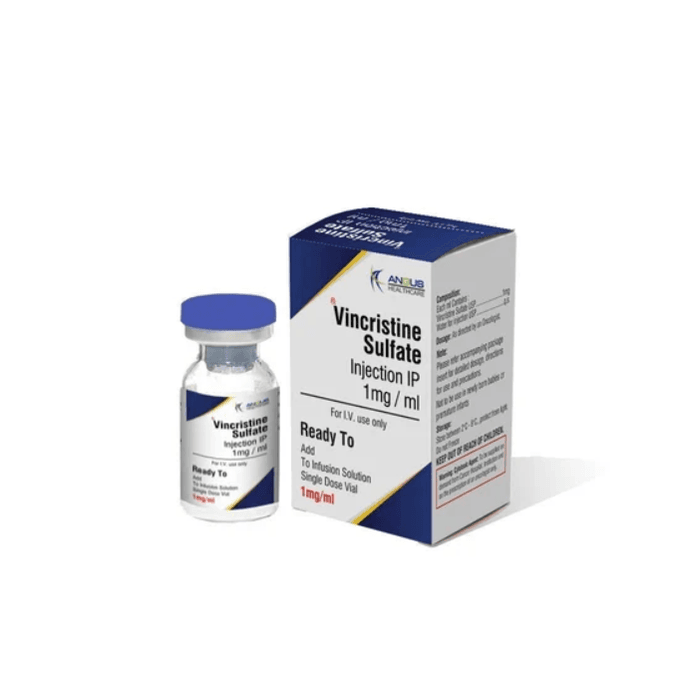
Vincristine
Vincristine: How to Buy, Safety, and Handling
Price:
$64.99
You save


Vincristine is a prescription chemotherapy medicine that is administered by trained clinicians as part of combination treatment plans. This page explains how the drug works, what it is commonly used for, and the practical safety topics patients and caregivers often review.
Because treatment plans vary by diagnosis and protocol, information here is general and should be checked against the prescribing information used by your care team.
What Vincristine Is and How It Works
This medicine belongs to the vinca alkaloid class of anticancer drugs. It works by interfering with microtubules, structures cells need to divide and move chromosomes during mitosis (cell division). By disrupting this process, the drug can slow or stop the growth of rapidly dividing cancer cells. In practice, it is most often used as one component of a multi-drug regimen, where each agent targets cancer in a different way.
For operational boundaries, CanadianInsulin supports prescription referral and coordination, while dispensing is handled by licensed pharmacies where permitted. Some patients explore Ships from Canada to US as one way to receive certain medicines when cross-border fulfilment is appropriate and allowed by jurisdiction. Even when access is possible, oncology medicines like this one are typically managed through specialized clinical workflows to reduce handling errors and support monitoring.
Administration details matter for safety. This drug is intended for intravenous (IV) use in controlled settings, and severe harm can occur if it is given by the wrong route. Clinical teams use standardized preparation steps, route checks, and patient-specific protocols to reduce preventable errors. Prescription information may also need confirmation with the prescriber before it can be processed, especially when a protocol changes or a dose is adjusted for tolerability.
Who It’s For
Vincristine is used in oncology and hematology, usually in combination with other medicines, for certain leukemias, lymphomas, and pediatric solid tumors. Common clinical contexts include Acute Lymphoblastic Leukemia, Non Hodgkin Lymphoma, and Hodgkin Lymphoma. It is also used in some pediatric tumor protocols such as Neuroblastoma and Wilms Tumor, and may appear in regimens for conditions like rhabdomyosarcoma depending on the treatment plan.
Whether it is appropriate depends on diagnosis, prior therapy, lab results, and risk factors for side effects (especially nerve-related toxicity). Clinicians also consider liver function, because reduced hepatic clearance can raise exposure. In general, the drug is not suitable for anyone with a known serious hypersensitivity to it or its formulation components. A core contraindication discussed in clinical practice is administration by the wrong route, which is treated as a never event due to catastrophic outcomes.
Why it matters: Knowing the intended route and setting helps prevent high-consequence medication errors.
Dosage and Usage
Vincristine is administered by health professionals, typically as an IV dose given on specific days within a protocol. Schedules vary widely across diseases and regimens, and the dosing approach is commonly based on body size (often body surface area) with protocol-specific limits. The same patient may have planned dose holds, reductions, or delays depending on neurologic symptoms, bowel function, blood counts, and other treatment-related effects.
In many settings, the drug is prepared in a way that supports clear labeling and route verification. Your oncology team may also use safeguards such as separate storage, route-specific warnings, and independent double checks. Do not try to interpret protocol changes on your own; dosing decisions require clinical review of symptoms, exam findings, and labs.
Quick tip: Keep an up-to-date medication list, including supplements, and share it at every visit.
Strengths and Forms
Vincristine is supplied as an injectable product intended for IV use, most commonly as a conventional formulation (often referred to clinically as vincristine sulfate injection). Presentation details can differ by manufacturer, including vial size, labeled concentration, and whether a product is supplied as a solution or requires specific handling steps before administration. Availability can also vary across regions and pharmacy supply chains.
A distinct formulation called liposomal vincristine (a lipid-based carrier that changes distribution) is used for specific indications and is not interchangeable with conventional products. Because look-alike names and different formulations can increase error risk, clinicians and pharmacies typically verify the exact product, formulation type, and protocol before preparation.
| Formulation type | Typical use setting | Key notes |
|---|---|---|
| Conventional injectable | Clinic or hospital infusion services | Route verification is critical; dose is protocol-dependent |
| Liposomal formulation | Specialized oncology protocols | Not interchangeable with conventional products |
Storage and Travel Basics
Storage requirements depend on the exact product and manufacturer labeling. Oncology pharmacies and infusion centers typically store injectable chemotherapy under controlled conditions (such as temperature management and light protection) and track lot numbers and beyond-use dates as part of safety processes. If you receive any drug information sheets, compare them with the label instructions your care team follows.
For most patients, this medication is not stored at home because it is prepared and administered in a clinical setting. If you are asked to transport medication or supplies, follow the handling instructions provided by the dispensing pharmacy or clinic, keep the product in its original packaging, and avoid temperature extremes. Do not freeze or warm an injectable product unless the label specifically allows it, and do not use a vial if you see cloudiness, particles, or damage to the seal.
Side Effects and Safety
Side effects can range from mild to serious, and they may build up over time. Common issues include peripheral neuropathy (nerve irritation that can feel like numbness, tingling, burning, or weakness), constipation, abdominal cramping, reduced appetite, nausea, and fatigue. Hair thinning can occur, and some people notice jaw pain or muscle aches. Because constipation can become severe, oncology teams often ask about bowel habits at each visit.
Serious risks include severe constipation or ileus (a dangerous slowing of the bowel), marked neurologic toxicity (such as significant weakness or trouble walking), seizures in rare cases, and problems related to leakage outside the vein (extravasation), which can injure surrounding tissue. Blood count effects can occur, though the pattern differs from some other chemotherapies. Your team may also review pregnancy and breastfeeding precautions, as chemotherapy can harm a developing fetus and may affect fertility.
Safety monitoring often includes symptom checks, neurologic assessment, review of bowel function, and periodic labs based on the full regimen. Tell your clinician promptly about worsening numbness, new difficulty with fine motor tasks, severe constipation, fever, or signs of infection, since these may require timely evaluation and changes to the overall treatment plan.
Drug Interactions and Cautions
Vincristine can interact with medicines that change how the liver metabolizes drugs, especially agents that strongly inhibit or induce CYP3A enzymes. Examples include some azole antifungals, certain macrolide antibiotics, and selected HIV medications, which may raise exposure and increase toxicity risk. Some antiseizure drugs can lower levels or complicate seizure control. Grapefruit products are sometimes discussed with CYP3A-metabolized drugs; follow the guidance your oncology pharmacist provides.
Caution is also warranted with other treatments that may worsen neurologic symptoms (for example, other neurotoxic chemotherapy agents) or affect bowel motility. Vaccination plans can be complicated during chemotherapy; live vaccines may be avoided, and timing of inactivated vaccines may be adjusted to improve response. Because liver function can influence exposure, clinicians may be more conservative when bilirubin is elevated or other signs of hepatic impairment are present.
To support safe prescribing, share a complete list of prescription drugs, over-the-counter products, and herbal supplements. Include any recent antibiotics or antifungals, because short courses can still matter for interaction risk.
Compare With Alternatives
In many cancers, treatment is built from combinations of agents with different mechanisms. Alternatives are not simple substitutes, because the best choice depends on cancer type, staging, prior therapy, and patient-specific risks such as heart function, neuropathy history, and infection risk. In some protocols, clinicians may select drugs from other classes (or adjust doses) to balance benefit and tolerability.
Examples of other chemotherapy medicines that may appear in regimens include anthracyclines such as Doxorubicin Product, alkylating agents such as cyclophosphamide (including products like Procytox), and chlorambucil such as Leukeran Product. These agents have different side-effect profiles and monitoring needs, so comparisons should focus on regimen goals rather than a single-drug swap.
For navigation across related therapies, you can browse the Cancer Product Category. For broader educational context, see resources like Insulin Potentiation Therapy and How Metformin Fights Cancer, and browse the Cancer Articles hub.
Pricing and Access
Vincristine requires a valid prescription and is typically managed within oncology care due to preparation and administration safeguards. Coverage can vary by payer and indication, and out-of-pocket responsibility may depend on where the drug is administered (for example, hospital-based infusion versus other settings). For patients paying without insurance, the final amount can also be influenced by the protocol dose, number of vials required, supportive medications, and local dispensing requirements.
Documentation needs may include prescriber details, diagnosis-related information, and confirmation of the intended formulation. CanadianInsulin may help verify prescription details with the prescriber as part of the referral process. Cross-border fulfilment can be considered only when eligibility and jurisdictional rules allow, and oncology medicines may have added handling requirements that affect how pharmacies coordinate supply.
Information about general programs is sometimes summarized on a Promotions Page, but availability and terms can change and may not apply to every medication.
Authoritative Sources
For official prescribing and safety details, consult the primary label used in clinical care. A neutral starting point is the U.S. drug label on DailyMed Drug Label Database.
For patient-oriented background on oncology drugs, review the monograph format at NCI Drug Information Listings.
Where permitted, medication logistics may be coordinated using prompt, express, cold-chain shipping based on pharmacy requirements.
This content is for informational purposes only and is not a substitute for professional medical advice.
Express Shipping - from $25.00
Shipping with this method takes 3-5 days
Prices:
- Dry-Packed Products $25.00
- Cold-Packed Products $35.00
Standard Shipping - $15.00
Shipping with this method takes 5-10 days
Prices:
- Dry-Packed Products $15.00
- Not available for Cold-Packed products
What is vincristine used for?
Vincristine is a chemotherapy medicine most often used as part of combination regimens rather than by itself. Clinicians may include it in treatment plans for certain leukemias and lymphomas, as well as some pediatric solid tumors (for example, neuroblastoma or Wilms tumor) depending on the protocol. The specific role it plays varies by diagnosis, risk category, and prior therapy. Your oncology team can explain how it fits into the regimen’s overall goals and what monitoring is planned.
Why is this medicine never given intrathecally?
This medication is intended for intravenous administration under strict handling controls. Giving it by the wrong route, especially into the spinal canal (intrathecal), can cause catastrophic and potentially fatal neurologic injury. Oncology programs use multiple safeguards to prevent route errors, such as prominent warnings, independent double checks, and route-specific preparation practices. If you see route information on paperwork, use it only to confirm what your team has already explained, not to guide decisions.
What monitoring is typical during treatment?
Monitoring commonly focuses on neurologic symptoms (numbness, tingling, weakness), bowel function (constipation or abdominal pain), and general tolerability. Many regimens also include periodic lab work, which may track blood counts and organ function depending on the full combination of drugs. Clinicians may ask about walking, fine motor tasks, and any new pain patterns because nerve toxicity can be cumulative. Report changes promptly so the care team can assess whether supportive care or protocol adjustments are needed.
What side effects should prompt urgent medical attention?
Seek urgent evaluation for fever, chills, or signs of infection during chemotherapy, since immune suppression may occur from the overall regimen. Severe constipation, inability to pass stool or gas, persistent vomiting, severe abdominal pain, new marked weakness, trouble walking, or significant confusion should also be treated as urgent. Notify your care team right away if IV-site pain, blistering, or swelling develops during or after infusion because leakage outside the vein can injure tissue. Your clinicians can provide a symptom plan tailored to your regimen.
What interactions should I tell my care team about?
Share all prescription medications, over-the-counter products, and supplements, even short-term items. Certain antifungals, antibiotics, and antiviral drugs can change how the liver processes this medicine and may increase side effects, especially nerve-related toxicity. Also mention seizure medications, since some can interact in either direction (affecting levels or seizure control). Bring a written list to each visit and include recent medication changes, because temporary courses can still be clinically important.
What should I ask my clinician or pharmacist before starting?
Ask how the drug fits into your specific protocol, what symptoms are most important to report early, and how constipation prevention will be handled. It can also help to ask what monitoring will be done for neuropathy and whether any dose holds or reductions are planned if symptoms develop. Confirm the intended formulation and the route of administration, and ask who to contact after hours for urgent symptoms. If pregnancy is possible, ask about contraception, fertility preservation options, and breastfeeding precautions.
Rewards Program
Earn points on birthdays, product orders, reviews, friend referrals, and more! Enjoy your medication at unparalleled discounts while reaping rewards for every step you take with us.
You can read more about rewards here.
POINT VALUE
How to earn points
- 1Create an account and start earning.
- 2Earn points every time you shop or perform certain actions.
- 3Redeem points for exclusive discounts.
You Might Also Like
Select options
This product has multiple variants. The options may be chosen on the product page
Select options
This product has multiple variants. The options may be chosen on the product page
Timolol Maleate Ophthalmic Solution
Price range: $38.99 through $42.99
You save
- In Stock
- Express Shipping
Select options
This product has multiple variants. The options may be chosen on the product page
Related Articles
Uncategorized
Rybelsus Generic: A Patient Guide to Current Options
Key TakeawaysMany people searching for rybelsus generic are trying to answer one practical question: is there a true lower-cost equivalent tablet, or only the brand product and look-alike alternatives?Brand and…
Type 2 Diabetes,
Generic Liraglutide For Weight Loss: A Practical Guide
People searching for generic liraglutide for weight loss usually want clear answers on three points: whether an approved lower-cost version exists, how it differs from brand-name products, and what access…
Type 2 Diabetes,
Liraglutide Vs Semaglutide Comparison Guide For Patients
Key Takeaways People searching liraglutide vs semaglutide usually want a practical comparison, not a slogan. The most useful differences involve formulation, schedule, approved uses, side effect patterns, and the paperwork…
Weight Management
Generic Zepbound: Availability, Status, and Options
Key Takeaways Patients and caregivers often search for generic zepbound when they need a clear answer about availability, labeling, and lower-cost access. The term is common online, but it does…