
Please note: a valid prescription is required for all prescription medication.
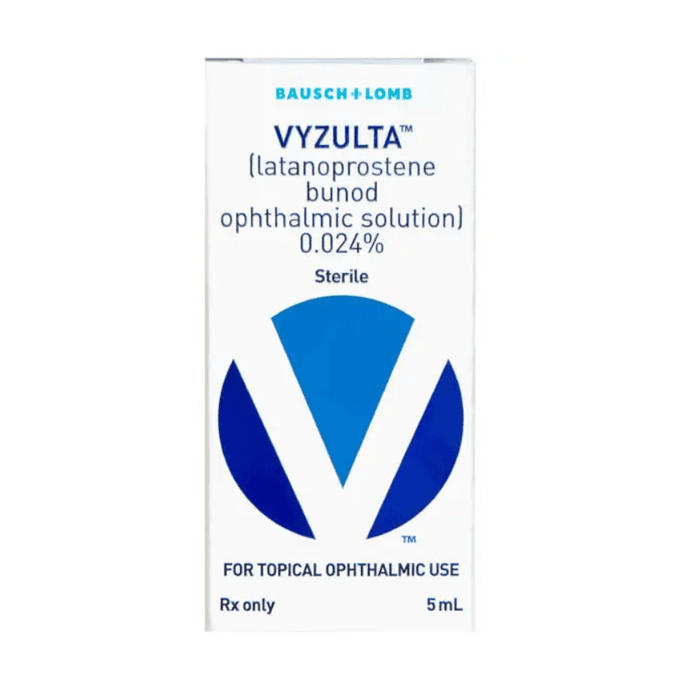
Vyzulta Ophthalmic Solution
Vyzulta Ophthalmic Solution: How to Buy It Safely
Price:
$31.99
You save


What Vyzulta Ophthalmic Solution Is and How It Works
Vyzulta Ophthalmic Solution is a prescription eye drop used to reduce intraocular pressure (pressure inside the eye) in certain glaucoma-related conditions. It contains latanoprostene bunod, which is designed to increase fluid outflow from the eye through more than one pathway. Prescription information may be confirmed with the prescriber when needed. Some patients explore US shipping from Canada when considering cross-border fulfilment options, depending on eligibility and jurisdiction.
This medicine is commonly used for open-angle glaucoma and ocular hypertension, conditions where eye pressure can contribute to optic nerve damage over time. Vyzulta is part of the prostaglandin analog class, and it also releases nitric oxide (a natural signaling molecule involved in smooth muscle relaxation), which may support additional outflow through the trabecular meshwork. Open Angle Glaucoma and Ocular Hypertension hubs can help patients review related therapies at a high level.
Lowering eye pressure usually requires consistent long-term use and periodic monitoring by an eye-care clinician. Because glaucoma often has no early symptoms, treatment choices typically consider baseline pressure, optic nerve findings, and visual field testing over time. Dispensing is handled by licensed third-party pharmacies where permitted, which helps keep the clinical decision and the medication supply process appropriately separated.
Who It’s For
This treatment is generally prescribed for adults with open-angle glaucoma or ocular hypertension who need an IOP-lowering drop. Vyzulta Ophthalmic Solution may be considered as a first-line option in some patients, or as a switch when a previous drop is not providing adequate pressure control or tolerability. The best fit depends on individual eye findings and any coexisting eye disease.
It is not appropriate for everyone. People with known hypersensitivity to any component of the formulation should not use it. Clinicians may use extra caution in patients with active eye inflammation (such as uveitis), certain retinal problems (including risk factors for macular edema), or a history of herpetic keratitis, because prostaglandin-class drops can worsen or reactivate some conditions. For broader background reading, the Ophthalmology Articles collection is a browseable hub of eye-health topics.
Why it matters: glaucoma therapy is often lifelong, so comfort and adherence matter.
Dosage and Usage
Label directions for prostaglandin analog drops commonly involve once-daily dosing, often in the evening. For Vyzulta Ophthalmic Solution, typical label use is one drop in the affected eye(s) once daily; using it more often than directed may reduce the pressure-lowering effect. A clinician should confirm which eye(s) to treat and whether other drops are also part of the plan.
Practical technique can make a real difference in comfort and contamination risk. General handling steps include washing hands, avoiding contact between the bottle tip and the eye or skin, and closing the cap promptly. If more than one ophthalmic medication is used, drops are often spaced by several minutes to avoid washout. Contact lenses are usually removed before instilling preserved drops and reinserted after a short wait, based on label guidance.
Quick tip: Keep a simple routine (same time, same place) to support daily adherence.
- Missed dose: follow label directions
- Multiple drops: separate by minutes
- Vision blur: wait before driving
- Tip hygiene: avoid touching surfaces
Strengths and Forms
Vyzulta Ophthalmic Solution is supplied as an ophthalmic solution (eye drops) with a standard concentration used in clinical practice. It is commonly referenced as latanoprostene bunod ophthalmic solution 0.024%. Pack size and labeling details can vary by jurisdiction and pharmacy source, so the carton and bottle should be checked for the exact presentation provided.
Many patients see this medication dispensed in a small multi-dose bottle intended for topical ocular use only. Do not use the product in the ear, on the skin, or as an oral medication. If vision is reduced from cataract, dry eye, or other surface disease, a clinician may also recommend supportive measures that do not conflict with glaucoma therapy.
| Attribute | What you may see |
|---|---|
| Dosage form | Ophthalmic solution |
| Active ingredient | Latanoprostene bunod |
| Common strength reference | 0.024% |
| Route | Topical to eye |
Storage and Travel Basics
Storage instructions can affect both potency and sterility. For Vyzulta Ophthalmic Solution, follow the carton and package insert for temperature requirements, light exposure limits, and discard timing after opening. Many ophthalmic solutions have different requirements before dispensing versus after opening, so it is important to read the specific labeling for the bottle in hand.
Day-to-day storage usually focuses on protecting the bottle from heat, keeping the cap tightly closed, and preventing tip contamination. Do not share eye drops between people, even in the same household. If the solution changes color, becomes cloudy, or the bottle tip appears damaged, a pharmacist should be consulted before further use.
For travel, keep prescription drops in a carry-on bag and avoid leaving them in hot cars. Bringing the original labeled carton can help with identification during travel or at security checkpoints. While not eye-drop specific, the guide How To Travel With Zepbound includes practical tips for organizing prescription medicines when away from home.
Side Effects and Safety
Like other prostaglandin analog eye drops, this medicine can cause local eye effects. Commonly reported issues include eye redness, stinging or burning after instillation, itching, dryness, watery eyes, and temporary blurred vision. Some people notice eyelash changes (thicker, longer, darker lashes) or darkening of the iris or eyelid skin over time; these pigmentary changes can be permanent in the treated eye.
More serious problems are less common but require attention. Seek urgent assessment for marked eye pain, significant swelling, sudden vision changes, halos with severe headache, signs of infection, or symptoms that suggest an allergic reaction. Patients with risk factors for macular edema, active inflammation, or certain corneal conditions may need closer monitoring. Routine follow-up typically includes intraocular pressure checks and periodic optic nerve and visual field evaluations to confirm the treatment is meeting goals.
Why it matters: untreated high eye pressure can damage the optic nerve silently.
If Vyzulta Ophthalmic Solution is used in only one eye, appearance changes can be noticeable between eyes. Patients who are pregnant, breastfeeding, or trying to conceive should discuss risks and alternatives with their clinician, because human pregnancy data for many ophthalmic drugs are limited.
Drug Interactions and Cautions
Systemic drug interactions are not the main concern for topical glaucoma drops, but therapy overlap and ocular surface factors do matter. Using more than one prostaglandin analog at the same time is generally avoided, because it may not improve pressure control and can increase side effects. If additional drops are prescribed (such as a beta blocker or carbonic anhydrase inhibitor), timing and sequencing should follow the prescriber’s instructions.
Preservatives can also affect comfort, especially in people with dry eye or contact lens use. If the formulation contains benzalkonium chloride (a common preservative), lenses may need to be removed before dosing and reinserted later, based on the label. Tell the clinician about any history of eye surgery, retinal disease, or recurrent herpes simplex eye infection, because these details can change the risk-benefit discussion. When using several ophthalmic products, spacing doses helps reduce washout and reduces the chance of overdosing a single medication.
- Other drops: separate doses
- Prostaglandin overlap: usually avoided
- Inflammation history: mention to clinician
- Contact lenses: follow label timing
Compare With Alternatives
Glaucoma management often starts with a single medication and escalates based on target pressure and tolerance. Alternatives may include another prostaglandin analog (for example, bimatoprost), a beta blocker (such as timolol), a carbonic anhydrase inhibitor (such as dorzolamide), an alpha agonist, or combination drops. Non-drop options like laser trabeculoplasty or surgery may be discussed when drops are not enough or not tolerated.
Vyzulta Ophthalmic Solution is often compared with other once-daily prostaglandin-class products, where differences may involve tolerability, bottle design, preservative exposure, and individual response. For browsing related prescription products, examples include Lumigan Rc and Timolol Maleate Ophthalmic. Any switch should be clinician-directed, since response is assessed by follow-up pressure checks rather than symptoms alone.
In practice, the “best” drop is the one that achieves the target IOP with acceptable side effects and consistent daily use. A clinician may also consider comorbid asthma or heart block (relevant to beta blockers), kidney stone history (some systemic carbonic anhydrase inhibitors), and the patient’s dexterity and vision when selecting a regimen.
Pricing and Access
Access to glaucoma medications can vary by plan design, pharmacy channel, and local rules. Vyzulta Ophthalmic Solution is prescription-only, so a valid prescription is required and details may need to be verified for accuracy. Insurance coverage may involve formularies, step therapy, or prior authorization, and patients should confirm their benefits directly with their insurer when applicable.
For people paying out of pocket, the total expense can depend on pharmacy pricing, refill frequency, and whether a plan applies deductibles or coinsurance. Some patients compare options without insurance, but it is still important to focus on safe sourcing and correct product labeling. The Ophthalmology hub is a browseable list for comparing related eye medications by category.
CanadianInsulin generally operates as a prescription referral service; when permitted, licensed pharmacy partners handle dispensing and fulfilment. Cross-border fulfilment may be an option for eligible patients depending on jurisdiction. For general information that may apply to many prescription products, Promotions is a site page some patients review alongside benefit checks. Patients who are evaluating medication sources online may also find the resource Spot Counterfeits Safely useful for understanding counterfeit-risk warning signs.
Documentation needs can include prescriber information, patient identifiers, and confirmation of the intended medication, strength, and directions. If a bottle arrives with damaged packaging, missing labeling, or unexpected language, patients should pause use and consult a pharmacist for verification before instilling the drop.
Authoritative Sources
For prescribing details, warnings, and storage instructions, review the official labeling on DailyMed Drug Labeling Database.
For condition background and monitoring concepts, see patient education from the American Academy of Ophthalmology Glaucoma Overview.
In some distribution settings, prompt, express, cold-chain shipping is used to help protect product integrity.
This content is for informational purposes only and is not a substitute for professional medical advice.
Express Shipping - from $25.00
Shipping with this method takes 3-5 days
Prices:
- Dry-Packed Products $25.00
- Cold-Packed Products $35.00
Standard Shipping - $15.00
Shipping with this method takes 5-10 days
Prices:
- Dry-Packed Products $15.00
- Not available for Cold-Packed products
What is Vyzulta used for?
Vyzulta is a prescription eye drop used to lower intraocular pressure in people with open-angle glaucoma or ocular hypertension. These conditions may increase the risk of optic nerve damage over time, often without early symptoms. The drop works locally in the eye to increase fluid outflow. Treatment response is usually assessed with follow-up eye pressure checks and periodic optic nerve or visual field testing, rather than how the eye feels day to day.
How long does it take for Vyzulta to lower eye pressure?
Many glaucoma drops begin lowering intraocular pressure within hours of a dose, but the clinically meaningful assessment is usually made over days to weeks with office measurements. Eye pressure varies throughout the day, so your clinician may compare readings over multiple visits or at consistent times. Do not change how often you use the drop based on symptoms, since glaucoma commonly has none. Follow the label directions and your prescriber’s plan.
How do I use Vyzulta with other eye drops?
When more than one ophthalmic medication is prescribed, they are typically spaced apart to reduce washout. A common approach is to wait several minutes between different drops, unless your prescriber gives different instructions. If an ointment is also used, it is often applied after drops, because ointments can block absorption. Keep a written schedule and bring it to appointments so the clinician can confirm the timing and whether any duplicate therapies should be avoided.
Can I wear contact lenses while using Vyzulta?
Many people can use glaucoma drops while wearing contact lenses, but timing matters. If the product contains preservatives, the label may instruct you to remove lenses before instilling the drop and wait before reinserting them. This reduces exposure of the lens material to preservative and can improve comfort. If you have dry eye or irritation, discuss lens wear with your eye-care clinician, since they may recommend a different schedule or supportive lubrication.
What side effects should I watch for with Vyzulta?
Common side effects include eye redness, burning or stinging after the drop, itching, watering, dryness, and temporary blurred vision. Prostaglandin-class drops can also cause eyelash growth and darkening of the iris or eyelid skin; these appearance changes may be long lasting. Seek urgent care for severe eye pain, significant swelling, sudden vision changes, or signs of infection (increasing discharge, marked redness, light sensitivity). Report persistent discomfort at follow-up visits.
Do I need monitoring while using Vyzulta?
Yes. Glaucoma therapy is typically monitored with periodic intraocular pressure measurements and exams of the optic nerve. Depending on your situation, clinicians may also order visual field testing or imaging to track whether damage is stable. Monitoring is important because glaucoma progression can occur without symptoms, and because the best dose schedule is the one that is both effective and tolerable. Bring all eye medications to visits so the care team can confirm what you are using.
What should I ask my eye doctor before starting Vyzulta?
Useful questions include: which eye(s) to treat, what time of day to dose, how to coordinate with other drops, and what changes should prompt urgent evaluation. Ask about risks that may matter in your history, such as uveitis, macular edema risk factors, prior eye surgery, or past herpes simplex eye infection. It also helps to ask how success will be measured (target pressure, testing schedule) and whether preservative exposure or contact lens wear should change your plan.
Rewards Program
Earn points on birthdays, product orders, reviews, friend referrals, and more! Enjoy your medication at unparalleled discounts while reaping rewards for every step you take with us.
You can read more about rewards here.
POINT VALUE
How to earn points
- 1Create an account and start earning.
- 2Earn points every time you shop or perform certain actions.
- 3Redeem points for exclusive discounts.
You Might Also Like
Select options
This product has multiple variants. The options may be chosen on the product page
Select options
This product has multiple variants. The options may be chosen on the product page
Select options
This product has multiple variants. The options may be chosen on the product page
Select options
This product has multiple variants. The options may be chosen on the product page
Related Articles
Type 2 Diabetes,
Generic Liraglutide For Weight Loss: A Practical Guide
People searching for generic liraglutide for weight loss usually want clear answers on three points: whether an approved lower-cost version exists, how it differs from brand-name products, and what access…
Type 2 Diabetes,
Liraglutide Vs Semaglutide Comparison Guide For Patients
Key Takeaways People searching liraglutide vs semaglutide usually want a practical comparison, not a slogan. The most useful differences involve formulation, schedule, approved uses, side effect patterns, and the paperwork…
Weight Management
Generic Zepbound: Availability, Status, and Options
Key Takeaways Patients and caregivers often search for generic zepbound when they need a clear answer about availability, labeling, and lower-cost access. The term is common online, but it does…
Type 2 Diabetes,
Oral Wegovy Explained: Facts, Risks, and Access Options
The phrase oral wegovy is best understood as a search term, not a settled product name. Most people use it to mean a pill version of semaglutide for weight management,…