
Please note: a valid prescription is required for all prescription medication.
Xarelto
Buy Xarelto Online


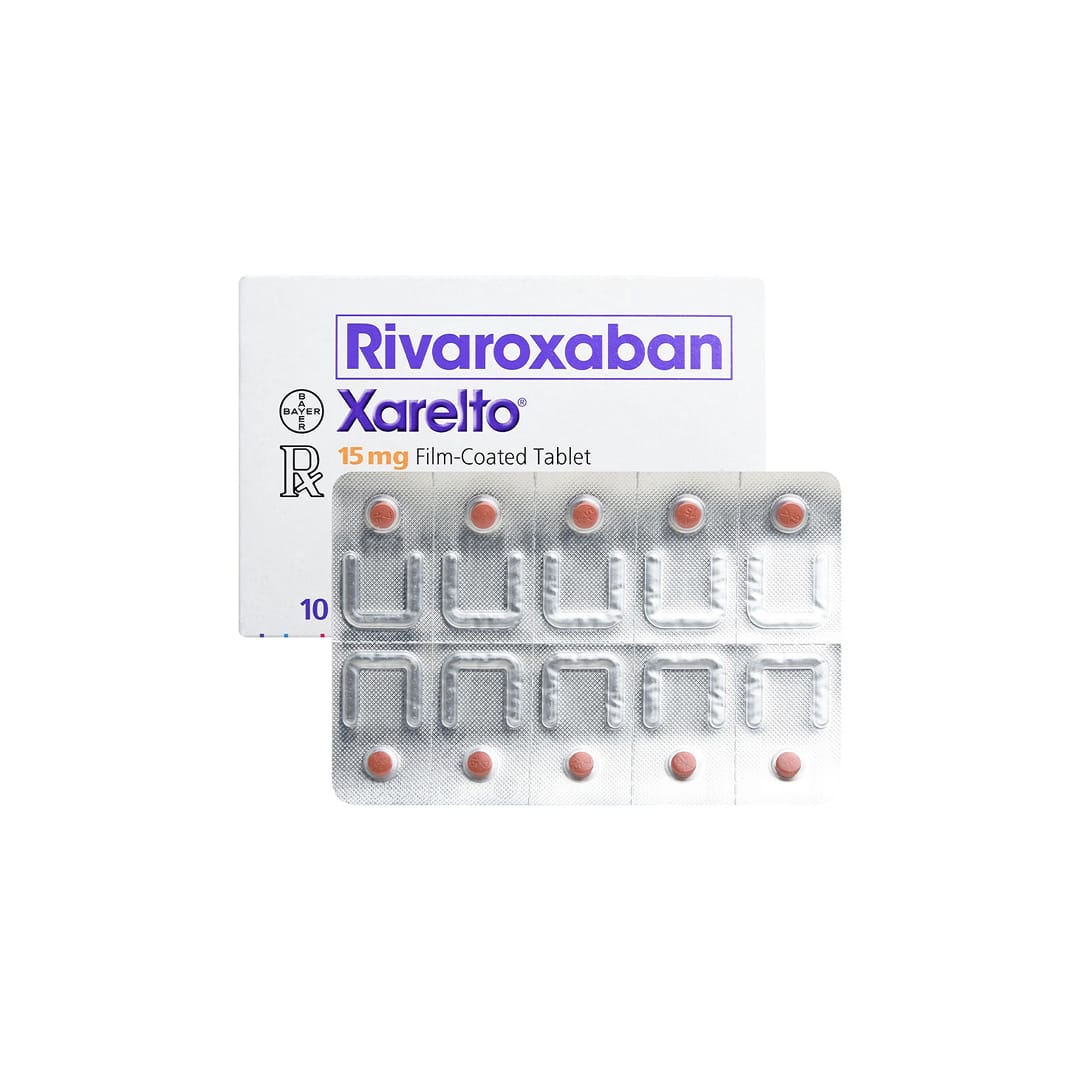
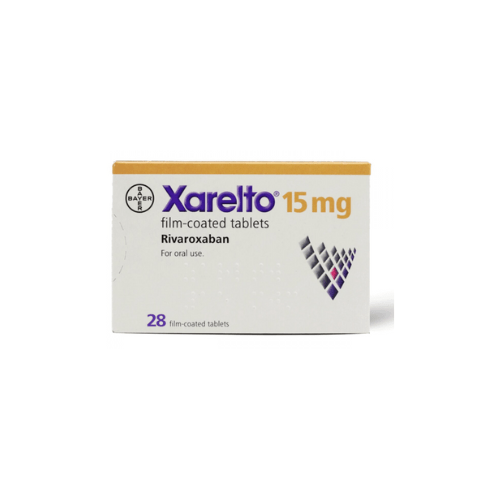
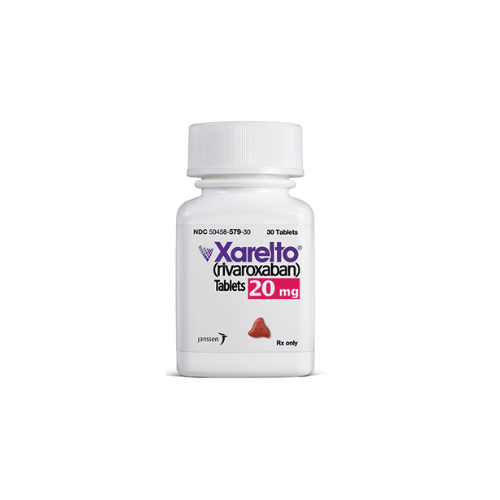
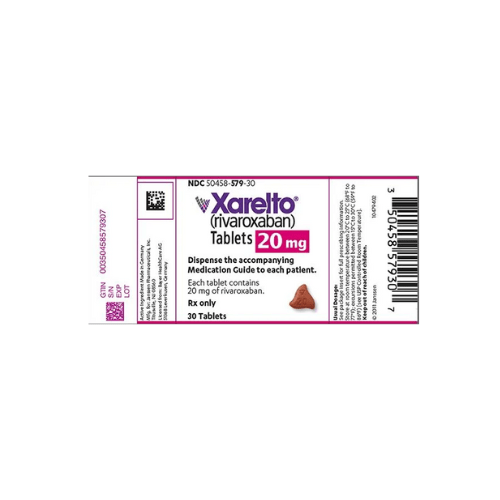
Xarelto is rivaroxaban, an anticoagulant often called a blood thinner. It can be bought online, with current pricing shown for the strength and quantity chosen during ordering. Match the available dose or strength to the directions from your clinician, and avoid changing the amount or schedule to fit a lower headline cost.
Xarelto tablets are used for specific clot-related conditions when a clinician determines that rivaroxaban is appropriate. The most important ordering details are the tablet strength, total tablet count, brand or generic name, and the instructions that accompany your treatment plan. US delivery from Canada may be part of the service context for customers using this route.
Xarelto Price, Strength, and Quantity
Xarelto price depends on the strength, tablet count, brand or generic selection, and payment route. A monthly Xarelto cost estimate is only useful when it reflects the exact number of tablets needed for that month. Some treatment plans use different strengths at different stages, so the amount shown for one tablet strength may not represent the full course.
Cash-pay pricing, retail pharmacy amounts, insurance estimates, and Medicare plan costs can differ. Deductibles, formulary tiers, quantity limits, and plan rules may change what you pay at a local counter. When comparing Xarelto cost with insurance or without insurance, use the same strength and total tablet count each time so the comparison stays meaningful.
Rivaroxaban is the active ingredient in Xarelto. If a separate rivaroxaban price or generic Xarelto cost appears during ordering, treat it as its own product choice. Confirm that the active ingredient, tablet form, strength, quantity, and substitution instructions align with what your clinician intended.
| Ordering detail | Why it matters |
|---|---|
| Strength | The milligram amount must match the treatment directions. |
| Quantity | Total tablets determine the real per-course or monthly cost. |
| Form | Tablet directions may differ from other rivaroxaban formulations. |
| Brand or generic | Xarelto and rivaroxaban choices should be evaluated by name and strength. |
| Payment route | Cash-pay amounts, insurance estimates, and Medicare costs may vary. |
Quick tip: Write down the strength, tablet count, and directions before comparing prices.
How to Buy Xarelto Online
Choose Xarelto, select the available strength and quantity that match your treatment directions, and provide the requested order information. The order may be reviewed for accuracy, and we may help confirm medicine details when additional clarification is needed. Do not split, combine, or substitute strengths unless a clinician has given specific instructions.
Customers looking to buy Xarelto from Canada should still start with the clinical details rather than the country phrase or a broad cost estimate. Xarelto 10 mg, Xarelto 20 mg, and other strength wording can appear in searches, but the correct choice depends on the condition being treated, kidney function, treatment phase, and clinician instructions.
Before the order moves forward, compare the product name, active ingredient, strength, form, and tablet quantity against the medicine directions you were given. If a different strength looks less expensive, ask your clinician whether it is appropriate instead of changing the order on your own. Products are supplied through licensed pharmacies, and handling instructions should be followed when the package arrives.
What Xarelto Treats
Xarelto is used to reduce the risk of harmful blood clots in several labeled treatment settings. Rivaroxaban may be used to reduce the risk of stroke and systemic embolism in nonvalvular atrial fibrillation, a heart rhythm condition that can allow clots to form. It is also used to treat deep vein thrombosis and pulmonary embolism and to reduce the risk that these clots come back.
Rivaroxaban may be used after certain hip or knee replacement surgeries to help prevent clot formation. In some cardiovascular treatment plans, low-dose rivaroxaban is used with aspirin to reduce the risk of major events in people with coronary artery disease or peripheral artery disease. The reason for treatment affects the strength, timing, duration, and whether food is needed with a dose.
Condition-specific browsing can help keep the product choice connected to the treatment reason. Related sections include atrial fibrillation, DVT and PE blood clots, coronary artery disease, and peripheral artery disease. These links support treatment context only; individualized medicine decisions should remain with a clinician.
Active Ingredient and Tablet Details
Xarelto contains rivaroxaban, a direct oral Factor Xa inhibitor. Factor Xa is part of the clotting cascade, which is the body’s step-by-step process for forming clots. By inhibiting Factor Xa, rivaroxaban lowers the blood’s ability to form certain unwanted clots.
Official labeling includes oral tablet strengths such as 2.5 mg, 10 mg, 15 mg, and 20 mg. The strength used for one condition may not be the same as the strength used for another. Some rivaroxaban directions also depend on kidney function, food intake, or an initial treatment period, so the tablet strength should not be chosen from price alone.
- Product name: Match Xarelto or rivaroxaban wording carefully.
- Strength: Use the milligram amount from the treatment directions.
- Quantity: Compare total tablets, not only package wording.
- Form: Keep tablet products separate from other formulations.
- Timing: Follow the dosing schedule provided by a clinician.
- Food directions: Some strengths or uses may require food.
If your treatment involves a pediatric preparation, hospital-supplied regimen, or oral suspension, do not substitute tablets unless a clinician confirms the change. The same active ingredient can have different administration instructions depending on formulation and patient factors.
Brand and Generic Rivaroxaban Considerations
Xarelto is the brand name, and rivaroxaban is the active ingredient. In some markets, brand and generic naming, approval status, and substitution rules may differ. A Canadian Xarelto search may also show products or terminology that do not exactly match a US pharmacy benefit display.
When a rivaroxaban product is shown separately, evaluate the medicine by active ingredient, tablet strength, form, and quantity. Do not assume that every brand or generic choice can replace another for your situation. Your clinician’s directions and any substitution instructions should guide the final choice.
Price differences should be weighed against treatment fit. A lower rivaroxaban price does not help if the strength, tablet count, or form does not match the intended regimen. If you are unsure whether a brand or generic product is suitable, ask your clinician or pharmacist before ordering.
Safety, Bleeding Risk, and Warnings
Xarelto can increase bleeding risk, including serious and sometimes life-threatening bleeding. Get urgent medical help for unexpected heavy bleeding, coughing blood, vomiting blood, black or tarry stools, red or brown urine, severe headache, fainting, sudden weakness, or symptoms of stroke. A fall or head injury should also be treated seriously while taking an anticoagulant.
Official labeling includes a warning that stopping rivaroxaban too early can increase the risk of blood clots. Any interruption should be managed by a clinician, especially before surgery, dental procedures, or invasive testing. The label also warns about spinal or epidural blood clots in people receiving neuraxial anesthesia or spinal puncture, which can cause long-term or permanent paralysis.
Xarelto should not be used during active pathological bleeding or after a serious hypersensitivity reaction to rivaroxaban. Tell a clinician about kidney disease, liver disease, mechanical heart valves, antiphospholipid syndrome, recent surgery, recent bleeding, pregnancy, breastfeeding, or upcoming procedures. These factors can change the benefit-risk balance or the way therapy is managed.
Why it matters: Bleeding risk can change quickly when procedures, injuries, or other medicines are involved.
Side Effects, Interactions, and Monitoring
Bleeding-related side effects may include easy bruising, nosebleeds, bleeding gums, heavier menstrual bleeding, or longer bleeding from small cuts. Some people may develop signs of anemia from blood loss, such as fatigue, pale skin, dizziness, or shortness of breath. Report persistent or worsening symptoms, even when they seem mild at first.
Important interactions include other anticoagulants, antiplatelet medicines, aspirin, ibuprofen, naproxen, and some antidepressants. Certain antifungals, HIV medicines, seizure medicines, antibiotics, and St. John’s wort may change rivaroxaban levels. Do not add over-the-counter pain relievers, aspirin, or herbal supplements unless a clinician says they fit your plan.
Unlike warfarin, rivaroxaban usually does not require routine INR testing. Monitoring may still include kidney function, liver function, blood counts, and assessment for bleeding or clotting symptoms. Tell dentists, surgeons, emergency clinicians, and other healthcare professionals that you take a blood thinner.
Alcohol use and high-injury activities should be discussed when relevant. The concern is not only bleeding from a visible cut; internal bleeding can occur after trauma. Seek help promptly for severe pain, swelling, weakness, confusion, chest pain, trouble breathing, or sudden vision changes.
Storage, Travel, and Delivery Handling
Store Xarelto tablets at room temperature, away from excess heat and moisture. Keep the medicine in a labeled container and out of reach of children and pets. A bathroom cabinet may expose tablets to humidity, so a dry storage area is usually more appropriate.
For travel, keep tablets in original labeled packaging when possible. Carry enough medicine for the trip according to clinician directions, and avoid leaving tablets in a hot car or checked bag exposed to temperature extremes. If travel crosses time zones, ask how to keep the schedule consistent.
Tablet medicines are generally handled differently from refrigerated injections or other cold-chain products. If an order includes more than one medication type, follow the handling directions for each item. The shipping process may include prompt, express, cold-chain shipping when required for the items in the same order, but Xarelto tablet storage instructions should still be followed after receipt.
Related Cardiovascular Treatment Choices
Other anticoagulants may appear in cardiovascular care, but they are not automatic substitutes for Xarelto. Differences can include active ingredient, dose schedule, kidney considerations, interaction profile, monitoring needs, and procedure planning. Switching between blood thinners requires a clinician-directed plan because gaps or overlap can increase clotting or bleeding risk.
The cardiovascular medicines category groups heart and circulation-related treatments for browsing. Broader educational material is also available in the cardiovascular articles section. Use these resources to prepare better questions for a clinician, not to self-change therapy.
When comparing Xarelto with another anticoagulant, focus on the active ingredient and the clinical reason for treatment. Stroke prevention in atrial fibrillation, DVT or PE treatment, clot prevention after surgery, and CAD or PAD risk reduction may have different dosing logic. A product that looks similar by category may not fit the same instructions.
Authoritative Sources
Authoritative references can help verify label-aligned information about rivaroxaban uses, warnings, interactions, and storage.
- Official FDA prescribing information covers indications, boxed warnings, contraindications, dosing considerations, adverse reactions, and storage.
- MedlinePlus patient drug information summarizes rivaroxaban precautions, side effects, interactions, and safe-use questions.
This content is for informational purposes only and is not a substitute for professional medical advice.
BMI Calculator
Estimate adult body mass index from height and weight, with metric and imperial units.
BMI
-
kg/m2 equivalent
Category
-
Adult screening range
These calculations are for education only and do not replace clinical advice, diagnosis, or treatment. Always confirm medical decisions with a qualified healthcare professional.
Blood Pressure Average Calculator
Average home blood pressure readings and show a simple screening range.
Average BP
-
entered readings only
Range
-
screening category
These calculations are for education only and do not replace clinical advice, diagnosis, or treatment. Always confirm medical decisions with a qualified healthcare professional.
Cholesterol Ratio Calculator
Calculate common lipid ratios and non-HDL cholesterol from a standard cholesterol panel.
Total / HDL
-
cholesterol ratio
LDL / HDL
-
lipid ratio
Non-HDL
-
total minus HDL
These calculations are for education only and do not replace clinical advice, diagnosis, or treatment. Always confirm medical decisions with a qualified healthcare professional.
eGFR Calculator
Estimate kidney filtration using the 2021 CKD-EPI creatinine equation.
eGFR
-
mL/min/1.73 m2
G category
-
requires clinical context
These calculations are for education only and do not replace clinical advice, diagnosis, or treatment. Always confirm medical decisions with a qualified healthcare professional.
Creatinine Clearance Calculator
Estimate creatinine clearance using the Cockcroft-Gault equation.
CrCl
-
mL/min estimate
These calculations are for education only and do not replace clinical advice, diagnosis, or treatment. Always confirm medical decisions with a qualified healthcare professional.
Express Shipping - from $29.99
Shipping with this method takes 3-5 days
Prices:
- Dry-Packed Products $29.99
- Cold-Packed Products $39.99
Standard Shipping - $19.99
Shipping with this method takes 5-10 days
Prices:
- Dry-Packed Products $19.99
- Not available for Cold-Packed products
What is Xarelto used for?
Xarelto contains rivaroxaban, a blood thinner used for specific clot-related conditions. Labeled uses include reducing stroke risk in nonvalvular atrial fibrillation, treating or reducing recurrence of DVT and PE, preventing clots after certain surgeries, and selected CAD or PAD treatment plans with aspirin.
How is Xarelto price usually compared?
Compare Xarelto price by the exact strength, total tablet count, and brand or rivaroxaban selection. Monthly cost estimates can be misleading if they do not match the number of tablets required for your treatment directions.
Is rivaroxaban the same as Xarelto?
Rivaroxaban is the active ingredient in Xarelto. If a separate rivaroxaban product is available, compare the active ingredient, tablet strength, form, quantity, and substitution instructions before treating it as an alternative.
What are the most important Xarelto safety concerns?
The main concern is bleeding, which can be serious or life-threatening. Urgent symptoms include heavy bleeding, black stools, blood in urine, coughing or vomiting blood, severe headache, fainting, sudden weakness, or signs of stroke.
Does Xarelto require INR monitoring like warfarin?
Xarelto usually does not require routine INR monitoring like warfarin. Clinicians may still monitor kidney function, liver function, blood counts, bleeding symptoms, clotting symptoms, and medicine interactions.
Can Xarelto be stopped before surgery or dental work?
Do not stop Xarelto on your own. Stopping too early can increase clot risk, and procedure timing should be planned by a clinician who understands your bleeding and clotting risks.
Rewards Program
Earn points on birthdays, product orders, reviews, friend referrals, and more! Enjoy your medication at unparalleled discounts while reaping rewards for every step you take with us.
You can read more about rewards here.
POINT VALUE
How to earn points
- 1Create an account and start earning.
- 2Earn points every time you shop or perform certain actions.
- 3Redeem points for exclusive discounts.
You Might Also Like
Select options
This product has multiple variants. The options may be chosen on the product page
Select options
This product has multiple variants. The options may be chosen on the product page
Select options
This product has multiple variants. The options may be chosen on the product page
Select options
This product has multiple variants. The options may be chosen on the product page