

Insulin degludec vs glargine is mainly a comparison of duration, dosing flexibility, variability, device options, and hypoglycemia risk. Both are long-acting basal insulins used to provide background insulin between meals and overnight. The right choice depends on glucose patterns, history of lows, daily routine, pregnancy status, kidney function, and access to a suitable pen or vial.
This article explains the differences in practical terms. It does not provide a personal dose or a replacement plan. Basal insulin changes should be made with a clinician who can review current doses, fasting readings, and safety risks.
Key Takeaways
- Both are basal insulins, but their absorption patterns differ.
- Degludec usually has a longer duration and more flexible timing.
- Glargine includes U100 and U300 forms, which behave differently.
- Switching requires structured monitoring, not guesswork.
- Hypoglycemia remains the main safety concern with either insulin.
How Degludec and Glargine Compare
Degludec and glargine both aim to cover the body’s background insulin needs, but they do this through different release mechanisms. Degludec forms multi-hexamers under the skin, which slowly release insulin monomers. Glargine is designed to precipitate after injection and then dissolve gradually.
Why this matters: the release pattern affects how long each insulin works, how much timing flexibility may be possible, and how clinicians interpret fasting glucose trends. Degludec is often described as having a very long, flat action profile. Glargine U100 has long clinical use as a once-daily basal insulin for many people. Glargine U300 is more concentrated and has a different exposure profile from U100.
Insulin degludec vs glargine should not be reduced to a single “best” option. A person with frequent schedule changes may value flexibility. Another person may prefer a familiar device or a formulation already covered by their plan. Someone with recurrent overnight lows may need closer review of basal timing, dose, meals, alcohol use, exercise, kidney function, and other medicines.
For a broader basal-insulin foundation, see Basal Insulin Types. For timing and duration context across long-acting options, see Long-Acting Insulin Names.
Duration, Variability, and Daily Timing
The biggest practical difference is how long the insulin effect may last and how stable it appears from day to day. Degludec generally has a longer duration of action than glargine U100. This can make timing less rigid for some users, although consistent routines still help.
Glargine U100 is commonly used once daily, but some people need individualized timing decisions. Glargine U300 is not simply “more of the same” in a smaller volume. Its concentration changes absorption and titration expectations. Clinicians may adjust the plan differently when someone moves between U100 glargine, U300 glargine, degludec, or another basal insulin.
The phrase degludec vs glargine duration of action is common because duration affects fasting glucose and overnight lows. However, duration is only one part of the picture. Injection technique, missed doses, injection-site rotation, meal timing, alcohol, exercise, illness, and kidney function can all change glucose readings.
Quick tip: Keep a simple log of injection time, fasting glucose, unusual activity, and low symptoms during any basal change.
If you use different glucose units across apps, meters, or clinic reports, a unit converter can reduce transcription errors when reviewing patterns.
Blood Glucose Unit Converter
Convert glucose readings between mg/dL and mmol/L without changing the clinical value.
These calculations are for education only and do not replace clinical advice, diagnosis, or treatment. Always confirm medical decisions with a qualified healthcare professional.
This calculator converts blood glucose values between mg/dL and mmol/L. It does not recommend insulin doses or replace clinical review.
Dosing and Conversion: What Clinicians Usually Review
Switching basal insulin is a clinical process, not a one-line conversion. A clinician typically reviews the current basal dose, recent fasting glucose, A1C, hypoglycemia history, other diabetes medicines, meal patterns, and whether the person uses continuous glucose monitoring.
Searches for degludec vs glargine conversion or tresiba to lantus dose conversion often reflect a real concern: people want a safe starting point. In practice, conversion may be individualized because basal insulins do not behave identically. The risk is especially important for people with severe lows, hypoglycemia unawareness, advanced kidney disease, variable food intake, or pregnancy.
Common Switching Considerations
Clinicians often look for patterns before changing basal insulin. Consistently high fasting readings may suggest inadequate overnight basal coverage, but missed doses or late meals can look similar. Repeated overnight lows can suggest too much basal effect, but alcohol, exercise, or reduced dinner intake may also contribute.
Device changes matter too. A person moving from a vial to a pen may need training on priming, dose dialing, storage, and needle changes. A person switching from one pen to another may notice different maximum dialed doses or different dose increments. These device details can influence adherence and error risk.
Monitoring After a Basal Switch
Follow-up monitoring helps identify whether the new basal plan is settling safely. Many clinicians ask for fasting readings, symptoms of lows, occasional overnight checks when risk is higher, and notes about missed meals or unusual exercise. People using CGM can review time below range and overnight trend arrows, not just morning numbers.
If readings become unpredictable, technique should be checked before assuming the insulin is failing. Injection into scarred or thickened areas can affect absorption. Rotating sites and using the device as instructed can reduce avoidable variation.
For a direct patient-friendly comparison of branded options, see Tresiba vs Lantus. If glargine timing is the main question, Lantus Onset and Duration explains the glargine profile in more detail.
Formulations, Brand Names, and Devices
Brand names can make this topic confusing. Degludec is sold under the brand Tresiba. Glargine appears under Lantus and certain follow-on or biosimilar products, including Basaglar in some markets. Toujeo is a U300 glargine product, while Lantus is a U100 glargine product.
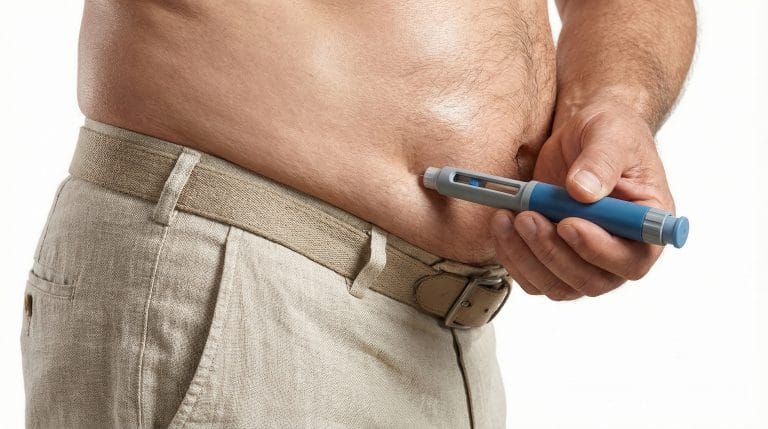
When someone asks about an insulin glargine brand name, the device often matters as much as the name. Pens, cartridges, and vials have different handling steps. Some people prefer a prefilled pen because it simplifies carrying and dosing. Others use vials because that is what their care plan or coverage supports.
Product pages can help readers identify presentation details without replacing professional instruction. Examples include Tresiba FlexTouch Pens, Lantus SoloStar Pens, and Lantus Vial. Use these pages for format context, then confirm use and dosing with the prescribing clinician or pharmacist.
Some patients also compare glargine follow-on products. For a more focused comparison, see Tresiba vs Basaglar. CanadianInsulin.com functions as a prescription referral platform, and prescription details may be confirmed with the prescriber when required; dispensing is handled by licensed third-party pharmacies where permitted.
Safety, Side Effects, and Higher-Risk Situations
The main safety issue with both insulins is hypoglycemia, or low blood sugar. Symptoms can include shaking, sweating, confusion, fast heartbeat, hunger, headache, or weakness. Severe hypoglycemia can cause seizure, loss of consciousness, injury, or need for emergency help.
Insulin glargine side effects and degludec side effects overlap because both are insulin products. Possible adverse effects include low blood sugar, injection-site reactions, weight gain, allergic reactions, and lipodystrophy (changes in fat tissue under the skin). Any serious allergic reaction, severe low, or repeated unexplained low readings should be reviewed urgently.
Insulin degludec vs glargine is especially important to individualize in older adults, people with kidney impairment, people with hypoglycemia unawareness, and those with irregular eating patterns. These groups may have a narrower safety margin. Extra monitoring may also be needed during illness, steroid use, major activity changes, or changes in meal intake.
Pregnancy and Breastfeeding
Pregnancy changes insulin needs and raises the importance of close clinical follow-up. Glargine in pregnancy and degludec in pregnancy should be discussed with an obstetric and diabetes care team. Label information, clinical experience, and individual risk factors all matter. Do not start, stop, or switch basal insulin during pregnancy without specialist guidance.
When to Seek Urgent Help
Seek urgent care for severe low blood sugar, loss of consciousness, seizure, trouble breathing, swelling of the face or throat, or persistent vomiting with high glucose or ketones. People using insulin should also have a clear hypoglycemia plan, including when glucagon is appropriate if prescribed.
Decision Factors to Discuss With a Clinician
The best basal insulin is the one that fits clinical needs and can be used safely and consistently. That decision often includes glucose data, hypoglycemia risk, device fit, coverage, pregnancy status, and comfort with timing routines.
- Fasting patterns: review several days, not one reading.
- Low history: include overnight and exercise-related events.
- Schedule demands: consider shift work, travel, or missed routines.
- Device fit: check vision, dexterity, priming, and dose increments.
- Formulation changes: distinguish U100 glargine from U300 glargine.
- Support needs: plan follow-up before the switch occurs.
Cost and access can also influence choice, but they should not be separated from safety. Some patients explore cash-pay options or cross-border fulfilment depending on eligibility and jurisdiction. Those logistics should be considered alongside prescription requirements and local rules, not as a reason to change therapy without clinical input.
For condition-level browsing, the Diabetes Collection lists diabetes-related options. For educational reading by condition type, the Type 1 Diabetes Articles and Type 2 Diabetes Articles categories may help you find related topics.
Authoritative Sources
For official product details, review the FDA Drugs@FDA database, which provides approved labeling for insulin products when available.
The American Diabetes Association publishes annual Standards of Care in Diabetes, including guidance on pharmacologic therapy and hypoglycemia risk.
Health Canada’s Drug Product Database can be used to look up Canadian product monographs and regulatory status.
Recap
Degludec and glargine are both long-acting basal insulins, but they differ in release mechanism, duration, formulation options, and dosing flexibility. Degludec may offer a longer and flatter profile for some people. Glargine remains a widely used basal option, with U100 and U300 forms that require careful distinction.
Insulin degludec vs glargine decisions should be based on glucose patterns, safety risks, device fit, and follow-up capacity. Keep records during any switch, watch for lows, and review persistent problems with a clinician. Small details, such as injection-site rotation and device technique, can make a meaningful difference in day-to-day stability.
This content is for informational purposes only and is not a substitute for professional medical advice.