


Basaglar side effects most often involve low blood sugar or reactions where the insulin is injected. Some effects are mild and local, such as redness or soreness. Others need urgent attention, especially severe hypoglycemia (low blood sugar), breathing trouble, swelling of the face or throat, faintness, or seizure. Knowing the difference helps you respond sooner and bring better notes to your diabetes team.
Basaglar is a long-acting basal insulin. Its active ingredient, often called the Basaglar generic name, is insulin glargine. It provides background insulin coverage when prescribed as part of diabetes care. It is not a rescue treatment for sudden high glucose, and it is not used to treat diabetic ketoacidosis. For a product-focused background page, see Basaglar KwikPen Uses.
Key Takeaways
- Low blood sugar is the main risk to plan for.
- Injection-site reactions are common but should not spread widely.
- Allergic symptoms, severe lows, or faintness need urgent care.
- Kidney, liver, eating, activity, or medicine changes can alter insulin needs.
- Do not change dose timing or frequency without prescriber guidance.
Basaglar Side Effects at a Glance
The side effects of long-acting insulin usually fall into a few patterns. Some come from the glucose-lowering action of insulin. Others relate to injection technique, skin tissue changes, fluid balance, or individual sensitivity to insulin glargine.
| Concern | What it may look like | Why follow-up matters |
|---|---|---|
| Low blood sugar | Shaking, sweating, hunger, fast heartbeat, dizziness, headache, confusion, or weakness | Severe lows can cause seizures, loss of consciousness, or injury. |
| Injection-site reaction | Redness, itching, swelling, bruising, pain, warmth, or a small lump | Technique or site rotation may need review if symptoms repeat. |
| Weight gain or swelling | Gradual weight increase, ankle swelling, or fluid retention | Changes may reflect insulin effect, diet, fluid balance, or other medicines. |
| Skin tissue changes | Firm areas, dents, thickened skin, or uneven lumps | Changed tissue can make insulin absorption less predictable. |
| Allergic reaction | Rash, hives, wheezing, severe dizziness, or swelling of the face or throat | Generalized allergy is uncommon but can become an emergency. |
| Low potassium | Muscle weakness, cramps, abnormal heartbeat, or unusual fatigue | Some people need closer monitoring because insulin can shift potassium into cells. |
This table cannot prove that a symptom came from Basaglar insulin. It can help you decide what to record and when to seek help.
Why it matters: Insulin-related problems can move from mild to urgent quickly.
Low Blood Sugar Is the Side Effect to Plan Around
Hypoglycemia is the Basaglar side effect that needs the clearest plan. Basal insulin works for many hours, so a low can happen when insulin action does not match food intake, activity, illness, alcohol use, or other glucose-lowering medicines.
Early signs can include shakiness, sweating, hunger, anxiety, a fast heartbeat, or tingling. Brain-related symptoms may include headache, blurred vision, confusion, unusual behaviour, or trouble speaking clearly. Severe symptoms include seizure, inability to swallow safely, or loss of consciousness.
Some people notice fewer warning signs over time. Others may have symptoms that are harder to read because of beta blockers, nerve problems, alcohol, sleep, or repeated lows. This makes glucose monitoring and a written low-glucose plan especially important.
If you use readings in different units, a simple converter can reduce confusion between mg/dL and mmol/L. It only converts units and does not interpret results or replace your care plan.
Blood Glucose Unit Converter
Convert glucose readings between mg/dL and mmol/L without changing the clinical value.
These calculations are for education only and do not replace clinical advice, diagnosis, or treatment. Always confirm medical decisions with a qualified healthcare professional.
Ask your diabetes team when to use your prescribed low-glucose treatment plan and when someone should call emergency services. For related reading, see Low Sugar Symptoms. Severe warning signs are covered in Insulin Shock Signs.
Injection Sites, Skin Changes, and Weight Questions
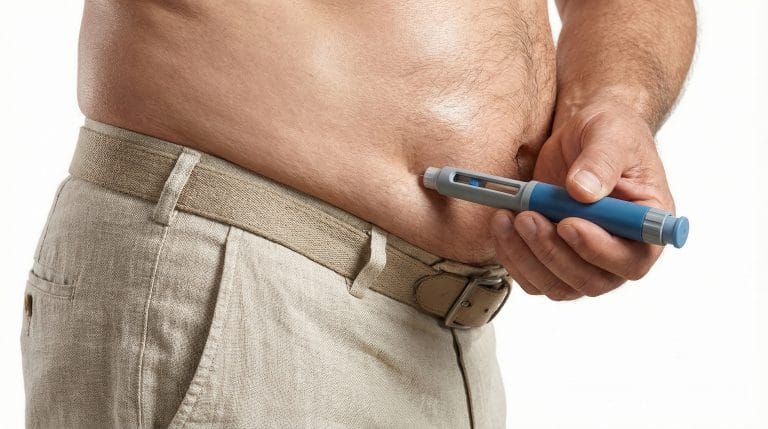
Injection-site reactions are among the most visible Basaglar side effects. Redness, itching, swelling, bruising, or soreness can happen where the needle enters the skin. These symptoms may relate to site choice, needle reuse, alcohol that has not dried, or sensitivity to an ingredient.
Local irritation is different from a generalized allergic reaction. A small sore area may improve with technique review. A spreading rash, hives, wheezing, throat tightness, faintness, or swelling of the face or tongue needs urgent medical review.
Repeated injections into the same small area can cause lipodystrophy (changes in fat tissue) or localized cutaneous amyloidosis (firm protein deposits under the skin). These areas may feel lumpy, thick, rubbery, or dented. Injecting into changed tissue can make absorption less predictable, which may lead to unexpected highs or lows.
Weight gain can occur with insulin therapy because glucose is used and stored more effectively when treatment is working. That does not mean every person will gain weight. It also does not mean weight changes should be ignored. Rapid swelling, shortness of breath, or sudden fluid changes deserve prompt medical review, especially if other medicines are involved.
Weight loss is not a typical expected effect of Basaglar. Unexplained weight loss, repeated high glucose, dehydration symptoms, or illness should be discussed with a clinician rather than assumed to be from insulin.
Safety Cautions That Change the Risk Picture
Basaglar contraindications include use during an episode of hypoglycemia and use after a serious allergic reaction to insulin glargine or an ingredient in the product. If you are unsure whether a symptom is allergy, do not guess. Breathing trouble, throat swelling, severe dizziness, or faintness should be treated as urgent.
Kidney or liver disease does not automatically mean someone cannot use basal insulin. The concern is that these conditions can change insulin needs and raise the risk of lows. Major changes in eating patterns, vomiting, diarrhea, infection, increased exercise, alcohol intake, and changes to other diabetes medicines can also affect glucose patterns.
Official labels also warn about low potassium, known clinically as hypokalemia. This may matter more for people using medicines that affect potassium or for those with certain kidney or heart conditions. Symptoms such as muscle weakness, cramps, irregular heartbeat, or marked fatigue should be reviewed promptly.
Fluid retention and heart failure risk can increase when insulin is used with thiazolidinedione medicines, such as pioglitazone or rosiglitazone. Your prescriber can explain whether that warning applies to your medication list.
Timing, Showering, and Everyday Use Questions
Basaglar dosage timing is a prescribing decision, not a side-effect workaround. Do not split, repeat, skip, or move doses because of a symptom unless your prescriber has given clear instructions. If you have recurring lows or unpredictable readings, bring your glucose log, meal timing, activity notes, injection sites, and medication list to your next review.
Many people ask whether Basaglar can be taken twice a day. Some insulin schedules are individualized, but frequency changes should come from the prescriber. The same caution applies to changing the time of day. A pattern of morning highs, overnight lows, or late-day lows should be reviewed rather than managed by trial and error.
Another common question is whether showering after insulin is unsafe. Showering itself is not usually the central issue. The practical concern is heat, rubbing, or vigorous activity around the injection site soon after dosing. Hot baths, saunas, or heavy exercise can sometimes affect circulation and glucose patterns. If you notice repeated lows around a routine, document the timing and ask your diabetes team.
Quick tip: Keep injection-site notes beside glucose readings, not in a separate place.
Device technique also matters. Use a new needle for each injection, follow the priming instructions, and never share an insulin pen, even if the needle is changed. Sharing pens can transmit infections. For device-focused background, see How To Use Basaglar KwikPen.
Storage and Handling Can Affect Safety
Storage problems can make insulin less reliable. Basaglar generally requires label-directed refrigerated storage before use, with separate instructions after first use. If a pen has been frozen, overheated, or left outside recommended conditions, do not rely on appearance alone. Ask a pharmacist or check the official product information.
Keep insulin away from direct heat and light. Do not use a pen if the insulin looks cloudy, coloured, or contains particles when it should not. Also avoid using insulin past the date or use-period listed in the patient information.
If you are comparing device types, the cartridge format has separate handling details. A related overview is available at Basaglar Cartridge Insulin.
How It Compares With Other Basal Insulin Options
Basaglar and Lantus both contain insulin glargine, so their core safety concerns overlap. Basaglar vs Lantus side effects usually centre on low blood sugar, injection-site reactions, allergic reactions, weight changes, and potassium-related cautions. Still, switching is not just a brand decision. Device, prescription instructions, insurance rules, monitoring, and individual glucose patterns all matter.
Other basal insulins use different active ingredients. Tresiba contains insulin degludec, while Levemir contains insulin detemir. Their timing, device options, and label details can differ. If a clinician discusses alternatives, ask how the change would affect monitoring, low-glucose planning, storage, and follow-up.
For browsing diabetes-related education on the site, the Diabetes Articles category groups broader topics. The Diabetes Products collection is a navigation page for related product listings, not a substitute for clinical advice.
What to Track Before Your Next Diabetes Review
Tracking Basaglar side effects works best when your notes are specific. A short pattern is more useful than a long general description. Record the symptom, date, time, glucose reading, injection site, recent food intake, alcohol use, exercise, illness, missed meals, and medication changes.
- Low-glucose pattern: note timing and frequency.
- Skin pattern: compare one site with others.
- Weight pattern: separate gradual gain from sudden swelling.
- Device questions: write down priming or needle concerns.
- Medication changes: include prescriptions and non-prescription products.
CanadianInsulin.com operates as a prescription referral platform. Where required, prescription details may be confirmed with the prescriber, while dispensing and fulfilment are handled by licensed third-party pharmacies where permitted. Clinical concerns about symptoms, dose timing, or worsening glucose patterns still belong with your prescriber.
Authoritative Sources
- Health Canada consumer information for Basaglar describes warnings, storage basics, and adverse effects.
- The FDA prescribing information for Basaglar lists contraindications, hypoglycemia risk, and interaction cautions.
- The American Diabetes Association hypoglycemia resource explains low blood glucose symptoms and general safety principles.
Basaglar side effects should be taken seriously, but they are easier to review when you can describe the pattern. Seek urgent help for severe low blood sugar, seizure, loss of consciousness, breathing trouble, throat swelling, or faintness. For repeated lows, new skin changes, unexplained swelling, or persistent digestive symptoms, contact your diabetes care team.
This content is for informational purposes only and is not a substitute for professional medical advice.