

Food choices affect how well you tolerate liraglutide (brand name Victoza). Understanding Victoza foods to avoid helps limit nausea, reflux, and swings in glucose. This guide explains common triggers, practical swaps, and safety checkpoints. It also covers timing, digestive effects, and when to discuss changes with your clinician.
Key Takeaways
- Lower-fat, simpler meals generally reduce nausea and reflux risk.
- Small meals, slower eating, and hydration help tolerance.
- Limit alcohol and ultra-processed foods that spike glucose.
- Watch for safety flags like severe abdominal pain or vomiting.
- Discuss transitions, storage, and stopping plans with your prescriber.
Victoza foods to avoid
Victoza slows gastric emptying (gastroparesis-like effect), which can worsen with certain foods. Many people feel better avoiding heavy, high-fat items such as fried foods, rich sauces, fast-food burgers, and creamy desserts. These meals sit longer in the stomach and can intensify nausea, reflux, and early fullness. Very spicy meals, large portion sizes, and rapid eating can also aggravate symptoms.
Sugary drinks, energy drinks, and sweets can spike blood glucose quickly. That swing may be followed by hunger and overeating, which undermines weight and glucose goals. Instead, choose water, unsweetened tea, or diluted fruit juice. When planning carbs, pair them with lean protein and fiber to steady absorption. For food planning beyond glycemic index, see the Food Insulin Index for a different perspective on post-meal effects.
Carbonated beverages may expand in the stomach and worsen bloating or belching. Highly processed snacks with refined flour and added sodium can also drive thirst and water retention. Alcohol can irritate the stomach lining and complicate glucose control. The Victoza prescribing information notes common gastrointestinal reactions such as nausea, diarrhea, and vomiting; dietary choices that reduce gastric load may help tolerance (see prescribing information for details, Victoza prescribing information).
Meal Timing, Portioning, and Tolerance
Most people do better with small, frequent meals rather than two large ones. Eat slowly, pause between bites, and stop at comfortable fullness. Prioritize lean protein, non-starchy vegetables, and modest, high-fiber carbohydrates. This pattern helps steady post-meal glucose and reduces nausea. Some ask about the best time to take victoza for weight loss; keep a consistent daily schedule and follow your prescriber’s guidance on timing.
Gentle hydration supports digestion, but avoid chugging large volumes during meals. If breakfast triggers queasiness, try a small protein-forward option, like eggs or Greek yogurt, and finish the remainder later in the morning. For dose titration steps and practical pacing, see the Dosing Guide to understand how clinicians typically minimize early side effects. If injection discomfort influences meal timing, the Injection Sites overview provides rotation tips to improve comfort.
Digestive Effects and When to Adjust Your Plan
Early digestive symptoms are common and usually settle with time and diet adjustments. Nausea, vomiting, diarrhea, or constipation can occur as your gastrointestinal tract adapts to slower emptying. Consider blander, lower-fat meals during dose changes. Increase fiber gradually and space it across the day to reduce bloating. If symptoms persist or worsen, note triggers and patterns, then discuss them with your healthcare professional.
Many patients ask why does victoza cause diarrhea. Liraglutide activates GLP-1 receptors, which slow gastric emptying and alter gut motility and hormones; some individuals respond with loose stools, while others develop constipation. Severe or persistent abdominal pain, especially radiating to the back, warrants urgent assessment because pancreatitis has been reported with GLP-1 receptor agonists. For a broader list of reactions and cautions, review the Side Effects page, and consider how gastric emptying influences appetite on the Mechanism of Action explainer. Authoritative clinical guidance on adverse effects is also summarized within the ADA’s annual Standards of Care (ADA Standards of Care).
Weight Considerations and Realistic Expectations
Weight change with liraglutide varies. Some people lose weight, some stay stable, and a few gain. Medication alone rarely offsets high-calorie, ultra-processed eating patterns. A protein-forward plate, less liquid sugar, and mindful portions create better conditions for gradual change. Realistic goals and consistent routines usually beat rapid cycles of restriction and overeating. Check-ins with your care team help tailor nutrition and activity plans.
People often wonder why am i not losing weight on victoza. Common reasons include frequent caloric drinks, large evening meals, irregular sleep, low activity, or frequent weekend overeating. Medication dose and adherence also matter but require medical oversight. For lived experiences and balanced expectations, the Weight Loss Journey article highlights typical patterns. If you want broader reading on behavior and nutrition, browse Weight Management for structured, non-promotional guidance.
Comparing GLP-1 Options and Transitions
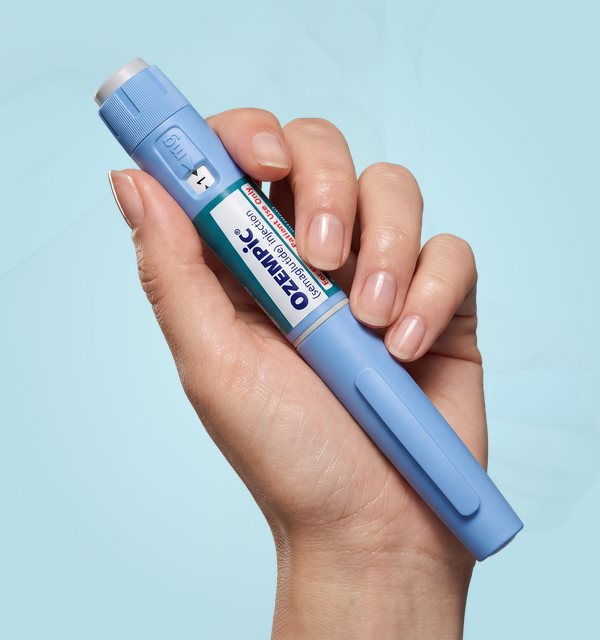
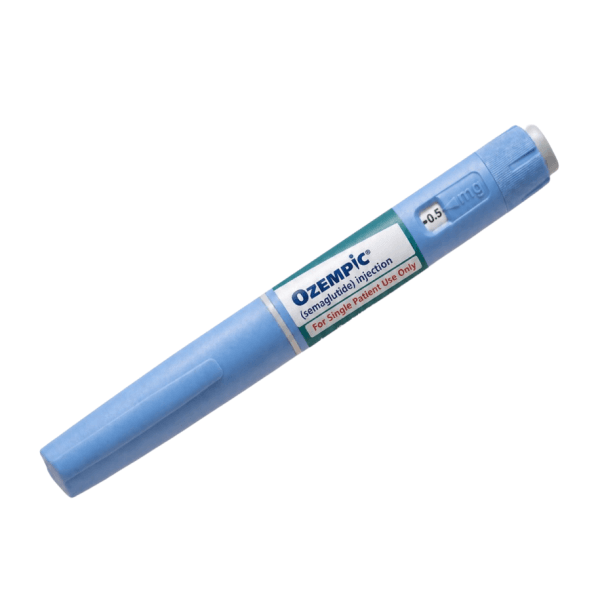
GLP-1 medicines differ by molecule, dosing schedule, and approved indications. Liraglutide (daily) is distinct from semaglutide (weekly), and tirzepatide combines GIP and GLP-1 activity. These differences affect side effect profiles and convenience. If your goals or tolerability change, clinicians sometimes consider switching from victoza to ozempic or other agents. Any switch should reflect your medical history, A1C, weight goals, coverage, and tolerance.
For a structured overview of similarities and differences, see Victoza vs. Ozempic to understand dosing, indications, and precautions. If your clinician is weighing alternatives within the class, Byetta vs. Victoza offers background on earlier GLP-1s and their roles. These comparisons provide neutral context for conversations at your next visit. Always make changes with the guidance of a qualified professional, especially when other diabetes medications are involved.
Storage and Pen Integrity
Proper storage affects potency and safety. Avoid heat exposure, direct sunlight, and freezing. Follow labeled in-use time limits, and discard pens once they exceed the allowed period. If you drop a pen or see discoloration or particles, do not use it. When possible, document lot numbers and dates in a medication log so you can track first use and replacement timelines.
A common concern is what happens if you use expired victoza. Using expired or improperly stored medication can reduce effectiveness and may increase tolerability problems. The manufacturer’s labeling outlines handling and in-use time frames; follow them closely for safety and efficacy (details in the official prescribing information). If expired pens become a recurring issue, see Manage the Cost for strategies that can reduce waste and improve refill planning.
Interactions, Duration, and Stopping
Alcohol intake can worsen nausea and complicate glucose control, particularly with insulin or sulfonylureas. If your regimen includes agents that cause hypoglycemia, ask your clinician about monitoring and dose adjustments when starting a GLP-1. Maintain hydration and carry a source of fast-acting carbs if you use hypoglycemia-prone medications. Also consider interactions with over-the-counter remedies that slow the gut, which might compound constipation.
People often ask how long can you stay on victoza. Duration depends on your response, goals, side effects, and the safety profile documented by your clinician. Some remain on therapy long term if the benefits continue and risks stay acceptable. Others transition to a different GLP-1 or another class. If you plan to stop, ask about tapering and what to monitor afterwards; for risks and signals to watch, see our consolidated Side Effects guidance, which explains when to seek care promptly.
Recap
Choose lighter, lower-fat meals and small portions to reduce GI burden. Space fiber, hydrate steadily, and emphasize protein and non-starchy vegetables. Plan for potential transitions and review storage and safety rules. Use linked resources to discuss personalized changes with your healthcare professional.
Note: Refer to the official labeling and your clinician’s instructions for dosing, storage, and safety decisions.
This content is for informational purposes only and is not a substitute for professional medical advice.