
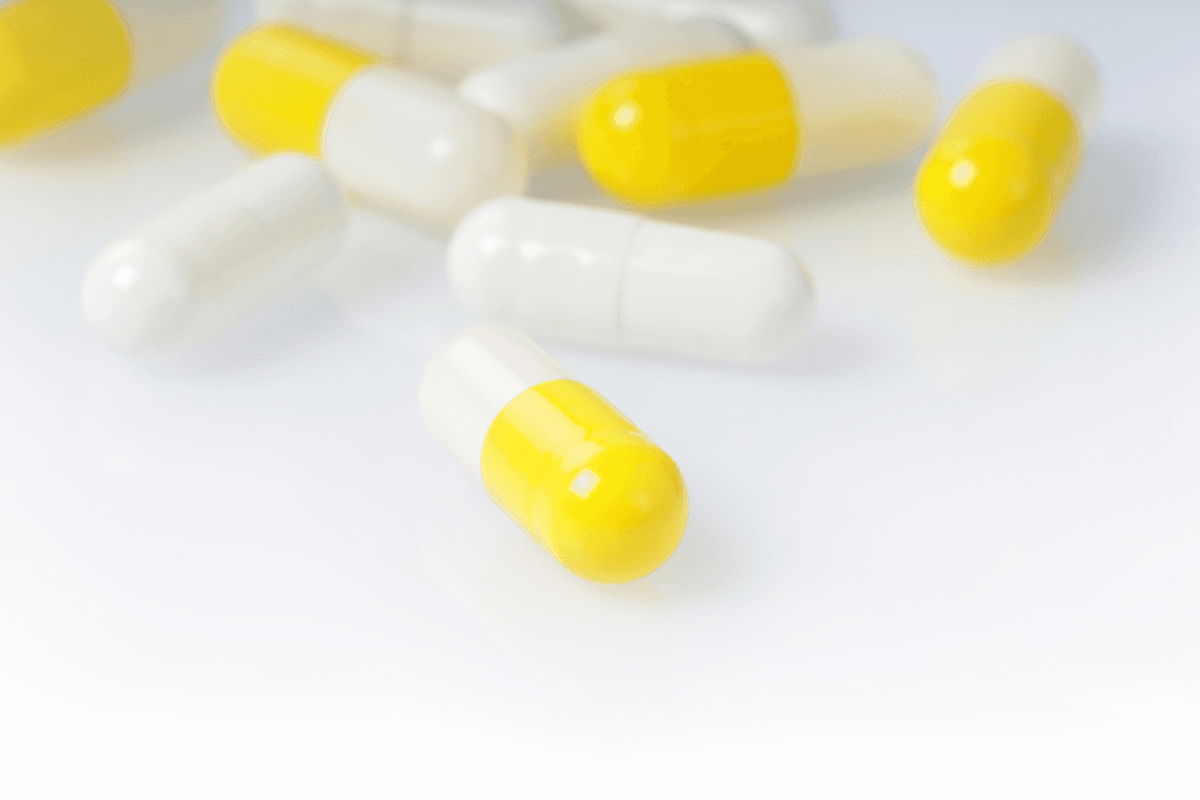
Antirobe capsules are a veterinary form of clindamycin, an antibiotic veterinarians may use for certain bacterial infections in pets, especially dental, wound, skin, and selected bone infections. They are not a general-purpose antibiotic, and they should only be used when a veterinarian decides the infection, species, and patient history make clindamycin appropriate.
This matters because antibiotics work best when they match the likely bacteria. Clindamycin has useful activity against many anaerobic bacteria, which are germs that grow where oxygen is limited. It also reaches some oral and bone tissues well, making it a common option in dental and deep-tissue cases.
Key Takeaways
- Prescription use: Give only under veterinary direction.
- Common targets: Dental, wound, skin, and some bone infections.
- Main side effects: Vomiting, diarrhea, and appetite changes.
- Form options: Capsules and liquid forms may support dosing needs.
- Safety step: Contact the clinic for severe diarrhea, weakness, or allergic signs.
What Antirobe Capsules Are Used For
Veterinarians use Antirobe capsules when clindamycin fits the suspected or confirmed infection. The drug belongs to the lincosamide antibiotic class. It interferes with bacterial protein production, which can slow bacterial growth and help the immune system clear susceptible infections.
Common veterinary uses include infected wounds, abscesses, dental infections, and some soft-tissue infections. In selected cases, a veterinarian may also consider clindamycin for bone infections, often with additional diagnostics and follow-up. The choice depends on the pet’s exam, infection site, culture results when available, and any history of drug reactions.
Coverage is not universal. Clindamycin is usually stronger against anaerobic bacteria and many organisms found in the mouth. It has limited activity against many aerobic Gram-negative bacteria, so it may not be the right choice for every wound or urinary, respiratory, or gastrointestinal concern.
Why it matters: The wrong antibiotic can delay care and increase avoidable side effects.
For a product-level look at typical presentations, the site’s Antirobe page can help you recognize the medication name and form. Use that information as a reference point, not as dosing advice.
How Vets Decide Whether It Fits a Pet
A veterinarian decides on clindamycin by matching the infection pattern to the pet’s health profile. The decision often starts with the location of infection. Mouth infections, bite wounds, and abscesses can involve bacteria that may respond to this class, but the exam still matters.
Culture and sensitivity testing can strengthen the decision. A culture identifies bacteria, while sensitivity testing checks which antibiotics are most likely to work. These tests are especially useful when infections are deep, recurrent, slow to heal, or have already failed a previous antibiotic.
Other factors can change the plan. Pets with liver disease, kidney disease, swallowing problems, or significant gastrointestinal history may need extra caution. The veterinarian also needs to know about other medicines, supplements, and recent antibiotics.
Dogs
Antirobe for dogs is often discussed in dental disease, infected wounds, and abscesses. It may be used after dental procedures when the veterinarian suspects susceptible bacteria are involved. It is not a substitute for cleaning, drainage, extraction, imaging, or wound care when those steps are needed.
Dogs can develop stomach upset while taking clindamycin. Mild signs may include nausea, soft stool, drooling, or reduced appetite. More severe diarrhea, repeated vomiting, lethargy, or blood in stool should be reported promptly.
Cats
Antirobe for cats may be considered in some oral and soft-tissue infections, depending on local labeling and veterinary judgment. Cats can be harder to medicate because capsules may stick in the esophagus. That risk is one reason many veterinarians recommend a small food bite or water chaser after pills, when the cat can safely swallow.
Watch for drooling, gagging, repeated swallowing, hiding, appetite loss, or vomiting. These signs do not always mean a serious reaction, but they deserve attention when they appear after medication.
Side Effects and Safety Cautions
The most common Antirobe side effects involve the gastrointestinal tract. Vomiting, diarrhea, soft stool, gas, and reduced appetite can occur. Some pets tolerate the medicine better with a small meal, but you should follow the label and your veterinarian’s instructions.
Serious reactions are less common but require faster help. Seek veterinary advice promptly if your pet has persistent diarrhea, repeated vomiting, facial swelling, hives, collapse, severe weakness, or trouble breathing. These signs can suggest a significant adverse reaction or a worsening infection.
Clindamycin should not be used in certain species that are highly sensitive to antibiotic-related gut disruption, such as rabbits, guinea pigs, hamsters, and some other small herbivores, unless a veterinarian with species expertise directs care. Keep all pet antibiotics away from other animals in the home.
Drug interactions are another reason to involve the clinic. Tell the veterinarian if your pet takes muscle relaxants, other antibiotics, seizure medicines, steroids, probiotics, supplements, or long-term pain medicines. The clinic can decide whether timing, monitoring, or an alternative antibiotic is safer.
For comparison with other common veterinary antibiotics, you can review Clavamox Uses and Safety and the Cephalexin Dosage Guide. These resources can help you understand why one antibiotic may fit a case better than another.
Capsules, Liquids, and Giving the Medicine
Antirobe capsules are one oral form of clindamycin. Some veterinary settings also use liquid clindamycin products, including Antirobe Aquadrops, when a pet cannot swallow capsules or needs smaller measured amounts. The right form depends on the pet’s size, temperament, infection, and the veterinarian’s dosing plan.
Give the medication exactly as labeled. Do not change the amount, skip doses intentionally, or stop early because the wound looks better. Stopping too soon can leave bacteria behind and may contribute to recurrence or resistance.
Many caregivers ask how to give Antirobe capsules to dogs. A practical approach is the treat sandwich: give a small treat, then the capsule, then another treat. This can reduce taste exposure and make the routine less stressful. If your dog spits out capsules, ask the clinic to demonstrate safe pilling technique or discuss a different form.
Cats need special care with capsules. If your veterinarian approves, a small amount of water or food after the dose may help the capsule move into the stomach. Never force large volumes of liquid into a struggling pet’s mouth, as aspiration can occur.
Quick tip: Keep a simple dose log with appetite, stool, and vomiting notes.
Can the capsules be opened?
Do not open, crush, or split Antirobe capsules unless your veterinarian specifically tells you to. Opening a capsule can make the medicine taste bitter, increase spitting, irritate the mouth, or reduce dosing accuracy. It may also expose caregivers to powder unnecessarily.
If a pet refuses capsules, the safer next step is to call the clinic. The veterinarian may suggest a liquid, a different antibiotic, a compounding option, or a hands-on administration demonstration. Avoid mixing opened capsule contents into a full meal unless directed, because an unfinished meal can mean an incomplete dose.
When to Recheck or Ask About Alternatives
Reassessment is important if the infection does not improve as expected. Your veterinarian may want to recheck the wound, mouth, or skin, especially if swelling, odor, discharge, pain, or fever-like behavior persists. A medication change may be needed when culture results show resistance or when side effects limit use.
Antibiotics are only one part of many treatment plans. Dental infections may need cleaning, extraction, imaging, or pain control. Abscesses may need drainage. Skin infections may return if allergies, parasites, moisture, or wounds remain untreated.
Other veterinary antibiotics may fit different patterns. Doxycycline is often discussed for certain respiratory, tick-borne, or atypical infections; the Doxycycline Antibiotic Guide explains that context. Fluoroquinolones and macrolides have different roles, which you can explore in Baytril Antibiotic and Azithromycin for Pets.
Access, Handling, and Storage Basics
Antirobe capsules are prescription veterinary medication. They are not meant for casual over-the-counter use or for sharing between pets. Even two animals with similar symptoms may need different diagnostics, doses, or antibiotic classes.
Store capsules according to the label, usually in a dry place away from children and animals. Keep the container closed and do not transfer capsules into unmarked bags. If a dose is missed, follow the clinic’s instructions or call for advice rather than doubling up.
Some owners search for Antirobe for humans. Human clindamycin products exist, but pet treatment should still come from a veterinarian. Human and veterinary products can differ in labeling, formulation, suitability, and dosing instructions. Never give a human antibiotic to a pet unless the veterinarian has explicitly prescribed that exact plan.
For broader browsing by topic, the Pet Health Articles collection includes related educational posts. The Pet Health browsing page can also help readers find pet-related medication listings without replacing veterinary advice.
Authoritative Sources
For label-backed product information, see the Zoetis Antirobe package insert. It outlines approved veterinary labeling, species notes, and product-specific cautions.
For the liquid formulation label, review the DailyMed Antirobe Aquadrops label. DailyMed provides structured drug-label information from official submissions.
For antibiotic class background, the Merck Veterinary Manual lincosamides section summarizes mechanism, spectrum, and veterinary pharmacology considerations.
Recap
Antirobe capsules can be useful when a veterinarian needs clindamycin for a susceptible infection. Their most common roles involve dental, wound, skin, abscess, and selected bone infections. Safe use depends on the right diagnosis, the right species, careful administration, and close monitoring for stomach upset or more serious reactions.
When in doubt, call the veterinary clinic before changing the dose, opening capsules, or stopping treatment. That simple step protects your pet and helps preserve antibiotic effectiveness.
This content is for informational purposes only and is not a substitute for professional medical advice.


