
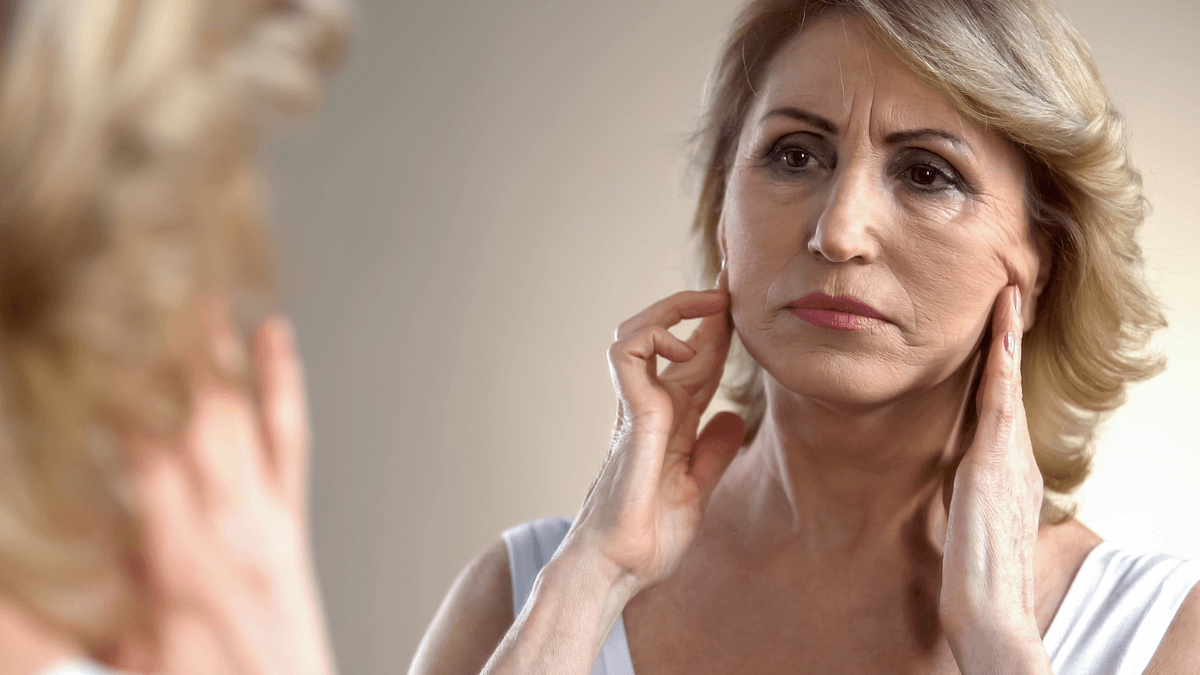
You cannot always prevent facial volume loss during GLP-1 weight loss, but you can lower the risk. The most practical way to learn how to avoid Ozempic face is to focus on slower weight loss, enough protein, resistance training, hydration, and basic skin protection. These steps do not stop normal aging, yet they may reduce the hollow, tired look that can follow rapid fat loss.
“Ozempic face” is not a formal diagnosis. It is a popular term for facial changes that can happen when body fat drops quickly. The cheeks, temples, and lower face may look thinner because facial fat pads shrink and skin has less support.
Key Takeaways
- Pace matters: Rapid weight loss can make facial hollowing more noticeable.
- Protein helps: Adequate intake supports lean mass during weight reduction.
- Strength training matters: Resistance exercise helps preserve body shape and muscle.
- Skin care supports texture: Sunscreen, moisturizers, and retinoids may improve skin quality.
- Procedures are optional: Fillers or collagen-stimulating treatments may help selected people.
What People Mean by Ozempic Face
Ozempic face describes a thinner, more hollow facial appearance after significant weight loss. The term is linked to semaglutide, the active ingredient in Ozempic, but the same appearance can occur after weight loss from many causes. It is not unique to one medication.
Facial fat pads sit under the skin and help support the cheeks, temples, jawline, and under-eye area. When overall body fat decreases, these pads can shrink too. Skin then has less underlying support, which may make lines, folds, and laxity more visible.
The common signs of Ozempic face include flatter cheeks, deeper nasolabial folds, more visible under-eye hollows, sharper temples, and looser skin along the jawline. Some people also notice a more tired facial expression in photos, even when they feel well.
Age changes the picture. Collagen and elastin naturally decline over time. Collagen gives skin structure, while elastin helps it recoil. Adults over 40 may notice facial changes sooner because their skin may not rebound as easily after fat loss.
For medication context, the Ozempic Semaglutide Pens page provides product-format information. For broader GLP-1 expectations, see Semaglutide Weight Loss Medication.
How to Avoid Ozempic Face Without Unsafe Shortcuts
The safest prevention strategy is gradual, medically supervised weight loss. Slower changes give skin and soft tissue more time to adapt. A sudden calorie deficit, dehydration, or overly aggressive training plan can make the face look drawn, even when weight loss is otherwise progressing.
Do not change your GLP-1 dose to protect facial fullness without speaking with your prescriber. Dose changes can affect glucose control, appetite, side effects, and weight trajectory. Your clinician can help balance treatment goals with tolerability and overall health.
Several practical habits may help reduce the risk:
- Avoid crash dieting: Large deficits can accelerate lean tissue loss.
- Prioritize protein: Spread protein across meals when possible.
- Train consistently: Use resistance exercise two to four days weekly.
- Hydrate regularly: Fluid balance affects skin fullness and energy.
- Protect skin daily: Use broad-spectrum sunscreen on exposed skin.
- Sleep enough: Recovery supports appetite control and skin repair.
Why it matters: The goal is not only weight loss, but healthier body composition.
If you are building a nutrition plan around semaglutide, Ozempic Diet Plan outlines food-planning themes that may support steadier progress. For exercise-specific considerations, Ozempic Bodybuilding explains muscle-sparing strategies during weight loss.
Protein, Muscle, and Skin Support
Protein and strength training are the foundation of a prevention plan. They cannot restore facial fat directly, but they help preserve lean mass and body shape while weight changes. This matters because rapid loss of both fat and muscle can create a more depleted appearance.
Most adults benefit from discussing protein targets with a clinician or registered dietitian, especially if they have kidney disease, diabetes, digestive conditions, or a history of disordered eating. Protein needs vary by body size, age, activity level, and health status.
This calculator can help estimate a general protein range based on body weight. It is a planning tool, not a medical prescription.
Protein Intake Calculator
Estimate daily protein grams from body weight and nutrition goal.
These calculations are for education only and do not replace clinical advice, diagnosis, or treatment. Always confirm medical decisions with a qualified healthcare professional.
Choose protein sources you can tolerate while taking GLP-1 therapy. Options may include Greek yogurt, eggs, fish, poultry, tofu, beans, lentils, cottage cheese, or protein-enriched smoothies. Smaller, higher-protein meals may be easier if appetite is reduced.
Resistance training should target major muscle groups. Squats, hip hinges, rows, presses, step-ups, and assisted bodyweight movements can all be useful. Start with manageable loads and progress slowly. If you have joint disease, neuropathy, heart disease, or balance concerns, ask a qualified professional about safe modifications.
Skin Care That May Help
Skin care will not replace lost facial fat. It can, however, support the skin barrier and improve texture over time. A simple routine usually works better than an expensive, complicated one.
In the morning, use a gentle cleanser if needed, then moisturizer and broad-spectrum sunscreen. In the evening, consider a moisturizer and a retinoid if your skin tolerates it. Retinoids are vitamin A derivatives that may improve fine lines and collagen-related skin quality over months.
Introduce retinoids gradually. Irritation can cause peeling and dryness, which may make facial lines look worse short term. People who are pregnant, trying to become pregnant, or breastfeeding should ask a clinician before using retinoid products.
Before-and-After Photos, Celebrities, and Online Comparisons
Before-and-after images can be misleading when lighting, angle, facial expression, makeup, and hydration differ. Many pictures of Ozempic face online are not medically verified. Some may also involve unrelated weight loss, cosmetic procedures, aging, illness, or image editing.
If you want to track your own changes, use the same conditions each time. Take front and side photos monthly, in the same room, with the same lighting and neutral expression. Avoid judging weekly changes, because fluid shifts can alter facial appearance from day to day.
Celebrity comparisons deserve extra caution. Public images rarely include baseline weight, treatment details, nutrition habits, strength training, age, or cosmetic history. Without that context, it is easy to over-interpret a sharper jawline or deeper cheek hollow.
Quick tip: Compare your photos only with your own baseline images.
Some readers also compare facial changes with body changes such as “Ozempic butt.” That term usually refers to flatter buttocks after fat loss. The same principle applies: fat loss changes soft tissue, while strength training may help preserve or rebuild muscle shape.
Can Ozempic Face Be Reversed?
Some facial fullness may improve after weight stabilizes, hydration normalizes, and nutrition becomes more consistent. However, Ozempic face is not always fully reversible through lifestyle alone. The amount of recovery depends on age, genetics, total weight loss, skin elasticity, and baseline facial structure.
“Natural” approaches are most useful when they focus on health basics. These include adequate protein, strength training, sleep, hydration, sun protection, and a steady maintenance plan. Supplements marketed for facial volume should be viewed cautiously, because they cannot selectively restore facial fat pads.
Medical or cosmetic treatment may be reasonable when facial hollowing causes distress despite stable habits. Options can include hyaluronic acid fillers, collagen-stimulating injectables, radiofrequency treatments, ultrasound-based tightening, or surgical consultation in selected cases. A dermatologist or plastic surgeon can explain risks, maintenance, and realistic outcomes.
Conservative treatment usually looks more natural than aggressive correction. Overfilling the midface can distort expression and may create new concerns. Ask about the clinician’s training, complication plan, and whether treatment should wait until your weight has stabilized.
If you want a related comparison, Mounjaro Face explains similar facial-volume concerns with another incretin-based therapy. For longer-term safety context, Long-Term Side Effects of Ozempic covers broader monitoring questions.
Body Changes Beyond the Face
Weight loss can change the buttocks, thighs, calves, arms, and chest as well as the face. These changes are not always harmful, but they can surprise people who expected fat loss only in certain areas. The body does not allow targeted fat loss from one preferred location.
People who search for how to avoid Ozempic face often have the same concern about the lower body. To reduce a flatter appearance in the buttocks, emphasize glute and leg training. Hip thrusts, bridges, squats, Romanian deadlifts, lunges, step-ups, and cable kickbacks can help build muscle when performed safely and progressively.
Calories still matter. If intake becomes too low, the body may struggle to support training, recovery, and lean mass. A dietitian can help adjust meal structure if nausea, early fullness, reflux, or constipation makes eating difficult.
People comparing medication options can review Wegovy for product-specific context, since it is also a semaglutide-based medicine used in weight management settings. The Weight Management Products category can also help readers understand how related therapies are organized on the site.
When to Speak With a Clinician
Speak with your healthcare professional if weight loss feels too fast, eating becomes difficult, or facial changes come with other symptoms. Concerning signs include dizziness, fainting, persistent vomiting, dehydration, severe abdominal pain, yellowing skin or eyes, or symptoms of low blood sugar if you use diabetes medicines that can cause hypoglycemia.
Also ask for help if you notice hair shedding, missed periods, weakness, mood changes, or obsessive checking of photos and weight. These can signal that your nutrition, training, or treatment plan needs review.
Ozempic carries warnings and precautions that go beyond cosmetic changes. These can include gastrointestinal side effects and other serious risks described in official labeling. Anyone with complex medical conditions, pregnancy considerations, or multiple medications should review risks with their prescriber.
If access or prescription details are relevant to your situation, CanadianInsulin.com functions as a prescription referral platform. Where required, prescription details may be confirmed with the prescriber, while dispensing is handled by licensed third-party pharmacies where permitted.
Authoritative Sources
For official medication labeling, review the Ozempic prescribing information, which describes approved uses, warnings, precautions, and adverse reactions.
For general nutrition reference material, the NIH Office of Dietary Supplements provides a consumer resource on protein and daily needs.
For sun-protection guidance, the American Academy of Dermatology explains how to choose and use shade, clothing, and sunscreen.
Recap
Ozempic face usually reflects facial fat loss, skin laxity, normal aging, and the pace of weight reduction. You may lower the risk by losing weight gradually, eating enough protein, strength training, staying hydrated, protecting your skin, and avoiding extreme diets. If changes remain bothersome, a qualified dermatology or plastic surgery consultation can clarify treatment options.
Keep the larger goal in view. Facial fullness matters, but so do strength, metabolic health, nutrition, and a plan you can maintain safely.
This content is for informational purposes only and is not a substitute for professional medical advice.


