Overview
Social posts and headlines can make ozempic danger feel inevitable. In reality, safety comes down to context: your diagnosis, other medications, and how the drug is obtained and used. This guide explains what Ozempic is, what clinicians mean by “risk,” and which problems deserve faster attention. It also covers long-term unknowns, mental health concerns, and the “Ozempic face” conversation.
You will also see how to interpret extreme online stories, including Ozempic horror stories reddit threads. Some reports are useful signals. Many are missing key details like other drugs, dehydration, or counterfeit products. The goal is not to reassure or alarm you. It is to help you ask better questions and recognize practical red flags.
CanadianInsulin is a prescription referral service and does not write prescriptions.
Key Takeaways
- Define the medication: semaglutide is a GLP-1 receptor agonist.
- Separate common effects: nausea differs from persistent severe abdominal pain.
- Keep perspective: ozempic danger often reflects rare events plus misuse.
- Verify the source: counterfeit pens can create unpredictable exposure.
- Plan ahead: stopping therapy can raise rebound risks for appetite.
Understanding Ozempic Danger for Patients
People use the word “danger” to describe very different situations. Sometimes it means expected side effects that are uncomfortable but manageable. Other times it refers to uncommon but serious complications that may need evaluation. It can also mean “dangerous for me,” such as interactions with another drug, an eating disorder history, or pregnancy planning. The same headline can describe more than one of these.
It also helps to separate legality from suitability. Ozempic is a regulated prescription medication. You may see posts asking “is Ozempic banned” or “is Ozempic legal.” In general, the medication is authorized for specific indications set by regulators, and clinicians may also prescribe medications off-label in some settings. None of that guarantees it is appropriate for you. Suitability depends on medical history, monitoring, and realistic expectations.
Finally, internet framing is skewed. Reddit threads titled “is Ozempic dangerous reddit” are usually built around extremes. That can still be useful. Scan for consistent patterns, like dehydration, rapid weight loss, or using medication from unverified sellers. Then bring those patterns to a clinician who can interpret them with your chart in mind.
Core Concepts
Safety discussions are clearer when you know the basics of the drug class, likely side effects, and the most common misuse patterns. This section covers what the medication is, the long-term questions clinicians watch, and the recurring themes behind ozempic danger headlines in everyday life.
What is Ozempic, and is Ozempic a GLP-1?
Ozempic is a brand name for semaglutide. Semaglutide is a GLP-1 receptor agonist, sometimes shortened to “GLP-1.” GLP-1 drugs mimic a natural gut hormone that affects appetite signaling, insulin release, and stomach emptying. In plain terms, they can help lower blood sugar in type 2 diabetes and often reduce appetite. Some people also use related medicines for weight management under different brand names and indications.
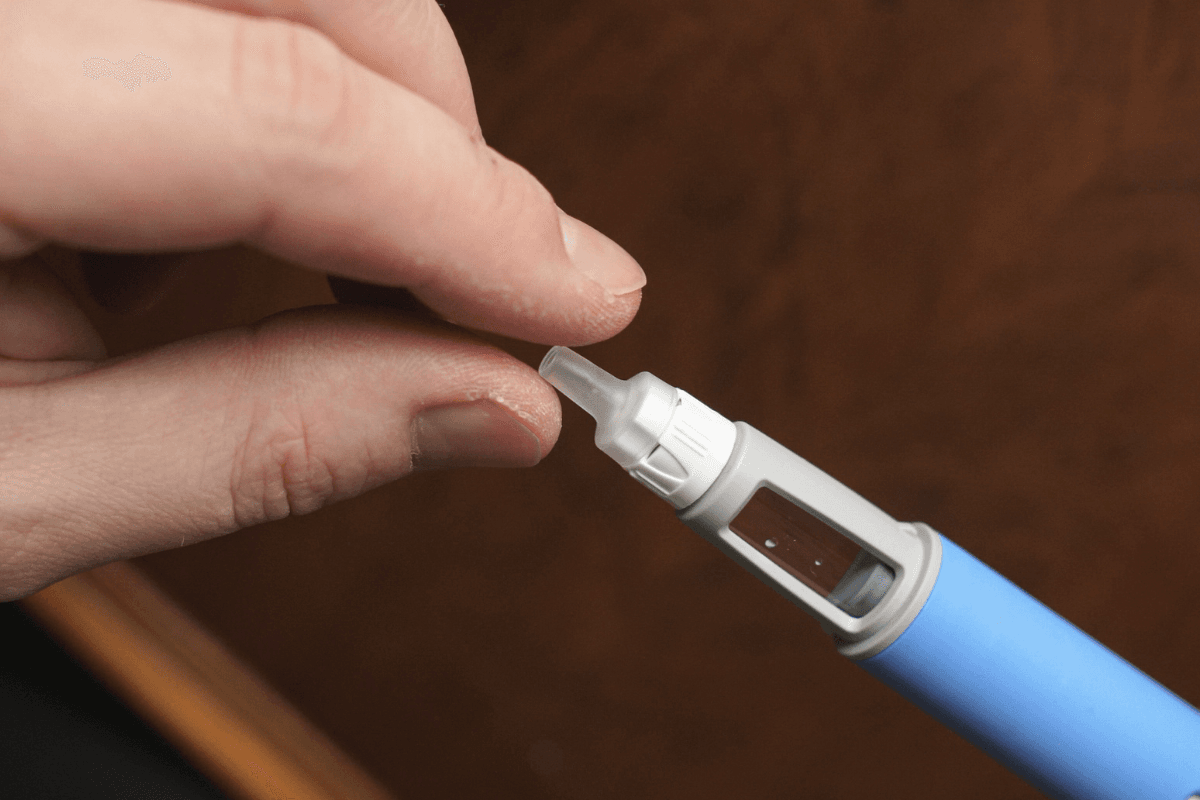
Formulation matters for how people use and store it. For example, semaglutide may be available as an injection pen or as an oral tablet, depending on the product. If you are trying to understand which product name matches which formulation, you can review references like Ozempic Semaglutide Pens and Rybelsus Semaglutide Pills. Your prescriber is the right person to confirm what is appropriate for your diagnosis and goals.
Common side effects versus red-flag symptoms
GLP-1 medicines commonly affect the gastrointestinal (GI) tract. Nausea, reduced appetite, constipation, diarrhea, and reflux-like symptoms are often discussed in labeling and patient experiences. These effects can overlap with day-to-day illnesses. That overlap is one reason people may attribute unrelated symptoms to the drug.
Red flags are different. They are symptoms that are severe, persistent, or unusual for you. Examples people commonly worry about include repeated vomiting with dehydration, weakness, fainting, or severe abdominal pain that does not improve. These can have many causes, including gallbladder disease, pancreatitis, infection, or medication interactions. If you use glucose-lowering therapy with insulin or sulfonylureas, you should also know how low blood sugar can feel and what action plans usually include. The basics are reviewed in What To Do When Blood Sugar Is Low.
Long-term monitoring: what is known, and what is still unclear
People searching long-term side effects of Ozempic often want a simple list. The reality is more nuanced. Some risks are well described in official labeling because they were seen in trials, post-marketing reports, or animal studies. Other concerns are still being studied, especially in people using these drugs for long periods or for reasons outside the original approval populations.
For GLP-1 long-term side effects, clinicians often watch for patterns that can develop over time rather than overnight. These can include gallbladder problems associated with weight loss, kidney stress linked to dehydration during prolonged vomiting, and nutritional issues when nutritional intake stays very low. Labels also contain specific warnings and contraindications, such as thyroid tumor risk observed in rodents and restrictions for certain personal or family histories. If you are evaluating long-term use, ask your clinician which risks apply to you and which symptoms should trigger follow-up, even if they seem mild.
Ozempic risk of gastroparesis and slowed stomach emptying
Gastroparesis (delayed stomach emptying) is a condition where the stomach moves food into the small intestine more slowly than expected. GLP-1 medicines can slow stomach emptying as part of their mechanism. For many people, that effect is modest. For others, it can be more disruptive, especially when combined with other factors like diabetes-related nerve changes.
When people mention Ozempic risk of gastroparesis, they usually mean symptoms such as early fullness, ongoing nausea, vomiting after meals, upper abdominal bloating, and trouble tolerating normal portions. These symptoms can also be caused by reflux, ulcers, infections, or gallbladder disease. That is why clinicians focus on persistence and pattern, not one isolated episode. If you are scheduled for a procedure requiring sedation, tell the care team you use a GLP-1 drug. Slowed gastric emptying can matter for pre-procedure fasting instructions.
Ozempic mental health risks, including mood and sleep changes
Appetite and mood are tightly linked. Rapid changes in eating patterns can affect energy, sleep, and may cause irritability, even without a direct drug effect on the brain. Still, some people report mood changes, anxiety, or feeling “flat.” Concerns online often cluster around Ozempic depression risk and Ozempic insomnia risk, especially during periods of fast weight loss or major diet change.
If you have a history of depression, anxiety, substance use, or an eating disorder, bring it up early. That is not about disqualifying you. It is about planning for monitoring and support. Practical steps include tracking sleep, noting appetite patterns, and watching for social withdrawal or intrusive food thoughts. For deeper reading, see Depression Or Mood Changes and Insomnia Facts. Also be cautious with online advice that frames emotional distress as “normal” and discourages follow-up.
Prescriptions may be confirmed with your prescriber when additional verification is needed.
Ozempic face: what people mean, signs, and reversibility
“Ozempic face” is a popular term for facial changes that can happen after weight loss. Clinically, it usually reflects loss of subcutaneous fat (the padding under skin) plus normal aging changes. People may describe a more hollow look under the eyes, more visible nasolabial folds, or looser skin around the jawline. Searches like signs of Ozempic face and Ozempic face men show that it is not limited to one gender. Baseline face shape, age, hydration, and sleep also influence how noticeable changes appear.
Pictures can mislead. Many pictures of Ozempic face online are taken with different lighting, angles, or filters. “Ozempic face before and after” montages may also reflect weeks of stress, illness, or dehydration. If you are wondering is Ozempic face reversible, the honest answer is “sometimes, partly.” Some people regain facial fullness when weight stabilizes or modest weight is regained. Others notice lasting changes in skin laxity with age. If appearance changes matter to you, discuss pace of weight change, nutrition quality, and realistic expectations with a clinician. For practical, non-procedural strategies, see Avoid Ozempic Face.
How to spot fake Ozempic and reduce counterfeit risk
Counterfeit injectables are a real safety issue because the contents may be incorrect, contaminated, or inconsistently dosed. When people ask how to spot fake Ozempic, they often focus on packaging details. Those checks help, but they are not foolproof. The most reliable protection is obtaining medication through regulated channels that require a valid prescription and have accountable dispensing practices.
Practical red flags include sellers using social media direct messages, offering “no prescription,” or pressuring you with scarcity claims. Be cautious with products that have missing lot information, unusual labeling, or packaging that looks re-sealed. If you suspect a counterfeit, do not keep testing it “to see what happens.” Save the packaging and contact a pharmacist or regulator for reporting steps.
Practical Guidance
Use this section as a preparation checklist. It is designed for clinic visits, pharmacy pickup, and day-to-day safety planning. It does not replace individualized medical advice, but it can help you organize what to discuss and what to document.
When ozempic danger concerns come up, the fastest path to clarity is usually a structured review. Bring a full medication list, including supplements and any compounded products. Note recent changes in diet, alcohol intake, and hydration. If symptoms are happening, log timing around meals, doses, and activity. If you are accessing medications through US delivery from Canada, keep a copy of your prescription and the dispensing pharmacy details in one place.
- Medication list: include injectables, pills, and supplements.
- Symptom pattern: timing, triggers, and what improves it.
- Weight change context: pace, appetite, and hydration.
- Risk history: gallbladder, pancreatitis, thyroid history.
- Mental health: mood, sleep, and food-preoccupation changes.
Quick tip: Save photos of the box and pen label for your records.
| Check | Why it helps |
|---|---|
| Seller requires a prescription | Reduces counterfeit and diversion risk. |
| Packaging looks intact | Re-seals can signal tampering. |
| Label details are consistent | Mismatched fonts or errors are suspicious. |
| Storage instructions included | Missing guidance can indicate illegitimate supply. |
Dispensing is handled by licensed Canadian pharmacies once required documentation is in place.
Some “safety problems” are really interaction problems. Alcohol can worsen nausea, reflux, and dehydration. It can also raise hypoglycemia risk in people using other diabetes medicines. If drinking is part of your routine, review specifics in Ozempic And Alcohol Use. If you travel, plan storage and timing carefully and use a reputable reference like Travel With Ozempic.
Compare & Related Topics
Comparisons help, but they can also create confusion. Ozempic and Wegovy both contain semaglutide, yet they are approved for different primary uses and may be discussed differently in clinics. Other injectable options work through related pathways, such as dual incretin medicines. Switching between products is not a simple “stronger versus weaker” decision. It depends on diagnosis, side effect tolerance, and how outcomes are monitored.
People also compare online narratives. “Ozempic horror stories reddit” posts can sound more alarming than clinical discussions, partly because people rarely post when things are routine. A better comparison is between structured evidence and personal anecdotes. Trials can inform what was observed in studied groups, including the Ozempic study weight loss discussions that circulate online. Anecdotes can highlight rare events or misuse patterns, but they cannot estimate how common something is.
Why it matters: Misreading anecdotal risk can lead to unsafe stopping and restarting cycles.
Rebound is a related topic that deserves planning. When a GLP-1 drug is stopped, appetite signals may return and routines may slip. That is where ozempic danger talk often shifts from side effects to Ozempic rebound risks like rapid regain and distress. If you are evaluating discontinuation or a pause, review practical considerations in Ozempic Rebound. Finally, consider who is using the medication. Ozempic risks for non diabetics can look different, especially if the person starts from a lower baseline weight or has disordered eating vulnerability. In those cases, screening for Ozempic eating disorder risk and ensuring follow-up support matters as much as GI monitoring.
Authoritative Sources
For the most reliable and up-to-date safety details, use regulator and manufacturer resources. These sources summarize contraindications, key warnings, and what to do with suspected counterfeits. They are also the best place to confirm whether a product is authorized and how it should be handled.
If you want more background reading within CanadianInsulin, you can browse the Articles Archive and focus on topics that match your concerns. As a final check, remember that real-world risk is shaped by your health history, your medication mix, and the legitimacy of the supply chain. With those pieces clarified, discussions about safety become more specific and less fear-driven.
This content is for informational purposes only and is not a substitute for professional medical advice.
________________________________________________________________________________________________________
Medically Reviewed By: Ma Lalaine Cheng.,MD.,MPH