
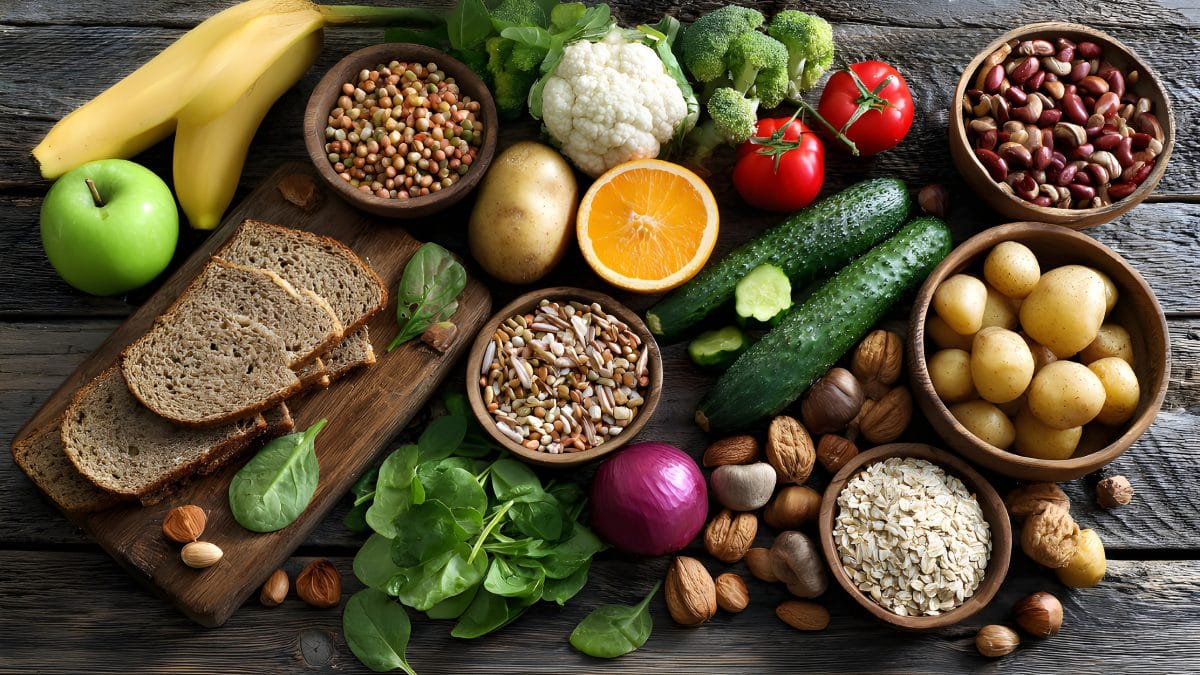
High-fiber vegetables for constipation can help because they add stool bulk and support more regular bowel movements, but there is no single best choice. Vegetables that often stand out include broccoli, Brussels sprouts, green peas, artichokes, carrots, sweet potatoes, and leafy greens. Cooked forms may be easier to tolerate if you also feel bloated or gassy. This matters because a large fiber increase, especially without enough fluid, can make constipation worse before it improves.
Key Takeaways
- No single vegetable fixes constipation; variety and consistency matter more.
- Broccoli, Brussels sprouts, peas, artichokes, carrots, sweet potatoes, and greens are practical higher-fiber choices.
- Increase fiber slowly and drink enough fluid, or stools may become harder.
- Movement, regular meals, and bathroom timing support bowel motility.
- Seek medical advice for severe pain, vomiting, blood in stool, or ongoing symptoms.
Best High-Fiber Vegetables for Constipation
The best choice is usually the vegetable you can eat often without significant bloating. In practice, several options rise to the top because they offer a useful mix of fiber, water, and meal flexibility. If raw vegetables feel harsh, start with cooked versions and smaller portions.
| Vegetable | What makes it useful | Try it this way |
|---|---|---|
| Artichokes | One of the more fiber-dense vegetable choices | Hearts in grain bowls or pasta dishes |
| Green peas | Convenient, easy to portion, and more filling than many watery vegetables | Frozen peas in soups, rice, or side dishes |
| Broccoli | Provides bulk and works well cooked | Steamed florets with dinner |
| Brussels sprouts | Higher-fiber cruciferous option that suits roasting | Roasted until tender |
| Carrots | Gentler texture when cooked and easy to add daily | Roasted or steamed sticks |
| Sweet potatoes with skin | Combine fiber with a soft, easy-to-eat texture | Baked as a side dish |
| Spinach or collards | Easy to add volume to meals without much prep | Sautéed or stirred into soups and eggs |
| Winter squash | Soft option that may feel easier on a sensitive stomach | Roasted cubes or puréed soup |
Among vegetables, artichokes, peas, Brussels sprouts, and broccoli are often mentioned because they tend to provide more fiber than lettuce or cucumber. Still, there is no single champion food. If you only tolerate roasted carrots or a baked sweet potato, that consistent habit may help more than a ‘perfect’ vegetable you rarely eat.
If you want the shortest answer to what helps most, choose one dense, repeatable option and keep it in your routine. Green peas and artichokes are often singled out for fiber density. Broccoli and Brussels sprouts are common because they are easy to find. Sweet potatoes and carrots can be gentler when your stomach feels sensitive.
Cooked Can Be Easier at First
Raw vegetables can help, but they are not automatically better. Steaming, roasting, or sautéing can soften plant cell walls and make vegetables easier to digest. Many people with constipation also have bloating. In that case, cooked broccoli, carrots, spinach, or winter squash may be more comfortable than a large raw salad.
Vegetables That Help Less
Very watery vegetables such as iceberg lettuce, cucumber, and celery still have nutritional value, but they usually do not move the needle as much on constipation because they provide less fiber per serving. Juicing vegetables also removes much of the fibrous structure. A blended soup keeps more fiber than juice, but whole vegetables usually do more for fullness and stool bulk.
Why it matters: The most effective fiber plan is the one you can repeat most days.
How Fiber Helps Constipation
Constipation can mean infrequent bowel movements, hard stools, straining, or a sense that you did not fully empty. Fiber helps by changing stool texture and supporting bowel movement regularity. Some fibers absorb water and form a softer gel-like material. Others add bulk and may help stool move through the intestines more efficiently.
Soluble And Insoluble Fiber Both Matter
Soluble fiber dissolves in water and can help stools stay softer and more formed. Insoluble fiber adds bulk and can support transit time, or how quickly material moves through the digestive tract. Most vegetables provide a mix rather than only one type. That is one reason a varied plate often works better than relying on one food.
High-fiber vegetables for constipation are most helpful when they fit into an overall eating pattern. Whole grains, beans, fruit, seeds, and legumes may add even more total fiber than vegetables alone. If you are asking which food has the most fiber, the answer is usually not a single vegetable. It is a consistent pattern of higher-fiber foods across the day.
Another overlooked factor is meal size. The colon often responds to food volume. If you are eating very little because of stress, illness, or appetite suppression, even a high-fiber side dish may not be enough to create regular stool volume. That is one reason constipation sometimes shows up during dieting or after a stomach illness.
Fluid Changes The Result
Fiber works best when there is enough liquid in the gut. If you sharply increase fiber while drinking very little, stool can become harder, not easier to pass. You do not need a complex hydration formula. A simple rule is to drink regularly through the day and pay attention to thirst, urine color, and whether stools are getting drier as you add fiber.
Bowel motility (the wave-like movement of the intestines) also responds to meals, movement, and routine. A short walk after meals and a calm toilet routine can matter almost as much as your vegetable choice.
How to Add More Fiber Without More Bloating
Start lower and go slower. That is the safest way to use high-fiber vegetables for constipation without creating excess gas, cramping, or early fullness. Many people do better when they add one serving at a time and keep that change steady for several days before adding more.
- Pick one reliable vegetable you already tolerate.
- Use cooked or roasted forms before large raw salads.
- Add the new food to one meal each day.
- Drink fluid regularly with meals and between them.
- Keep meals steady instead of skipping and overeating later.
- Try a toilet routine after breakfast to use the gastrocolic reflex (the natural increase in bowel activity after eating).
- Track stool texture, bloating, and straining for a week.
Frozen vegetables count. So do canned vegetables when they fit your needs. If shopping or meal prep is the barrier, convenience often beats ambition. A bag of frozen peas or broccoli used consistently is more useful than fresh produce that spoils in the refrigerator.
Morning can be a useful time to build the habit. Eating breakfast and setting aside a few quiet minutes afterward can help trigger the body’s normal bowel activity. Do not sit and strain for long periods, but do give yourself a regular opportunity instead of waiting until the urge disappears.
Quick tip: Pair fiber changes with one repeatable meal, such as dinner, so the habit sticks.
If you also have irritable bowel symptoms, very large servings of cruciferous vegetables may trigger gas. That does not mean fiber is wrong for you. It may simply mean you need a smaller portion, a cooked form, or a different choice such as carrots, spinach, or sweet potato.
There is also no single cultural trick that prevents constipation. Patterns that emphasize plant foods, regular meals, and daily movement tend to matter more than any one national food tradition.
When Vegetables Are Not Enough
Constipation is not always a fiber problem. It can also follow dehydration, low overall food intake, travel, a change in routine, limited physical activity, or medication use. Low-fiber foods are not automatically harmful, but a pattern dominated by highly processed foods, sweets, or ice cream will not usually give the gut enough bulk to work with.
Low-fiber comfort foods are not off limits, but they should not crowd out the foods that support regularity. Ice cream, cheese-heavy meals, and refined snack foods may be easier to eat when you feel unwell, yet they do little to add stool bulk. If constipation is active, it often helps to think in terms of substitution: add a fiber-rich side rather than only removing foods.
Medication changes deserve special attention. Iron supplements, some antacids, opioid pain medicines, and other drugs can slow the gut. Some people also notice bowel changes after starting weight-management treatments because appetite, meal size, and digestive side effects can shift together. If that applies to you, it may help to browse broader Gastrointestinal Topics, review general GLP-1 Drug Risks, or check medication-specific pages such as Wegovy Side Effects and Mounjaro Side Effects before you speak with your prescriber.
Where permitted, dispensing is handled by licensed third-party pharmacies.
If vegetables help only a little, look at the whole pattern. Are you eating enough total food? Are you skipping breakfast? Are you ignoring the urge to have a bowel movement because of work or travel? Are you spending long periods sitting? These factors can make constipation persist even when your plate looks healthier.
It is also possible to have constipation with a condition that needs a different approach, such as irritable bowel syndrome with constipation, pelvic floor dysfunction, or a structural problem in the colon or rectum. In those cases, more fiber may help somewhat, have no effect, or occasionally make bloating worse. That is why severe or persistent symptoms deserve a proper evaluation.
When to Get Medical Advice
You should not rely on diet alone if constipation is severe, new and persistent, or accompanied by warning signs. Food is reasonable first-line self-care for many mild cases, but it is not a substitute for evaluation when something feels off.
- Blood in the stool or black stools
- Severe or worsening abdominal pain
- Vomiting or inability to keep fluids down
- A swollen abdomen or inability to pass gas
- Unexplained weight loss or fever
- A major change in bowel habits that does not improve
Get advice sooner if you are older, have a history of bowel disease, recently started a new medication, or feel blocked despite repeated straining. A clinician may ask about stool pattern, recent medicines, fluid intake, diet, stress, travel, and pelvic floor symptoms. That broader review is often more useful than chasing one best food.
If a prescription is required for a related treatment, details may be confirmed with the prescriber.
For many people, the practical goal is not a perfect food list. It is a routine that you can keep: regular meals, enough fluid, daily movement, and vegetables you actually enjoy eating. High-fiber vegetables for constipation can be part of that plan, but they work best alongside the rest of the basics.
Authoritative Sources
- MedlinePlus overview of constipation self-care and warning signs
- Mayo Clinic chart of higher-fiber foods
- Johns Hopkins advice on foods that may help constipation
Further reading: if your bowel habits changed around a new medication, review side effects with a clinician rather than making major diet changes on your own.
This content is for informational purposes only and is not a substitute for professional medical advice.


