
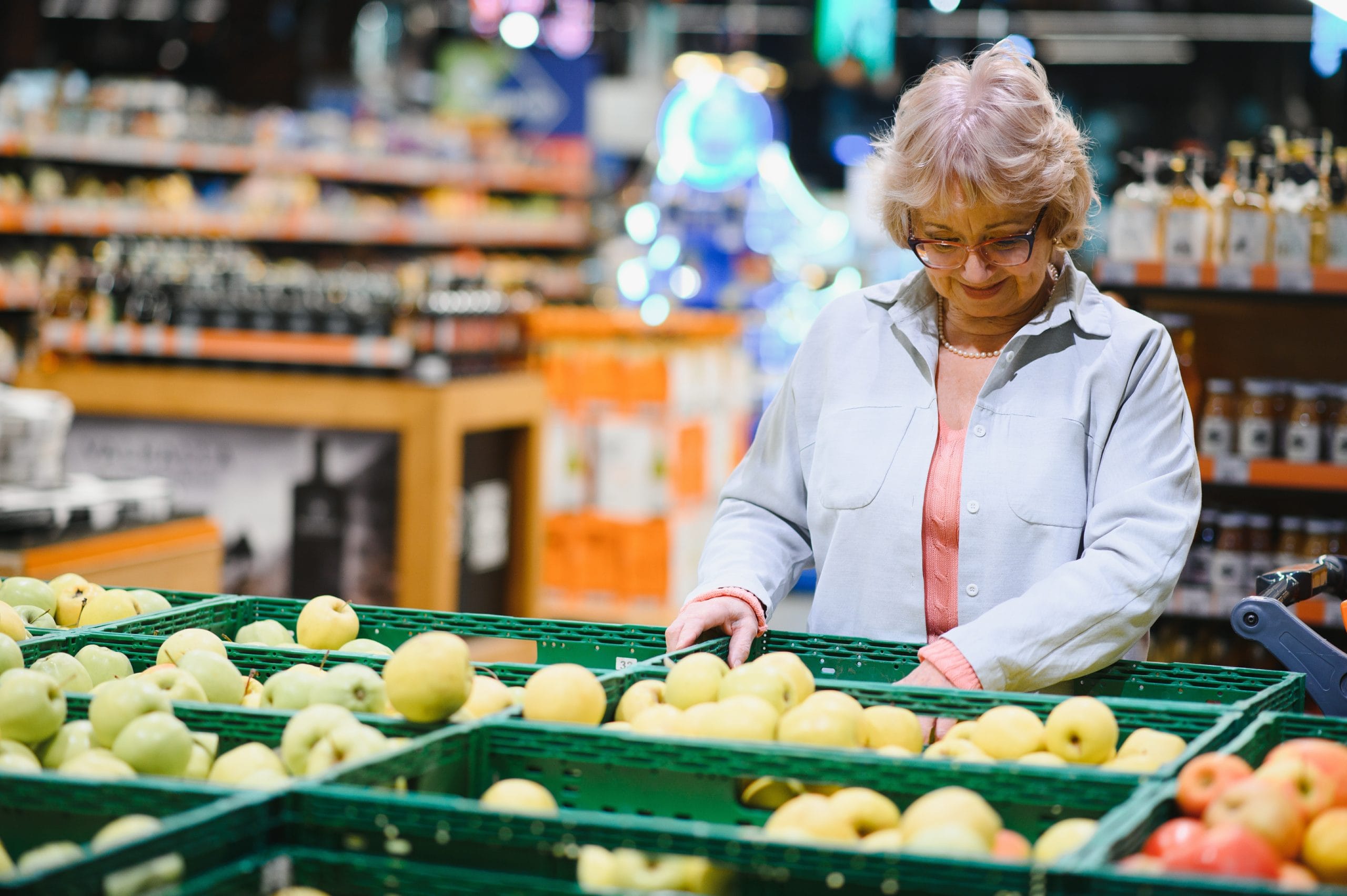
The short answer is yes: whole fruit can usually fit a diabetes meal plan. When people ask what fruits are good for diabetics, the best options are usually whole fruits with fiber and a more moderate effect on blood sugar, such as berries, apples, pears, citrus, cherries, and kiwi. Portion size, ripeness, and whether the fruit is eaten whole, dried, juiced, or blended often matter just as much as the fruit itself. This matters because fruit offers vitamins, water, and fiber, but some forms raise glucose faster than others.
Key Takeaways
- Whole fruit usually fits better than juice or syrup-packed fruit.
- Berries, apples, pears, citrus, cherries, and kiwi are common starting points.
- Portion size matters more than finding one perfect fruit.
- Dried fruit, smoothies, and large servings can raise blood sugar faster.
- Your glucose pattern, medicines, and meal context still matter.
What Fruits Are Good for Diabetics in Daily Meals
The fruit choices that usually work best are whole fruits that are easy to portion and naturally contain fiber. Fiber slows digestion, which can soften the rise in blood sugar after a meal or snack. Water content helps too. That is why berries, apples, pears, oranges, peaches, plums, and kiwi often show up near the top of practical lists.
Fresh fruit is not the only option. Unsweetened frozen fruit can fit just as well, and canned fruit packed in water or its own juice may also work when labels are simple and portions stay reasonable. The biggest difference is usually not fresh versus frozen. It is whole versus sweetened, concentrated, or heavily processed.
No single fruit is best for every person. A small banana may work well for one person, while grapes may be easier for another because they can count out a portion. If you use insulin or another glucose-lowering medicine, fruit still counts as carbohydrate and needs to fit your overall plan. For broader food and monitoring context, the Diabetes Hub and Type 2 Diabetes Hub can help you browse related topics.
Why it matters: Fruit quality matters, but portion and format often matter more.
It also helps to think beyond sugar alone. A fruit with some fiber and a clear serving size may fit better than a sweetened yogurt, granola bar, or bottled fruit drink marketed as healthy. Fruit is not a problem food by default. The goal is to choose forms that work with your blood sugar pattern, not to avoid fruit altogether.
Best Fruit Choices and Why They Often Fit Well
Several fruits tend to fit well because they balance taste, fiber, water, and portion control. These are not magic foods, and they are not the only options. They are simply common places to start when you are trying to build a blood sugar-friendly routine.
| Fruit | Why it often works well | What to watch |
|---|---|---|
| Berries | High fiber for the volume and easy to add to yogurt or oats | Sweetened frozen berries or toppings change the picture |
| Apples and pears | Portable, filling, and more satisfying with the skin on | Very large fruit can equal more than one usual serving |
| Citrus fruits | Segmented portions and helpful fiber in the whole fruit | Juice removes fiber; grapefruit can affect some medicines |
| Cherries | Small portions can feel satisfying when you want something sweet | It is easy to keep eating if you do not portion them first |
| Kiwi, peaches, plums, apricots | Flavorful and generally easy to pair with a meal or snack | Dried versions are much more concentrated |
| Melon | Hydrating and light | Lower fiber means very large bowls can add up fast |
Berries are often the easiest starting point. Blueberries, strawberries, raspberries, and blackberries all provide fiber and tend to be easy to portion. Apples and pears are another practical choice because they travel well and feel more filling than juice or fruit puree. Citrus fruit can also work well, especially when eaten as whole segments instead of juice.
Bananas, grapes, mango, pineapple, and watermelon are not forbidden. They just need a little more attention to portion size for some people because they are easy to eat quickly or in large amounts. Ripeness can matter too. A very ripe banana may affect blood sugar differently than a firmer one, and a large bowl of grapes is not the same as a measured serving.
Avocado is technically a fruit, but most readers mean sweet fruit when they ask this question. It can still be a healthy food, yet it does not fully answer the practical issue of which everyday fruits are easiest to fit into meals and snacks. For most people, that answer still starts with whole fruit that is high in fiber and easy to measure.
Fresh, Frozen, Juiced, or Dried: The Form Matters
The forms that usually fit best are fresh fruit and unsweetened frozen fruit. Canned fruit packed in water or its own juice may also work. The forms that need more care are juice, dried fruit, syrup-packed fruit, and large smoothies. Those choices can deliver a lot of carbohydrate quickly and with less fullness.
Juice is the clearest example. It can raise blood sugar faster because it removes much of the slowing effect that comes from chewing whole fruit and eating its fiber. Dried fruit has the opposite problem. It keeps the fruit nutrients, but the water is gone, so a small handful can equal a much larger serving of fresh fruit.
Smoothies sit in the middle. A smoothie made from whole fruit is not the same as soda, but it is still easier to drink quickly than it is to eat the same fruit whole. That can make the portion larger than you realize, especially if juice, sweetened yogurt, or honey are added.
- Fruit juice: absorbed quickly and low in fiber
- Dried fruit: small volume, concentrated carbohydrate
- Canned in syrup: added sugar on top of fruit sugar
- Large smoothies: easy to drink more than one serving
- Fruit snacks: often more candy than fruit
Quick tip: Measure a usual fruit portion once so your bowl or handful does not mislead you.
Instead of asking which fruit is bad, it often helps to ask which form is least processed and easiest to portion. Whole fruit usually wins that comparison. That is why everyday advice often sounds less like a ban list and more like a format rule.
Can You Eat Fruit Every Day If You Have Diabetes?
Yes, many people with diabetes can eat fruit every day. The key is to fit fruit into the full meal pattern rather than treating it as free food or as a food to fear. For some people, fruit works best with breakfast or lunch. For others, a small fruit paired with protein or fat is the steadiest snack.
Pairing matters because it slows the meal down. Fruit with plain yogurt, nuts, seeds, cheese, or a meal that already includes protein often causes a different response than fruit eaten alone on an empty stomach. If you track carbohydrates, fruit still counts. If you use a glucose meter or continuous glucose monitor, your own readings can help show which portions work best for you.
If weight is also part of the picture, the Weight Management Hub covers appetite, nutrition, and treatment context. Some people with type 2 diabetes also use medicines discussed in GLP-1 Explained, Generic Ozempic Explained, and Ozempic Alternatives. Those pages are about treatment background, not food rules, but they help explain why appetite, meal size, and digestion can feel different from person to person.
Medication questions on this site may require checking prescription details with your prescriber.
One more point matters here: hypoglycemia (low blood sugar) treatment is different from everyday fruit choices. If a clinician has told you to treat low blood sugar with fast sugar, fruit juice or glucose tablets may have a role. That does not make juice the best everyday fruit option. It simply serves a different purpose.
Which Fruit Is Lowest in Sugar, and Does GI Matter?
No single fruit decides diabetes control. Some berries, kiwi, and small citrus fruits are often lower in sugar per serving than large bananas, grapes, or mango. Lemons and limes are also low in sugar, but most people do not eat them as stand-alone fruit. In real meals, the better question is usually how a usual portion fits your day.
Glycemic index, or GI, is one tool. It describes how quickly a food may raise blood sugar compared with a reference food. Glycemic load adds portion size, which makes it more practical. Even so, GI is not a full answer. Ripeness, fiber, meal composition, activity, and your medicines all affect the result.
That is why what fruits are good for diabetics is really a question about patterns, not rankings. A cup of berries with breakfast may work well. A large smoothie made with fruit juice, sweetened yogurt, and honey may not. Whole fruit eaten slowly is usually more predictable than liquid fruit calories.
If you take several medicines, remember that grapefruit can interact with certain drugs. That issue is not unique to diabetes, but it is worth checking before you make grapefruit a daily habit. A lower-sugar fruit is only helpful when it also fits the rest of your care plan.
How to Make Fruit Work With Your Diabetes Plan
The most useful approach is simple: start with whole fruit, keep portions visible, and watch patterns over time. This works better than memorizing a short list of supposedly good or bad fruits.
- Choose whole fruit first
- Keep portions consistent
- Pair fruit with protein
- Count fruit in your carbs
- Use dried fruit sparingly
- Skip syrup-packed options
- Notice your glucose patterns
For example, an apple with nut butter may work better than apple juice with crackers. A few berries over plain yogurt may feel steadier than a sweet smoothie. If you keep seeing high readings after fruit, look at the portion, the form, and what else was in the meal before assuming all fruit is the problem.
People asking what fruits are good for diabetics often do best with one or two repeatable choices at first. Pick a few fruits you enjoy, measure them for a week, and see how they fit. That is usually more useful than chasing an online list of perfect foods.
When to Get Personalized Advice
Ask for individualized nutrition advice if even modest fruit portions seem to cause large glucose swings, if you use mealtime insulin and need help with carbohydrate counting, or if you have kidney disease, digestive disorders, or another condition that changes your diet. A registered dietitian or diabetes educator can help you match fruit choices to your medicines, schedule, and glucose targets.
Personal advice also matters if you have nausea, early fullness, or gastroparesis (delayed stomach emptying). Some people looking into Ozempic And Gastroparesis or Mounjaro Side Effects find that meal size and texture affect comfort as much as food type. In that setting, the right fruit choice may depend on tolerance as well as blood sugar.
When medicines are involved, licensed third-party pharmacies handle dispensing where permitted.
Fruit can be part of a healthy diabetes plan. If the basics are not working, the next step is not to ban fruit. It is to look more closely at portions, pairings, timing, and the rest of your care plan.
Authoritative Sources
For basic fruit guidance from a major group, the American Diabetes Association overview on fruit explains common choices and everyday portions.
For meal planning context from a public agency, the CDC diabetes eating guidance reviews plate-building and carbohydrate awareness.
For broader nutrition background from NIH, the NIDDK page on diet, eating, and physical activity covers practical food planning.
The short version is simple. Whole, fiber-rich fruit usually fits better than juice, dried fruit, or sweetened fruit products. Berries, apples, pears, citrus, cherries, and kiwi are common starting points, but the best choice is the one that fits your portion, meal, and glucose pattern.
This content is for informational purposes only and is not a substitute for professional medical advice.


