
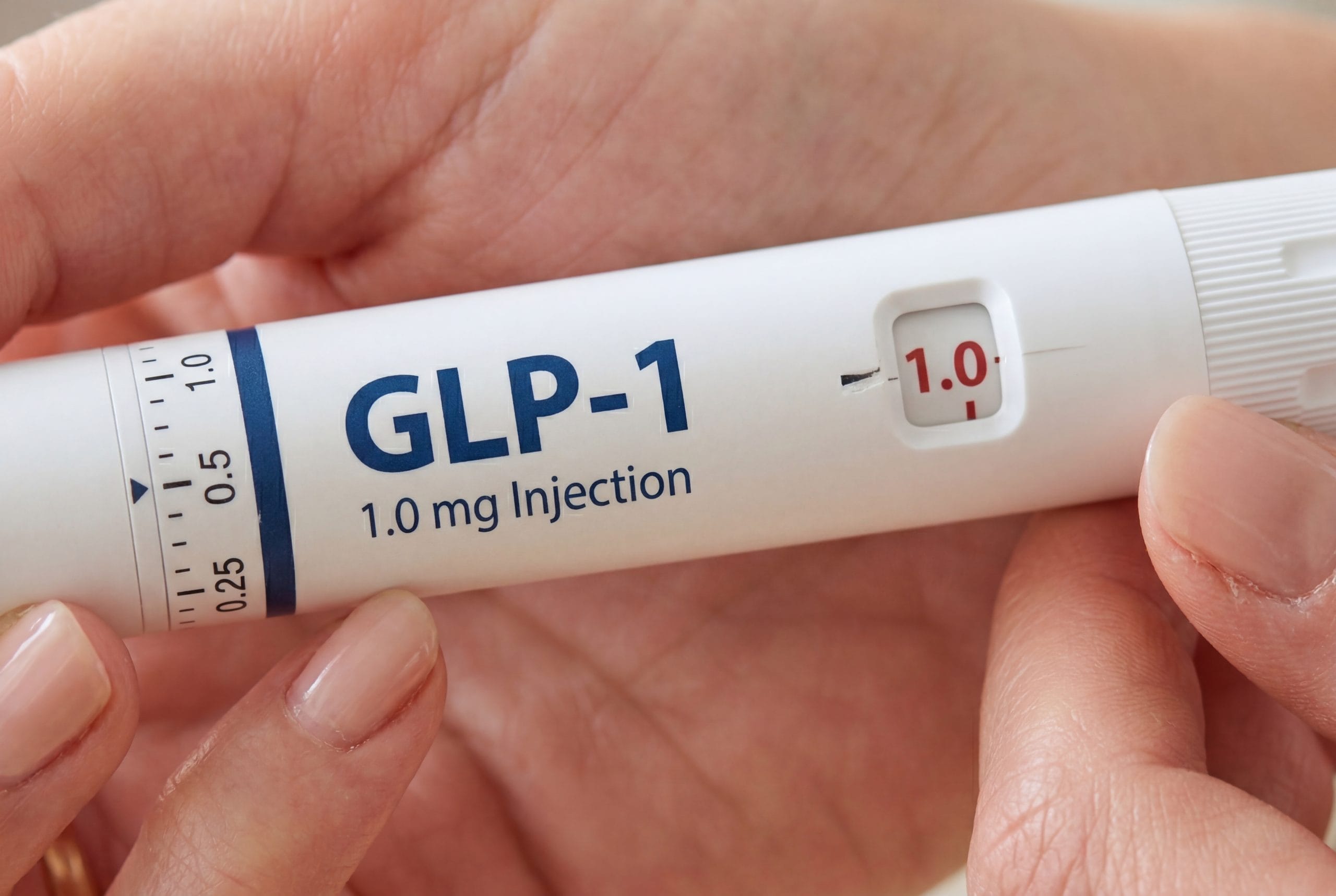
If you’ve asked what is glucagon like peptide 1, the short answer is that it is a hormone your intestines release after you eat. Often shortened to GLP-1, it helps coordinate blood sugar control, slows stomach emptying, and signals fullness. That matters because several widely discussed medicines work by mimicking or extending this same pathway in people with type 2 diabetes or obesity.
GLP-1 has also become a catch-all term in news coverage. It may refer to the natural hormone, the receptor it binds to, or the medications built around that system. Those ideas are related, but they are not identical. Separating them makes it easier to understand benefits, limits, side effects, and why one product may fit one person better than another.
Key Takeaways
- GLP-1 is a natural gut hormone released after meals.
- It helps regulate blood sugar, digestion, and fullness.
- GLP-1 medicines copy part of that signal for longer.
- The hormone itself is not the same as the drug class.
- Suitability depends on the product label, risks, and care goals.
Why it matters: One hormone helps explain both glucose control and the effects of a major drug class.
What Is Glucagon Like Peptide 1 in Plain Language?
Glucagon-like peptide-1 is an incretin (a gut hormone signal that helps coordinate insulin after meals). Specialized L-cells in the intestine release it when nutrients arrive. Despite the name, it is not the same hormone as glucagon. The word ‘like’ points to its place in a related hormone family, not to identical function.
Once released, GLP-1 helps the pancreas make more insulin when glucose is elevated, lowers glucagon output, slows gastric emptying (how quickly food leaves the stomach), and increases satiety (fullness). These effects are strongest after meals. The natural hormone is short-lived because the body breaks it down quickly, so its signal does not last very long on its own.
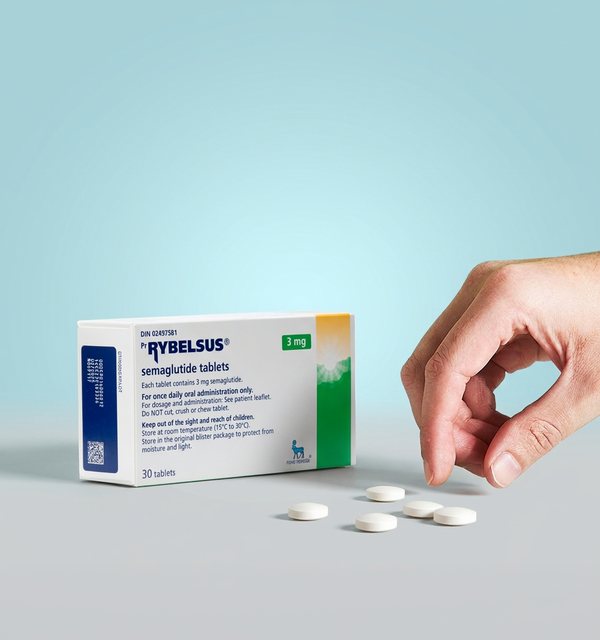
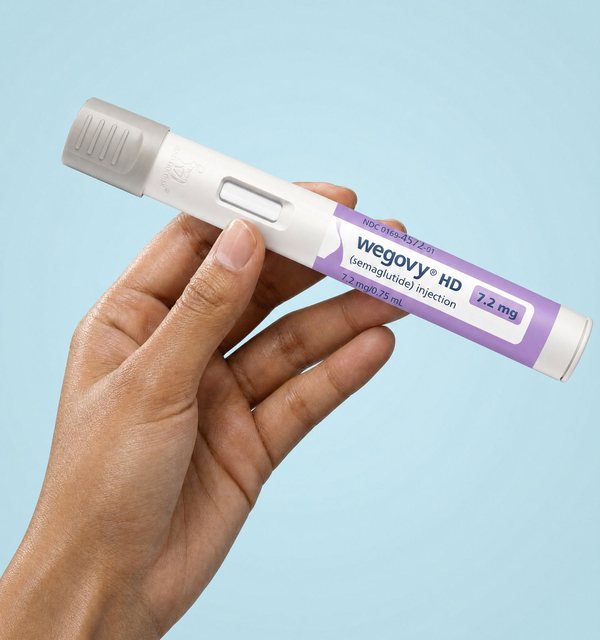
People reading GLP-1 Explained or asking what is glucagon like peptide 1 often mean two things at once: the hormone itself and the medicines that copy it. A GLP-1 receptor agonist is a drug that activates the same receptor for longer than native GLP-1 can. That is why the biology and the medications are connected, but not interchangeable.
| Term | What it means | Why it matters |
|---|---|---|
| GLP-1 | A natural hormone released after eating | It helps regulate glucose, digestion, and fullness. |
| GLP-1 receptor agonist | A medicine that activates the same receptor | It extends the pathway for clinical use. |
| Dual incretin medicine | A drug that targets GLP-1 plus another pathway, such as GIP | It is related to GLP-1 therapy, but not the same category. |
| GLP-2 | A different hormone with a different role | It should not be confused with GLP-1. |
This site acts as a prescription referral platform, not a dispensing pharmacy.
How GLP-1 Works After a Meal
GLP-1 works by linking the gut, pancreas, stomach, and brain after a meal. It is one of the body’s main fed-state signals, so it helps explain why eating changes blood sugar, digestion, and appetite at the same time.
Blood Sugar Signals
At the pancreas, GLP-1 helps increase insulin release when glucose is high and can reduce glucagon, a hormone that raises blood sugar. This is one reason the pathway matters in Type 2 Diabetes. Its effects are tied to meals rather than acting like a steady background dose of insulin.
That distinction matters clinically. GLP-1 signaling does not replace the need for a full treatment plan, but it can support post-meal glucose control in a way that fits normal physiology. It is one reason these medicines are discussed so often in modern diabetes care.
Appetite And Digestion
GLP-1 also slows how fast food leaves the stomach and sends fullness cues to the brain. A slower pace can help some people feel satisfied sooner and for longer. The same mechanism also helps explain why nausea, early fullness, or constipation can show up when a GLP-1 medicine is started or adjusted.
Not every person feels these effects in the same way. Meal size, other medications, and individual tolerance all matter. For a category view of the class, you can browse GLP-1 Agonists.
Why GLP-1 Matters in Diabetes and Obesity Care
GLP-1 matters in care because the same pathway touches two common clinical goals: lowering blood sugar and reducing appetite. That overlap helps explain why the drug class appears in conversations about both diabetes and chronic weight management.
It is also a reminder that neither Obesity nor diabetes is just a willpower problem. Hormones, digestion, appetite cues, insulin response, sleep, stress, and daily environment all interact. GLP-1 is one part of that network, not the whole story.
GLP-1 is also a good example of how modern medicines are built around normal physiology. Researchers did not invent appetite and meal signaling from scratch. They identified a hormone the body already uses and found ways to activate that same receptor more durably. That does not make the drugs identical to the natural hormone, but it does explain why the mechanism has become so important.
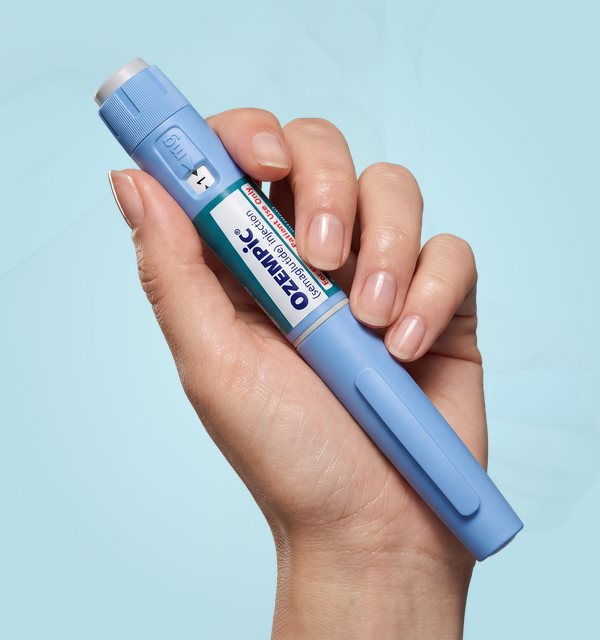
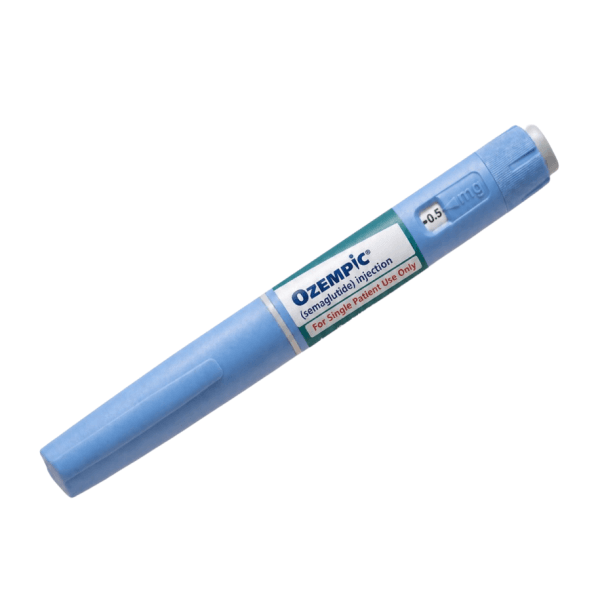
Native GLP-1 fades quickly, so prescription medicines are designed to keep receptor activation going longer. Depending on the exact product and its approved labeling, a GLP-1 medicine may be used for glucose management, chronic weight management, or both. Examples often discussed by patients include Ozempic and Victoza.
Different products within the class are not clones of one another. Labels, formulations, side-effect profiles, and follow-up plans can differ. For a broader consumer overview of how this class fits into treatment discussions, see GLP-1 Drugs For Weight Loss.
Another source of confusion is the difference between GLP-1-only drugs and dual-pathway drugs. Some newer medicines target GLP-1 plus another hormone pathway, such as GIP. They are related, but they are not the same concept, which is why side-effect expectations, labels, and monitoring may differ. For a patient-friendly comparison, see Mounjaro Vs Ozempic.
When needed, prescription details may be confirmed with the prescribing clinician.
Who May Need Caution With GLP-1 Medicines
The natural hormone GLP-1 is part of normal human biology. The caution question applies to medicines that mimic or extend the signal, and the answer depends on the specific product label, the treatment goal, and a person’s medical history.
Before starting a GLP-1 medicine, clinicians usually review several issues that can affect safety or tolerability. The purpose is not to create alarm. It is to decide whether the expected benefits match the risks and whether the person is likely to manage the early digestive effects.
- Thyroid history: Some labels advise against use in people with a personal or family history of medullary thyroid carcinoma or MEN2.
- Pancreas or gallbladder issues: Prior pancreatitis or gallbladder disease may matter when reviewing risks.
- Severe digestive disease: Delayed stomach emptying can worsen symptoms in some people.
- Kidney stress from dehydration: Ongoing vomiting or poor fluid intake can raise concern.
- Pregnancy planning: The right approach can differ before or during pregnancy.
Digestive symptoms such as nausea, vomiting, constipation, diarrhea, reflux, or early fullness are the most common reasons people stop or pause treatment. Mild symptoms can happen early. Symptoms that are severe, persistent, or paired with dehydration deserve medical review rather than self-troubleshooting.
The rest of a person’s medication list matters too. A GLP-1 medicine is not chosen in isolation, especially when other glucose-lowering drugs are already part of the plan. People also compare drugs within the same class because tolerability can vary from person to person. For one example of how patients weigh those differences, see Liraglutide Vs Semaglutide.
People sometimes assume that if one friend tolerated a GLP-1 drug well, everyone else will too. That is not how risk works. Baseline digestive symptoms, other medical conditions, and the reason for treatment all affect the discussion.
Can You Increase GLP-1 Naturally?
You already release GLP-1 naturally after meals, so the practical question is whether everyday habits can support that normal response. They may, but lifestyle measures do not reproduce the strength or duration of a prescription GLP-1 drug.
Meals that include protein, fiber, and slower-digesting carbohydrates may support satiety and steadier post-meal glucose patterns. Regular movement, consistent sleep, and fewer highly processed foods may also help the wider hormone environment that influences hunger and glucose regulation. These effects are real-world and gradual, not drug-like.
It also helps to separate normal physiology from marketing. No single food turns GLP-1 on in the way online headlines suggest. Fasting longer, taking an herbal product, or using a supplement labeled as a GLP-1 booster should not be treated as equivalent to a prescription medicine. The evidence behind supplements is often less clear, and they are not regulated like prescription products.
Quick tip: A product marketed for GLP-1 support is not the same thing as a labeled GLP-1 medicine.
If your main goal is sustainable eating patterns rather than a quick fix, the broader lifestyle conversation is still worth having. For that context, see Diet And Weight Loss.
How To Make Sense of GLP-1 Names and Next Steps
If you are trying to interpret GLP-1 headlines, start by separating three questions: what the hormone does, what a specific medicine is approved to do, and what goal a clinician is trying to address. That framework makes a crowded topic much easier to read.
Social media often blends drug names, class names, and research terms into one stream. A claim about a weight-loss result, a side effect, or a trend may say little about whether a given medicine is appropriate for glucose control, long-term weight management, or neither.
- Care goal: Is the main issue glucose control, chronic weight management, or both?
- Drug type: Is it a GLP-1-only medicine or a dual-pathway medicine?
- Tolerability: Which digestive or safety issues need review first?
- Access factors: What monitoring, coverage, and out-of-pocket costs apply?
Dual-pathway drugs are sometimes framed as automatically faster or better than GLP-1-only medicines. That is too simple. Response varies by person, approved uses are not always the same, and the most suitable option depends on the whole care plan rather than a headline comparison.
If affordability enters the picture, keep cost questions separate from medical fit. A lower or higher price does not tell you whether a drug is appropriate. For planning questions, see Out-Of-Pocket Cost.
A short list of questions can help before any visit: what outcome is being measured, what side effects deserve a call, how success will be assessed, and what alternatives exist if a GLP-1 medicine is not a fit. Clear questions usually reduce more confusion than another hour of scrolling.
Licensed third-party pharmacies dispense medications where local rules permit.
Authoritative Sources
- For a broad scientific review, see Glucagon-like Peptide 1 (GLP-1).
- For classic physiology background, see The Physiology of Glucagon-like Peptide 1.
- For a patient-focused summary of the drug class, see GLP-1 Agonists.
Understanding what is glucagon like peptide 1 helps separate a normal gut hormone from the medicines that mimic it. Once that distinction is clear, discussions about benefits, side effects, and treatment choices become much easier to follow.
This content is for informational purposes only and is not a substitute for professional medical advice.