
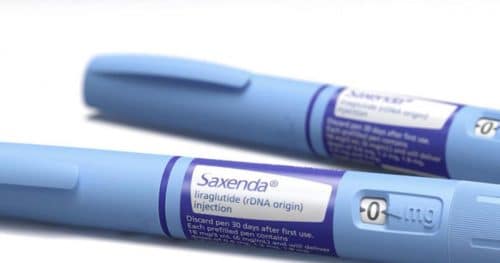
Saxenda (liraglutide) is a glucagon-like peptide-1 receptor agonist (GLP-1 RA) used for chronic weight management. Most people tolerate therapy, but reactions vary. Understanding saxenda side effects helps you plan, recognize warning signs, and discuss concerns with your clinician. This overview explains common reactions, uncommon risks, and what to do when problems appear. It also outlines food strategies, tapering considerations, and related GLP-1 comparisons to give context.
Key Takeaways
- Most-common issues: nausea, vomiting, diarrhea, constipation, headache.
- Serious risks are uncommon; watch for severe abdominal pain.
- Titration and hydration often improve early tolerability.
- Diet adjustments reduce GI triggers and discomfort.
- Seek urgent care for pancreatitis or allergic symptoms.
Saxenda Side Effects: What To Expect
Liraglutide slows gastric emptying and enhances satiety signals. This mechanism can trigger gastrointestinal symptoms, especially during dose escalation. Nausea and early fullness are the most reported reactions, followed by vomiting, diarrhea, constipation, and abdominal discomfort. Headache, dizziness, fatigue, and injection-site reactions may also occur. Many effects lessen as the body adapts over several weeks.
If you want estimated rates and typical duration, see Frequent Side Effects for symptom rate estimates. For formal risk details, consult the prescribing information, which outlines contraindications and boxed warnings. The label explains when symptoms require urgent evaluation and when dose changes may be appropriate.
Common Reactions and Frequency (GI, Neurologic, Injection Site)
Gastrointestinal reactions dominate early treatment. Nausea, vomiting, and diarrhea often appear during up-titration phases. Smaller meals, higher protein intake, and slower eating can help. Carbonated beverages, high-fat foods, and large portions may worsen stomach upset. Hydration remains important, especially if vomiting or diarrhea occurs. Mild constipation can improve with fiber, fluids, and movement. If symptoms escalate or persist, seek clinician input.
Headache, dizziness, and fatigue can occur as your body adapts. These effects usually decrease after dose stabilization. Injecting into the abdomen, thigh, or upper arm is acceptable; rotate sites to minimize localized redness or discomfort. For titration schedules and context, see Uses And Dosing for indications and titration context. For background reading on mechanism and expectations, review Weight-Loss Injection Basics for mechanism and expectations.
What Are the Worst Side Effects of Saxenda?
Serious adverse reactions are uncommon but require prompt attention. Pancreatitis, gallbladder disease (cholelithiasis/cholecystitis), acute kidney injury (often dehydration-related), and hypersensitivity reactions need urgent evaluation. Report severe, persistent mid-upper abdominal pain, pain radiating to the back, jaundice, dark urine, or light-colored stools. Stop injections and seek medical care if these symptoms occur. Patients with prior pancreatitis should discuss risks before starting therapy.
Thyroid C-cell tumors were observed in rodents with GLP-1 RAs. The relevance to humans is uncertain, but the class carries a boxed warning. Avoid therapy in patients with a personal or family history of medullary thyroid carcinoma or MEN2. Review the FDA’s boxed warning details before starting. For user experience context, see Weight-Loss Injection Basics for realistic expectation setting.
Comparing GLP-1 Options and Wegovy Side Effects
GLP-1 options differ in molecule, dose, and schedule. Liraglutide is a daily injection, while semaglutide (the ingredient in Wegovy) is weekly. Overlapping reactions include nausea, vomiting, diarrhea, and constipation. Appetite reduction and early satiety are common to both. Fatigue and headache can occur, especially during titration. Differences in potency and dosing may influence tolerability for individuals.
For a head-to-head overview, see Saxenda vs Wegovy for comparative profiles. If you are considering semaglutide-based therapies, explore Diabetes Control Alternatives to understand other semaglutide options. Comparing profiles helps align expectations with your clinical goals.
What To Eat and Foods To Avoid While On Saxenda
Diet adjustments can reduce gastrointestinal discomfort. Smaller, protein-forward meals and steady hydration help. Many patients find that greasy, fried, or very spicy dishes intensify nausea or reflux. Carbonated drinks and alcohol may worsen bloating or stomach upset. Aim for fiber from vegetables, legumes, and whole grains to support regularity. Titrate fiber slowly to avoid gas and cramping.
Balanced nutrition supports weight-loss efforts while reducing GI triggers. Practical meal planning, slower eating, and avoiding late-night heavy meals can improve tolerance. For additional context and real-world experiences, see Before And After Results for lived experiences on adjustment strategies. You can also browse Weight Management Articles for broader lifestyle guidance that complements medication.
Stopping Treatment: Tapering and Rebound
Discuss any discontinuation plan with your clinician. Some patients report appetite rebound and GI changes after stopping therapy. Common concerns include early-return hunger, mild nausea, or constipation shifts. Hydration and gradual diet adjustments can ease the transition. If severe symptoms or mood changes emerge, contact your care team promptly.
There is limited research describing the side effects of stopping saxenda in detail. However, careful tapering and close monitoring may reduce discomfort. For context on how dose changes influence tolerability, visit Uses And Dosing for indications and titration context. If switching to another GLP-1, review Trulicity vs Saxenda to understand class similarities and differences.
Fatigue, Headache, and Energy Levels
Fatigue can occur during initiation and dose increases. Patients often ask, does saxenda fatigue go away. Many report improvement after dose stabilization and with supportive habits. Aim for consistent sleep, hydration, and balanced nutrition. Gentle activity may help counter low energy. If fatigue is severe or persistent, consider evaluation for anemia, thyroid dysfunction, dehydration, or other causes.
Headache and lightheadedness sometimes accompany reduced meal sizes or dehydration. Track fluid intake and keep electrolytes balanced during active weight loss. Limiting alcohol and caffeine swings may help. For practical day-to-day strategies, see Fatigue Simple Ways for ideas that apply across GLP-1 treatments. Seek medical advice if fatigue worsens or interferes with daily function.
Long-Term Safety Signals and Monitoring
Long-term safety data continue to evolve from trials and real-world use. Clinicians watch for gallbladder events, pancreatitis, kidney function changes, and thyroid-related signals. Patients should report new or persistent abdominal pain, jaundice, neck masses, hoarseness, or difficulty swallowing. Regular check-ins help track tolerability and reinforce nutrition, hydration, and activity plans.
Discuss saxenda side effects long term with your clinician, especially if you have risk factors. Review personal and family history for thyroid cancer or MEN2. Understand warning signs that require urgent care. For official safety language, see the FDA’s prescribing information and Health Canada’s product listing for monograph access. For broader lifestyle resources, explore Weight Management Products to complement your care plan needs.
Pancreatitis, Gallbladder, and Thyroid Signals
Be alert to warning symptoms. Sudden, severe upper abdominal pain that radiates to the back, with or without vomiting, may suggest pancreatitis. Stop injections and seek urgent care if suspected. Right-upper-quadrant pain or fever could signal gallbladder inflammation. Dark urine, light stools, or jaundice may point to bile duct obstruction or severe liver involvement.
Patients sometimes ask about saxenda side effects pancreatitis. The absolute risk is low but clinically important. Early recognition prevents complications. Review history of pancreatitis, gallstones, or high triglycerides with your prescriber. Thyroid safety involves watching for neck masses, persistent hoarseness, or swallowing difficulty. For safety background, see Frequent Side Effects for symptom rate estimates and red-flag reminders. The FDA and manufacturer outline these risks in the official safety sections for clinicians and patients.
Recap
Liraglutide supports weight management, but side effects can occur, particularly during titration. Most reactions are gastrointestinal and improve with time, hydration, and dietary adjustments. Recognize warning signs of pancreatitis, gallbladder disease, and allergic reactions. Seek urgent care for severe, persistent, or worsening symptoms.
Use gradual dose changes, meal planning, and regular follow-up to improve tolerability. Compare options thoughtfully if you are evaluating other GLP-1 therapies. For ongoing learning, explore Weight Management Articles for broader lifestyle guidance that complements medication.
Note: Regulatory language can change. For the most current safety information, review the latest FDA or Health Canada materials before making decisions.
Medical disclaimer: This content is for informational purposes only and is not a substitute for professional medical advice.


