

Saxenda Side Effects are most often digestive, especially nausea, diarrhea, constipation, vomiting, belching, and early fullness. These reactions are usually strongest during the first weeks or after dose increases, but serious symptoms need prompt medical attention. Knowing the difference helps you track what is expected, what may be manageable, and what should not be ignored.
Key Takeaways
- Most common reaction: nausea is reported often.
- Digestive changes: diarrhea, constipation, fullness, and vomiting can occur.
- Urgent red flags: severe belly pain, jaundice, dehydration, or allergic symptoms.
- Food choices matter: large, greasy meals can worsen nausea.
- Stopping can change appetite: weight regain may follow without support.
Saxenda Side Effects: What Usually Happens First
The most common side effect of Saxenda is nausea. Saxenda is the brand name for liraglutide used for chronic weight management, and it belongs to the GLP-1 receptor agonist class. These medicines act on appetite and stomach-emptying pathways, which helps explain why stomach symptoms are so common.
Common reactions can include nausea, vomiting, diarrhea, constipation, indigestion, abdominal discomfort, burping, headache, dizziness, tiredness, and injection-site redness or irritation. Some people also notice a reduced desire for food, smaller meal portions, or feeling full sooner than expected. For broader background on how the medicine fits into weight-management care, see Saxenda Weight Loss Basics.
These effects often appear early because the digestive tract is adapting. They may also return after a dose change, missed doses, or a restart. Mild symptoms are still worth tracking, especially if they affect hydration, nutrition, work, sleep, or daily activities.
Why it matters: Repeated vomiting or diarrhea can lead to dehydration, which can strain the kidneys.
When Symptoms Are Serious
The worst side effects of Saxenda are uncommon, but they can be medically important. Severe or persistent abdominal pain, especially pain that moves toward the back, may suggest pancreatitis (inflammation of the pancreas). This symptom should be assessed urgently, particularly if it occurs with vomiting or fever.
Gallbladder problems can also occur during weight loss or GLP-1 treatment. Possible warning signs include right-upper abdominal pain, pain after fatty meals, fever, nausea, vomiting, or yellowing of the skin or eyes. Yellowing is called jaundice and can signal a bile-flow or liver-related problem.
Seek urgent care for symptoms of a serious allergic reaction, such as swelling of the face, lips, tongue, or throat; trouble breathing; widespread rash; or faintness. Also seek help for signs of dehydration, including very little urination, dizziness when standing, dry mouth, confusion, or inability to keep fluids down.
People sometimes ask about Saxenda Side Effects cancer risk. The medicine carries a boxed warning about thyroid C-cell tumors seen in rodent studies. It should not be used by people with a personal or family history of medullary thyroid carcinoma or multiple endocrine neoplasia syndrome type 2, unless a qualified clinician has reviewed the situation according to labeling.
Food Triggers and Practical Tolerability Tips
Food choices can make digestive symptoms better or worse. Common foods to avoid while on Saxenda, especially during nausea, include greasy meals, fried foods, very rich sauces, large portions, and heavy late-night meals. Alcohol may also worsen dehydration risk if vomiting or diarrhea is present.
Smaller meals usually help because the medicine can slow stomach emptying. Eating quickly may increase belching, bloating, and fullness. A slower pace gives your body more time to register satiety before symptoms build.
- Portion size: choose smaller meals more often.
- Fat load: reduce fried or greasy foods.
- Hydration: sip fluids through the day.
- Bland options: try crackers, toast, rice, or bananas during nausea.
- Meal timing: avoid lying down right after eating.
Protein and fiber can support appetite control, but sudden increases may worsen bloating or constipation in some people. Increase fiber gradually and pair it with fluids. If you have diabetes, kidney disease, gastroparesis, pregnancy, or a history of eating disorders, ask a clinician or registered dietitian before making major diet changes.
For general nutrition and activity context, the Weight Management Articles collection offers related educational reading. It should not replace individualized medical guidance.
Fatigue, Hair Shedding, and Everyday Changes
Fatigue can happen with Saxenda Side Effects because appetite, intake, fluids, and sleep may all shift at once. Tiredness may improve as eating patterns stabilize, but persistent fatigue deserves review. Possible contributors include dehydration, low calorie intake, low iron, thyroid disease, sleep disruption, medication effects, or another medical condition.
Hair loss is not usually the first reaction people expect, but shedding can occur during rapid weight change. This is often telogen effluvium, a temporary shedding pattern linked to physical stress, calorie reduction, illness, or nutrient gaps. It usually affects shedding more than scalp health, but a clinician can assess sudden, patchy, or severe hair loss.
Injection-site reactions are usually local. Redness, itching, mild swelling, bruising, or tenderness can occur where the pen is used. Rotating injection sites may reduce irritation. Widespread rash, hives, breathing trouble, or swelling away from the injection site is different and needs urgent assessment.
Long-Term Safety and Monitoring Questions
Long-term side effects of Saxenda are monitored through symptoms, medical history, and routine clinical follow-up. Key issues include ongoing digestive tolerance, gallbladder symptoms, hydration status, kidney strain during illness, heart-rate changes, and mental health symptoms.
Mood changes and suicidal thoughts have been reported with some weight-management medicines. Anyone who notices new or worsening depression, unusual mood changes, self-harm thoughts, or concerning behavior changes should seek help promptly. Family members or close contacts may notice these changes first.
People with diabetes should also understand hypoglycemia (low blood sugar) risk if Saxenda is used with insulin or insulin-stimulating medicines. Symptoms may include sweating, shakiness, confusion, hunger, fast heartbeat, or feeling faint. Medication plans should be reviewed by a prescriber rather than adjusted independently.
For dosing and indication context, see Saxenda Liraglutide Uses. If you are reviewing pen format information, the Saxenda 6 Mg Ml product page provides product-specific navigation without replacing prescribing information.
Stopping, Pausing, or Restarting Treatment
Side effects of stopping Saxenda often relate to appetite and eating patterns rather than withdrawal. Hunger may return, early fullness may fade, and weight regain can occur if nutrition, activity, sleep, and follow-up supports are not maintained. Some digestive symptoms may ease after stopping, while others may fluctuate as food intake changes.
Do not stop or restart treatment without discussing it with your prescriber, especially after missed doses, vomiting, dehydration, pregnancy planning, surgery, or another major health event. Restarting after a gap may require clinical review because tolerability can change.
Tracking weight trends can help you discuss changes clearly with your care team. This calculator estimates general weight-change progress and does not provide medical advice or predict treatment results.
Weight-Loss Progress Calculator
Track percentage body-weight change and progress toward a target weight.
These calculations are for education only and do not replace clinical advice, diagnosis, or treatment. Always confirm medical decisions with a qualified healthcare professional.
Quick tip: Bring a symptom log to appointments, including meals, hydration, timing, and severity.
How It Compares With Other Weight-Management Medicines
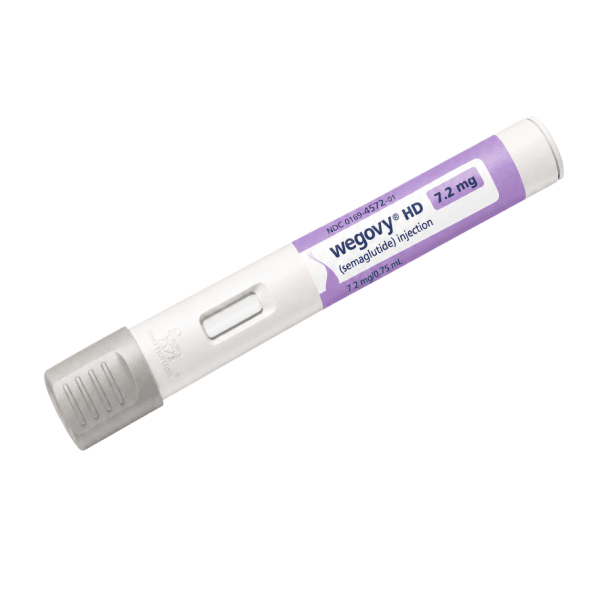
Saxenda, Wegovy, and Ozempic are all related to GLP-1 pathways, but they are not interchangeable. They differ by active ingredient, approved uses, dose schedule, device, and individual tolerability. Nausea, vomiting, diarrhea, constipation, and fullness can occur across this drug class, but each person’s response can vary.
Comparisons can help you ask better questions, not choose a medicine on your own. For a focused comparison of liraglutide and semaglutide, read Saxenda Vs Ozempic. For another weight-management comparison, see Saxenda Vs Wegovy.
Other prescription weight-management options work through different mechanisms. Some affect appetite pathways, while others reduce fat absorption. If you are reviewing broad medication categories, the Weight Management Products category can help you identify related product pages for discussion with a clinician.
How to Read Reviews Without Overreacting
Saxenda reviews can be useful for hearing practical experiences, but they cannot predict your response. Online posts often overrepresent people who had very strong results, difficult side effects, or frustration with access. They may also omit medical history, other medicines, dose changes, diet patterns, or reasons for stopping.
Before-and-after stories after one month can also be misleading. Early changes may reflect appetite shifts, water balance, reduced portions, or temporary digestive symptoms. A safer way to interpret personal stories is to look for patterns, then compare them with official labeling and your own clinical context.
Use reviews as conversation starters. Reliable decisions should depend on your health history, current medicines, contraindications, monitoring needs, and goals agreed with a qualified healthcare professional.
Authoritative Sources
For official Canadian safety details, review the Health Canada product monograph for contraindications, warnings, and adverse reactions.
For U.S. label information, the DailyMed Saxenda label summarizes approved prescribing information and safety language.
For drug reference context, Mayo Clinic’s liraglutide reference lists common and serious reactions in patient-friendly terms.
Recap
Saxenda Side Effects are most often nausea and other digestive changes. Many symptoms are manageable with smaller portions, slower eating, hydration, and careful tracking. Serious abdominal pain, persistent vomiting, jaundice, allergic symptoms, mood changes, or dehydration should be treated as warning signs.
Use official labeling and clinician guidance for decisions about starting, stopping, restarting, or comparing medicines. Online reviews can add context, but they should not outweigh your medical history or professional advice.
This content is for informational purposes only and is not a substitute for professional medical advice.