
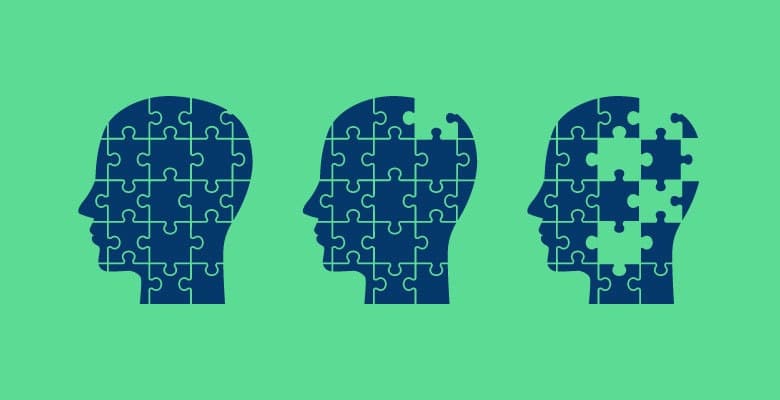
Diabetes and Dementia: Risks, Symptoms, and Care Guidance matters because diabetes can affect brain health, and dementia can make diabetes care harder. Diabetes does not cause dementia in every person, but type 2 diabetes is associated with a higher risk of cognitive decline, especially when blood vessels, blood pressure, and glucose swings are involved. The practical goal is to notice changes early, reduce avoidable blood sugar emergencies, and build a care plan that is simple enough for daily life.
This topic is most useful for patients, family caregivers, and anyone helping an older adult with diabetes. It can also help you prepare clearer questions for a clinician.
Key Takeaways
- Diabetes can affect memory, attention, mood, and day-to-day decision-making.
- Type 2 diabetes is linked with higher dementia risk, especially vascular dementia.
- Low or high blood sugar can cause confusion that may look like dementia.
- Care plans often need simpler routines, safer monitoring, and caregiver support.
- Sudden confusion, severe drowsiness, seizures, or stroke signs need urgent care.
Diabetes and Dementia: Risks, Symptoms, and Care Guidance Basics
Diabetes and dementia are separate conditions, but they can influence each other. Diabetes is a metabolic condition involving high blood glucose over time. Dementia is a syndrome that affects memory, language, judgment, and daily function. Alzheimer’s disease is one cause of dementia. Vascular dementia is another, linked to problems with blood flow in the brain.
Type 2 diabetes has the clearest connection with later cognitive decline. Researchers think several pathways may contribute. These include blood vessel damage, insulin resistance, inflammation, and repeated glucose extremes. Type 1 diabetes can also involve brain health concerns, especially when severe hypoglycemia or vascular disease is present, but the research picture is more varied.
Some people use the phrase Type 3 Diabetes when discussing insulin resistance and Alzheimer’s disease. It is not a standard medical diagnosis. It is better to think of it as a research term that describes one possible biological link, not a label for every person with dementia.
CanadianInsulin.com operates as a prescription referral platform.
Why it matters: A clear label helps caregivers avoid missing treatable causes of confusion.
How Diabetes May Affect Brain Health
Diabetes may affect the brain through blood vessels, glucose stability, and overall metabolic stress. The brain depends on steady blood flow and a reliable energy supply. Long periods of elevated glucose can damage small and large blood vessels. That damage can raise the risk of stroke, small vessel disease, and memory or learning problems.
The relationship is not only about blood sugar. High blood pressure, cholesterol problems, kidney disease, sleep disruption, depression, and smoking can all add risk. This is why diabetes care often includes cardiovascular risk management, not glucose tracking alone. For broader background on diabetes types, see Type 1 Versus Type 2 Diabetes.
- Blood vessel injury: narrowed or damaged vessels can reduce brain resilience.
- Glucose swings: highs and lows can affect attention, energy, and behavior.
- Insulin resistance: the body’s reduced insulin response may affect brain signaling.
- Inflammation: chronic metabolic stress may worsen vascular and nerve health.
- Shared risks: hypertension and heart disease can compound cognitive decline.
Vascular risk is especially important. People managing both diabetes and high blood pressure may benefit from learning how the two conditions overlap in Diabetes And Hypertension.
Symptoms That Can Look Like Memory Loss
Blood sugar problems can mimic dementia symptoms, and dementia can hide diabetes symptoms. That overlap makes observation important. A person may seem forgetful, irritable, sleepy, or withdrawn when glucose is too low or too high. A person with dementia may also forget meals, repeat medication doses, or be unable to explain how they feel.
| Pattern | How it may appear | Why it matters |
|---|---|---|
| Hypoglycemia | Sweating, shakiness, confusion, weakness, or sudden behavior change | Low blood sugar can become dangerous quickly, especially if unrecognized. |
| Hyperglycemia | Thirst, frequent urination, fatigue, blurry thinking, or dehydration | High blood sugar can worsen confusion and increase illness risk. |
| Progressive dementia | Repeating questions, getting lost, poor judgment, or missed routines | Gradual decline needs assessment and a safer care structure. |
| Delirium | Sudden confusion, agitation, sleepiness, or fluctuating awareness | Delirium is sudden confusion and can signal infection, dehydration, or medication harm. |
Hypoglycemia means low blood sugar. It can happen in people using insulin or certain other diabetes medicines. If you want more background on symptoms and triggers, Reactive Hypoglycemia explains low blood sugar patterns in plain language.
Severe hypoglycemia may cause loss of consciousness or seizures. That is not ordinary forgetfulness. For a deeper look at serious warning signs, see Diabetic Seizures.
Hyperglycemia means high blood sugar. It can cause thirst, fatigue, dehydration, and blurry thinking. In an older adult, those symptoms may be mistaken for normal aging or dementia progression. Sudden worsening should prompt a clinical review, especially if infection, missed medicines, poor fluid intake, or a new medication is possible.
Mood changes also matter. Irritability, apathy, anxiety, and anger can come from dementia, diabetes distress, glucose swings, or depression. If mood is part of the picture, Diabetes And Mood Swings may help you sort the possibilities before a visit.
Risk Factors and When Symptoms Need Prompt Care
The risk connection is strongest when diabetes combines with other brain and vascular risks. Older age is a major factor. So are long-standing type 2 diabetes, high blood pressure, prior stroke, heart disease, kidney disease, sleep apnea, smoking, depression, and repeated severe hypoglycemia. Risk does not mean certainty, but it does justify closer attention to changes in thinking and function.
Symptoms deserve assessment when they interfere with everyday life. Examples include missed meals, repeated medication mistakes, leaving appliances on, getting lost, unpaid bills, poor hygiene, unsafe driving, or new trouble following familiar instructions. These signs are more concerning when they are new, progressive, or noticed by more than one person.
Seek urgent medical help for sudden confusion, one-sided weakness, facial droop, severe headache, chest pain, fainting, seizure, severe dehydration, or unusual drowsiness. These may reflect stroke, infection, severe glucose imbalance, medication side effects, or another acute problem. Do not assume sudden changes are just dementia.
Care Priorities When Diabetes and Dementia Overlap
Care usually shifts from perfect control toward safer, repeatable routines. Clinicians often individualize glucose goals in older adults with cognitive impairment, especially when hypoglycemia risk is high. The right plan depends on the person’s diabetes type, medicines, eating pattern, kidney function, activity level, dementia stage, and caregiver support.
Medication review is central. Complex regimens can become unsafe when memory declines. Missed doses, double dosing, skipped meals, and poor hydration can all increase risk. A clinician or pharmacist can review whether each medicine still fits the person’s current needs. For general background on combining diabetes therapies, see Diabetes Medication Combinations.
When required, prescription details may be confirmed with the prescriber.
- Simplify routines: align medicines, meals, and monitoring with daily habits.
- Prevent missed meals: keep easy food options visible and consistent.
- Reduce lows: ask whether medicines increase hypoglycemia risk.
- Use written prompts: place clear notes near meters, pens, or pill organizers.
- Share records: bring glucose logs and symptom notes to appointments.
- Plan backups: decide who helps if the main caregiver is unavailable.
Food and hydration
Dementia can disrupt appetite, shopping, cooking, and mealtimes. A person may eat twice, forget to eat, hide food, or lose interest in meals. The care plan should account for realistic eating patterns, not only ideal nutrition advice. Consistency often matters more than complicated rules.
Dehydration can worsen confusion and raise glucose levels. Caregivers can watch for dry mouth, dark urine, dizziness, constipation, and new sleepiness. These signs are not specific, but they can help guide a timely check-in with the care team.
Home routines
Home safety is part of diabetes care when dementia is present. Supplies should be stored consistently. Expired items should be removed. Instructions should be short, visible, and easy to follow. If insulin is used, the person may need supervision as memory and vision change.
Technology can help some families, but it should not replace human follow-up. Glucose meters, continuous glucose monitoring systems, reminder apps, and pill organizers work best when someone reviews the information and knows what to do with it.
Medication Safety and Blood Sugar Monitoring
Medication safety depends on matching the plan to the person’s current abilities. Dementia can make it harder to remember whether a dose was taken, recognize low blood sugar, prepare injections, or respond to device alarms. A care partner may need training before taking over monitoring or medicines.
Insulin management can be especially challenging. The concern is not only the medicine itself, but the steps around it: meals, timing, storage, vision, dexterity, and accurate use. If a person cannot reliably complete those steps, the care team should know. Do not adjust insulin or other diabetes medicines without professional guidance.
Some diabetes medicines have a lower hypoglycemia risk than others, while some require closer meal coordination or kidney function review. The best fit varies. If you are comparing medication classes, Glucagon Like Peptide 1 gives background on one incretin-related pathway used in diabetes care.
Licensed third-party pharmacies handle dispensing and fulfillment where permitted.
Quick tip: Bring the actual medication list, not memory, to every review.
Caregiver Planning for Daily Life
Caregiver support often determines whether a diabetes plan is safe. Dementia can reduce insight, so a person may not notice mistakes. Family members may need to take over refills, appointment scheduling, food planning, glucose logs, and transportation before a crisis happens.
Example: A caregiver notices that morning readings vary widely and breakfast is often skipped. Instead of blaming the person, the caregiver writes down meals, symptoms, and readings for one week. That record helps the clinician see whether timing, appetite, illness, or medication complexity might be contributing.
Caregiver strain is real. Diabetes tasks can be repetitive and emotionally loaded. Dementia can add grief, conflict, and sleep loss. If the workload is becoming unsustainable, Diabetes Burnout discusses practical ways to recognize distress and ask for support.
Life expectancy questions are common, but no single estimate fits everyone. Outcomes depend on dementia stage, diabetes complications, cardiovascular health, nutrition, infections, falls, and social support. A more useful question is often: what goals matter most now, and which diabetes tasks prevent harm without adding unnecessary burden?
Questions to Ask at the Next Review
A focused visit can prevent confusion later. Bring glucose records, a medication list, recent falls, appetite changes, sleep changes, and examples of memory problems. Ask practical questions that lead to a written plan.
- Target range: what glucose pattern is safe for this person?
- Low blood sugar: which symptoms require immediate action?
- Medicine review: which medicines raise hypoglycemia risk?
- Meal pattern: how should missed meals be handled?
- Monitoring plan: who checks readings and how often?
- Caregiver role: who can administer medicines if needed?
- Emergency plan: when should family call urgent services?
Written instructions should be specific. They should name who does each task, where supplies are kept, and which symptoms trigger a call. This reduces guesswork when several family members or aides share care.
Further Reading
For broader education, the Diabetes Article Hub lists related diabetes topics in one browseable place. The Diabetes Condition Hub is a separate browseable condition page for diabetes-related product context.
If medications, steroids, or other conditions are complicating glucose control, you may also find Prednisone And Diabetes useful. Steroids can affect blood sugar, and medication changes are a common reason to recheck a care plan.
Authoritative Sources
- For brain-related diabetes complications, see the CDC diabetes and brain overview.
- For dementia definitions and care basics, review the National Institute on Aging dementia resource.
- For diabetes care considerations in older adults, see the ADA older adults standards chapter.
A Short Recap
Diabetes and dementia can overlap through vascular disease, glucose instability, medication complexity, and daily self-care demands. The most useful approach is practical: watch for new or sudden changes, reduce severe lows and highs, simplify routines, and involve caregivers early. A written plan can protect safety while preserving as much independence as possible.
This content is for informational purposes only and is not a substitute for professional medical advice.


