


Jardiance Weight Loss is usually modest and should not be viewed as the main reason to use the medication. Jardiance (empagliflozin) is an SGLT2 inhibitor, a drug class that helps the kidneys remove extra glucose through urine. That glucose loss can reduce calories and body fluid, which may lower weight in some adults. The effect varies by blood glucose levels, diet, kidney function, activity, and other medicines. It is not an FDA-approved weight-loss drug.
This matters because expectations often come from reviews, forums, or before-and-after stories. Those can be helpful, but they rarely show the whole picture. A safer approach is to understand how the drug works, what weight change is realistic, and when symptoms need medical attention.
Key Takeaways
- Weight effect: usually small to moderate, not dramatic.
- Main mechanism: glucose leaves through urine, taking calories with it.
- Early changes: some weight loss may reflect fluid loss.
- Safety concerns: dehydration, genital infections, and rare ketoacidosis.
- Comparisons: GLP-1 medicines often affect appetite more directly.
How Jardiance Weight Loss Happens
Empagliflozin may reduce weight because it causes glucosuria, meaning glucose passes into the urine. When glucose leaves the body, calories leave with it. Some people also urinate more often, especially after starting therapy, so early scale changes may reflect water loss rather than fat loss.
Jardiance is used for specific cardiometabolic conditions, including type 2 diabetes and certain heart or kidney indications. For a broader explanation of where it fits, see Jardiance Uses. For the drug-class mechanism, Jardiance Drug Class explains how SGLT2 inhibitors differ from other diabetes medicines.
The amount of weight change is not the same for everyone. People with higher blood glucose may lose more glucose in urine, which can make the calorie effect more noticeable. Others may see little change, especially if calorie intake rises, fluid intake changes, or other medicines influence weight.
Why it matters: A lower number on the scale does not always mean fat loss.
What Results Are Realistic?
Most people should expect gradual, limited weight change rather than rapid loss. Clinical experience and study data generally show small average reductions, although individual results can be higher or lower. Forums and patient reviews may overrepresent unusual experiences because people often post when results feel dramatic or concerning.
People often ask how much weight can you lose with Jardiance in a month. A single month is too short to judge the full pattern. Early weight changes may be fluid-related, while later changes depend more on ongoing glucose loss, eating patterns, activity, and other treatments. Your prescriber may focus on A1C, kidney function, blood pressure, symptoms, and overall risk reduction instead of weight alone.
Jardiance Weight Loss also tends to plateau. The body may offset some calorie loss by increasing hunger or changing energy use. This is one reason the medicine is not considered a dedicated obesity treatment. If weight management is a major goal, clinicians may discuss lifestyle therapy, other medication classes, or referral to a registered dietitian.
For deeper detail on limits and expectations, see Jardiance Weight Loss Limits.
Does It Help Belly Fat?
Jardiance may reduce overall body weight and waist measurement in some adults, but it does not target belly fat directly. No medication can choose where fat loss occurs. Waist size can improve when total body fat and fluid retention change, but genetics, hormones, diet, sleep, activity, and age all influence body-fat distribution.
Use waist circumference as one tracking tool, not as a stand-alone verdict. Measure at the same point on the body, under similar conditions, and avoid checking daily. Weekly or biweekly tracking often gives a clearer pattern.
The calculator below can help compare weight change and progress toward a general goal. It does not predict your response to Jardiance or replace clinical guidance.
Weight-Loss Progress Calculator
Track percentage body-weight change and progress toward a target weight.
These calculations are for education only and do not replace clinical advice, diagnosis, or treatment. Always confirm medical decisions with a qualified healthcare professional.
Side Effects That Can Affect Weight or Comfort
Common Jardiance side effects can indirectly affect appetite, hydration, or how you feel during activity. Increased urination may cause thirst or lightheadedness. Genital yeast infections can occur because more glucose in urine can promote yeast growth. Urinary tract symptoms may also occur and should be discussed with a clinician.
Less common but serious risks need prompt attention. SGLT2 inhibitors have been linked to diabetic ketoacidosis, including euglycemic diabetic ketoacidosis, where ketones rise even when blood glucose is not very high. Warning signs can include nausea, vomiting, abdominal pain, unusual tiredness, rapid breathing, or fruity-smelling breath. Seek urgent care if these symptoms occur.
Other situations can raise risk. Illness, surgery, prolonged fasting, heavy alcohol intake, very-low-carbohydrate diets, dehydration, or reduced insulin can make ketoacidosis more likely in susceptible people. Your care team may give sick-day instructions, including when to seek testing or whether temporary medication changes are needed.
For a plain-language safety review, see Jardiance Side Effects. If you are comparing dose instructions or administration details, Jardiance Dosage may help you prepare better questions for your prescriber.
Food, Hydration, and Daily Habits
There is no universal list of foods to avoid while taking Jardiance. The more useful goal is to avoid patterns that increase dehydration, blood-sugar swings, or ketoacidosis risk. This includes crash dieting, prolonged fasting, heavy alcohol use, and very-low-carbohydrate plans unless your clinician specifically supervises them.
Balanced meals may reduce problems. Many adults do better with regular protein, fiber-rich vegetables, and consistent carbohydrate portions. If you use insulin or medicines that can cause low blood sugar, ask your care team how meal timing and carbohydrate intake should fit your regimen.
Hydration deserves attention. Jardiance can increase urination, so fluid needs may change. Older adults, people taking diuretics, and those with low blood pressure symptoms should report dizziness, faintness, or unusual weakness. Kidney disease, heart failure, pregnancy, eating disorders, or gastroparesis can make nutrition advice more individualized.
Quick tip: Track weight, waist, symptoms, and hydration notes together.
Jardiance Compared With GLP-1 Options
Jardiance and GLP-1 medicines work through different pathways. Jardiance promotes urinary glucose loss. GLP-1 receptor agonists and related incretin therapies usually affect appetite, fullness, and stomach emptying more directly. Because of that, GLP-1 options often play a larger role when weight loss is the main treatment goal.
That does not mean one option is automatically better. The right choice depends on diagnosis, heart and kidney history, blood glucose goals, side-effect risk, cost, access, and patient preferences. Some clinicians combine an SGLT2 inhibitor with a GLP-1 medicine when the expected benefits justify the risks and monitoring.
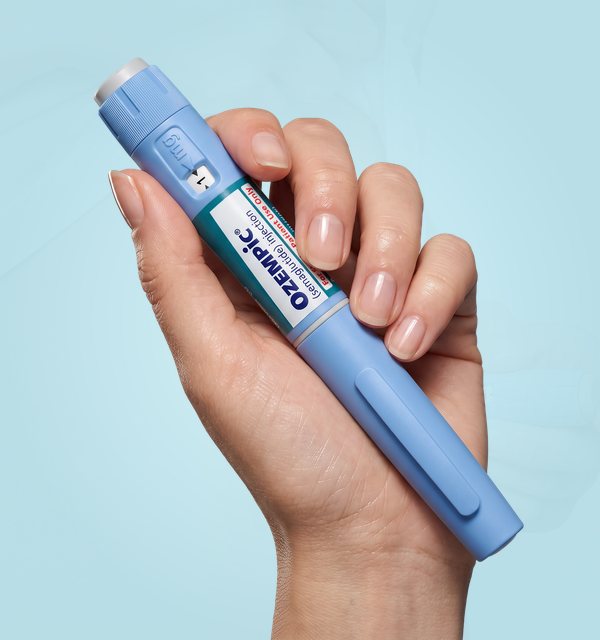
Readers often ask whether Ozempic and Jardiance can be taken together. These classes are sometimes used together, but the decision belongs with a clinician who knows your medical history. Side effects may overlap in practical ways. For example, nausea from an incretin medicine plus increased urination from an SGLT2 inhibitor can make hydration harder during illness.
If you want to browse related condition and weight topics, the Weight Management collection and Type 2 Diabetes collection provide additional reading paths.
When Weight Loss Needs a Recheck
Losing too much weight on Jardiance should be discussed promptly, especially if it comes with weakness, dizziness, vomiting, poor intake, or signs of infection. Rapid weight loss may reflect dehydration, uncontrolled glucose, another illness, or a treatment combination that needs review.
Call your care team if weight loss feels unintended, continues despite adequate intake, or affects daily function. Seek urgent care for severe dehydration symptoms, confusion, chest pain, shortness of breath, persistent vomiting, or possible ketoacidosis symptoms. Do not stop or restart prescription medicines without professional guidance unless you were previously given specific sick-day instructions.
Patient reviews can be useful for learning what others noticed, but they cannot predict your result. Reviews may omit baseline A1C, kidney function, diet, starting weight, other medicines, or whether weight loss was healthy. Use them as conversation starters, not as evidence of what should happen to you.
Access and Cost Context
Jardiance cost varies by country, plan, pharmacy, indication, and quantity. Search terms such as Jardiance 10 mg price, Jardiance cost with Medicare, or Jardiance cost without insurance can produce very different answers because benefits and formularies change. Confirm the exact medication, strength, and coverage rules before comparing estimates.
Some patients also compare SGLT2 options within the same therapeutic area. Product pages can help with general navigation, but they should not replace prescribing advice. For medication context, see Jardiance Tablets or the related SGLT2 option Farxiga Dapagliflozin.
CanadianInsulin.com is a prescription referral platform, and dispensing is handled by licensed third-party pharmacies where permitted. Some patients explore cash-pay options and cross-border fulfilment depending on eligibility and jurisdiction. Access details should be checked separately from clinical suitability.
Authoritative Sources
Official labels and major medical standards are the best references for indications, warnings, and monitoring. The FDA prescribing information for Jardiance outlines approved uses, contraindications, and safety warnings. The ADA Standards of Care summarize diabetes treatment recommendations and cardiometabolic risk management. For Canadian regulatory information, the Health Canada Drug Product Database can help locate approved product monographs.
Recap
Jardiance Weight Loss can happen, but it is usually a secondary effect of glucose and fluid changes rather than a primary weight-loss treatment. Results vary widely, and early scale movement may not reflect fat loss. Track weight alongside waist size, symptoms, hydration, glucose patterns, and medication changes.
Safety should guide expectations. Report symptoms of dehydration, infection, or possible ketoacidosis, and ask about sick-day planning before illness or surgery occurs. If weight management is a major goal, discuss how SGLT2 therapy compares with lifestyle strategies, incretin medicines, and your heart or kidney priorities.
This content is for informational purposes only and is not a substitute for professional medical advice.