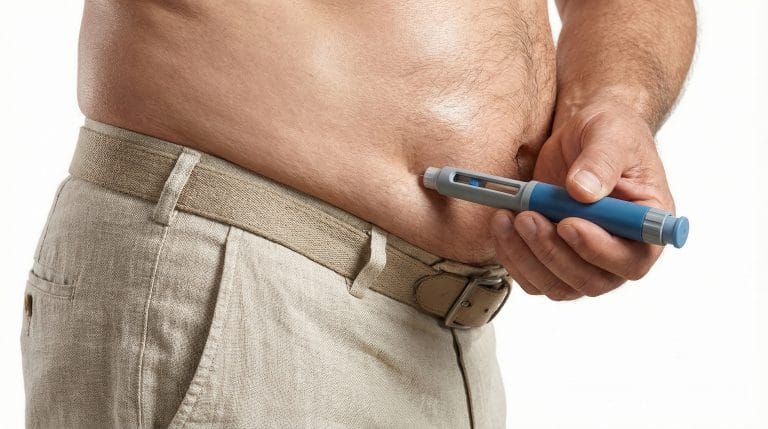

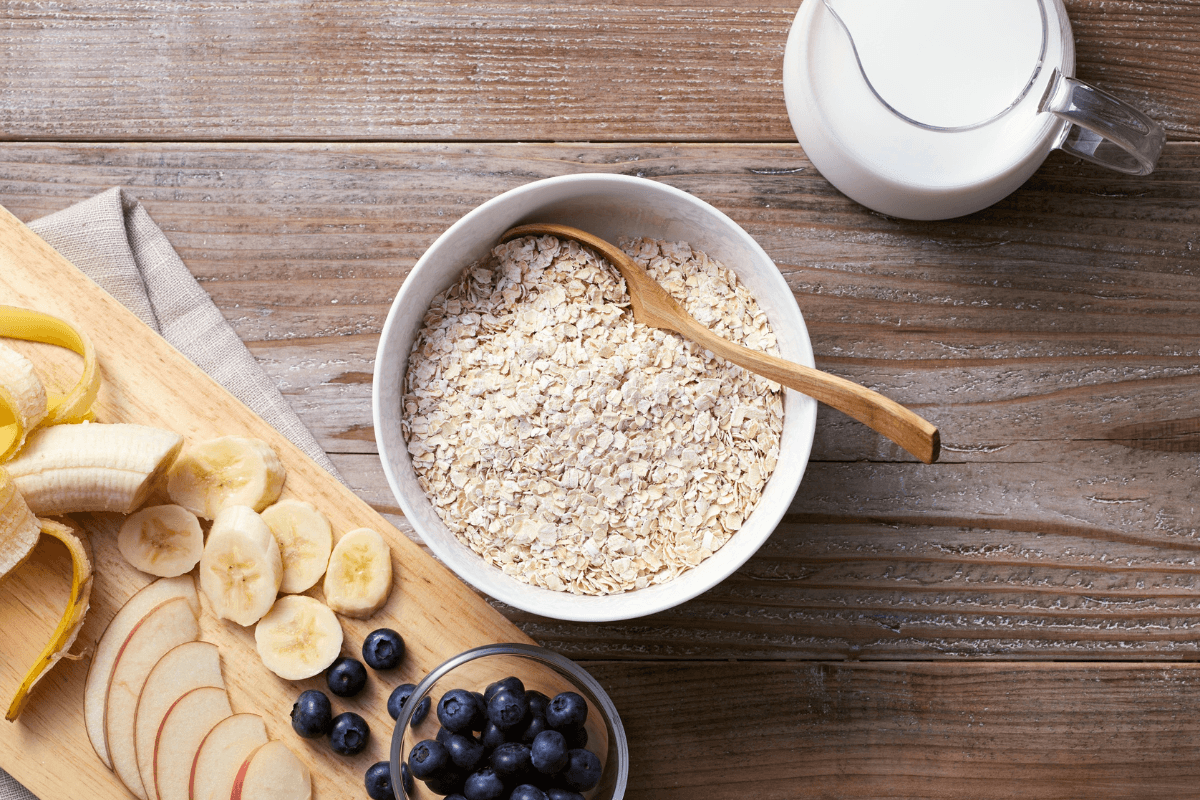
Oatmeal can fit into a diabetes eating pattern, but the details matter. The safest way to think about oatmeal and diabetes is not “good” or “bad.” It is a carbohydrate-rich breakfast that can raise glucose, especially in large portions or sweetened packets. Less processed oats, balanced toppings, and glucose monitoring can help you see whether a bowl works for your body.
If breakfast often drives your morning readings, oats deserve a closer look. For more breakfast planning ideas, see Type 2 Diabetes Breakfast Ideas.
Key Takeaways
- Oats contain carbohydrate, so they can raise blood sugar.
- Steel-cut and old-fashioned oats are usually less processed choices.
- Plain instant oats can fit, but sweetened packets need label checks.
- Protein, fat, and fiber-rich toppings can make the meal steadier.
- Medication use, pregnancy, kidney disease, and repeated highs or lows need clinician guidance.
How Oatmeal and Diabetes Fit Together
Oats affect blood sugar because they supply starch, fiber, and some protein. The main fiber in oats is beta-glucan (a soluble fiber that forms a gel during digestion). This can slow how quickly the stomach empties and how fast carbohydrate reaches the bloodstream.
That does not make oatmeal glucose-free. Glycemic index (GI) estimates how quickly a carbohydrate food may raise blood sugar. Glycemic load adds the amount eaten into the picture. Both concepts help, but neither predicts your exact response after a real breakfast with milk, fruit, nuts, or medication in the mix.
People also differ by insulin sensitivity, sleep, stress, activity, and digestive speed. If you use a glucose meter or continuous glucose monitor (CGM), comparing your usual breakfast pattern can be more useful than relying only on a food chart. For a broader food framework, Eating Well With Diabetes covers balanced meal planning in more detail.
Do Oats Spike Blood Sugar?
Yes, oats can spike blood sugar for some people, especially when the portion is large, the oats are finely processed, or the bowl includes sweet toppings. A spike is more likely when carbohydrate reaches the bloodstream faster than your body or medicines can handle it.
If you searched for the best oatmeal for diabetics, start with the least sweet, least processed option you enjoy and can prepare consistently. The “best” choice is not universal. It depends on your glucose pattern, appetite, medication plan, and the rest of the meal.
| Oat Form | Likely Glucose Pattern | Practical Label or Prep Clue |
|---|---|---|
| Steel-cut oats | Often slower to digest because the oat pieces are larger | Choose plain versions and allow more cooking time |
| Old-fashioned rolled oats | Moderate texture and a common everyday option | Measure the serving and add protein-rich toppings |
| Plain quick oats | May digest faster because the flakes are thinner | Use unsweetened varieties and compare total carbohydrate |
| Flavored instant packets | Often more likely to raise glucose quickly | Check added sugar, serving size, and dried fruit coatings |
| Oat bran | Higher in oat fiber but still contains carbohydrate | Use it as part of a measured meal or topping |
Why it matters: Processing changes texture, and texture can change how quickly starch is digested.
Preparation Choices That Lower the Glucose Guesswork
The most useful preparation strategy is to control total carbohydrate and add foods that slow digestion. This does not require a strict recipe. It requires a repeatable bowl that you can measure, review, and adjust with your care team if needed.
- Start plain: choose oats without added sugar.
- Measure consistently: use the same bowl or scoop.
- Add protein: consider plain Greek yogurt, nuts, seeds, or eggs.
- Add healthy fats: use small amounts of nuts or nut butter.
- Choose fruit carefully: berries often fit better than sweetened dried fruit.
- Flavor without sugar: try cinnamon, vanilla, or unsweetened cocoa.
Quick tip: Check the nutrition panel before toppings, since packets can contain more carbohydrate than expected.
Use labels to count total carbohydrate, not only sugar. The calculator below can help estimate carbohydrate servings from a label or recipe total; it does not set a medical carb target.
Carb Serving Calculator
Convert total carbohydrate grams into carb choices for meal planning and diabetes education.
These calculations are for education only and do not replace clinical advice, diagnosis, or treatment. Always confirm medical decisions with a qualified healthcare professional.
If you want more neutral meal combinations, Breakfast Ideas for Diabetes has additional breakfast patterns to compare with your usual routine.
Milk, Sweeteners, and Toppings Change the Meal
Milk, sweeteners, and toppings can change the glucose impact as much as the oats themselves. The glycemic index of oats with milk depends on the oat type, milk type, amount used, and what else is added.
Cow’s milk contains lactose, a natural milk sugar, but it also provides protein. Unsweetened soy milk may add protein with less sugar. Many oat, rice, almond, and flavored plant milks vary widely, so the label matters more than the category name. Sweetened creamers and flavored milks can turn a plain bowl into a much higher carbohydrate meal.
Sweeteners need the same careful review. Brown sugar, honey, maple syrup, dates, and sweetened dried fruit all add carbohydrate. Non-sugar sweeteners may reduce added sugar, but some people notice digestive effects or a preference for sweeter foods. For more detail on sweetener types, see Sugar Alcohols and Sweeteners.
Toppings can help when they add texture, protein, and fat without a large sugar load. Nuts, seeds, plain yogurt, cottage cheese, chia, flax, or a small amount of nut butter may make oatmeal more filling. Fruit can also fit, but the type and amount still count toward the meal’s carbohydrate load.
Instant, Overnight, and Branded Oats
Oatmeal and diabetes discussions can get too simple when they focus only on one product. The same brand can sell plain oats, flavored instant packets, high-fiber blends, and sweetened cups. The ingredient list is usually more important than the logo.
Instant Oats
Plain instant oatmeal is not automatically off-limits. It is more processed than steel-cut or thicker rolled oats, so it may digest faster for some people. The bigger concern is often the flavored packet, which may add sugar, sweetened fruit, or syrups. Compare total carbohydrate, added sugar, fiber, and serving size before deciding.
Overnight Oats
Overnight oats can still raise blood sugar. Chilling and soaking may change texture, but they do not remove carbohydrate. The final glucose effect depends on the oats, milk, yogurt, fruit, sweetener, and portion. If overnight oats are easier for your schedule, keep the recipe consistent for several tries before judging your pattern.
Brand Names
Quaker Oats or other common brands may be reasonable choices when the product is plain and the portion fits your meal plan. A branded “high protein” or “lower sugar” claim still deserves a label check. Look at the whole nutrition panel, not only the front of the package.
Who Should Be More Careful With Oatmeal
Some people need extra caution because oatmeal can interact with medication timing, digestive symptoms, or glucose goals. If you use insulin or sulfonylureas (a class of glucose-lowering pills), changing breakfast carbohydrate without guidance may affect your risk of low blood sugar.
If you have repeated lows after breakfast, symptoms such as shakiness or sweating should be taken seriously. Reactive Hypoglycemia explains why some people feel symptoms after meals and when patterns need review.
Pregnancy, kidney disease, gastroparesis (delayed stomach emptying), eating disorder history, and intensive athletic training can also change nutrition needs. People managing gestational diabetes should follow their pregnancy care plan and may find Gestational Diabetes Diet useful for broader context.
Seek urgent medical help for severe low blood sugar, confusion, fainting, persistent vomiting, or high glucose with ketones if your care plan treats that as an emergency. For longer-term patterns, a clinician or registered dietitian can help match oat portions to your medicines, goals, and overall diet. If insulin resistance is part of your care plan, Improving Insulin Sensitivity covers related lifestyle factors.
Simple Oatmeal Ideas That Keep the Focus on Balance
These ideas are flexible meal frameworks, not required recipes. Your best version may look different depending on your carb target, appetite, and morning routine.
- Berry nut bowl: plain rolled oats, berries, nuts, and plain yogurt.
- Savory oats: oats with egg, spinach, herbs, and avocado.
- Chia oat bowl: oats, chia, unsweetened milk, and cinnamon.
- Apple spice bowl: oats with apple pieces, walnuts, and no added syrup.
- Protein side plate: a smaller oat serving with eggs or cottage cheese.
A balanced diabetes breakfast usually includes carbohydrate awareness, protein, and fiber. Oatmeal can be one option among many, not the only “healthy” choice. Rotating breakfasts may also help you see which meals keep you full and which meals lead to higher readings.
Authoritative Sources
- CDC guidance on diabetes meal planning explains carbohydrate awareness and balanced meals.
- The American Diabetes Association nutrition consensus report reviews individualized nutrition therapy for adults with diabetes.
- A BMJ review of oats and beta-glucan summarizes evidence on oat intake and glycemic markers.
Oatmeal and diabetes can work together when the meal is plain, measured, and paired with foods that slow digestion. If your readings are unpredictable, use your meter or CGM trends and your care plan to guide food adjustments. You can also browse the Diabetes Category for more nutrition and condition-management topics.
This content is for informational purposes only and is not a substitute for professional medical advice.