
The 10 signs you need fiber are usually patterns in bowel habits, appetite, food choices, and post-meal glucose response. They are not a diagnosis. For people managing diabetes, these clues matter because fiber-rich plant foods can slow digestion, support fullness, help bowel regularity, and fit heart-health goals. If several signs keep showing up, review your meals, fluids, labels, glucose data, and medicines with a clinician or registered dietitian.
Key Takeaways
- Fiber is a nondigestible carbohydrate found in plant foods.
- Common clues include hard stools, straining, hunger, and low plant food intake.
- Many adults aim for about 25 to 38 g of fiber per day.
- People with diabetes still need to count total carbohydrate.
- Increase fiber gradually, especially if you have digestive or kidney concerns.
What Fiber Is and Why It Matters for Diabetes
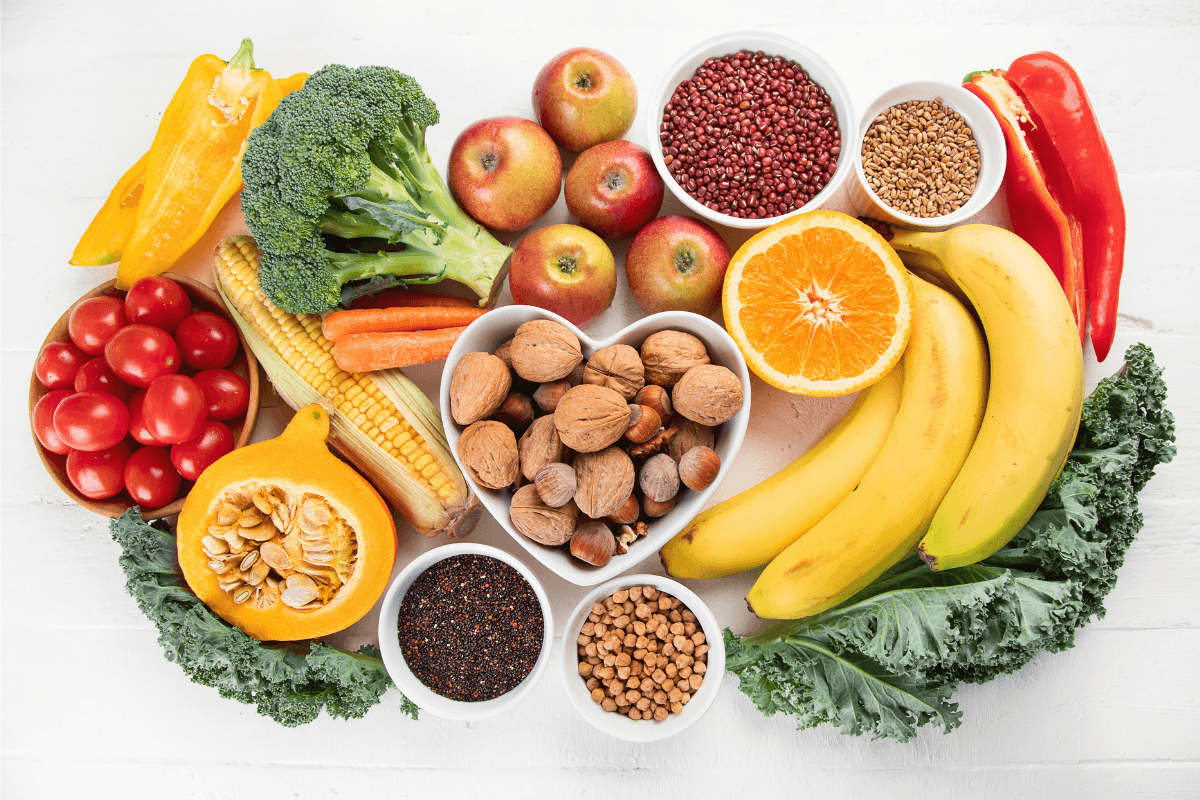
Fiber is the part of plant foods that your body does not fully digest. It comes mainly from vegetables, fruits, beans, lentils, nuts, seeds, and whole grains. Unlike starches and sugars, fiber passes through the gut partly intact. That changes how a meal moves through your digestive system.
Soluble fiber dissolves in water and can form a gel-like texture. Oats, barley, beans, lentils, apples, citrus, chia, and flax contain soluble fiber. Insoluble fiber does not dissolve as much. It adds bulk to stool and appears in wheat bran, vegetable skins, leafy greens, nuts, seeds, and many whole grains.
For diabetes meal planning, fiber does not erase carbohydrate. Beans, oats, berries, and whole grains still contain carbohydrate that may affect blood glucose. The difference is that higher-fiber foods often digest more slowly and may help a meal feel more satisfying.
Why it matters: Fiber quality and carbohydrate amount both shape a diabetes meal plan.
If you use shakes or bars as part of your routine, compare their labels carefully. The Protein Shakes For Diabetics resource explains related label questions, including carbohydrate, protein, and added sugar.
10 Signs You Need Fiber in Your Daily Pattern
The 10 signs you need fiber are best used as a checklist, not a medical test. Many symptoms overlap with dehydration, low activity, medicines, thyroid disease, stress, bowel disorders, and other conditions. Look for repeated patterns rather than one unusual day.
- Hard, lumpy stools. Stool that looks like pellets or a dry, cracked sausage often suggests slow bowel movement. Many healthy poop chart examples place these shapes near the constipated end.
- Straining or incomplete relief. If bowel movements take effort, feel painful, or leave you feeling unfinished, stool may need more bulk and moisture. Fluid intake and movement also matter.
- Fewer bowel movements than usual. Normal patterns vary widely. A clear change from your baseline, especially with hard stool, can suggest low fiber intake.
- Hunger soon after meals. Meals built mostly from refined starch or sweet drinks may not keep you full. Vegetables, legumes, nuts, seeds, and whole grains can improve meal staying power.
- Repeated glucose rises after low-fiber carbs. A meter or continuous glucose monitor may show quick rises after white bread, juice, sweets, or low-fiber cereals. Fiber is only one factor, but it can change the meal pattern.
- Energy dips after refined meals. Fatigue after eating has many causes. Still, rapidly digested, low-fiber meals can leave some people feeling less steady.
- Few vegetables, fruits, beans, or whole grains. A plate that rarely includes plant foods is a strong intake clue. This matters even if bowel habits seem normal.
- Regular use of juice or refined snacks. Juice, white crackers, sweet baked goods, and many snack foods provide carbohydrate with little roughage. They can crowd out more nutrient-dense foods.
- Cholesterol goals are part of care. Diabetes and heart-health concerns often overlap. Soluble fiber may support cholesterol-conscious eating patterns, within your full treatment plan.
- Meal replacements have little fiber. Shakes and bars vary widely. Compare serving size, total carbohydrate, added sugar, protein, and dietary fiber before making them routine.
If one sign appears once, do not overinterpret it. If several signs repeat, use the 10 signs you need fiber to guide a food diary, label review, and safer conversation with your care team.
How Much Fiber Per Day Is Reasonable?
Many adults are encouraged to eat about 25 to 38 g of fiber per day, depending on age, sex, calorie needs, and health status. Nutrition Facts labels in the United States often use 28 g as the Daily Value for dietary fiber. Your personal target may differ if you have digestive disease, kidney disease, fluid limits, pregnancy, or a medically supervised eating plan.
People with diabetes should avoid chasing a fiber number without carbohydrate context. A high-fiber food can still contain a meaningful amount of total carbohydrate. Beans, lentils, oats, fruit, and whole grains can be useful choices, but serving size and glucose response still matter.
What does about 30 g of fiber look like in a day? It may come from several foods, not one large serving. A practical day might include oats with berries, a salad with beans, a pear or apple with the skin, vegetables at dinner, and a small portion of nuts or seeds. Exact grams vary by brand, preparation, and serving size.
When you add beans, fruit, or grains, keep total carbohydrate visible. This calculator can estimate carbohydrate servings from a label or recipe total. It is only a math aid and does not replace your diabetes care plan.
Carb Serving Calculator
Convert total carbohydrate grams into carb choices for meal planning and diabetes education.
These calculations are for education only and do not replace clinical advice, diagnosis, or treatment. Always confirm medical decisions with a qualified healthcare professional.
Use the result to support label reading. It cannot choose foods for you, adjust insulin, or replace glucose monitoring.
Fiber Foods That Fit Diabetes Meal Planning
No single food is the number one high-fiber food for every person. Legumes often appear near the top of practical lists, but they also contain carbohydrate. The better question is which foods fit your glucose pattern, gut tolerance, preferences, and overall nutrition plan.
| Food group | Examples | Diabetes meal note |
|---|---|---|
| Legumes | Lentils, black beans, chickpeas, split peas | High in fiber and plant protein; count total carbohydrate per serving. |
| Whole grains | Oats, barley, bran cereal, whole-grain bread | Compare serving size, total carbohydrate, fiber, and added sugar. |
| Vegetables | Broccoli, Brussels sprouts, carrots, greens, peas | Non-starchy vegetables usually have fewer carbs than starchy choices. |
| Fruit | Berries, pears, apples, oranges | Whole fruit keeps fiber; juice removes much of the roughage. |
| Nuts and seeds | Chia, flax, almonds, walnuts, pumpkin seeds | Useful in small portions; calories can add up quickly. |
High fiber vegetables and fruits can be part of a diabetes eating pattern, but the serving still matters. A small bowl of berries behaves differently from a large smoothie. A whole apple behaves differently from apple juice.
Soluble and insoluble fiber foods often overlap. You do not need to memorize every category. A varied plate with legumes, vegetables, whole fruit, nuts, seeds, and whole grains usually covers both types better than a narrow food list.
Some people also review packaged nutrition drinks during meal planning. If you are comparing products such as Glucerna, use the label rather than the front of the package. Check total carbohydrate, fiber, protein, added sugars, calories, and how the serving fits your care plan.
Adding Fiber Without Causing Digestive Problems
The safest approach is usually gradual. A sudden jump in fiber can cause gas, bloating, cramps, diarrhea, or constipation that feels worse. This is more likely when fluids are low or when several new high-fiber foods are added at once.
Start with meals you already eat. Add beans to soup, choose oats instead of a refined cereal, keep edible fruit skins on when tolerated, or add vegetables to a sandwich or bowl. These changes are easier to track than a complete diet overhaul.
Quick tip: Change one food variable at a time so you can notice what helps.
Use labels consistently. Check serving size first, then total carbohydrate, dietary fiber, added sugar, and ingredients. A food with a health-looking label can still be low in roughage or high in added sugar.
Watch your own response. Two people can eat the same high-fiber meal and see different glucose patterns. Your meter, continuous glucose monitor, bowel habits, appetite, and comfort all provide useful feedback.
Broader nutrition topics can also shape the conversation. For example, Polyphenols And Diabetes discusses plant compounds found in many fiber-rich foods, while Probiotics And Type 2 Diabetes covers gut-focused questions from another angle.
When Supplements Fit, and When Food Should Come First
A fiber supplement may help some adults close a gap when food changes are not enough. It should not be treated as a replacement for vegetables, beans, fruits, or whole grains. Whole foods provide vitamins, minerals, fluid, texture, and plant compounds that powders or capsules may not provide.
Different products contain different fiber types. Some are designed mainly for stool bulk. Others are marketed for regularity or cholesterol support. Labels may include sweeteners, sugar alcohols, flavours, sodium, or other ingredients that matter for diabetes and digestive tolerance.
Supplements can interfere with how some medicines are absorbed. They may also require adequate fluids unless you have a medical fluid restriction. Ask a pharmacist, clinician, or registered dietitian how to separate them from medicines if you use prescription therapy.
Nutrition rarely depends on one nutrient. If you are reviewing supplement questions more broadly, Vitamins For Diabetics Type 2 may help frame questions to bring to your care team.
Too Much Fiber and When to Get Help
More fiber is not always better. How much is too much fiber depends on the person, the pace of change, fluid intake, and underlying conditions. Warning signs can include bloating, cramps, excess gas, nausea, diarrhea, or constipation that worsens after a sudden increase.
Diabetes adds another layer. If you use insulin or medicines that can cause low blood sugar, changing carbohydrate quality, portion size, or appetite may change glucose patterns. Do not adjust or stop medicines on your own. Monitor as advised and discuss repeated highs, lows, or appetite changes with your care team.
Some people need tailored advice before adding large amounts of roughage. This includes people with gastroparesis, inflammatory bowel disease flares, bowel obstruction history, swallowing problems, kidney disease, pregnancy, recent gastrointestinal surgery, or an eating disorder history.
Seek medical care promptly for blood in stool, black stools, severe abdominal pain, persistent vomiting, unexplained weight loss, fever, dehydration, or a major bowel habit change that does not resolve. Constipation with severe pain or inability to pass gas can need urgent evaluation.
Putting the Checklist Into a Diabetes Care Context
The 10 signs you need fiber can help you notice patterns, but they do not replace individualized nutrition care. Bring a short food record, glucose notes, bowel pattern details, and current medication list to appointments. This gives your clinician or registered dietitian better context.
If you browse condition resources, use them as education rather than a personal treatment plan. The Diabetes Articles collection includes related nutrition and medication topics. The Diabetes medical-condition page is a browseable condition hub for relevant site listings, not a substitute for medical advice.
CanadianInsulin.com also has a Diabetes Product Category page for browsing related products. Product pages can help with label and access context, but nutrition changes should still be discussed with your care team when they affect glucose control or medicines.
Authoritative Sources
- The Dietary Guidelines for Americans provide broad nutrition guidance, including fiber-containing food patterns.
- The American Diabetes Association carbohydrate guidance explains carbohydrate quality and diabetes meal planning basics.
- The NIDDK constipation nutrition resource discusses diet, fluids, and constipation management.
If several of the 10 signs you need fiber match your daily pattern, focus on gradual food changes, careful label reading, and safe follow-up. Fiber can support diabetes nutrition, but it works best as part of a complete plan that includes medicines, activity, glucose monitoring, and individualized care.
This content is for informational purposes only and is not a substitute for professional medical advice.