
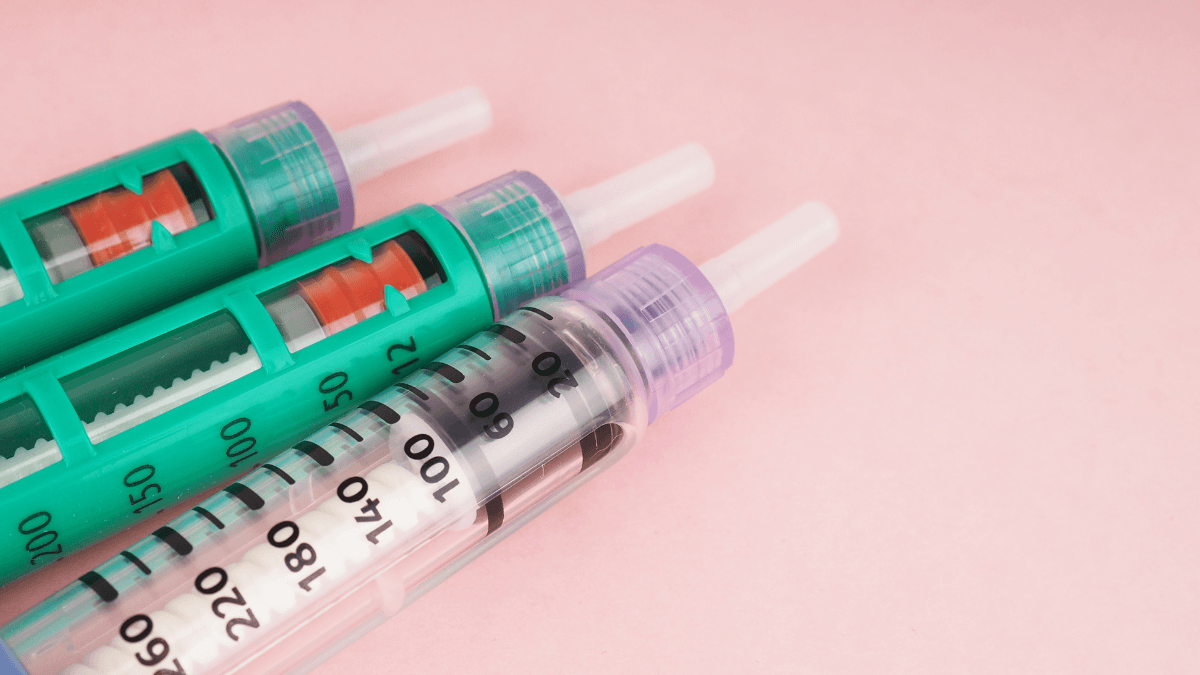
Tresiba vs levemir comes down to duration, dosing flexibility, and how carefully a switch is monitored. Tresiba contains insulin degludec, an ultra-long-acting basal insulin. Levemir contains insulin detemir, a long-acting basal insulin that may not last as long in every person. Both help provide background insulin between meals and overnight, but they are not automatically interchangeable at the same dose for every patient.
Why this matters: basal insulin affects fasting glucose, overnight lows, and daily routine. Small differences in timing or total exposure can become important when changing products, missing a dose, or adjusting after illness.
Key Takeaways
- Duration differs: degludec generally lasts longer than detemir.
- Dosing differs: detemir may require twice-daily use in some people.
- Switching needs oversight: conversions depend on current dose, glucose patterns, and hypoglycemia risk.
- Equivalence is limited: both are basal insulins, but they are not identical medicines.
- Monitoring matters: fasting readings and low-glucose symptoms guide safe follow-up.
How These Basal Insulins Differ
The main difference is how long and how steadily each insulin works. Insulin degludec forms a depot under the skin that releases insulin slowly. Insulin detemir binds to albumin, a blood protein, which helps extend its effect. These mechanisms explain why detemir vs degludec can feel different in daily use even though both are basal insulins.
Tresiba is usually used once daily. Levemir may be used once daily or twice daily, depending on the person, dose response, and clinician plan. Some people notice that detemir does not fully cover the end of a 24-hour period. Others do well with once-daily detemir. The pattern is individual, so fasting glucose logs matter more than general labels.
For a deeper background on basal insulin timing, see Long-Acting Insulin Names. For medicine-specific context, What Is Tresiba and What Is Levemir explain each insulin in more detail.
| Feature | Tresiba | Levemir |
|---|---|---|
| Generic name | Insulin degludec | Insulin detemir |
| Basal category | Ultra-long-acting insulin | Long-acting insulin |
| Typical schedule | Usually once daily | Once or twice daily |
| Action profile | Slow, steady background effect | Slow background effect, sometimes shorter |
| Switching concern | Longer carryover may affect lows | Coverage gaps may occur in some users |
| Common decision point | Timing flexibility and steady coverage | Familiarity, current control, and split dosing |
This table is a practical orientation, not a dosing instruction. Your prescriber may weigh age, kidney function, meal patterns, activity, pregnancy status, other diabetes medicines, and prior severe hypoglycemia.
Dosing Patterns and Titration Basics
Tresiba vs Levemir dosing is based on fasting glucose trends, not a single reading. Basal insulin is usually adjusted gradually because the goal is steady background coverage without overnight or between-meal hypoglycemia. Clinicians often review several days of fasting readings before changing a dose.
Starting doses and adjustment schedules vary by diagnosis, prior insulin use, body weight, and overall diabetes plan. A person starting basal insulin for the first time needs a different approach than someone switching from high-dose twice-daily detemir. The same person may also need a different plan during illness, steroid use, changes in kidney function, or major changes in food intake.
A Tresiba dosage chart can be helpful only when it comes from your care team or an official product resource. Charts usually show how fasting glucose ranges relate to small dose changes. They cannot account for every clinical factor. If you have frequent lows, a recent emergency visit, pregnancy, advanced kidney disease, or highly variable meals, dosing decisions need closer medical review.
Quick tip: keep a simple log with dose time, fasting glucose, bedtime glucose, symptoms, and unusual events.
If you track readings in both common glucose units, this converter can help with unit conversion only. It does not recommend insulin doses or replace clinical judgment.
Blood Glucose Unit Converter
Convert glucose readings between mg/dL and mmol/L without changing the clinical value.
These calculations are for education only and do not replace clinical advice, diagnosis, or treatment. Always confirm medical decisions with a qualified healthcare professional.
For device and dose-measurement context, Tresiba FlexTouch Pens provides product-format details. Levemir users who need device-specific orientation can review Levemir PenFill Cartridges for cartridge format information.
Switching and Dose Conversion Questions
Levemir to Tresiba dose conversion should be planned by a clinician because total daily basal exposure may change. Some switches start near the previous total daily basal dose, while others begin lower to reduce hypoglycemia risk. The safer starting point depends on recent lows, kidney function, age, meal consistency, and whether Levemir was taken once or twice daily.
When a person changes from twice-daily detemir to once-daily degludec, the total daily dose is not the only issue. Degludec has a longer duration and reaches a steadier pattern after repeated dosing. That can change how overnight and early-morning glucose behaves. For this reason, many clinicians avoid rapid back-to-back adjustments in the first days after a switch.
Tresiba vs Levemir conversion is also affected by what the switch is meant to fix. A person with end-of-dose highs on detemir may need a different plan than someone switching because of access, device preference, or a formulary change. If the issue is frequent hypoglycemia, the first priority is safety rather than matching the old dose exactly.
Are They Interchangeable?
Are Tresiba and Levemir interchangeable? They can serve the same basal-insulin role, but they are not identical or automatically substitutable without a new plan. They differ in molecule, duration, dose timing, and carryover. A prescriber should specify the insulin, dose, timing, and monitoring plan when changing between them.
Is Levemir equivalent to Tresiba? Not in a strict one-for-one clinical sense. Both lower glucose as basal insulins, yet their action profiles differ. This is why your care team may ask for extra fasting readings after a switch, especially during the first one to two weeks.
Can You Use Both Together?
Using Levemir and Tresiba together is uncommon because both are basal insulins. Taking two basal insulins can increase confusion and hypoglycemia risk unless a specialist has given a very specific transition plan. Do not overlap them on your own. If two long-acting insulins appear on your medication list, confirm which one you should use before the next dose.
Duration, Missed Doses, and Safety Risks
Duration affects how long hypoglycemia risk can last. Degludec has a longer background effect than detemir, so an accidental extra dose may require longer monitoring. Detemir may have a shorter action in some people, so missed or delayed doses can lead to rising glucose sooner.
Hypoglycemia can cause shakiness, sweating, hunger, confusion, weakness, or rapid heartbeat. Severe episodes can cause seizure, loss of consciousness, or injury. People using insulin should have a plan for treating low glucose, carrying fast-acting carbohydrate, and knowing when to seek urgent help. Family members or caregivers may also need education on severe low-glucose symptoms.
If you accidentally take a double dose, use the emergency plan your clinician has provided. If symptoms are severe, worsening, or you cannot keep carbohydrates down, seek urgent care. Contact poison control or emergency services when there is a risk of serious hypoglycemia, especially with long-acting insulin.
Missed-dose instructions differ by product and individual schedule. Do not guess by combining doses close together. Follow the product instructions and your prescriber’s written plan. If missed doses happen often, reminders, a visible dosing log, or a simpler schedule may help reduce risk.
For detemir-specific onset, peak, duration, and tolerability details, see Insulin Detemir Side Effects. If your main concern is dose timing with detemir, Levemir Insulin Dosage offers additional practical background.
Weight, Dose Limits, and Device Factors
Tresiba vs levemir weight gain is usually a modest and individual issue. Any insulin can contribute to weight gain when glucose control improves, calories are retained rather than lost in urine, or low-glucose episodes lead to extra snacking. The total insulin dose, meal plan, activity, and other medications often matter more than the brand alone.
If weight changes after a basal switch, look for patterns before assuming the insulin is the only cause. More frequent hypoglycemia can increase rescue carbohydrate intake. Higher basal doses may also signal that meal insulin, food timing, or other diabetes medicines need review. A registered dietitian or diabetes educator can help when weight, carbohydrate targets, and glucose variability are linked.
The maximum dose of Tresiba per injection depends on the specific pen format and product instructions. Higher-strength pens may deliver the same number of units in a smaller volume, but the unit dose is still the prescribed unit dose. Never convert units based on volume without clear instruction. If your prescribed dose exceeds a device limit, your clinician or pharmacist should explain whether splitting is needed.
Many readers also ask how many units of Tresiba is normal. There is no universal normal dose. Basal requirements vary widely because insulin sensitivity, body size, other medicines, kidney function, and diabetes type differ. A dose that is appropriate for one person may be unsafe for another.
How Other Long-Acting Options Fit In
Comparisons with other basal insulins help set expectations, but they do not decide the best option alone. Tresiba vs Lantus, Tresiba vs Toujeo, and Tresiba vs Lantus vs Levemir all involve duration, concentration, device preference, and prior response. Glargine products, detemir, and degludec all aim to provide background insulin, but they are not the same formulation.
Access may also shape choices. Levemir availability has changed in some markets, and patients may be told to discuss alternatives with their clinician. If you hear that an insulin is being replaced or discontinued in your area, confirm the details with your prescriber or pharmacist before changing therapy. Availability, coverage, and local product status can vary.
For examples of other basal insulin formats, review Lantus SoloStar Pens or Toujeo DoubleStar Pen. These pages can help you recognize device differences, but they should not be used to choose or change insulin without medical guidance.
CanadianInsulin.com functions as a prescription referral platform. Where required, prescription details may be confirmed with the prescriber, while dispensing and fulfilment are handled by licensed third-party pharmacies where permitted. Some patients also ask about cash-pay options without insurance, but eligibility and jurisdiction still matter.
Questions to Ask Before a Switch
A structured conversation can prevent dosing errors. Bring your current insulin name, strength, device, dose schedule, recent glucose log, and any low-glucose episodes. If you use a continuous glucose monitor, ask which patterns matter most after switching.
- Starting dose: ask whether it changes or stays similar.
- Timing plan: confirm the first dose time.
- Overlap rules: ask whether to stop the old basal insulin.
- Monitoring frequency: clarify fasting and overnight checks.
- Low-glucose plan: review treatment and escalation steps.
- Follow-up timing: ask when to report patterns.
- Device teaching: confirm priming and injection technique.
Why it matters: most switching problems come from unclear timing, duplicate doses, or reacting too quickly to one reading.
If your glucose is repeatedly very high, you have moderate or large ketones, or you feel very unwell, seek medical guidance promptly. People with type 1 diabetes should be especially careful because missed basal insulin can raise the risk of diabetic ketoacidosis, a serious acid buildup related to insulin deficiency.
Authoritative Sources
Official product labeling is the best source for indications, dose administration rules, missed-dose language, and safety warnings. See the official Tresiba prescribing information for label-backed details on insulin degludec.
For insulin detemir labeling, consult the official Levemir prescribing information, including warnings and administration information.
For broader diabetes care principles, the ADA Standards of Care discuss individualized glycemic goals, hypoglycemia prevention, and medication management.
Recap
Tresiba vs levemir is not only a brand comparison. It is a comparison of insulin degludec and insulin detemir, two basal insulins with different duration, dosing patterns, and switching considerations. Tresiba often offers longer background coverage, while Levemir may require once- or twice-daily dosing depending on response. Conversions should be individualized and monitored rather than treated as automatic substitutions.
Use your glucose log, current medication list, and device questions to guide the conversation with your clinician. The safest plan is clear about which insulin to use, when to take it, what dose to start, and when to report highs or lows.
This content is for informational purposes only and is not a substitute for professional medical advice.


