
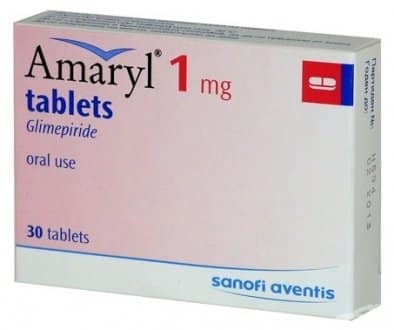
If you searched for Amaryl Uses: How Glimepiride Works and When to Use, the short answer is this: Amaryl is the brand name for glimepiride, an oral sulfonylurea used to improve blood sugar control in adults with type 2 diabetes. It works by helping the pancreas release more insulin. It may be used on its own or with other diabetes medicines, but it is not for type 1 diabetes or diabetic ketoacidosis. This matters because the same mechanism that lowers glucose can also raise the risk of hypoglycemia (low blood sugar), especially when meals are delayed or other glucose-lowering drugs are added.
Key Takeaways
- Amaryl is the brand name for glimepiride.
- Its main role is improving blood sugar control in adults with type 2 diabetes.
- Glimepiride works by stimulating the pancreas to release insulin.
- Timing with meals matters because low blood sugar can occur.
- Drug interactions, missed meals, and other diabetes medicines affect safety.
Amaryl Uses and Where Glimepiride Fits
Amaryl is used to help manage blood sugar in adults with type 2 diabetes. It is usually one part of a larger plan that also includes food choices, physical activity, and routine follow-up. Its purpose is glucose control, not weight management, and it is not used for type 1 diabetes or diabetic ketoacidosis.
Brand Name Vs Generic
Amaryl is a brand name. Glimepiride is the generic name for the same active drug. That difference usually matters for labeling and refill discussions, not for the medication’s basic mechanism or main clinical purpose.
| Topic | Practical answer |
|---|---|
| Brand and generic | Amaryl is a brand name, and glimepiride is the generic drug. |
| Drug class | It is a sulfonylurea, an oral medicine that promotes insulin release. |
| Main use | Its main use is improving blood sugar control in adults with type 2 diabetes. |
| Use with other drugs | It may be used alone or with other diabetes medicines, depending on the plan. |
If you want broader condition context, the site’s Type 2 Diabetes Hub and Type 2 Diabetes Articles cover common treatment themes in a more general way.
Why it matters: A brand name can change, but the safety questions stay the same.
How Glimepiride Lowers Blood Sugar
Glimepiride lowers blood sugar by stimulating pancreatic beta cells to release insulin. In plain language, it helps the body put out more insulin when the pancreas can still make it. That is why it can help in type 2 diabetes and why it is not a treatment for type 1 diabetes.
This mechanism explains both its benefit and its main risk. More insulin release can lower glucose, but it can also push levels too low if meals are skipped, activity changes sharply, alcohol intake is high, or other diabetes drugs are added. The effect is not about appetite suppression or slowed stomach emptying.
If you are comparing drug classes, the background pieces What Is GLP-1 and GLP-1 Explained outline a different pathway. That contrast helps explain why glimepiride raises questions about meal timing and low blood sugar, while other classes are discussed in different terms.
When It May Be Used Alone or With Other Medicines
Glimepiride may be prescribed on its own, but it is also commonly added when one medicine does not provide enough blood sugar control. Many adults encounter it after a clinician weighs current glucose patterns, other health conditions, and the risk of low blood sugar.
It may appear in plans that include metformin or, in some cases, insulin. That does not mean every combination suits every person. Once multiple glucose-lowering drugs are involved, the balance between benefit, meal timing, and hypoglycemia becomes more important. Older adults, people with irregular eating schedules, and people with reduced kidney or liver function often need closer review.
At a high level, sulfonylureas like glimepiride are one part of a larger type 2 diabetes toolbox. The site’s browseable Diabetes Medications list, the class comparison Mounjaro Vs Ozempic, and Generic Ozempic Explained can help frame why newer drugs are discussed differently from sulfonylureas.
Cross-border or cash-pay options depend on eligibility and jurisdiction.
Timing, Meals, and Interaction Questions
Glimepiride is commonly taken with breakfast or the first main meal of the day, following the prescription label. The timing matters because the drug can increase insulin release around the time you eat. If meals are delayed, skipped, or highly irregular, that is a practical issue to raise before the plan changes.
Readers often ask about foods to avoid. There is not a single banned-food list attached to glimepiride. The bigger issue is consistency. Long gaps without food may increase the chance of low blood sugar for some people, while heavy alcohol use can make glucose swings harder to predict. For many people, regular meals matter more than memorizing a short list of forbidden items.
What Should You Avoid While Taking Glimepiride?
The main things to avoid are missed meals, unreviewed medication changes, and assumptions that nonprescription products do not count. Other diabetes medicines can intensify low blood sugar risk. Beta-blockers may mask warning signs such as shakiness or a racing heartbeat. Steroids and some other drugs can push glucose in the other direction and make the overall picture harder to judge.
- Meal timing changes — missed breakfasts, fasting, or shift work
- Alcohol pattern — especially heavier or unpredictable intake
- Other diabetes drugs — metformin, insulin, or injectables
- Heart medicines — some can hide low-sugar symptoms
- Nonprescription products — supplements and cold remedies count
Quick tip: Keep an updated medication list for every diabetes review.
Prescription details may need confirmation with the original prescriber.
Side Effects, Warnings, and When to Seek Help
The side effect that matters most with glimepiride is hypoglycemia. Early symptoms may include sweating, shakiness, hunger, blurred vision, irritability, anxiety, or trouble thinking clearly. If levels drop further, a person may become very weak, confused, or hard to wake.
Not every unwanted effect is low blood sugar. Some people also report nausea, dizziness, headache, or weight gain. Those issues still matter, but they call for a different conversation than a clear low-sugar episode. The pattern, timing, and severity of symptoms help determine what needs review.
Extra caution may be needed when meal schedules are unreliable, kidney or liver function is reduced, other glucose-lowering drugs are added, or prior low-sugar episodes have been severe. A previous serious reaction to glimepiride or a related sulfonylurea is also important history to mention. Pregnant or breastfeeding people and older adults often need individualized review because treatment goals and safety margins can differ.
- Severe confusion or fainting — possible serious low sugar
- Seizure or loss of consciousness — emergency assessment needed
- Trouble breathing or facial swelling — possible allergic reaction
- Repeated vomiting or inability to eat — safety risk may change
- Very high or very low readings that keep recurring — prompt review may be needed
If symptoms are severe or do not improve promptly, urgent evaluation is appropriate.
Questions That Help at a Medication Review
The most useful next step is usually a focused medication review, not a guess based on a brand name or a single symptom list. Glimepiride decisions are rarely only about the drug itself. They are also about meals, work schedule, kidney function, other medicines, and the pattern of blood sugar highs and lows.
- Treatment goal — what is this medicine supposed to improve?
- Meal pattern — does it increase low-sugar risk?
- Drug fit — how does it work with other medicines?
- Urgent signs — which symptoms need prompt help?
- Lab results — do kidney or liver issues matter?
- Interaction checks — what changes need review?
- Refill differences — what if the label changes?
These questions help turn Amaryl uses from a simple label into a safer, more practical discussion. They also make it easier to spot whether a symptom comes from the drug, the glucose pattern, or another medicine entirely. For broader background beyond one drug, the site’s Diabetes Hub and Diabetes Articles collect related topics in one place.
Dispensing is handled by licensed third-party pharmacies where permitted.
Authoritative Sources
- The FDA label for glimepiride tablets summarizes approved use and major warnings.
- Mayo Clinic’s overview of glimepiride tablets reviews patient-facing safety and use information.
- Cleveland Clinic’s patient guide to glimepiride tablets explains the drug in plain language.
Amaryl and glimepiride refer to the same medicine. Its role is improving blood sugar control in adults with type 2 diabetes, while the main decision points are timing with meals, low-sugar risk, and how it fits with other treatments.
This content is for informational purposes only and is not a substitute for professional medical advice.


