
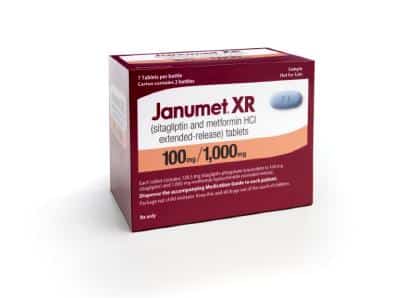
Janumet XR is a prescription tablet that combines sitagliptin and extended-release metformin to help adults with type 2 diabetes manage blood sugar. If you are asking what is Janumet XR, the short answer is that it pairs two diabetes medicines with different actions in one extended-release tablet. It is used with nutrition changes and physical activity, and sometimes alongside other diabetes medicines when a clinician decides that is appropriate.
Why this matters: combination tablets can simplify a routine, but they also combine the cautions of both ingredients. Understanding the drug class, timing, side effects, kidney checks, and missed-dose basics can make your next healthcare visit more productive.
Key Takeaways
- Two ingredients: sitagliptin plus metformin XR.
- Main use: blood sugar control in type 2 diabetes.
- Timing matters: take with food as directed.
- Safety checks: kidney function and B12 may need monitoring.
- Do not double: missed doses need cautious handling.
What Is Janumet XR and How Does It Work?
Janumet XR contains sitagliptin, a DPP-4 inhibitor, and metformin hydrochloride extended-release, a biguanide. Sitagliptin helps increase active incretin hormones after meals. These hormones support glucose-dependent insulin release and reduce glucagon when blood sugar is elevated. Metformin mainly lowers glucose production by the liver and improves insulin sensitivity.
The extended-release part refers to metformin. It releases more gradually than immediate-release metformin. This can help some people tolerate stomach-related effects better, although gastrointestinal symptoms can still occur. The tablet should be swallowed whole because crushing or splitting it may affect the extended-release design.
Janumet XR is not used for type 1 diabetes or diabetic ketoacidosis. It is intended for adults with type 2 diabetes when the combination fits the person’s treatment plan. For broader background on the condition and related treatment categories, the Type 2 Diabetes collection can help you compare educational topics.
For a related medication-level discussion, see Janumet Explained. It covers the immediate-release combination and practical treatment considerations.
Uses, Eligibility, and When It May Not Fit
Janumet XR is used to improve blood sugar control in adults with type 2 diabetes, along with diet and exercise. A clinician may consider it when metformin alone is not enough, when sitagliptin is already part of the regimen, or when a fixed-dose combination could reduce pill burden.
Eligibility depends on more than A1C. Prescribers consider kidney function, current medicines, prior metformin tolerance, glucose patterns, age, alcohol intake, acute illness risk, and other conditions. They may also consider whether another class, such as an SGLT2 inhibitor or GLP-1 receptor agonist, better matches heart, kidney, or weight-related goals.
Some people should not use metformin-containing medicines. This may include people with severe kidney impairment or metabolic acidosis. Temporary interruption may be needed around certain imaging procedures with iodinated contrast, acute dehydration, severe infection, surgery, or other situations that raise lactic acidosis risk. Do not stop or restart treatment on your own; ask the prescriber for patient-specific instructions.
Quick tip: Bring your current medicine list and recent kidney lab results to medication reviews.
Janumet XR Strengths and Dosing Basics
Janumet XR comes in fixed-dose strengths that pair sitagliptin with metformin XR. Commonly discussed strengths include Janumet XR 50/500, Janumet XR 50/1000, and Janumet XR 100/1000. The exact starting point depends on the person’s current therapy, kidney function, and gastrointestinal tolerance.
The dose is usually individualized rather than chosen from a single standard schedule. Someone already tolerating metformin may need a different starting strength than someone who previously had nausea or diarrhea. Dose increases are typically gradual to reduce stomach effects and avoid overshooting what the person can tolerate.
People often search for Janumet XR 50/1000 twice daily. Whether a person takes one or more tablets per day depends on the prescribed regimen and the labeled maximum daily amounts for each ingredient. Do not adjust the number of tablets without the prescriber’s direction. For more detailed titration context, see Janumet Dosage.
If you need to identify tablet strengths or compare product-page details, the Janumet XR page can be used for product navigation. Keep clinical decisions with your healthcare professional, especially if kidney function or side effects are concerns.
Best Time to Take It and Practical Timing Questions
The best time to take Janumet XR is the time your prescriber recommends, usually with a meal. Food can reduce metformin-related stomach upset. Many once-daily regimens are taken with the evening meal, which is why people ask why take Janumet XR in the evening.
Evening dosing may fit the extended-release metformin profile and may be convenient for people who eat a consistent dinner. However, the right timing depends on the prescribed strength, meal schedule, glucose patterns, and other medicines. If a dose is prescribed twice daily, each dose is generally taken with food.
Do not crush, chew, or split the tablet. Some people may notice a soft tablet-like shell in stool. With extended-release medicines, this can be the empty matrix after the drug has released. If blood sugar trends worsen or tablets appear unchanged repeatedly, discuss it with a pharmacist or prescriber.
Home glucose tracking can help you describe patterns clearly. If you compare readings in mg/dL and mmol/L, this converter can help with unit conversion only. It does not interpret results or replace clinical guidance.
Blood Glucose Unit Converter
Convert glucose readings between mg/dL and mmol/L without changing the clinical value.
These calculations are for education only and do not replace clinical advice, diagnosis, or treatment. Always confirm medical decisions with a qualified healthcare professional.
Side Effects and Warning Signs
Janumet XR side effects can come from either ingredient. Common effects are often gastrointestinal, especially after starting treatment or increasing the metformin amount. These can include nausea, diarrhea, gas, indigestion, abdominal discomfort, decreased appetite, or a metallic taste.
Headache, upper respiratory symptoms, or mild stomach upset may also occur. Low blood sugar is less common when Janumet XR is used without insulin or sulfonylureas, but the risk can rise when it is combined with medicines that directly increase insulin levels. Ask your clinician how to recognize and treat low blood sugar if your regimen includes those medicines.
Serious reactions are uncommon but important. Metformin has a boxed warning for lactic acidosis, a rare but potentially life-threatening buildup of lactic acid. Seek urgent medical care for symptoms such as unusual muscle pain, severe weakness, trouble breathing, unusual sleepiness, dizziness, feeling cold, slow or irregular heartbeat, or severe stomach symptoms with feeling very unwell.
Sitagliptin has been associated with pancreatitis in postmarketing reports. Seek medical attention for severe and persistent abdominal pain, especially if it radiates to the back or occurs with vomiting. Severe allergic reactions, blistering skin reactions, and severe joint pain have also been reported with DPP-4 inhibitors. These symptoms need prompt clinical review.
For side-effect context around weight questions, see Janumet and Weight Loss. The topic is often misunderstood because blood sugar changes, appetite shifts, and metformin tolerance can overlap.
Kidneys, B12, and Monitoring Questions
Kidney function is a central safety checkpoint for Janumet XR because metformin is cleared through the kidneys. The medicine is not automatically “bad for kidneys,” but impaired kidney function can raise metformin exposure and lactic acidosis risk. That is why prescribers check estimated glomerular filtration rate, or eGFR (a kidney filtration estimate), before and during therapy.
Monitoring frequency depends on baseline kidney function and clinical risk. Older adults, people with changing kidney function, and those taking certain diuretics or blood pressure medicines may need closer review. Dehydration from vomiting, diarrhea, fever, or poor fluid intake can also change risk. Ask what to do during acute illness before it happens.
Long-term metformin use can lower vitamin B12 levels in some people. Low B12 may contribute to anemia or nerve symptoms, such as numbness, tingling, or balance changes. Periodic testing may be reasonable, especially when symptoms or risk factors are present.
Blood sugar monitoring also matters. Fasting readings show overnight and baseline control. Post-meal readings help show how meals and medicines interact. A1C summarizes average glucose over several months, but it does not show daily highs or lows. Bring both lab results and home logs when possible.
How It Compares With Related Options
Janumet XR differs from metformin alone because it adds sitagliptin. Metformin is usually a foundational type 2 diabetes medicine, while sitagliptin adds a DPP-4 inhibitor mechanism. The combination may be considered when one medicine alone does not meet glucose goals or when a simplified tablet plan is preferred.
Janumet XR also differs from regular Janumet. The XR version contains extended-release metformin and is usually designed for less frequent dosing than immediate-release metformin combinations, depending on the prescribed regimen. The active ingredients are related, but the release pattern and timing instructions are different.
Comparing Janumet XR vs Janumet should focus on tolerability, timing, kidney status, and the prescriber’s dose plan. Some people do better with one formulation than another. Others may use separate components instead of a fixed-dose tablet when more flexible dosing is needed.
For background on metformin by itself, see the Metformin page. For access and availability context around fixed-dose combinations, Janumet Generic Options explains considerations without replacing a pharmacist’s formulary review.
Missed Doses, Extra Doses, and Everyday Scenarios
If you miss a dose, follow the medication guide or prescriber’s instructions. In general, do not double up to make up for a missed dose. Taking extra metformin can increase stomach effects and may raise safety concerns in certain situations.
If you accidentally take more than prescribed, contact a healthcare professional, pharmacist, or poison control service for individualized advice. Monitor for low blood sugar if you also use insulin or a sulfonylurea. Watch for severe stomach symptoms, unusual weakness, breathing trouble, or confusion, and seek urgent care if they occur.
Example: A person who usually takes a once-daily evening dose realizes the next morning that the dose was missed. Rather than guessing, they check the written instructions and contact the pharmacy if unsure. That approach is safer than taking two doses close together.
Example: Another person develops vomiting and diarrhea during a stomach illness. Because dehydration can affect kidney function and metformin safety, they ask their care team about sick-day instructions. Planning ahead helps avoid rushed decisions during illness.
Access, Cost, and Follow-Up Planning
Costs and coverage vary by region, pharmacy, plan rules, and whether a person uses a brand product or separate components. Some patients explore cash-pay options and cross-border fulfilment depending on eligibility and jurisdiction. CanadianInsulin.com is a prescription referral platform; where required, prescription details may be confirmed with the prescriber, while dispensing is handled by licensed third-party pharmacies where permitted.
When comparing options, avoid focusing only on the tablet cost. Ask whether separate metformin and sitagliptin, a different fixed-dose combination, or another diabetes class would be clinically appropriate. Also ask how many tablets are needed per day, what monitoring is required, and what side effects should prompt follow-up.
For browsing related diabetes medicines and supplies, the Diabetes Products category can help you see grouped product information. For condition-level navigation, the Type 2 Diabetes Products hub lists relevant items by medical condition.
Authoritative Sources
Official product labeling gives the most detailed information on indications, contraindications, boxed warnings, dosing limits, and adverse reactions. The manufacturer prescribing information for Janumet XR provides label-backed details for clinicians and patients.
Major diabetes guidance helps place medicines within broader care decisions. The ADA Standards of Care in Diabetes summarize current recommendations for individualized type 2 diabetes management.
Canadian medication review and safety information can also support patient discussions. Health Canada’s Drug Product Database can be searched for Canadian product monographs and regulatory details.
Recap
What is Janumet XR in practical terms? It is a fixed-dose combination of sitagliptin and metformin XR for adults with type 2 diabetes. It can simplify therapy for some people, but it still requires attention to meal timing, kidney function, B12 status, side effects, and other medicines.
Before changing how you take it, ask your prescriber or pharmacist about your exact strength, timing, missed-dose plan, and lab monitoring. The safest plan is the one matched to your glucose goals, kidney function, tolerability, and overall diabetes care.
This content is for informational purposes only and is not a substitute for professional medical advice.


