
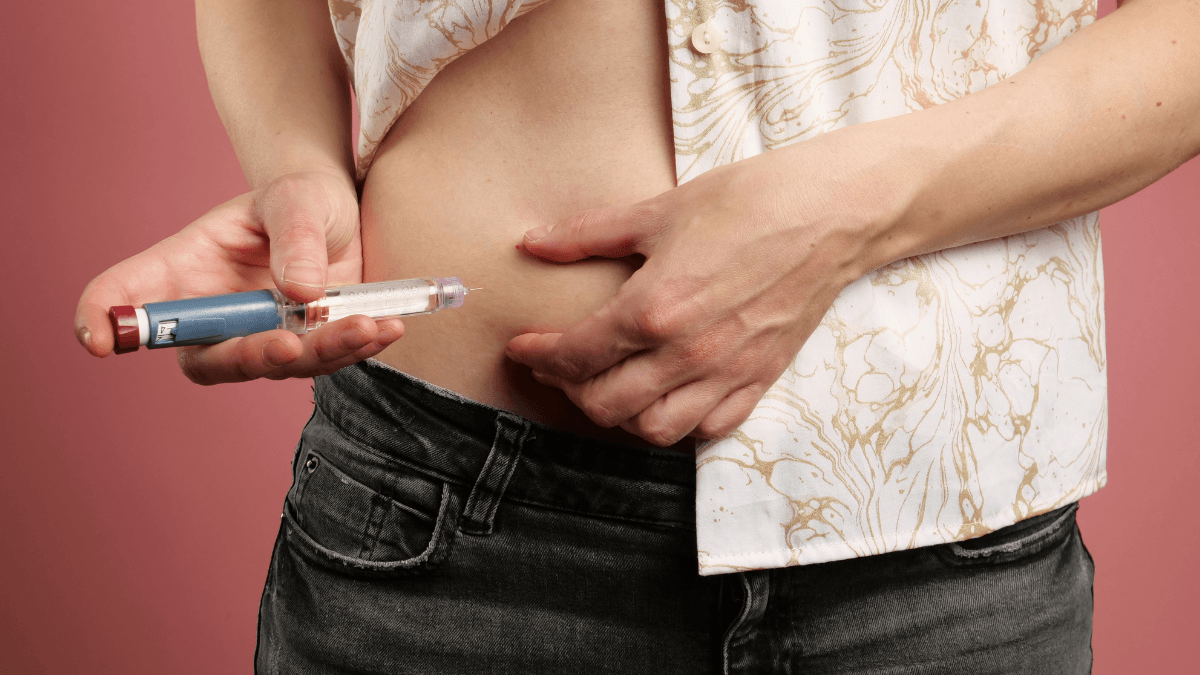
Apidra mealtime insulin is a rapid-acting insulin used around meals to help manage the rise in blood glucose after eating. Its main practical feature is timing flexibility: the product labeling supports use shortly before a meal or soon after starting one, when that matches your prescribed plan. This matters because real meals are not always predictable. Appetite, carbohydrate amount, restaurant timing, activity, and glucose trends can all affect how well a mealtime dose fits.
Apidra is the brand name for insulin glulisine. It is usually used as part of a broader diabetes plan, often with a longer-acting basal insulin or an insulin pump program. The exact dose, timing, and correction approach should come from your prescriber.
Key Takeaways
- Timing window: Apidra is generally used close to meals.
- Rapid action: It starts working faster than regular human insulin.
- Meal fit: Carbohydrate amount and meal composition matter.
- Safety focus: Hypoglycemia is the main risk to watch.
- Technique matters: Site rotation and storage affect reliability.
Where Apidra Fits in Mealtime Insulin Care
Apidra is a rapid-acting insulin analog, which means it is designed to act quickly after injection. It helps move glucose from the bloodstream into cells after meals. In plain terms, it is meant to cover food-related glucose rises rather than provide all-day background insulin.
The generic name is insulin glulisine. Like other rapid-acting insulin examples, it may be used by people with type 1 diabetes and some people with type 2 diabetes when mealtime insulin is part of the treatment plan. It may also be used in certain insulin pumps when the pump and prescriber instructions support that use.
For a broader introduction to insulin glulisine, see Understanding Apidra Insulin. Readers comparing diabetes topics can also browse the Diabetes Articles collection for related educational content.
Why it matters: Knowing whether an insulin is mealtime or background insulin helps prevent timing errors.
Meal Timing, Onset, Peak, and Duration
Apidra dosing timing is built around meals because insulin glulisine works quickly. Official labeling describes use within 15 minutes before a meal or within 20 minutes after starting a meal. That window does not mean every person should choose the same timing. It means the prescribed plan may allow some flexibility around when food actually begins.
Apidra onset and duration can vary by person, but rapid-acting insulin is generally expected to begin working within minutes, reach stronger effect after the meal begins digesting, and then taper over several hours. Injection site, dose size, body temperature, recent exercise, illness, and circulation can all affect absorption. For a deeper look at the action curve, visit Apidra Peak Time.
Meal composition also changes the timing challenge. Fast carbohydrates may raise glucose quickly. Higher-fat meals may delay glucose rise and extend it later. Mixed meals can create a longer, slower pattern. This is one reason many people review post-meal glucose logs with a clinician instead of changing timing alone.
If you track glucose in different units, a converter can help you compare readings from meters, CGM reports, or clinic notes. It only converts units and does not interpret whether a reading is safe for you.
Blood Glucose Unit Converter
Convert glucose readings between mg/dL and mmol/L without changing the clinical value.
These calculations are for education only and do not replace clinical advice, diagnosis, or treatment. Always confirm medical decisions with a qualified healthcare professional.
Can Apidra Be Given After a Meal Starts?
Apidra may be used shortly after a meal starts when that matches the labeled timing and your prescribed instructions. This can be useful when meal size is uncertain, appetite changes, or food arrives later than expected. Still, post-meal dosing can carry trade-offs. Waiting too long may allow glucose to rise before insulin action catches up.
Some people are instructed to dose before eating when the meal is predictable. Others may be told to dose closer to the first bite when glucose is lower or intake is uncertain. These decisions depend on insulin-to-carbohydrate ratios, correction factors, glucose trends, and hypoglycemia history.
Do not use this flexibility to guess doses or make repeated timing changes without review. If you often need to dose after eating because of nausea, gastroparesis, shift work, or unpredictable meals, ask your diabetes care team for a specific plan.
Using Apidra Day to Day
Using Apidra safely starts with a consistent routine. Check the insulin name before each dose, inspect the solution, and confirm the dose on the pen or syringe. Apidra should be clear and colorless. Do not use it if it looks cloudy, thickened, discolored, or contains particles.
Common Apidra injection sites include the abdomen, thigh, upper arm, or buttock area. Rotate within the same general area rather than repeatedly using one exact spot. Reusing the same point can cause lipodystrophy, which means thickened or dented fatty tissue that may change insulin absorption.
If you use the Apidra SoloStar Pen, follow the pen instructions for priming, attaching a new needle, dialing the dose, and holding the needle in place after injection. A stepwise device overview is available at Apidra SoloStar Pen. For a broader discussion of labeled uses and practical handling, see Apidra Uses.
Apidra vials may be used with syringes or, in some situations, pump reservoirs. Never mix device steps between pens, syringes, and pumps. Each delivery method has its own handling rules.
Side Effects and Low-Glucose Warning Signs
The most important Apidra side effect is hypoglycemia, or low blood glucose. Symptoms may include shakiness, sweating, fast heartbeat, hunger, headache, confusion, weakness, irritability, or blurred vision. Severe low glucose can cause seizures, loss of consciousness, or injury.
Low glucose risk may increase when meals are delayed, carbohydrates are overestimated, alcohol is used, activity increases, or a dose is repeated too soon. Some medicines, including beta-blockers, may make warning symptoms harder to notice. People with recurrent lows, impaired awareness, pregnancy, kidney disease, or major schedule changes should review their plan with a clinician.
Other possible effects include injection-site redness, itching, swelling, allergic reactions, weight change, and potassium shifts in susceptible people. Seek urgent care for severe allergic symptoms such as trouble breathing, swelling of the face or throat, widespread rash, or fainting.
Quick tip: Keep a written low-glucose plan where family or coworkers can find it.
Devices, Pumps, and Related Mealtime Options
Apidra is available in formats such as pens and vials, depending on the market and prescription. Pens can simplify carrying and dose dialing. Vials may fit syringe use or some pump workflows. If you are reviewing product formats, use product pages as navigation only, such as Apidra SoloStar Pens or Apidra Insulin Glulisine Vials.
Some people compare Apidra vs Humalog, Apidra vs Novolog, Apidra vs Fiasp, or Apidra vs Lyumjev with their care team. These are not interchangeable decisions to make alone. They can differ in formulation, approved timing language, pump compatibility, onset profile, and insurance or access rules. For one focused comparison, see Apidra vs Novolog.
Insulin pump use adds more variables. Infusion set placement, occlusions, reservoir changes, pump alarms, and unexplained high glucose all need a clear troubleshooting plan. Only use insulin in a pump when the insulin label, pump instructions, and prescriber agree.
Storage and Stability Basics
Storage affects insulin reliability. Unopened Apidra is generally refrigerated according to the product label. It should not be frozen. In-use pens or vials have separate room-temperature instructions and discard limits, so check the current package insert for the exact details.
Heat, direct sunlight, freezing temperatures, and car interiors can damage insulin. Travel adds extra risk because bags may sit in hot vehicles or cold cargo areas. Use insulated storage when appropriate, but avoid placing insulin directly against ice packs.
Discard insulin that was frozen, exposed to extreme heat, or visibly changed. If you are unsure whether a vial or pen is still usable, ask a pharmacist or prescriber before relying on it.
Questions to Review With Your Care Team
Mealtime insulin works best when the plan matches daily life. Bring glucose logs, meal notes, activity patterns, and low-glucose episodes to appointments. Continuous glucose monitoring reports can be especially helpful because they show timing trends after meals.
- Meal timing: Ask when to dose for predictable and delayed meals.
- Low readings: Review what to do before eating if glucose is low.
- Meal composition: Discuss high-fat or slow-digesting meals.
- Activity changes: Ask how exercise affects mealtime doses.
- Sick days: Confirm rules for illness, vomiting, or missed food.
- Pump issues: Request a backup injection plan if using a pump.
CanadianInsulin.com is a prescription referral platform, and prescription details may be confirmed with the prescriber when required. Dispensing and fulfilment are handled by licensed third-party pharmacies where permitted.
Authoritative Sources
For label-backed timing, safety, storage, and pump-use details, review the DailyMed Apidra prescribing information. For patient-oriented drug information, see the Mayo Clinic insulin glulisine monograph. For diabetes care standards and broader insulin therapy context, consult the American Diabetes Association Standards of Care.
Recap
Apidra mealtime insulin can offer useful timing flexibility when meals vary, but it still requires a clear prescribed plan. The key points are simple: know the meal window, understand rapid onset, rotate sites, store insulin correctly, and watch closely for low glucose.
If your meals, schedule, activity, or glucose patterns are changing often, bring those details to your next diabetes visit. Better records help your care team adjust instructions safely and reduce guesswork.
This content is for informational purposes only and is not a substitute for professional medical advice.


