

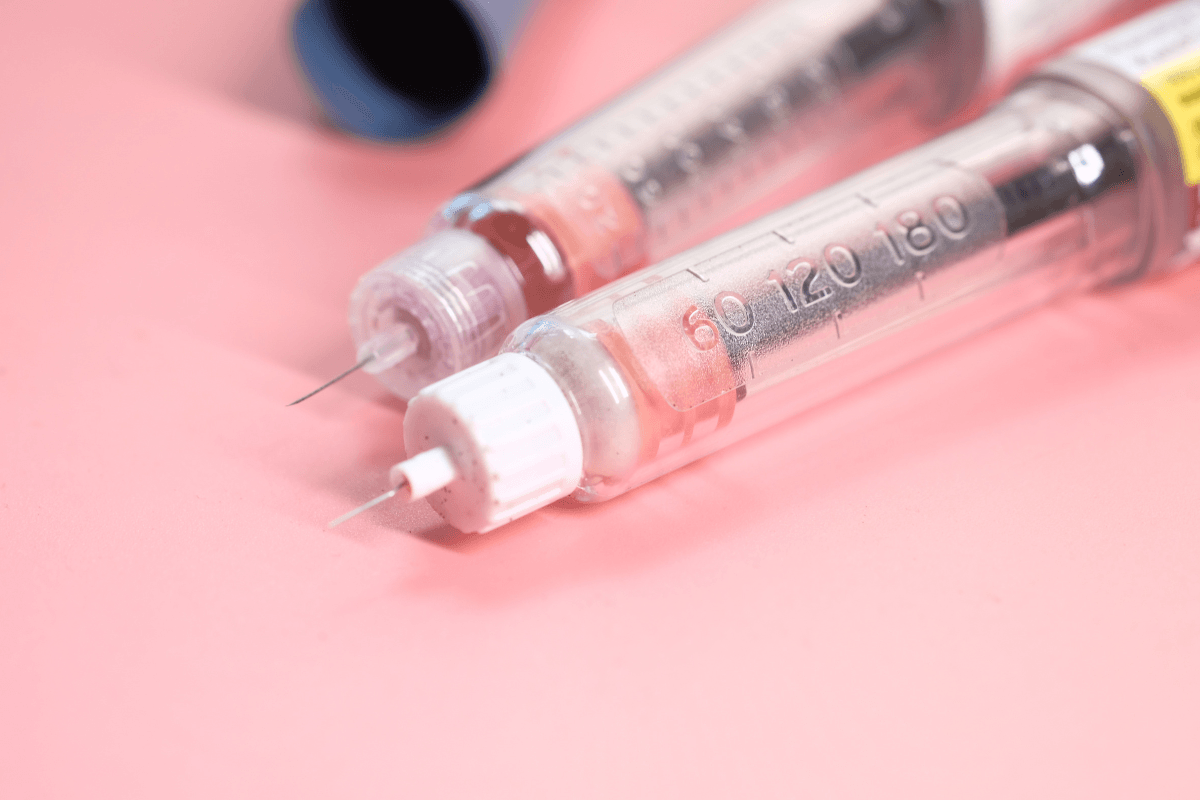
A Humalog Cartridge can support flexible insulin lispro dosing when it is used with the correct reusable pen system, stored properly, and refilled on a realistic schedule. Budget-friendly refills usually come from reducing waste, avoiding device mismatches, and planning before supplies run low. Do not stretch doses or change timing to save insulin; discuss cost or access problems with your clinician or pharmacist.
Key Takeaways
- Device fit matters: cartridges require compatible pen systems.
- Storage prevents waste: heat, freezing, and expired in-use time can ruin insulin.
- Technique affects supply: priming, needle changes, and missed doses change monthly use.
- Format choice varies: cartridges, prefilled pens, and vials have different trade-offs.
- Refill planning helps: confirm prescriptions, alternatives, and lead times early.
What a Humalog Cartridge Is, and Why Format Matters
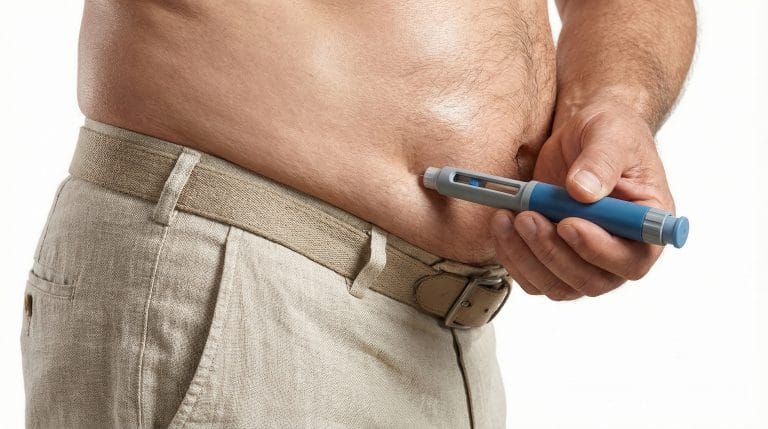
A Humalog Cartridge is a replaceable insulin lispro cartridge intended for use with a compatible reusable insulin pen system. It is not the same as a prefilled disposable pen, and it should not be used with an incompatible device. The cartridge format can reduce plastic waste and may suit people who prefer a durable pen, but it requires correct loading, priming, and storage.
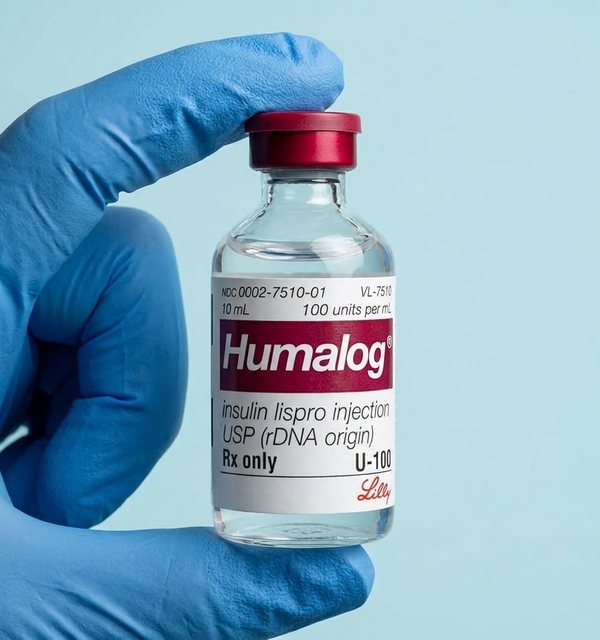
Humalog contains insulin lispro, a rapid-acting insulin analog used around meals or for correction dosing when prescribed. The exact schedule, dose, and correction instructions must come from your care team. If your routine changes, such as illness, travel, pregnancy, or repeated low blood sugar, seek medical guidance rather than adjusting insulin on your own.
For product-format context, the Humalog Cartridge 100 Units/mL page can help you identify the cartridge presentation. For broader background on cartridge systems, see Insulin Cartridges Basics.
How to Use Cartridge Refills Without Creating Avoidable Waste
Safe cartridge use starts with the correct pen, a new needle, and a clear view of the insulin before injection. Check that the solution looks as expected, the cartridge is intact, and the device is assembled according to the manufacturer’s instructions. If the cartridge appears cracked, leaking, cloudy when it should be clear, or exposed to unsafe temperatures, ask a pharmacist before using it.
Most refill waste comes from a few repeat problems. People may start a new cartridge before finishing an open one, lose track of the in-use date, prime more than instructed, or discover too late that the cartridge does not fit their pen. These are practical issues, not dose decisions, so they can often be improved with simple tracking.
Quick tip: Write the open date on the cartridge box or a paper log before your first dose.
Practical refill habits
- Match the device: confirm the compatible pen before refilling.
- Track open dates: use the labeled in-use limit.
- Store by status: separate unopened and in-use supplies.
- Count real use: include priming and occasional misfires.
- Check supplies together: needles, swabs, sharps container, and backup plans.
If you are unsure about loading steps, ask your pharmacist or diabetes educator to watch a practice setup. A short technique review can prevent repeated priming errors, incomplete injections, or device problems that make refills run short.
Cartridge, Prefilled Pen, or Vial: Cost and Convenience Trade-Offs
The lowest-waste format depends on your prescription, daily routine, dexterity, vision, and coverage rules. A cartridge may be efficient for someone who likes a durable pen and can finish insulin within the allowed in-use window. A prefilled pen may be simpler for travel or occasional use. A vial may suit some people who are comfortable with syringes or need a format their care plan already supports.
| Format | Common advantages | Common limitations |
|---|---|---|
| Cartridge with reusable pen | Durable device, replaceable cartridge, familiar dose dialing | Requires compatible pen and correct loading |
| Prefilled disposable pen | Fewer assembly steps, convenient for travel | Device is discarded when empty or expired |
| Vial and syringe | Flexible draw-up method for trained users | More handling steps and syringe technique required |
When comparing insulin cartridge vs pen options, remember that “pen” can mean two different things. Some pens are reusable devices that accept cartridges. Others are disposable prefilled pens. This difference matters when you are checking compatibility, needles, refill quantities, and waste.
For a closer look at affordability factors, read Humalog Affordability Factors. If you are comparing general savings approaches, Cut Insulin Costs outlines non-promotional planning steps. For vial-format reference, see Humalog Vial 100 Units/mL.
Compatible Pens, Needles, and Reusable Devices
A Humalog Cartridge should only be used with a pen system that the manufacturer identifies as compatible. The wrong pen can cause dosing errors, cartridge damage, or inability to deliver insulin. Before changing devices, confirm the pen model, cartridge type, needle requirements, and training instructions with a pharmacist or prescriber.
Reusable pens can help some people reduce device waste, but they are not automatically better for every person. Grip strength, dose-display visibility, hearing or feeling the dose clicks, and comfort with cartridge loading all matter. A device that is difficult to handle can create more waste than it saves.
Needles also affect technique. Reusing needles may increase discomfort, dullness, blockage risk, or inconsistent flow. Follow your device instructions and local sharps disposal rules. If you have repeated leakage, bent needles, or unexplained cartridge loss, bring the pen, needles, and cartridge package to your pharmacist for review.
For readers comparing cartridge systems with prefilled devices, the Humalog KwikPen page provides presentation context. The Humalog KwikPen Junior page may also help you understand how pen formats can differ, though device selection should stay with your care team.
Storage Rules That Protect Your Supply
Insulin storage is one of the most important refill-cost controls because damaged insulin may need replacement. Keep unopened cartridges refrigerated according to the label. Avoid freezing, direct heat, and prolonged sunlight. Once a cartridge is in use, follow the product’s room-temperature and in-use time instructions.
Temperature excursions can happen in cars, luggage, bathrooms, windowsills, or during power outages. A cartridge may look normal after heat or freezing exposure, so appearance alone does not confirm safety. If you suspect a storage problem, ask a pharmacist for guidance and use your clinician’s backup plan if blood glucose readings become unexpectedly high.
Why it matters: Replacing damaged insulin can cost more than preventing the exposure.
Use a small thermometer in your storage area if your home has seasonal temperature swings. During travel, keep insulin with you rather than in checked luggage, and protect it from direct contact with ice packs unless the storage system is designed for that purpose. For more detail, review Humalog Storage Temperature.
Planning Refills During Shortages, Travel, or Coverage Changes
Refill planning works best when you know your average monthly use and your pharmacy lead time. Set a reminder before your supply reaches the last cartridge. This gives you time to resolve stock issues, prescription clarification, or device questions without rushing.
Keep your prescription details clear. It should identify the insulin, concentration, delivery format, and any needed supplies. Ask your prescriber whether clinically appropriate alternatives can be documented in advance. This does not mean switching on your own; it means reducing delays if your usual format is unavailable.
If cost is the main concern, prepare a short list for your next appointment. Include how many cartridges you use in a typical month, how much is lost to priming or misfires, whether you discard insulin because of open-date limits, and whether your device is easy to use. These details help your care team discuss realistic options without guessing.
CanadianInsulin.com functions as a prescription referral platform, and prescription details may be confirmed with the prescriber where required. Dispensing and fulfilment are handled by licensed third-party pharmacies where permitted, which is relevant when patients compare access routes or cash-pay options.
When to Ask for Clinical Help
Ask for medical guidance if your blood glucose readings are repeatedly outside your usual range, if you have frequent low blood sugar, or if you think insulin was exposed to unsafe temperatures. Also seek help if you cannot deliver a full dose, the pen jams, the cartridge leaks, or the dose window does not behave normally.
Get urgent care for severe hypoglycemia symptoms, confusion, loss of consciousness, vomiting with high glucose, ketone concerns, or symptoms your care plan identifies as urgent. Cost-control steps should never replace emergency guidance or a clinician’s sick-day instructions.
Bring your device and supplies to the appointment when possible. A clinician, pharmacist, or diabetes educator can check whether the problem comes from storage, device fit, needle technique, injection-site rotation, or prescription mismatch.
Authoritative Sources
For official labeling and product details, review the DailyMed Humalog labeling. Canadian patient information is available through the manufacturer’s Canadian consumer information. For general insulin education, the American Diabetes Association provides insulin basics and storage guidance.
A Humalog Cartridge refill plan should balance device fit, storage discipline, technique, and prescription clarity. The most budget-friendly approach is usually the one that prevents avoidable waste while keeping insulin use aligned with your prescribed care plan.
This content is for informational purposes only and is not a substitute for professional medical advice.