

News Articles and Resources
Plain-language guides on medications, conditions and everyday care, to read before you talk with your prescriber or pharmacist.

Zepbound Pill Questions: Injection Facts and Oral Research
Zepbound is not currently a pill. The marketed product is an injectable tirzepatide medicine given under the skin, so searches for a…
Read more →
Independence Day Meaning, History, and Why It Still Matters
Independence Day is the U.S. federal holiday marking the adoption of the Declaration of Independence on July 4, 1776. The day is…
Read more →
Canada Post Strike: Protecting Ozempic and Mounjaro Deliveries
A Canada Post strike can delay parcels, interrupt scan updates, and create uncertainty for people waiting for refrigerated diabetes medications. The safest…
Read more →
World Health Day 2025: Why Mothers And Newborns Are The Focus
World Health Day 2025: Better Care for Mothers and Newborns is the 2025 World Health Organization campaign focus for April 7. It…
Read more →
Telehealth Services at Canadian Insulin: Video Visit Basics
Telehealth services at Canadian Insulin refer to remote video-based medical visits that may support routine diabetes follow-up, medication review, and lifestyle counseling…
Read more →
Zepbound: Eligibility, Dosing, Safety, and Monitoring
Zepbound is a prescription tirzepatide injection approved for chronic weight management in certain adults, and for obstructive sleep apnea in adults with…
Read more →
National Pharmacist Day 2025: Why Pharmacists Matter
National Pharmacist Day is commonly observed on January 12. In 2025, it remains a useful moment to recognize how pharmacists protect medication…
Read more →
New Products Coming Soon: A Practical Guide to 2025 Releases
Innovation cycles are accelerating, and signals can be noisy. This page summarizes how to track announcements, interpret evidence, and plan next steps.…
Read more →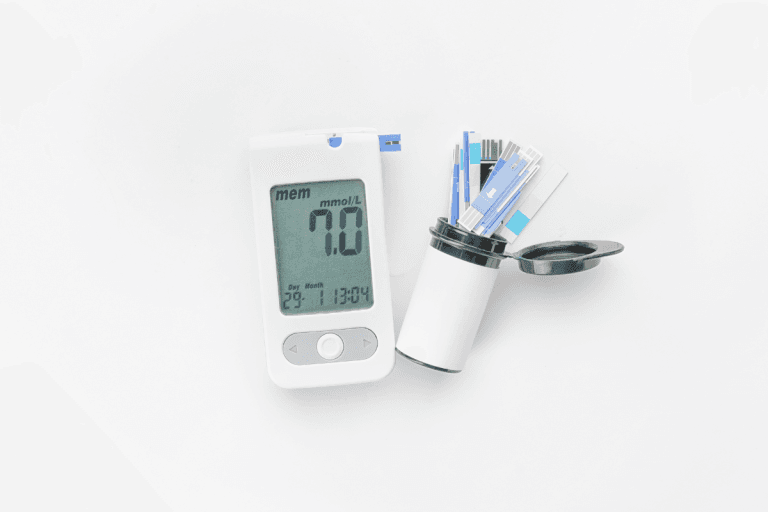
Accu-Chek Aviva Test Strips Recall 2018: Risks and Next Steps
For anyone searching Accu-Chek Aviva Test Strips Recall 2018: Safety Steps, the short answer is this: certain lots of Accu-Chek Aviva and…
Read more →The News archive gathers current articles about diabetes, weight management, medication research, safety questions, and related endocrine topics. Use it to scan recent educational updates, compare article themes, and decide which deeper resource fits your next question. This archive is not a live alert page; it focuses on health topics that matter to patients, caregivers, and readers following treatment developments.
Browse News by health topic
Start with the topic that matches your question, then move into a narrower article group when needed. Readers tracking glucose management can open Diabetes Articles for broad education, or use Type 2 Diabetes Articles when the question involves insulin resistance, oral medications, or long-term monitoring. People comparing weight-related medication discussions may prefer Weight Management Articles.
The archive also includes research-focused reading. Research Articles can help you separate early findings from established clinical use. That distinction matters because study results, regulatory updates, and prescribing decisions do not always move at the same pace.
How the article types differ
Not every article answers the same kind of question. Some pieces explain a medication class, while others compare related treatments or discuss safety signals. Use the format to decide how much detail you need before clicking through.
- Medication class explainers: These articles define groups such as GLP-1 receptor agonists (medications that mimic a gut hormone involved in glucose and appetite signaling). GLP-1 Explained is a useful starting point when you want plain-language definitions before reading brand-specific content.
- Safety and expectation pieces: These articles focus on adverse effects, monitoring questions, and realistic expectations. Semaglutide Medication Safety fits readers who want a careful overview without changing their treatment plan on their own.
- Comparison and care-context guides: These resources help you compare drug classes or understand why a clinician may discuss one option over another. SGLT2 Inhibitors Guide covers kidney-acting diabetes drugs in a broader heart and kidney context.
Quick tip: Read the article type first, then decide whether you need a condition page, product category, or clinical discussion.
Read research updates with the right caution
Health headlines can move quickly, especially when new diabetes or obesity medicines receive attention. A study may report a signal, a trial endpoint, or an expert interpretation before the information affects routine care. Treat these articles as educational context, not as instructions to start, stop, or adjust a medication.
When an article discusses emerging therapies, check whether it describes approved use, investigational use, or early research. Words like trial, observational data, and real-world evidence can signal different strengths of information. If a story mentions side effects, remember that risk can vary by dose, health history, other medicines, and treatment goals.
Connect reading with condition and product categories
After reading an article, you may want a more structured page. Condition pages organize information around a health topic, while product categories group medications or supplies for browsing. For example, Type 2 Diabetes Care Options can help you view condition-aligned resources without treating an article as a personal care plan.
Product categories work differently from editorial articles. Diabetes Medications is better suited when you need to compare medication groups, product forms, or related diabetes categories. Use product pages for item-level details, and use articles when you need explanations, comparisons, or background before a clinician conversation.
Safety and access notes while browsing
Medication-related articles can help you prepare better questions, but they cannot assess your medical history. Bring questions about dosing, side effects, pregnancy, kidney disease, heart disease, mental health symptoms, or drug interactions to a licensed clinician. This is especially important when an article discusses insulin, GLP-1 medicines, SGLT2 inhibitors, hypoglycemia, or weight management medications.
Medication pages may require prescriber confirmation of prescription details before access steps continue. Keep that process separate from reading the article archive. Editorial content explains topics; prescription decisions and medication changes belong with qualified healthcare professionals.
Why it matters: A clear separation between reading and treatment decisions helps reduce unsafe self-directed changes.
Choose a practical next step
Use this News category as a starting point when you want current health reading without jumping straight into product pages. Choose a topic, compare the article type, then open the related condition or medication category if you need a narrower path. Keep notes about questions you want to discuss during your next clinical visit.
This content is for informational purposes only and is not a substitute for professional medical advice.
This content is for informational purposes only and is not a substitute for professional medical advice.
Frequently asked questions
About reading the News archive.
What does the News category include?
The News category includes educational articles about diabetes, weight management, medication research, safety topics, and related health developments. It is an editorial archive, not a live breaking-news feed. Use it to find timely reading, then move to a condition page or product category when you need a more specific browsing path.
Where should I start if I am comparing diabetes medications?
Start with medication class explainers if you need basic definitions. Move to comparison articles when you understand the main terms. Product categories can help you browse medication groups and forms, while condition pages organize options around a health topic. Do not use articles to change your dose or treatment plan without clinician guidance.
Are product pages and articles used the same way?
No. Articles explain topics, summarize research, and help readers prepare questions. Product pages focus on specific medications or supplies and may include item-level details. If an article mentions a medication, treat that mention as educational context. Use product categories for browsing options and a clinician for personal medical decisions.
Can these articles replace advice from my clinician?
No. These articles can support health literacy, but they cannot review your diagnosis, lab results, other medicines, or risk factors. Use them to prepare clear questions for a healthcare professional. Seek clinical advice before making changes involving insulin, diabetes medications, weight management drugs, or emergency treatments for low blood sugar.
Browse by medical condition
Products and reading lists grouped by condition, from A to Z.
All medical conditions →Looking for a medication?
Prices in USD, shown before you pay. Prescription required.
Shop all medications →The contents of CanadianInsulin.com are for informational purposes only and should not be considered medical advice. We do not guarantee the accuracy of the content on CanadianInsulin.com, nor do we assume any responsibility for any actions taken using the information found on our website. Always consult with your family physician or a qualified health care provider about any health or medical concerns.