


Zepbound is not currently a pill. The marketed product is an injectable tirzepatide medicine given under the skin, so searches for a zepbound pill usually reflect a desire for easier dosing rather than a different form of the same approved product.
That distinction matters. Route of administration affects absorption, storage, training, side-effect timing, and how clinicians discuss dose increases. It also changes how you should interpret news about oral obesity medicines, because an investigational or newly approved GLP-1 pill may not be the same drug as tirzepatide.
Key Takeaways
- Current form: Zepbound is an injection, not a tablet.
- Common intent: “Pill” often means needle avoidance or simpler routines.
- Oral research: New pills may target related pathways, not identical therapy.
- Dosing terms: Starting, escalation, and maintenance doses mean different things.
- Safety context: Side effects often need timing and symptom details.
Why There Is No Zepbound Pill Today
The short answer is formulation. Tirzepatide is a peptide-based medicine, and medicines like this can be hard to deliver by mouth because digestion may break them down before enough drug reaches the bloodstream.
Zepbound is designed as a subcutaneous injection. Subcutaneous means the medicine goes into the fatty layer under the skin. This route helps the dose enter the body in a more predictable way than a standard tablet would for many peptide drugs.
A zepbound pill would need more than the same ingredient placed into a capsule. Oral versions often require special formulation strategies, such as absorption enhancers or molecules designed to survive the stomach and intestines. Even then, the product must be studied for safety, effectiveness, administration rules, and interactions.
Why it matters: A pill in the same general treatment area is not automatically interchangeable with an injection.
For a plain product-level orientation, see the Zepbound page. It can help you separate product format from broader discussions about weight-management medicines.
What Zepbound Is and Where It Fits
Zepbound is the brand name for tirzepatide when used for chronic weight management in eligible adults. Tirzepatide acts on incretin hormone pathways, including signals involved in appetite, glucose regulation, and digestion.
The same active ingredient is also associated with a diabetes-focused brand. That overlap can confuse patients, especially when online posts discuss tirzepatide without naming the indication, brand, or country-specific label. Brand names, labeled uses, devices, and coverage rules can differ.
If your question is whether the medication is for diabetes or weight management, the explainer Zepbound for Diabetes or Weight Loss gives more background on that distinction.
Patients browsing treatment categories can also review the Weight Management collection. Treat category pages as navigation tools, not as medical advice or proof that one option is right for you.
Oral Options Are Not All the Same
When people ask about a zepbound pill, they may mean several different things. They may want any oral weight-management medicine, an oral GLP-1 option, or a future oral tirzepatide product. Those are separate questions.
Approved oral medicines in nearby categories
Some oral medicines exist for diabetes or weight-related care, but they are not direct substitutes for Zepbound. Indications, risks, expected effects, and administration rules vary. A clinician must consider your diagnosis, other medicines, pregnancy plans, gastrointestinal history, and metabolic risk factors before recommending a treatment path.
Investigational oral incretin medicines
Several oral medicines are being studied in incretin-related pathways. Some target GLP-1 receptors, while others may use different combinations of gut-hormone activity. These products may be described online as “weight-loss pills,” but that wording can blur important differences.
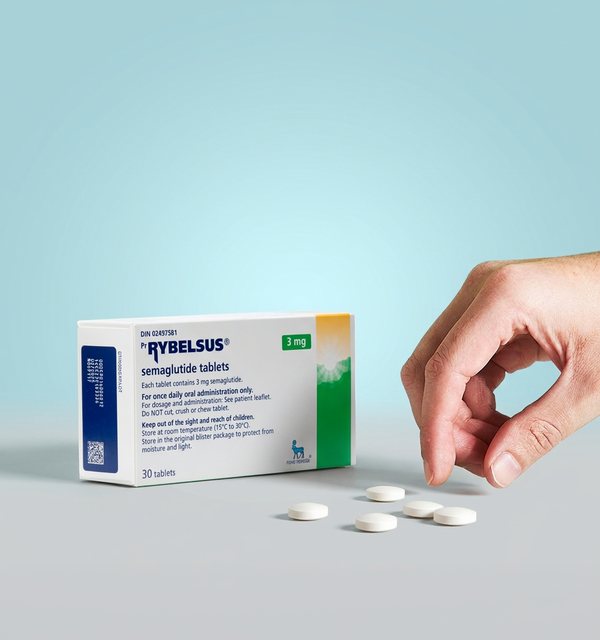
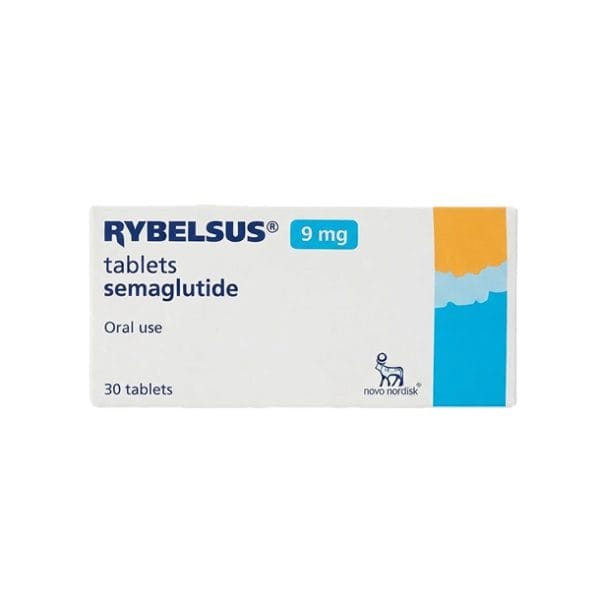
For a related oral research topic, see Orforglipron Pill. You can also compare current facts about another oral pathway in Oral Wegovy.
Product pages and research context
Some readers also encounter product listings while researching oral candidates. The Orforglipron and Oral Amycretin pages can provide naming context, but they should not be treated as a signal that a medicine is appropriate for your situation.
How Injection Dosing Language Is Usually Discussed
Zepbound dosing is described in steps because many incretin medicines are introduced gradually. This approach is often called titration, meaning planned dose adjustment over time to support tolerability and a longer-term treatment plan.
Online searches often focus on “best dose,” “highest dose,” or “maintenance dose.” Those phrases can be misleading without clinical context. The highest labeled strength is not the goal for every person, and a maintenance dose is not simply the strongest available dose. It is the longer-term dose a prescriber selects based on response, tolerability, and the label.
People also search for the Zepbound dose schedule because side effects may appear or worsen around dose increases. If symptoms occur, it helps to record when they started, how severe they were, what you ate, hydration patterns, and whether other medications changed.
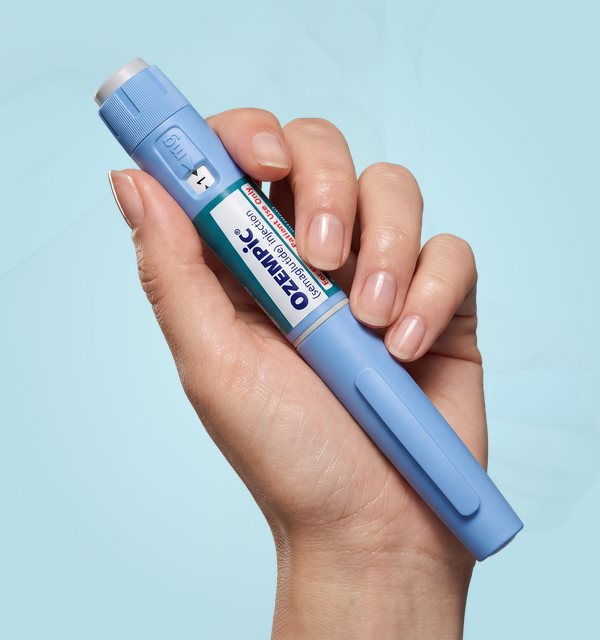
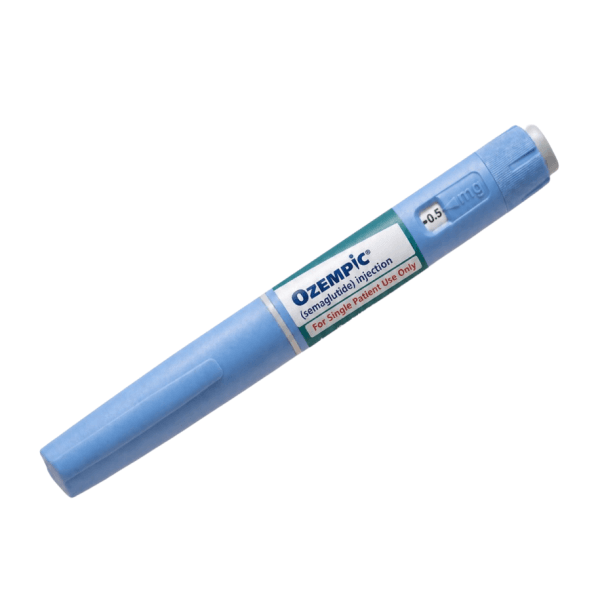
Do not split, combine, or adjust doses based on social media charts. Dose conversion charts, including comparisons between Ozempic and Zepbound, can be unsafe when used without a prescriber. Different medicines have different ingredients, indications, dose units, and escalation rules.
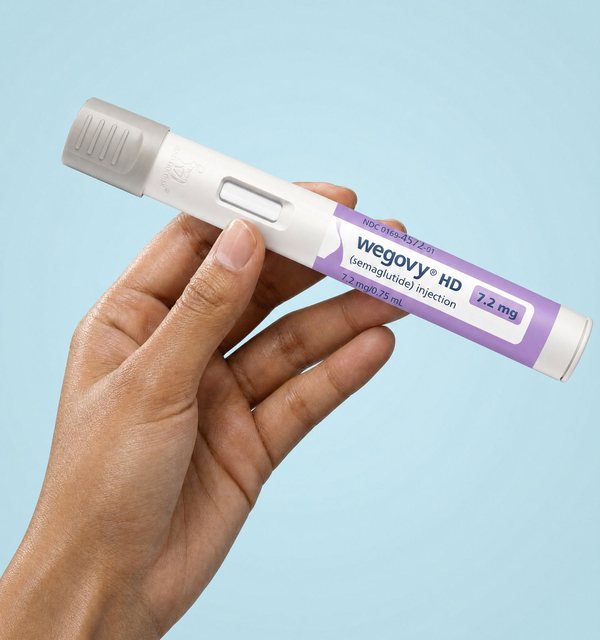
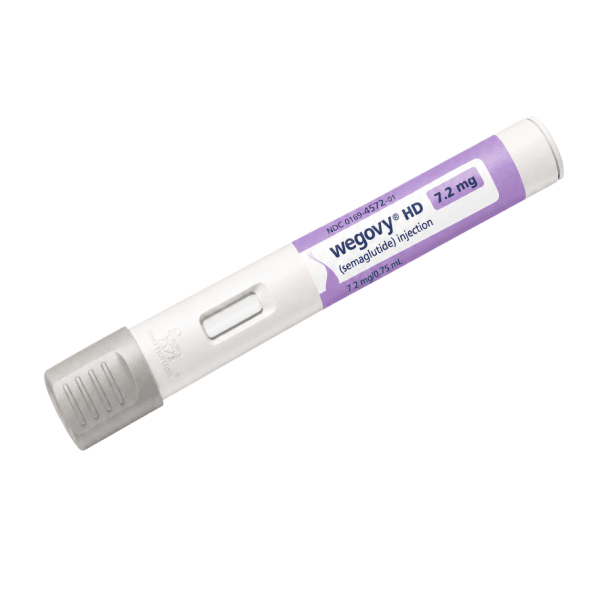
Quick tip: Bring the exact pen label or medication list to appointments.
Side Effects and Safety Questions to Clarify
Zepbound side effects are discussed often because incretin medicines commonly affect the gastrointestinal system. Nausea, vomiting, diarrhea, constipation, reduced appetite, and abdominal discomfort are frequently discussed with this class, especially early in treatment or after dose increases.
Some symptoms may come from the medicine. Others may relate to smaller meals, dehydration, changes in food choices, alcohol intake, or other drugs. That is why a timeline matters more than a one-sentence review.
Seek urgent medical attention for severe or persistent abdominal pain, signs of dehydration, serious allergic symptoms, or symptoms that feel sudden and dangerous. Product labeling and clinician counseling should guide what counts as urgent for your personal risk profile.
Patients also search for long-term side effects, cancer concerns, muscle pain, and sex-specific experiences. These topics deserve careful review with official labeling and your prescriber, not anecdotal posts alone. Personal reviews can describe real experiences, but they often leave out dose changes, other conditions, lab results, and concurrent medicines.
The U.S. Food and Drug Administration describes Zepbound as an injectable tirzepatide product for chronic weight management in eligible adults; see the FDA chronic weight management announcement for regulatory context. Patient-friendly safety basics are also available through MedlinePlus drug information.
Interpreting Weight-Loss Claims, Reviews, and Charts
Zepbound weight loss discussions can be hard to interpret because online posts often compress months of treatment into one image. Before-and-after reviews may not show dose history, diet changes, exercise, side effects, missed doses, or whether the person met the same eligibility criteria as you.
Weight change also varies. Some people focus on the first month, while others look at longer-term trends. A single early number does not confirm whether a medicine is working, whether a dose should change, or whether side effects will continue.
If you track progress, use consistent measurements. Record date, weight, dose strength, major side effects, appetite changes, and any clinician-directed changes. This creates a clearer discussion than screenshots or general impressions.
The calculator below can help estimate general weight-change progress toward a goal. It does not assess medication response, predict results, or replace clinical guidance.
Weight-Loss Progress Calculator
Track percentage body-weight change and progress toward a target weight.
These calculations are for education only and do not replace clinical advice, diagnosis, or treatment. Always confirm medical decisions with a qualified healthcare professional.
For broader educational reading, the Weight Management Articles collection organizes related explainers in one place.
How to Discuss a Pill Preference With Your Clinician
If you prefer a pill, explain why. Needle fear, travel, storage, privacy, side effects, swallowing ability, meal timing, and cost concerns can point to different solutions.
Use the questions below to keep the conversation practical:
- Formulation: Is this a pen, vial, tablet, or capsule?
- Training: What technique or timing rules apply?
- Escalation: What would prompt a dose change or pause?
- Side effects: Which symptoms are expected versus urgent?
- Interactions: Which medicines or supplements need review?
- Monitoring: What measurements or labs should be followed?
If access is part of the discussion, keep the topic separate from clinical suitability. CanadianInsulin.com is a prescription referral platform, and prescription details may need confirmation with a prescriber where required. Dispensing and fulfilment are handled by licensed third-party pharmacies where permitted.
Some patients also ask about cash-pay options and cross-border fulfilment, depending on eligibility and jurisdiction. Those logistics do not determine whether a zepbound pill, injection, or alternative medicine is clinically appropriate.
How Related Injectable Options Compare
Comparisons help most when they focus on mechanism, indication, route, and counseling needs. They help less when they rely on review scores or isolated weight-loss percentages.
Wegovy is another injectable medicine in the weight-management category, but it contains a different active ingredient. The Wegovy page can help readers compare product format and naming context without treating the medicines as interchangeable.
Mounjaro is a related tirzepatide brand used in diabetes care contexts. Because patients often hear both names, Zepbound and Mounjaro explains why active ingredient overlap does not erase differences in labeling and use.
For people researching availability rather than formulation, Generic Zepbound Availability covers another common source of confusion. Generic status, oral research, and injection access are separate issues.
Authoritative Sources
Use official and regulator-backed sources when checking claims about approved forms, warnings, and study status. Social posts can be useful for lived experience, but they are not reliable evidence for dose changes or substitutions.
- FDA Zepbound approval announcement for U.S. regulatory context.
- ClinicalTrials.gov for registered studies and investigational medicine details.
- MedlinePlus drug information for patient-focused medication safety basics.
Recap: Zepbound is currently an injection, not a pill. Oral medicines in related pathways may exist or be under study, but they should not be assumed to match tirzepatide injections. If you want an oral option, define the reason first, then review approved choices and safety considerations with a qualified clinician.
________________________________________________________________________________________
Medically Reviewed by: Ma Lalaine Cheng.,MD.,MPH
This content is for informational purposes only and is not a substitute for professional medical advice.