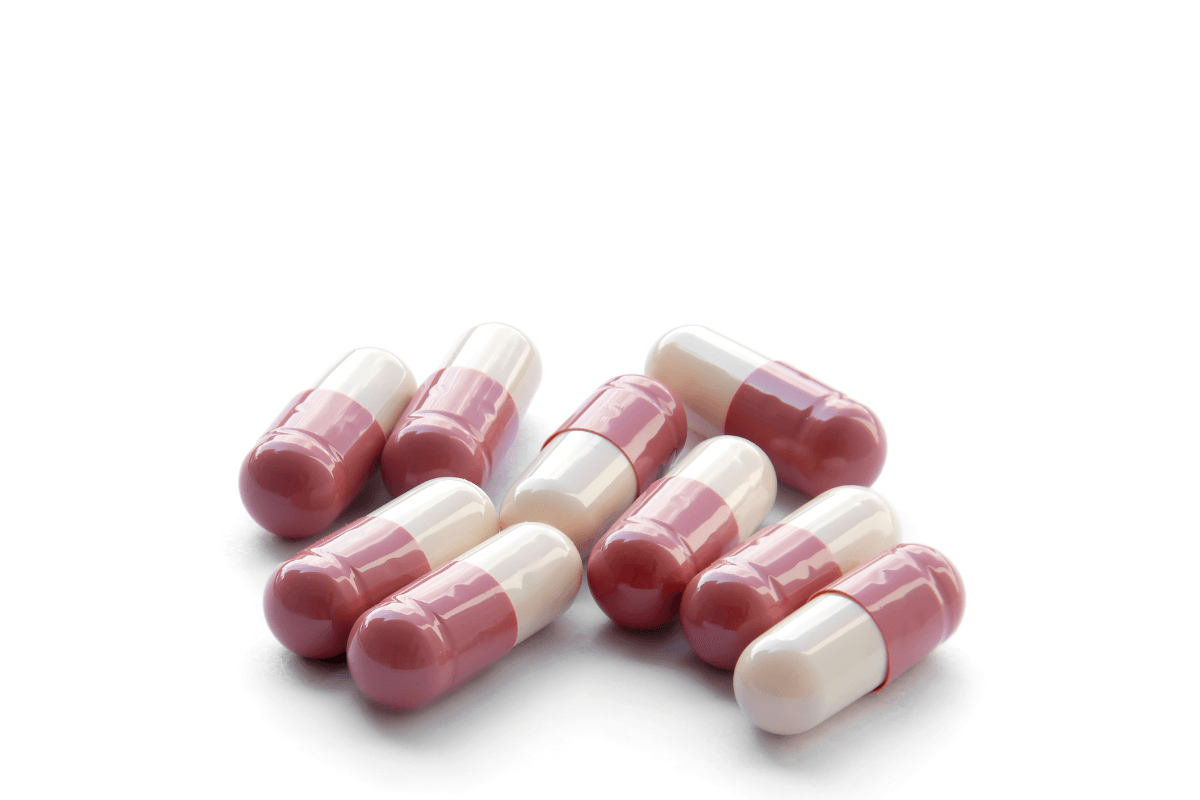
Cephalexin for dogs is a prescription antibiotic that veterinarians may use for selected bacterial infections, especially some skin, wound, urinary, and respiratory infections. It can also be prescribed for cats in certain situations. The dose is not safe to estimate from an online chart alone because the plan depends on species, weight, infection site, kidney function, medical history, and the exact product dispensed.
That matters because dosing mistakes, leftover medication, or delayed follow-up can lead to side effects or poor infection control. This article explains where cephalexin may fit in veterinary care, how dosing decisions are usually made, which warning signs matter most, and what to ask before treatment starts. For broader browsing, you can explore the site’s Pet Health category.
Key Takeaways
- Cephalexin is a cephalosporin antibiotic used for susceptible bacteria.
- Dogs and cats may receive it, but dosing is individualized.
- Common use areas include skin, wounds, urinary signs, and some respiratory infections.
- Digestive upset is common; allergic reactions need urgent care.
- Do not reuse leftover antibiotics or change the schedule without veterinary guidance.
Where Cephalexin Fits in Dog and Cat Care
Veterinarians prescribe cephalexin when they suspect a bacterial infection that is likely to respond to this antibiotic. It belongs to the cephalosporin class, a group often used against certain bacteria that affect the skin and soft tissues. In dogs, one common reason is pyoderma, a bacterial skin infection that may cause redness, pustules, crusting, odor, or itching.
Cephalexin for dogs uses can also include infected wounds, bite-related soft-tissue infections, and some urinary tract infections when bacteria are suspected. In some cases, a veterinarian may consider it for respiratory bacterial infections or secondary infections linked to another disease process. Cats may also receive cephalexin, but they often need extra attention to appetite, stress, and medication tolerance.
Why it matters: Cephalexin does not treat viral illness or most fungal disease.
Common situations where a veterinarian may consider it
- Skin infection: bacterial dermatitis or superficial pyoderma.
- Wound infection: scratches, bites, or draining areas.
- Urinary signs: suspected bacterial urinary tract infection.
- Respiratory infection: selected bacterial cases after examination.
- Secondary infection: bacteria complicating allergy or skin trauma.
Skin disease shows why context matters. A dog with an infected hot spot may improve when bacteria are controlled, but the underlying trigger may still be allergy, fleas, moisture, or repeated licking. In cats, wounds and abscesses may need drainage, pain control, or recheck visits in addition to an antibiotic.
When infections are deep, recurrent, severe, or slow to improve, a veterinarian may recommend culture and sensitivity testing. This lab test identifies the bacteria and checks which antibiotics may work. It is especially useful for repeat urinary infections, stubborn skin disease, and pets that recently took antibiotics.
Why Your Vet May Prescribe It Instead of Another Antibiotic
A veterinarian chooses an antibiotic by matching the suspected bacteria, infection site, and pet-specific safety factors. Cephalexin may be considered when the likely organisms fit its expected coverage and the pet can take oral medication reliably. It is not automatically the right choice for every cough, rash, wound, or urinary accident.
Other veterinary antibiotics may be used when the suspected bacteria, patient history, or infection pattern points elsewhere. For example, some pets receive amoxicillin-clavulanate; you can read more about that option in this Clavamox for Dogs and Cats resource. Other situations may lead a veterinarian to consider options discussed in the Doxycycline for Dogs and Cats or Baytril Antibiotic pages.
The key point is not which antibiotic sounds strongest. The goal is to use a medication that fits the infection, minimizes avoidable risk, and supports responsible antibiotic use. Repeating the same antibiotic without reassessment can miss resistance, a non-bacterial cause, or an underlying problem such as allergy, stones, dental disease, or foreign material.
How Veterinarians Decide on Dosage
Cephalexin dosing is based on the individual animal, not a universal chart. Veterinarians commonly calculate a starting amount using body weight, then adjust the schedule and course length around the infection type, severity, formulation, kidney function, and the pet’s response. That is why search phrases like cephalexin dog dosage chart or cephalexin 500mg for dogs can be misleading without the full case details.
A 500 mg capsule may be appropriate for one dog and unsafe or unsuitable for another. The same tablet strength can mean very different mg per kg exposures depending on body weight. Cats, small dogs, seniors, and pets with kidney disease need especially careful review before any dose is given.
| Decision Factor | Why It Matters |
|---|---|
| Species and weight | They shape the starting calculation and formulation choice. |
| Infection site | Skin, urinary, wound, and respiratory infections may need different follow-up. |
| Kidney function | Reduced kidney function can affect how the body clears medication. |
| Dosage form | Capsules, tablets, and liquids are measured differently. |
| Past antibiotic use | Recent exposure can raise concern for resistant bacteria. |
| Pet tolerance | The plan only works if the pet can take it reliably. |
Liquid formulations deserve special care because concentrations can differ. A volume that looks small on a syringe may still contain a large amount of medicine if the liquid is concentrated. Use the measuring device provided with the prescription, and confirm the label if the number of mL seems unclear.
Course length also varies. Some skin infections need longer treatment than a simple surface wound, while urinary signs may need testing before and after therapy. Visible improvement after a few doses does not always mean the deeper infection is fully controlled.
Quick tip: Keep the label, syringe, and bottle together to reduce mix-ups.
If a pet spits out a dose, vomits soon after taking it, or misses a scheduled dose, do not double the next dose unless the veterinarian instructs you to do so. The right response depends on timing, how much was likely swallowed, and whether the pet is otherwise stable.
Side Effects and Warning Signs
Cephalexin can cause side effects, even though it is commonly used in veterinary medicine. The most frequent problems are digestive. A dog or cat may develop nausea, vomiting, loose stool, reduced appetite, drooling, or reluctance to take the medicine because of taste or stomach discomfort.
Mild stomach upset can happen with many antibiotics because they can disrupt normal gut bacteria. More serious concern starts when vomiting persists, diarrhea becomes severe, appetite drops sharply, or the pet seems weak, painful, or unusually quiet. A worsening infection also needs prompt reassessment.
Contact a veterinarian promptly if you notice
- Facial swelling: possible allergic reaction.
- Hives or itching: new skin reaction.
- Breathing trouble: urgent emergency sign.
- Repeated vomiting: dehydration risk.
- Bloody diarrhea: same-day veterinary concern.
- Collapse or confusion: emergency evaluation needed.
Allergic reactions are uncommon, but they can be serious. Pets with a previous reaction to cephalexin, another cephalosporin, or sometimes penicillin-class antibiotics need extra caution because cross-reactivity can occur. Tell the veterinarian about any past swelling, hives, breathing changes, severe vomiting, or collapse after a medication.
Cats need special attention when appetite changes. A cat that stops eating, hides, drools, or walks away from food may deteriorate faster than expected. Do not wait several days if a cat refuses meals while taking any medication.
Some owners search for alarming phrases after a pet becomes very ill during treatment. If you are worried that cephalexin harmed your dog or cat, contact an emergency veterinary clinic or poison-control service right away. Bring the bottle, label, dose times, and a list of other medicines or supplements.
Safe Use at Home: What to Confirm Before the First Dose
The safest home step is to confirm the instructions before giving the first dose. Many medication errors happen because the label, measuring device, or timing was misunderstood. A short check with the veterinary team can prevent larger problems later.
- Confirm the diagnosis: Ask what infection is being treated.
- Check the product: Verify capsule, tablet, or liquid form.
- Match the strength: Confirm the exact concentration or tablet size.
- Clarify timing: Ask what counts as a missed dose.
- Ask about food: Confirm whether meals may reduce stomach upset.
- Review red flags: Know which signs need urgent care.
- Plan follow-up: Ask if recheck testing may be needed.
Do not use leftover human cephalexin for a pet unless a veterinarian has specifically prescribed it for that animal and current problem. The diagnosis may differ, the product may be expired, the strength may not fit, and the original instructions may be unsafe for the new situation.
It can help to keep a simple log for the first few days. Record dose times, appetite, stool changes, vomiting, itching, coughing, urinary signs, and changes in energy. This information helps the veterinary team decide whether the response is expected or needs a change in plan.
Where required, CanadianInsulin.com may help confirm prescription details with the prescriber. Dispensing and fulfilment are handled by licensed third-party pharmacies where permitted. For navigation, the Pet Health Hub lists related pet-care resources.
How to Judge Response and Follow-Up
Response should be judged by trends, not by one dose. A skin infection may show less redness, odor, drainage, or scratching. A urinary infection may show fewer accidents or less straining. A respiratory infection may show easier breathing or less discharge, although breathing trouble always needs urgent evaluation.
Do not stop cephalexin early just because the surface looks better unless the prescriber tells you to. Some infections improve visibly before bacteria are fully controlled. Stopping early or spacing doses irregularly can lead to relapse and may make the next visit harder to interpret.
If signs do not improve, worsen, or return soon after the course ends, reassessment matters more than simply repeating the same medication. Chronic allergies, bladder stones, endocrine disease, dental disease, abscess pockets, and resistant bacteria can all mimic or prolong infection. In those cases, the next step may be examination, culture testing, imaging, or a different treatment plan.
For related antibiotic context, the Azithromycin for Dogs and Cats page explains why different antibiotics are used for different patterns of infection. If you are reviewing general access considerations, the Pet Antibiotics Online resource covers prescription-based safety points without replacing veterinary care.
Authoritative Sources
- AVMA guidance on giving medication to pets
- Merck Veterinary Manual cephalosporin dosage reference
- Merck Veterinary Manual cephalosporins overview
Cephalexin can be appropriate for selected bacterial infections in dogs and cats, but safe use depends on the diagnosis, dose, formulation, monitoring plan, and follow-up. If any instruction or warning sign is unclear, ask the veterinary team before giving the next dose.
This content is for informational purposes only and is not a substitute for professional medical advice.