
If you are searching where to buy Retatrutide, the safest answer is not a seller list. Retatrutide is an investigational medicine, not a routinely approved prescription treatment. Legal human access is generally through clinical research, and online peptide listings can carry quality, dosing, sterility, and legal risks.
This matters because search pages often mix clinical trial information with research-grade powders, compounded claims, and promotional product listings. Those are not the same access routes. Before considering any GLP-1 or related weight-management therapy, discuss eligibility, risks, and approved alternatives with a licensed clinician.
Key Takeaways
- Retatrutide is still under study, so access should be verified through official sources.
- Clinical trial access is different from a regular prescription pathway.
- Research-use peptides should not be treated as patient-ready medicines.
- Safety checks include approval status, prescriber oversight, pharmacy legitimacy, and side effects.
- Approved weight-management options may be more appropriate while retatrutide remains investigational.
Where to Buy Retatrutide: Access Reality, Not Shortcuts
The main legitimate access route for retatrutide, if you are eligible, is a formal clinical trial. Trial enrollment uses a study protocol, informed consent, screening, and scheduled monitoring. It is not the same as asking a clinician for a standard prescription.
At the time of writing, retatrutide is not FDA approved for weight loss or diabetes treatment in the United States. Approval status can change, so verify current information through official study registries and regulators rather than promotional pages. Be cautious with any claim that presents retatrutide as a standard weight-loss prescription.
Some websites advertise retatrutide peptide, research peptide, or compounded retatrutide. These listings should not be treated as proof that a product is approved for human use. Product identity, sterility, storage, dosing accuracy, and medical oversight all matter, especially for products promoted for injection.
CanadianInsulin.com is a prescription referral platform for medicines that require valid prescription handling where permitted. Prescription details may be confirmed with the prescriber, and eligible dispensing is handled by licensed third-party pharmacies. That service model does not make an investigational medicine routinely available.
Why it matters: A product listing can look medical without being a regulated patient treatment.
What Retatrutide Is and Why Access Is Limited
Retatrutide is being studied as a triple receptor agonist. That means it is designed to activate GIP, GLP-1, and glucagon receptors, which are involved in appetite signaling, glucose regulation, and energy metabolism.
Interest in retatrutide often comes from research in obesity and metabolic disease. That interest should not be confused with general availability. Trial results, conference coverage, and early study reports do not create a safe do-it-yourself pathway.
The mechanism also explains why medical oversight matters. Medicines that affect incretin and glucagon pathways can influence digestion, appetite, blood sugar, hydration status, and tolerability. For broader context on this developing medication, see Retatrutide Access and Safety.
Example: A person may read about trial results and then see a vial promoted online. Those two facts do not mean the vial has the same manufacturing controls, study monitoring, or legal status as a clinical trial drug.
Prescription Requirements and Trial Access
Retatrutide prescription requirements are different from those for approved medicines. When a drug is investigational, access usually depends on a study protocol, trial site participation, inclusion criteria, exclusion criteria, consent forms, and scheduled follow-up.
In a clinical trial, an investigator and study team manage the study drug. They decide whether a participant meets the protocol criteria. They also monitor safety according to the study plan. A retail pharmacy does not simply fill a standard prescription for an investigational study medicine.
If you are asking how to get Retatrutide, start by checking whether any registered clinical trials are recruiting and whether the listed criteria fit your situation. Then discuss the idea with your regular clinician, especially if you have diabetes, take insulin or sulfonylureas, have gastrointestinal disease, have kidney disease, are pregnant, or are trying to become pregnant.
Questions to raise include whether the trial is legitimate, which condition it studies, what visits are required, what monitoring is included, and how adverse effects are handled. Trial participation can involve time, travel, laboratory tests, and strict rules. It is not a casual substitute for routine obesity or diabetes care.
For availability context, When Retatrutide May Be Available reviews why development timelines and approval pathways can be uncertain.
Research Peptides, Compounded Claims, and Online Red Flags
Search results for where to buy Retatrutide can make very different product categories look similar. A research-use peptide, a compounded claim, and a regulated prescription medicine are not interchangeable. The label language and the source matter.
Products labeled for laboratory research are generally not intended for patient treatment. They may lack patient instructions, pharmacist review, sterility assurance for injection, and adverse-event monitoring. If a seller says a peptide is not for human use, take that warning literally.
| Online claim | Why it matters | Safer interpretation |
|---|---|---|
| Research-use peptide | The product may be intended for laboratory use, not patient care. | Do not treat it as a prescribed medicine. |
| No prescription needed | Missing prescriber review can hide contraindications, interactions, and monitoring needs. | Medical oversight is a core safety check. |
| Compounded retatrutide | A compounded claim does not make an investigational drug approved. | Ask a clinician about regulatory status and risks. |
| Vague pharmacy identity | Unclear sourcing can make quality and accountability hard to verify. | Confirm licensing and dispensing details. |
| Guaranteed results | Marketing promises can overstate evidence and minimize harms. | Use official sources and clinician guidance. |
A compounded product is not the same as an FDA-approved drug. Compounded drugs can have different oversight, and the FDA does not evaluate them for safety, effectiveness, or quality in the same way it evaluates approved medicines. This distinction is especially important when a drug is still investigational.
If you want more background on this terminology, Retatrutide Research Peptide explains why research labeling and patient use should be kept separate.
Quick tip: Save screenshots of product claims before discussing them with a clinician or pharmacist.
Is Retatrutide Safe for Weight Loss or Diabetes?
The best short answer is that safety for broad patient use has not been fully defined by approval labeling. Retatrutide for weight loss remains a research topic until regulators complete review and labeling defines appropriate use, warnings, contraindications, and monitoring needs.
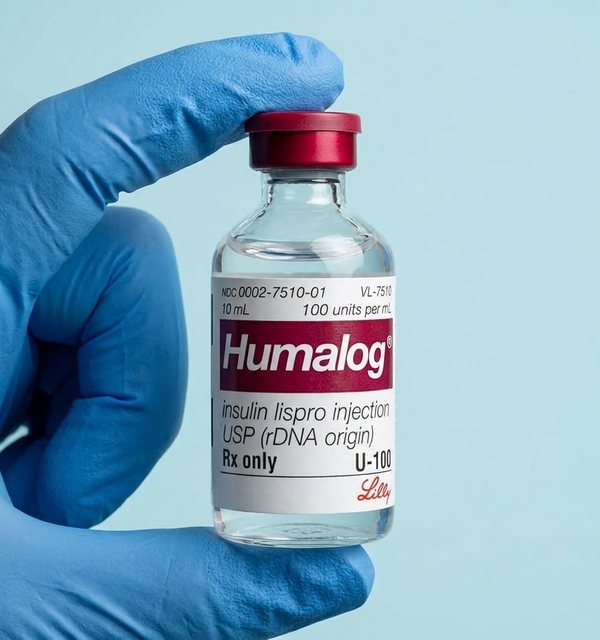
People with diabetes need extra caution because medicines that affect appetite, digestion, and glucose regulation can change blood sugar patterns. This is especially relevant for people using insulin or sulfonylureas, which can cause hypoglycemia (low blood sugar). A clinician can review whether trial participation or another therapy fits your medical history.
Possible safety discussions may include gastrointestinal symptoms, dehydration risk, gallbladder history, pancreatitis history, kidney function, pregnancy plans, and current medicines. Severe or persistent abdominal pain, repeated vomiting, fainting, allergic symptoms, or signs of low blood sugar warrant prompt medical attention.
For more detail on expected monitoring conversations, see Retatrutide Side Effects. That reading should not replace advice from a clinician who knows your medical history.
How Retatrutide Fits Beside Available Options
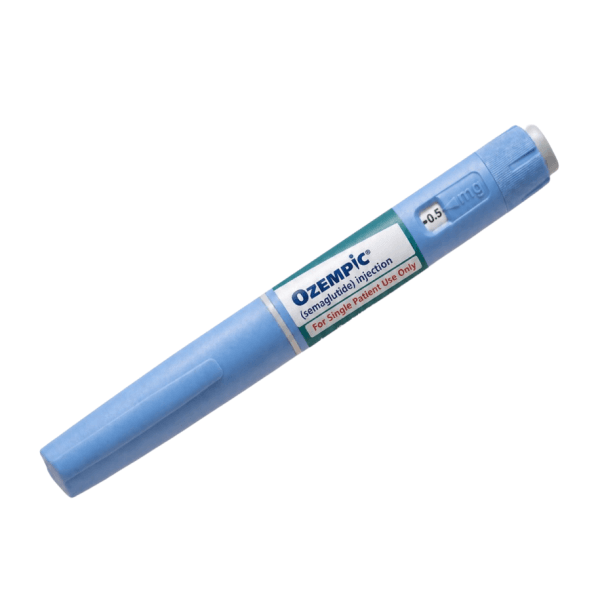
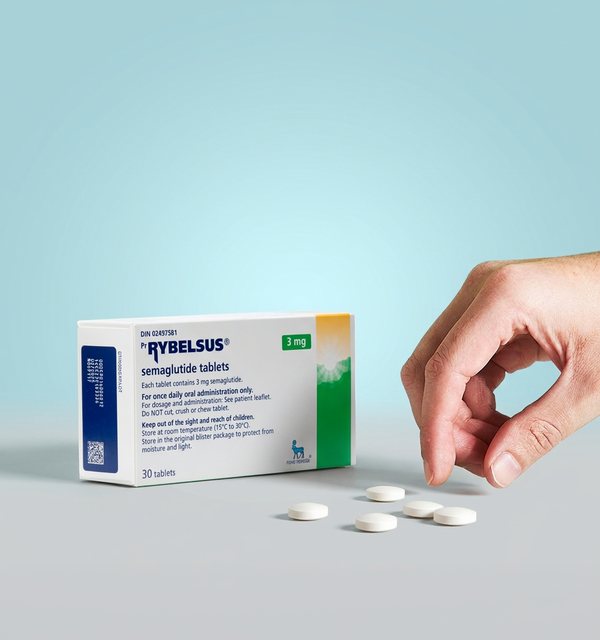
Retatrutide sits in a different access category than approved weight-management medicines. Some GLP-1 and dual incretin medicines already have approved uses in certain jurisdictions for type 2 diabetes, chronic weight management, or both. Retatrutide is still being studied.
This does not mean one medicine is automatically better for every person. It means the access pathway, safety data, labeling, and monitoring expectations differ. A clinician can help compare approved options based on diagnosis, medical history, current medicines, tolerability, pregnancy plans, and coverage or cash-pay realities.
People also compare retatrutide with tirzepatide because both involve incretin pathways. That comparison should focus on approval status, studied populations, known risks, and quality of evidence, not online excitement. Early research can be promising without being ready for unsupervised use.
If your main goal is weight management, it may help to step back from one investigational drug and review the wider care plan. The Weight Management collection groups related educational discussions on medications, lifestyle factors, and metabolic health.
Questions to Bring to a Clinician Before Acting
The safest response to where to buy Retatrutide is to pause and verify the medical and regulatory context first. Bring the exact product name, website claims, ingredient list, label wording, and any testing certificate to a clinician or pharmacist. Do not assume purity certificates prove suitability for injection.
Medical fit
Ask how your current conditions affect risk. This is especially important if you have diabetes, take glucose-lowering medicines, have a history of pancreatitis or gallbladder disease, have severe gastrointestinal symptoms, or have kidney problems. A clinician can also review whether weight loss itself could change medication needs.
Product legitimacy
Ask whether the product is approved, compounded, investigational, or labeled for research use only. These categories have different legal and safety meanings. A legitimate medication pathway should have clear prescriber involvement, pharmacy accountability, and patient counseling.
Monitoring and side effects
Ask what symptoms should prompt urgent help. Severe or persistent abdominal pain, repeated vomiting, dehydration, fainting, allergic symptoms, or signs of low blood sugar need prompt medical attention. Also ask how routine follow-up would work if you join a trial or use an approved alternative.
Some readers also look for cost information while researching access. Cost discussions should still start with approval status and medical fit. For broader affordability context, see Retatrutide Cost Considerations.
Authoritative Sources
- ClinicalTrials.gov Retatrutide Listings track registered studies, eligibility criteria, study sites, and status updates.
- FDA Compounding Questions and Answers explain how compounded drugs differ from FDA-approved medicines.
- FDA BeSafeRx Online Pharmacy Information outlines warning signs and safer checks for online medicine sources.
For someone asking where to buy Retatrutide, the practical next step is verification, not impulse purchasing. Confirm approval status, avoid research-use products for self-treatment, and ask a licensed clinician about trial access or approved alternatives that fit your medical situation.
This content is for informational purposes only and is not a substitute for professional medical advice.