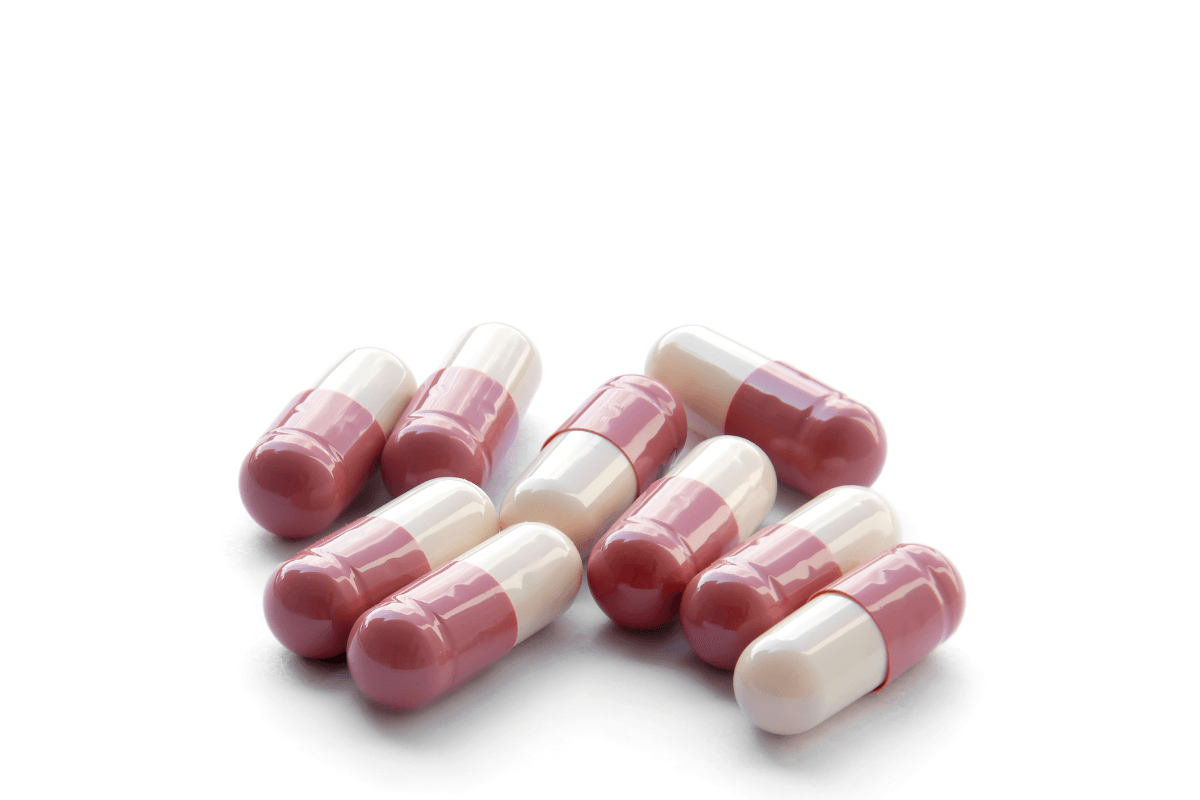
Cephalexin for Dogs and Cats is a prescription antibiotic that veterinarians may use for certain bacterial infections, especially some skin, urinary, wound, and respiratory infections. It is not a fit for every pet, and the right dose is not something you can safely estimate from an online chart alone. The prescribed amount, schedule, and duration depend on the animal’s species, weight, infection site, kidney function, medical history, and the product being used.
That matters because dosing mistakes, leftover human medication, or delayed follow-up can lead to side effects or poor infection control. The sections below explain what cephalexin does, how veterinarians usually think about dosing, which warning signs matter most, and what information to have ready before treatment starts. For broader browsing, you can explore the site’s Pet Health category.
Key Takeaways
- Cephalexin is a cephalosporin antibiotic used for selected bacterial infections.
- Dogs and cats may both receive it, but dosing is individualized.
- Skin, soft-tissue, urinary, and some respiratory infections are common use cases.
- Stomach upset is common; allergic reactions need urgent attention.
- Do not reuse leftover medication or change the schedule without veterinary guidance.
When Cephalexin for Dogs and Cats May Be Used
Cephalexin is a first-generation cephalosporin, meaning it belongs to a family of antibiotics commonly used against susceptible bacteria. In veterinary care, it is often chosen when the suspected infection involves the skin and soft tissues, the urinary tract, or the respiratory tract and the likely bacteria are expected to respond. It may also be used for some wound infections, bite injuries, or post-procedure bacterial complications, depending on the exam findings.
Yes, dogs and cats can both receive this drug. The key question is not whether the species can take it in general, but whether the individual pet has a bacterial problem that fits this antibiotic and whether the safety profile makes sense for that animal.
Common situations where veterinarians may consider it
- Skin infections such as superficial bacterial dermatitis
- Soft-tissue infections around scratches or wounds
- Urinary tract infections when bacteria are suspected
- Some upper or lower respiratory bacterial infections
- Secondary infections linked to underlying skin disease
Skin disease is a good example of why context matters. A dog with an infected hot spot may improve with an antibiotic, but the deeper issue could still be allergy, flea exposure, moisture, or repeated licking. In cats, skin wounds and abscesses can also need drainage, pain control, or follow-up monitoring in addition to the antibiotic itself.
Why it matters: Cephalexin does not treat viral illness or most fungal disease.
When infections are deep, recurrent, severe, or not improving as expected, a veterinarian may recommend culture and sensitivity testing, a lab test that identifies the bacteria and checks which antibiotics may work. That is especially useful for stubborn skin disease, repeat urinary infections, and cases where a pet has already taken antibiotics recently.
Where required, prescription details can be checked with the prescribing veterinarian.
How Veterinarians Decide on Dosage
Cephalexin dosage in dogs or cats is individualized, not generic. Veterinarians usually calculate the prescribed amount by body weight, often using mg per kg, then adjust the schedule and duration based on the infection site, the severity of illness, the pet’s overall health, and the concentration of the product dispensed.
This is why online dose charts can be misleading. A young dog with a straightforward surface infection may not be managed the same way as an older cat with urinary signs, a pet with kidney disease, or an animal that has already received several antibiotic courses.
| Factor | Why It Matters |
|---|---|
| Species and weight | They shape the starting calculation and formulation choice. |
| Infection type | Skin, urinary, and respiratory infections may require different durations and follow-up. |
| Kidney function | Reduced kidney function can affect how the body handles the drug. |
| Dosage form | Tablets, capsules, and liquids are measured differently and are not interchangeable by guesswork. |
| Past antibiotic use | Recent exposure can raise concern for resistant bacteria. |
| Palatability and tolerance | A plan only works if the pet can take the medication reliably. |
Formulation matters more than many owners expect. Oral liquids can come in different concentrations, and tablet sizes vary. A dose that looks small on paper can be incorrect if the wrong strength or measuring tool is used. That is one reason leftover human prescriptions are not a safe substitute for a new veterinary order.
Duration matters too. Some infections need a longer course than others, and the visible improvement on day one or day two does not always reflect whether the deeper infection has cleared. Stopping early or spacing doses irregularly can make treatment less effective and can complicate the next visit.
Quick tip: Use the measuring device that matches the dispensed liquid concentration.
If a pet spits out a dose, vomits soon after taking it, or misses a scheduled dose, the safest next step is to follow the written label or contact the prescriber rather than doubling the next dose on your own. The right response depends on timing, the animal’s condition, and how much medication was likely absorbed.
Side Effects and Warning Signs to Watch
Cephalexin is often described as a commonly used veterinary antibiotic, but common does not mean side-effect free. The most frequent problems are digestive. A pet may have nausea, vomiting, loose stool, reduced appetite, or drooling if the medicine tastes unpleasant.
Mild stomach upset can happen with many antibiotics because they can disrupt the normal balance of gut bacteria. The larger concern is persistent vomiting, repeated diarrhea, marked lethargy, refusal to eat, or signs that the infection itself is getting worse instead of better.
Contact a veterinarian promptly if you notice
- Facial swelling or hives
- Breathing trouble or collapse
- Severe or ongoing vomiting
- Bloody diarrhea or black stool
- New weakness, shaking, or confusion
- A cat that stops eating
Allergic reactions are not the norm, but they can be serious. Pets with a past reaction to cephalexin, other cephalosporins, or sometimes penicillin-class drugs need extra caution because cross-reactivity can occur.
Cats deserve special attention when appetite drops. Even a short period of poor intake can become a bigger problem in some cats, so quiet signs such as hiding, lip-smacking, walking away from food, or suddenly refusing treats should not be brushed off.
It is also possible for an infection to look better on the surface while the deeper problem continues. If redness, drainage, urinary discomfort, cough, or pain returns quickly, the issue may be resistance, the wrong diagnosis, or an underlying condition that also needs treatment.
Precautions, Interactions, and Special Situations
Safety questions usually come down to the whole clinical picture, not just the antibiotic name. Before treatment, the veterinarian generally needs a full list of the pet’s current medicines, recent antibiotics, supplements, known drug reactions, and major health conditions.
Kidney disease deserves special attention because it can change how the body clears medication. Very young animals, frail seniors, pregnant or nursing pets, and animals with a history of drug allergy may also need closer review before a prescription is finalized.
This antibiotic may not be the best fit when the suspected cause is not bacterial, when a pet cannot reliably take oral medication, or when prior treatment suggests resistant bacteria. In those situations, a veterinarian may prefer a different medication, a different route, or more testing before choosing the next step.
Some owners ask whether a human pharmacy bottle from a prior illness can be reused. In general, that is risky. The diagnosis may have changed, the old instructions may not match the new problem, the concentration may differ, and expired or poorly stored medication may not be appropriate.
Dispensing is handled by licensed third-party pharmacies where permitted.
Practical Questions to Ask Before Treatment Starts
The most useful cephalexin safety step is simple: make sure the instructions make sense before the first dose. A short check at the start can prevent the most common administration errors later.
- Confirm the diagnosis: Ask what type of infection is being treated.
- Verify the product: Check whether it is a tablet, capsule, or liquid.
- Match the concentration: If it is liquid, confirm the exact strength on the label.
- Clarify the schedule: Know the timing and what counts as a missed dose.
- Ask about food: Confirm whether it can be given with a meal.
- Review red flags: Know which side effects mean a call, a same-day visit, or urgent care.
- Plan follow-up: Ask whether a recheck, urine test, or skin culture may be needed.
It can also help to keep a simple log for the first few days. Write down the time each dose was given, whether your pet ate normally, and any vomiting, diarrhea, itching, coughing, or urinary changes. That kind of detail can be more useful than trying to remember events later.
For broader site navigation, you can browse the Pet Health Hub for related pet-care topics.
How to Judge Response and Follow-Up
Improvement should be judged by trends, not by a single dose. Skin infections may show less redness, odor, drainage, or scratching over time. Urinary infections may show less straining or fewer accidents. Respiratory infections may show less discharge, easier breathing, or less coughing. Even so, only a veterinarian can confirm whether the deeper infection is truly resolving.
Do not stop an antibiotic early just because the surface looks better unless the prescriber tells you to. Ending treatment too soon can allow some bacteria to remain, which may lead to relapse and may make the next infection harder to sort out.
If there is little change, or if symptoms return soon after the course ends, the next step is usually reassessment rather than simply repeating the same medicine. Chronic skin disease, bladder stones, allergies, dental disease, endocrine disorders, and foreign material can all mimic or perpetuate infection.
Authoritative Sources
- AVMA guidance on giving medication to pets
- FDA overview of animal drugs and pet safety
- Merck Veterinary Manual clinical reference
In short, cephalexin can be an appropriate veterinary antibiotic for selected bacterial infections in dogs and cats, but the safe dose and monitoring plan are individualized. If the diagnosis, formulation, or warning signs are unclear, getting clarification before the first dose is worth it.
This content is for informational purposes only and is not a substitute for professional medical advice.