
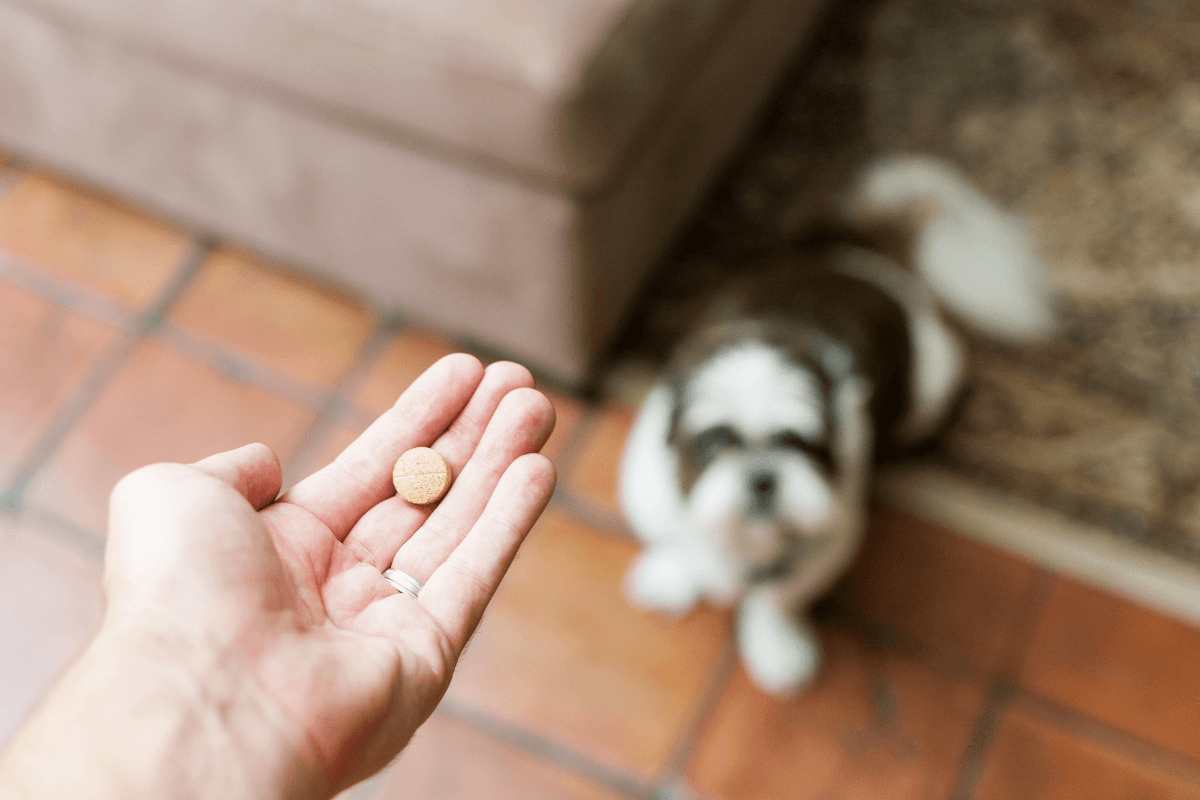
Clavamox is a veterinary antibiotic that combines amoxicillin with clavulanate to treat susceptible bacterial infections in dogs and cats. If you are asking what is Clavamox after a new prescription, the key point is that it is used for bacterial infections, not viral illness, and the dose must be set by a veterinarian.
Why this matters: antibiotics work best when the infection, dose, and treatment length match the pet’s condition. Using the wrong product or stopping early can lead to treatment failure or resistance.
Key Takeaways
- Combination antibiotic: amoxicillin plus clavulanate.
- Common pet uses: skin, wounds, dental, and some urinary infections.
- Vet-set dosing: based on species, weight, infection site, and formulation.
- Typical side effects: vomiting, diarrhea, and appetite changes.
- Urgent warning signs: swelling, hives, collapse, or breathing trouble.
What Is Clavamox and How Does It Work?
Clavamox is a potentiated penicillin, meaning it pairs a penicillin-type antibiotic with a helper ingredient. Amoxicillin damages bacterial cell walls, which can stop susceptible bacteria from growing. Clavulanate blocks beta-lactamase enzymes, which are bacterial enzymes that can break down some penicillin antibiotics.
That pairing gives the Clavamox antibiotic broader coverage than amoxicillin alone in some infections. It can help when bacteria produce beta-lactamase and would otherwise resist plain amoxicillin. Still, it does not cover every organism. Your veterinarian may recommend culture and susceptibility testing when an infection is severe, recurrent, deep, or slow to improve.
Many owners also ask, are amoxicillin and Clavamox the same. They are related, but not identical. Amoxicillin is one ingredient. Clavamox contains amoxicillin plus clavulanate, which changes its activity against certain resistant bacteria.
What Is Clavamox Used For in Dogs and Cats?
Veterinarians use Clavamox for infections that are likely bacterial and likely susceptible to amoxicillin-clavulanate. Common examples include skin infections, soft-tissue wounds, abscesses, bite wounds, dental infections, and selected urinary tract infections. It is not a general cure for fever, coughing, itching, or vague illness.
Clavamox for dogs is often discussed when pets have skin infections, infected wounds, dental disease, or a suspected urinary tract infection. For example, a dog with a draining bite wound may need wound care plus an antibiotic selected by the veterinarian. A dog with recurring urinary signs may need urine testing instead of repeated empiric treatment.
Clavamox for cats is commonly used for bite wounds and abscesses because outdoor fighting injuries can seal over and trap bacteria. Dental infections are another common setting. Cats can hide pain and illness, so appetite, energy, grooming, and litter-box changes matter during treatment.
For broader pet medication reading, the Pet Health Articles collection groups related educational content. You can also browse the Pet Health condition collection for relevant pet-care topics and navigation.
Forms, Administration, and Adherence Basics
Clavamox may be prescribed as tablets, chewable tablets, or oral drops, depending on the pet and the available veterinary product. Clavamox tablets may suit some dogs, while Clavamox drops for cats can be easier when a small or reluctant cat needs a measured liquid. The form should match the pet’s size, tolerance, and dosing accuracy needs.
Follow the label and your clinic’s directions closely. Oral liquids usually need careful shaking and accurate measurement with a dosing syringe. Some reconstituted liquids require specific storage and must be discarded after the label’s use period. Do not save leftover antibiotic for a future illness.
Giving the medication with a small amount of food may reduce stomach upset if your veterinarian says that is appropriate. If your pet vomits soon after a dose, do not guess whether to repeat it. Call the clinic for instructions because the right response depends on timing, severity, and the pet’s condition.
Quick tip: Write dose times on a calendar or phone reminder before the first dose.
Dosing, Duration, and What to Expect
Clavamox dosing is weight-based and veterinarian-directed. The prescribed amount depends on species, body weight, infection site, formulation, medical history, and sometimes culture results. Online dose charts cannot replace a clinic’s calculation, especially for puppies, kittens, seniors, or pets with other health problems.
Some signs may begin to improve during treatment, but the exact timeline varies. A skin infection, dental infection, wound, and urinary infection can all behave differently. Pain control, drainage, dental work, wound cleaning, or other care may be just as important as the antibiotic.
Contact your veterinarian if symptoms worsen, fail to improve as expected, or return after treatment. These situations can suggest the wrong organism, poor drug penetration, an abscess that needs drainage, reinfection, or antibiotic resistance. Your clinic may recommend culture testing, imaging, dental evaluation, or a different medication.
For comparison with another common skin and soft-tissue antibiotic, see Cephalexin For Dogs And Cats. For a different antibiotic class used in some veterinary situations, Baytril Antibiotic explains general fluoroquinolone context.
Side Effects and Safety Warnings
The most common adverse effects involve the digestive tract. Clavamox side effects dogs may include vomiting, loose stool, diarrhea, drooling, or reduced appetite. Cats can show similar signs, though decreased appetite may be easier to miss if feeding is not monitored closely.
Allergic reactions are less common but more serious. Seek urgent veterinary care for facial swelling, hives, sudden weakness, collapse, severe vomiting, pale gums, or breathing difficulty. Tell your veterinarian if your pet has reacted to penicillins, cephalosporins, or any antibiotic before.
Antibiotics can also disrupt normal gut bacteria. Mild stool changes may happen, but severe diarrhea, bloody stool, repeated vomiting, or refusal to eat should be reported. Young animals, older pets, and animals with chronic disease may need closer monitoring.
Special Caution for Puppies, Kittens, and Seniors
Clavamox for puppies and Clavamox for kittens requires careful weight-based dosing because small changes can matter. Young animals may dehydrate faster with vomiting or diarrhea. Senior pets may also need extra caution if they have kidney disease, liver disease, poor appetite, or multiple medications.
Do not split, crush, or mix medication in a new way unless the clinic approves it. Some products are designed for specific handling, and taste changes can reduce adherence. If administration becomes difficult, ask about a different formulation rather than skipping doses.
Human Products, Leftovers, and Antibiotic Stewardship
Some readers search for Clavamox for humans because the ingredients resemble human amoxicillin-clavulanate products. Human-labeled amoxicillin-clavulanate and veterinary Clavamox are not interchangeable without veterinary direction. Strengths, ratios, inactive ingredients, tablet size, palatability, and dosing instructions can differ.
Never give a pet leftover human antibiotics or another animal’s prescription. The infection may not be bacterial, the organism may not be susceptible, or the dose may be unsafe. Underdosing can also encourage resistance, while overdosing can increase adverse effects.
Antibiotic stewardship means using antibiotics only when they are likely to help, and using them correctly when prescribed. That may involve diagnostic testing before treatment. It can also mean switching therapy once culture results identify the organism and its susceptibility pattern.
When alternatives are discussed, the reason is usually clinical fit rather than one antibiotic being universally better. Doxycycline For Dogs And Cats covers a different class often considered for specific organisms. Azithromycin For Dogs And Cats gives context for macrolide use in selected veterinary cases. For dental and soft-tissue contexts, Antirobe Capsules explains clindamycin-related considerations.
Questions to Ask Your Veterinarian
A short question list can help you use the prescription safely. Bring the medication package, your pet’s current medicines, and details about any past reactions. Clear instructions are especially important when several people in the home give doses.
- Reason for use: what infection is suspected?
- Testing plan: is culture needed now or later?
- Dose schedule: what if a dose is missed?
- Food instructions: give with food or separately?
- Side effects: which signs require a call?
- Recheck timing: when should improvement be assessed?
- Storage rules: how should liquid be stored?
If you use a prescription referral platform, prescription details may need confirmation with the prescriber when required. Dispensing and fulfillment depend on licensed third-party pharmacies and applicable rules, so clinical questions should still go back to your veterinarian.
Authoritative Sources
For veterinary drug approval information, consult the FDA animal drug database. It provides label and approval information for animal medications.
For class-level pharmacology, the Merck Veterinary Manual penicillin review explains how penicillin antibiotics work in veterinary medicine.
For product-specific professional information, the manufacturer’s Clavamox professional page summarizes veterinary product context and safety language.
Recap for Pet Owners
What is Clavamox in practical terms? It is a prescription veterinary antibiotic for certain bacterial infections in dogs and cats. It combines amoxicillin with clavulanate to broaden activity against some resistant bacteria, but it still requires the right diagnosis and veterinary dosing.
Use the exact formulation and schedule your veterinarian provides. Watch for digestive upset, appetite changes, and allergic reactions. If symptoms worsen or do not improve as expected, ask whether testing or reassessment is needed before continuing or changing therapy.
This content is for informational purposes only and is not a substitute for professional medical advice.


