

Diabetes and male fertility are linked, but diabetes does not automatically mean infertility. Many men with diabetes can still father a child. The main concern is that high blood glucose, nerve and blood vessel changes, hormone shifts, inflammation, and sexual dysfunction may reduce the chance of conception. These effects can involve erections, ejaculation, sperm count, sperm motility, sperm shape, and sometimes sperm DNA integrity.
Why it matters: Sexual function problems and sperm problems often overlap, but they are not the same issue.
Key Takeaways
- Many men with diabetes can still conceive with a partner.
- Diabetes may affect erections, ejaculation, hormones, and semen quality.
- Low sperm count often causes no clear symptoms.
- Testing usually starts with history, semen analysis, and targeted labs.
- Treatment depends on the cause, not one supplement or quick fix.
How Diabetes and Male Fertility Intersect
Diabetes can affect fertility through several body systems at once. Glucose imbalance may increase oxidative stress, which means cellular stress that can damage tissues. Diabetes can also affect small blood vessels and nerves that support erection, orgasm, and ejaculation. Long-standing metabolic strain may interact with weight, sleep, blood pressure, inflammation, and testosterone levels.
That is why diabetes and male fertility concerns usually need a broad review. A semen test matters, but it is not the whole picture. Clinicians often look at sexual function, sperm production, hormone signals, medication history, diabetes patterns, and partner factors together.
For broader context, the Diabetes Condition Hub lists diabetes-related site resources, while Diabetes Articles groups educational reading on diabetes care and complications. These pages can help with background, but they do not replace a fertility evaluation.
| Pathway | What may change | Why it can matter |
|---|---|---|
| High blood glucose | Sperm motility, shape, or DNA integrity | Fertilization may become less efficient |
| Nerve and blood vessel injury | Erection, orgasm, or ejaculation | Intercourse or semen delivery may become harder |
| Hormonal disruption | Testosterone or pituitary signals | Libido and sperm production may change |
| Related metabolic issues | Weight, inflammation, and sleep quality | Reproductive strain can compound over time |
Research has also explored diabetes and sperm DNA damage. This does not mean every man with diabetes has DNA fragmentation or infertility. It means repeated high glucose and metabolic stress may be one part of the picture when conception takes longer than expected or when pregnancy losses need a full couple-based review.
Can a Man With Diabetes Still Father a Child?
Yes. A man with diabetes can have a baby, and many do. The practical question is whether diabetes has affected the steps needed for conception. Sperm must be produced, move well enough, reach the reproductive tract, and meet an egg at the right time. Erections, ejaculation, partner ovulation, and overall health all matter.
The first clue is often not a visible sperm symptom. Low sperm count can cause no pain, no change in erections, and no obvious change in semen appearance. Some men notice reduced semen volume, delayed ejaculation, low libido, or erectile difficulty. Others only learn about a problem after a semen analysis.
Semen appearance is not a reliable fertility test. Watery or clear semen can happen because of frequent ejaculation, collection timing, hydration, or incomplete collection. It does not confirm low sperm count or poor motility. The only way to assess sperm concentration and movement is laboratory testing.
If the main concern is how to get pregnant with a diabetic husband, the most useful first step is usually organized evaluation rather than guessing. A couple-based workup can separate timing issues, female-factor concerns, erectile dysfunction, ejaculation problems, and semen abnormalities. The Does Diabetes Affect Fertility resource offers wider context for both partners.
Type 1 and type 2 diabetes may differ
Type 1 diabetes and male fertility questions often focus on duration of diabetes, glucose variability, neuropathy, and long-term complications. Type 2 diabetes and fertility in males often involves additional factors such as obesity, insulin resistance, sleep apnea, hypertension, and lower testosterone. These issues can influence libido, erection quality, semen results, and general reproductive health.
Sexual performance and fertility are connected, but they are not interchangeable. A man may have firm erections and still have abnormal semen findings. Another man may have normal sperm production but trouble delivering semen because of erection or ejaculation problems.
Sexual Function Is a Separate Part of the Workup
Diabetes can affect a man sexually through changes in blood flow, nerve function, hormones, mood, and medication side effects. Erectile dysfunction is common in men with diabetes, but it is not the only sexual issue. Some men have delayed orgasm, reduced sensation, lower libido, or retrograde ejaculation.
Retrograde ejaculation means semen moves backward into the bladder instead of out through the urethra. It can happen when diabetes-related nerve injury affects the bladder neck. A man may still have orgasm, but little or no semen comes out. This can reduce the chance of natural conception even when sperm production continues.
For more focused reading, see Diabetes and Sexual Health, Diabetes and Erectile Dysfunction, and Sexual Problems With Diabetes. These topics overlap with fertility, but they do not measure sperm quality.
PDE5 inhibitors such as Viagra may help erectile function for some men when prescribed appropriately. They do not raise sperm count, improve sperm motility, or repair sperm DNA. If the problem is retrograde ejaculation, hormone imbalance, varicocele, or very low sperm production, the treatment path is different.
What Testing Usually Looks For
Testing aims to identify the main bottleneck in conception. A clinician may ask how long the couple has been trying, whether either partner has had prior pregnancies, and whether sex is timed around ovulation. They may also review diabetes duration, recent glucose patterns, neuropathy symptoms, medications, smoking, alcohol use, sleep, weight change, infections, fever, surgery, testicular injury, and history of undescended testes.
Semen analysis gives objective information
A semen analysis is often the core male fertility test. It can measure semen volume, sperm concentration, total sperm number, motility, and morphology. Motility means movement. Morphology means shape. Results can vary, so clinicians may repeat testing before drawing firm conclusions.
Specialized testing may be considered in selected cases. Sperm DNA fragmentation testing looks for damage to genetic material inside sperm. It may be discussed when routine semen results do not explain infertility, when there is repeated pregnancy loss, or when a fertility specialist thinks it may change the plan.
There is no simple symptom checklist for low sperm count. Difficulty achieving pregnancy is often the strongest signal. A normal semen test does not rule out all fertility problems, and an abnormal test does not explain everything by itself.
Hormones and medical history can change the plan
Hormone testing may be useful when libido is low, erections are unreliable, testicles are small, or sperm counts are very low. Clinicians may check testosterone and pituitary hormones, depending on the history. They may also review thyroid disease, kidney disease, liver disease, anabolic steroid use, and testosterone therapy.
Testosterone therapy deserves special caution. It can suppress the body’s own sperm production in some men. Over-the-counter “testosterone boosters” may also be risky or misleading, especially if ingredients are unclear. Men trying to conceive should discuss hormone products before using them.
Treatment Depends on the Cause
There is no single diabetes male infertility treatment that fits every case. The plan depends on what is abnormal. For some men, the biggest barrier is erectile dysfunction. For others, it is ejaculation, semen quality, low testosterone, a varicocele, medication exposure, or a reproductive condition unrelated to diabetes.
Improving glucose management is often part of the foundation because it may reduce ongoing metabolic stress. Lifestyle factors can also matter. Weight management, regular physical activity, smoking cessation, sleep quality, and treatment of sleep apnea or hypertension may support overall reproductive health. These steps do not guarantee conception, but they may reduce avoidable strain.
Questions about how to make sperm stronger for pregnancy are common. The answer is rarely one food, pill, or overnight fix. Sperm development takes time, and semen quality reflects several health inputs. A clinician may suggest targeted changes after reviewing test results, medications, and any deficiencies.
Medicines to increase sperm count and motility are not used the same way for every man. Some men may need endocrine treatment under specialist care. Others may need treatment for infection, varicocele evaluation, help with retrograde ejaculation, or assisted reproductive techniques. If a semen analysis shows no sperm, the next step is usually specialist evaluation for obstruction, hormonal causes, genetic factors, or severe testicular dysfunction.
Where medication access or prescription details are relevant, CanadianInsulin.com functions as a prescription referral platform and may help confirm prescription details with the prescriber when required. Dispensing and fulfilment are handled by licensed third-party pharmacies where permitted.
Insulin, Metformin, and Fertility Supplements
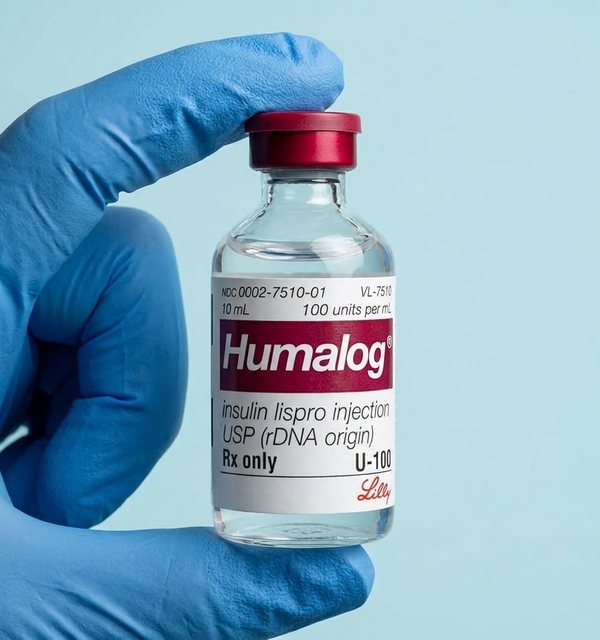
Insulin itself is not usually viewed as a direct cause of male infertility. In many cases, the underlying diabetes, glucose patterns, and diabetes-related complications matter more than the fact that insulin is used. Stopping or changing diabetes medication without medical guidance can create bigger health risks.
Evidence around metformin and sperm count is mixed. Some studies look at metabolic health, hormones, and sperm markers, but results do not support one broad conclusion for every patient. Medication review still matters, especially when a couple is planning pregnancy. The goal is to balance diabetes control, sexual health, fertility goals, and safety.
Supplements to increase sperm count are widely marketed, especially antioxidants, zinc, selenium, folate, coenzyme Q10, and carnitine products. Evidence is uneven, and product quality varies. Some men may have a deficiency or a reason to try a clinician-guided supplement plan. Others may spend money on products that do not address the actual cause.
Quick tip: Bring every supplement bottle or a phone photo of the label.
Be cautious with products that promise to increase sperm volume overnight or rapidly reverse infertility. Sperm count and motility are laboratory findings, not sensations. If sperm count is extremely low or absent, self-treatment is usually not the right next step.
A Practical Checklist Before the Appointment
Preparation helps the clinician separate diabetes-related issues from other common causes of infertility. It also helps the couple avoid weeks of trial-and-error advice before basic testing is done.
- Trying timeline: note months of unprotected intercourse.
- Sexual symptoms: track erection, orgasm, or ejaculation changes.
- Medication list: include prescriptions, supplements, and hormones.
- Diabetes pattern: bring recent A1C or glucose context if available.
- Past history: mention infections, surgery, fever, or injuries.
- Lifestyle factors: include smoking, alcohol, sleep, weight, and exercise.
- Partner context: note age, cycles, prior pregnancies, and evaluations.
Partner factors matter too. Infertility is a couple issue, not only a male issue. If the female partner is older, has irregular cycles, has known reproductive conditions, or has had repeated pregnancy loss, earlier evaluation may be appropriate.
Related browsing sections include Men’s Health Articles and Urology Articles. Product-category pages such as Men’s Health Products, Urology Products, and Diabetes Products are browsing collections, not substitutes for diagnosis or fertility care.
Some patients explore cash-pay options and cross-border fulfilment depending on eligibility and jurisdiction, but fertility decisions should still be based on proper evaluation.
When Earlier Specialty Care Makes Sense
Earlier referral is often reasonable when there are clear erectile or ejaculation problems, very low libido, testicular pain or swelling, prior scrotal surgery, known undescended testis, or no semen with orgasm. It also makes sense when a prior semen analysis is severely abnormal or shows no sperm.
Couples are commonly assessed sooner when the female partner is older, when either partner has a known reproductive condition, or when pregnancy losses have occurred. Male diabetes and miscarriage questions may involve sperm DNA damage as one possible factor, but pregnancy loss is usually multifactorial until both partners are assessed.
It is also time to move beyond home strategies when the main question becomes how to increase sperm count fast. That question is understandable, but it can lead couples toward supplements before they know the diagnosis. A semen analysis, focused history, and targeted labs usually provide more useful information than guessing.
Seek urgent medical care for sudden testicular pain, severe scrotal swelling, fever with testicular pain, or painful erections that do not resolve. These symptoms are not routine fertility concerns and need prompt assessment.
Authoritative Sources
- MedlinePlus summarizes male infertility causes and testing.
- The CDC provides background on diabetes basics and complications.
- The American Urological Association publishes male infertility guideline information.
Diabetes and male fertility concerns are real, but they are not uniform and they are not always permanent. The most useful next step is usually to identify whether the main issue is sexual function, ejaculation, sperm production, hormones, partner timing, or another condition. Testing can turn a vague worry into a more specific plan.
This content is for informational purposes only and is not a substitute for professional medical advice.