
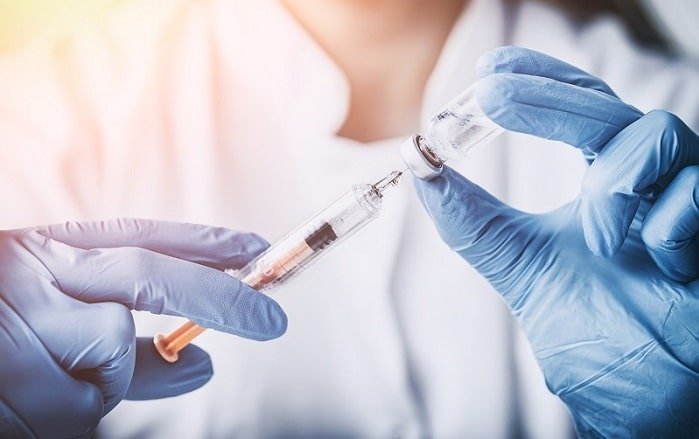
There is no approved diabetes vaccine that prevents or cures diabetes today. Researchers are studying immune-based treatments mainly for type 1 diabetes, where the immune system attacks insulin-producing beta cells. This matters because headlines can blur two different topics: experimental disease-modifying vaccines and routine vaccines that protect people with diabetes from serious infections.
Key Takeaways
- No approved cure: A diabetes vaccine remains experimental.
- Main target: Most research focuses on type 1 diabetes autoimmunity.
- Trial goals: Studies look for beta-cell preservation and immune tolerance.
- Routine shots matter: Adult vaccines help reduce infection-related complications.
- Safety planning helps: Monitor glucose after vaccination when needed.
What a Diabetes Vaccine Would Actually Do
A diabetes vaccine would not work like most familiar vaccines. Traditional vaccines train the immune system to recognize infections. In type 1 diabetes, the research goal is often immune tolerance, meaning the immune system becomes less reactive to the body’s own beta-cell proteins.
Type 1 diabetes is an autoimmune disease. Autoimmune means the immune system mistakenly attacks the body’s own tissue. In this case, the target is the pancreatic beta cell, which makes insulin. A vaccine for diabetes would ideally prevent that attack, slow it, or preserve remaining beta-cell function after diagnosis.
This is different from insulin treatment. Insulin replaces a hormone the body cannot make enough of. Immunotherapy tries to change the immune process that damaged the beta cells in the first place. That difference explains why trial results can be complex. Researchers must show more than a short-term glucose change.
Why it matters: A promising immune signal does not always translate into better daily glucose control.
People also use the phrase “diabetes vaccine” in another way. They may mean routine vaccines for people with diabetes, such as influenza, COVID-19, pneumococcal, hepatitis B, shingles, or RSV vaccines. Those vaccines do not treat diabetes, but they can help prevent infections that may destabilize glucose and increase hospitalization risk.
Will There Be a Diabetes Vaccine?
A future diabetes vaccine is possible, but it is not certain. Research has produced useful clues, yet no candidate has proven enough benefit and safety for routine clinical use. The strongest scientific interest remains in early type 1 diabetes and in people at high risk because they have diabetes-related autoantibodies.
Timing may be one of the biggest barriers. Once many beta cells are lost, immune retraining may have less to preserve. This is why some studies enroll people soon after diagnosis. Others enroll relatives or screened participants who show immune markers before symptoms start.
Researchers also need to identify responders. Two people can have the same diagnosis but different immune patterns, age at onset, genetics, beta-cell reserve, and glucose history. A future product may not suit everyone with diabetes. It may apply to a defined subgroup, especially if biomarkers can predict who is most likely to benefit.
For broader context on how diabetes care still depends on proven therapies, see Common Diabetes Medications. That background helps separate current treatment from experimental immune approaches.
How Diabetes Vaccine Trials Measure Success
Diabetes vaccine trials usually measure whether beta-cell function lasts longer. The most common metabolic marker is C-peptide, a substance released when the body makes its own insulin. Higher or more stable C-peptide over time may suggest preserved beta-cell activity.
Trials may also review A1C, insulin needs, hypoglycemia, continuous glucose monitor patterns, and time in range. These measures are important, but they can be influenced by many factors. Diet, insulin delivery, illness, activity, puberty, pregnancy, and adherence can all change glucose results.
Immune markers add another layer. Researchers may examine T cells, autoantibodies, cytokines, or regulatory immune cells. These tests help explain whether the therapy is doing what it was designed to do. They do not automatically prove that a person will need less treatment.
Why Small Studies Need Careful Reading
Early trials often include small groups. They help establish safety signals, dosing concepts, and biological plausibility. They rarely settle whether a treatment should become standard care. A single positive subgroup finding can be useful, but it needs confirmation in larger and more diverse populations.
When reading trial news, check the population, study phase, comparison group, follow-up length, and primary endpoint. Also notice whether the report is peer-reviewed or only a conference update. Public trial registries can show whether a study is recruiting, completed, or still analyzing data. The ClinicalTrials.gov trial registry lets readers search for type 1 diabetes immunotherapy studies and review listed outcomes.
Prominent Research Paths: BCG, Antigens, and DNA Approaches
Several research paths sit under the broad diabetes vaccine label. They differ in target, mechanism, and maturity. Some try to calm immune activity generally. Others aim at specific beta-cell antigens, which are proteins the immune system may recognize during the autoimmune process.
BCG and immune modulation
The Bacillus Calmette–Guérin vaccine, often called BCG, is an older vaccine used against tuberculosis in some countries. Researchers have studied whether it can influence immune pathways relevant to type 1 diabetes. Some small studies have reported interesting findings, but results remain mixed and require careful replication.
BCG research should not be interpreted as a proven diabetes reversal strategy. People with established diabetes should continue standard care and discuss any vaccine questions with their clinician. The current evidence does not support using BCG outside appropriate medical indications or research settings for diabetes treatment.
Antigen-specific tolerance
Antigen-specific immunotherapy tries to teach the immune system to tolerate beta-cell targets. GAD65 and insulin-related targets are two examples studied in type 1 diabetes. Some trials have examined injections, oral exposure, nasal exposure, or other delivery methods.
Results have varied. Some studies suggest possible benefit in certain subgroups, while others show limited or no clear clinical effect. This pattern does not mean the idea is useless. It means the timing, dose, immune profile, and patient selection may matter greatly.
Proinsulin and DNA vaccine concepts
Proinsulin is a precursor to insulin. Some experimental approaches have tested proinsulin-based immune strategies, including DNA vaccine concepts. The goal is not to replace insulin. It is to shift immune recognition away from destructive inflammation.
Terms such as BHT-3021 diabetes vaccine may appear in research reviews and older trial discussions. These references describe investigational approaches, not approved routine care. Readers should treat them as part of the scientific pipeline rather than as available treatment options.
Can Vaccines Cause Diabetes?
Current evidence does not show that routine vaccination causes diabetes. This question persists because type 1 diabetes can appear in childhood, when many vaccines are also given. Timing alone does not prove causation.
Researchers evaluate this question by looking for biological mechanisms and population-level patterns. Reviews have not established that standard childhood or adult vaccines trigger type 1 diabetes. For people already living with diabetes, vaccination can cause short-term symptoms such as fever, fatigue, or soreness. Those symptoms may temporarily affect glucose.
Short-term glucose changes after vaccination can happen because the immune system is active and the body may release stress hormones. This is not the same as a vaccine causing diabetes. It also does not mean vaccination is unsafe for most people with diabetes.
Quick tip: Keep usual glucose supplies available around any vaccine appointment.
Seek medical advice promptly for severe allergic symptoms, persistent high glucose with ketones, dehydration, confusion, chest pain, or breathing trouble. People using insulin, people with a history of severe hypoglycemia, and pregnant people should follow their individualized sick-day instructions.
Routine Vaccines for People With Diabetes
Routine immunization is the part of vaccine care that matters now. People with diabetes can face higher risks from some infections, including complications that disrupt eating, hydration, glucose levels, and medication routines. Vaccines reduce the chance of certain preventable infections and severe outcomes.
Adult vaccine recommendations commonly include influenza, COVID-19, pneumococcal disease, hepatitis B, Tdap, shingles for eligible adults, and RSV for some older adults or higher-risk groups. The exact schedule depends on age, prior doses, pregnancy, immune status, and local guidance.
For COVID-specific timing and diabetes considerations, see Diabetes and COVID Vaccine. For broader diabetes education and prevention topics, the Diabetes Articles collection can help readers continue learning.
Vaccination planning can fit into routine care. Many people review immunizations during A1C checks, medication reviews, annual physicals, or pharmacy visits. Bringing a vaccine record helps avoid unnecessary repeat doses and missed boosters.
People who use insulin or other glucose-lowering medicines should not change doses only because they received a vaccine unless a clinician advises it. Instead, practical planning usually means checking glucose more often if you feel unwell, staying hydrated, and following your care team’s sick-day plan.
How to Interpret Cure Headlines and Stem Cell Claims
Diabetes cure headlines need careful reading. Some reports describe early laboratory work, animal studies, single-patient outcomes, or small clinical studies. These findings can be scientifically important without being ready for everyday care.
Recent public interest has included stem cell research and reports from China. Stem cell approaches are not the same as a diabetes vaccine. They generally aim to replace or restore insulin-producing cells, while immunotherapy aims to reduce immune attack. In type 1 diabetes, both problems matter: the body needs functioning beta cells, and the immune system may need control to protect them.
For a separate look at device-based progress in glucose management, see Artificial Pancreas Trials. Research progress can be meaningful even when it does not replace day-to-day treatment.
Readers may also see emerging metabolic drug research discussed alongside diabetes innovation. For example, Retatrutide and Diabetes Research explains a different research area focused on metabolic pathways, not autoimmune vaccination.
Practical Questions to Ask Before Joining a Trial
Clinical trial participation is a personal decision that requires clear information. A diabetes vaccine trial may involve screening tests, immune monitoring, blood draws, study visits, and close follow-up. It may also include a placebo or comparison group.
- Study purpose: Ask what question the trial is testing.
- Eligibility criteria: Review age, diagnosis stage, and autoantibody requirements.
- Main endpoint: Ask what result defines success.
- Safety monitoring: Confirm how adverse events are tracked.
- Background care: Clarify whether usual diabetes treatment continues.
- Visit burden: Review travel, time, and blood test needs.
- Exit rules: Ask when participation may stop.
People considering a study should discuss it with their diabetes clinician, especially if they have recent severe hypoglycemia, recurrent diabetic ketoacidosis, pregnancy, kidney disease, immune suppression, or complex medication changes. Trial teams can explain research procedures, but your regular clinician understands your broader medical history.
CanadianInsulin.com is a prescription referral platform, and where required, prescription details may be confirmed with a prescriber. That access model is separate from experimental vaccine trials, which must be handled through approved research programs.
Where Current Diabetes Care Still Fits
Experimental immune therapies do not replace proven diabetes care. Glucose monitoring, individualized medication plans, nutrition support, activity, complication screening, and cardiovascular risk management remain central. This is true even for people following research closely.
For condition-level browsing, the Diabetes Condition page can help readers find related product categories. The Diabetes Product Category is a browseable list, not a substitute for clinical guidance.
Living with diabetes can be demanding, and research news can create hope and frustration at the same time. A balanced approach is usually best: stay current with preventive care, keep routine vaccines updated, and follow credible trial results without changing treatment based on headlines.
For a broader patient-focused overview, see Diabetes: A Serious Condition. It covers the ongoing importance of prevention, monitoring, and long-term care.
Authoritative Sources
The CDC adult vaccine resource for diabetes explains why immunization is recommended for people with diabetes.
The ADA Standards of Care series provides regularly updated clinical guidance for diabetes management and prevention.
The NIH-hosted diabetes vaccine review summarizes investigational vaccine approaches and research challenges.
Recap
A diabetes vaccine is an active research goal, not an approved cure. The most relevant work focuses on type 1 diabetes immunotherapy, beta-cell preservation, and immune tolerance. Larger studies, better biomarkers, and longer follow-up will determine whether any candidate becomes part of routine care.
For now, routine vaccines remain important for people with diabetes because infections can worsen glucose stability and increase health risks. Keep vaccine records current, ask your clinician about timing, and treat cure headlines with cautious interest rather than immediate action.
This content is for informational purposes only and is not a substitute for professional medical advice.


