
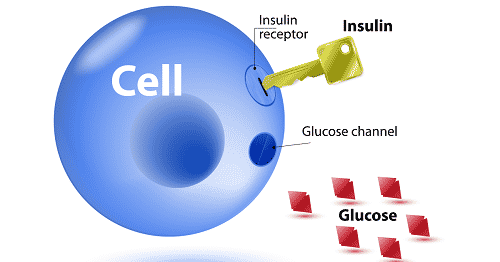
Insulin resistance vs diabetes is mainly a difference between a metabolic problem and a medical diagnosis. Insulin resistance means your cells respond less effectively to insulin. Diabetes means blood glucose has reached diagnostic levels on accepted tests. The two often overlap, especially in type 2 diabetes, but they are not the same condition.
This distinction matters because insulin resistance can appear years before diabetes. Earlier recognition can guide screening, food choices, activity plans, sleep changes, and medication discussions with a clinician.
Key Takeaways
- Core difference: insulin resistance is impaired insulin response; diabetes is diagnosed by glucose thresholds.
- Early stage: many people have insulin resistance while glucose tests still look normal.
- Testing differs: A1C and glucose diagnose diabetes; fasting insulin may help assess resistance.
- Symptoms vary: insulin resistance is often silent until glucose rises.
- Management overlaps: nutrition, activity, weight, sleep, and selected medicines can all help.
Insulin Resistance vs Diabetes: The Short Comparison
Insulin resistance starts when muscle, liver, and fat cells do not respond well to insulin. Insulin is the hormone that helps move glucose from the blood into cells. To compensate, the pancreas releases more insulin. For a while, this extra insulin may keep blood glucose in range.
Diabetes is different. It is diagnosed when blood glucose or A1C reaches defined cutoffs. Type 2 diabetes often develops after years of insulin resistance and pancreatic stress. Type 1 diabetes has a different cause: autoimmune destruction of insulin-producing cells, leading to insulin deficiency.
Put simply, insulin resistance can be an early warning sign. Diabetes means the body can no longer keep glucose below diagnostic thresholds, or insulin production is insufficient for the body’s needs.
| Feature | Insulin Resistance | Diabetes |
|---|---|---|
| What it means | Cells respond poorly to insulin | Blood glucose meets diagnostic criteria |
| Typical stage | Often early or hidden | Established glucose disorder |
| Common tests | Fasting insulin, fasting glucose, HOMA-IR, oral glucose testing | A1C, fasting plasma glucose, oral glucose tolerance test, random glucose with symptoms |
| Symptoms | Often none; may include weight gain, skin changes, or PCOS-related symptoms | May include thirst, frequent urination, fatigue, blurred vision, or infections |
| Main concern | Higher future risk of prediabetes and type 2 diabetes | Ongoing risk of high glucose and long-term complications |
For a deeper mechanism contrast, see Insulin Resistance vs Insulin Deficiency. It explains why poor insulin action differs from too little insulin production.
How Prediabetes Fits Between Them
Prediabetes sits between normal glucose and diabetes. It often reflects insulin resistance plus early pancreatic strain. A person may have insulin resistance before prediabetes appears on routine blood work.
This is why insulin resistance vs prediabetes is not a one-to-one comparison. Insulin resistance describes how the body is handling insulin. Prediabetes describes glucose results that are higher than normal but not high enough for diabetes.
Many people ask whether they can be insulin resistant and not diabetic. Yes. Early insulin resistance can exist while fasting glucose and A1C remain normal. The pancreas may still be producing enough extra insulin to compensate. Over time, however, that compensation can weaken.
How long this takes varies widely. Genetics, age, body fat distribution, pregnancy history, sleep apnea, medications, activity level, and nutrition patterns can all influence progression. Some people never progress to diabetes, especially when risk factors are addressed early.
For more detail on the glucose stage between normal results and diabetes, read Impaired Glucose Tolerance.
Why it matters: Normal glucose does not always rule out early insulin resistance.
What Causes Insulin Resistance?
The main cause of insulin resistance is usually a combination of genetic risk and metabolic stress. Visceral fat, which is fat stored around abdominal organs, is strongly linked with reduced insulin sensitivity. So are physical inactivity, sleep loss, certain medications, and long-term excess calorie intake.
The liver plays a major role. When liver cells resist insulin, the liver may release too much glucose into the bloodstream, especially overnight. Muscle also matters because it is a major site for glucose storage after meals. When muscle cells respond poorly, post-meal glucose may rise more than expected.
Inflammation and fatty acid signaling can also interfere with insulin pathways. These processes are complex, but the practical message is simpler: insulin resistance often improves when the body has less metabolic overload and more regular muscle activity.
Sex hormones can shape risk. Insulin resistance symptoms in females may include irregular menstrual cycles, acne, unwanted hair growth, hair thinning, or features of polycystic ovary syndrome. Insulin resistance symptoms in males may be less specific, such as central weight gain, fatigue, or changes in triglycerides and HDL cholesterol. These signs do not confirm a diagnosis, but they can support a testing conversation.
To understand how insulin and glucose interact, see Insulin and Glucose.
Symptoms and Warning Signs to Watch
Insulin resistance is often silent. Many people feel well until glucose levels rise. That is why screening matters when risk factors are present.
Possible clues include increasing waist size, elevated triglycerides, low HDL cholesterol, high blood pressure, fatty liver findings, and acanthosis nigricans, which are dark, velvety skin patches often seen around the neck or underarms. These signs can appear before diabetes symptoms become obvious.
Once glucose rises into the diabetes range, symptoms may become clearer. Common warning signs include increased thirst, frequent urination, fatigue, blurred vision, slow-healing cuts, and recurrent infections. Unexplained weight loss, vomiting, confusion, or severe dehydration needs urgent medical evaluation.
People often search for the “7 signs” of insulin resistance. No single list can diagnose it. Still, a useful practical set includes central weight gain, dark skin patches, high triglycerides, low HDL cholesterol, high blood pressure, fatty liver, and rising fasting glucose or A1C. These patterns should prompt a clinician-guided review.
Testing: How Clinicians Tell the Difference
Diabetes is diagnosed with glucose-based tests. Common tests include A1C, fasting plasma glucose, oral glucose tolerance testing, and random plasma glucose when classic symptoms are present. Diagnostic cutoffs should be interpreted by a qualified clinician, especially during pregnancy or illness.
Insulin resistance testing is less standardized. A fasting insulin level may be measured with fasting glucose, and some clinicians calculate HOMA-IR, a research-informed estimate of insulin resistance. Oral glucose tolerance testing can show how glucose changes after a measured glucose drink. More advanced tests, such as clamp studies, are usually used in research.
At-home glucose meters and continuous glucose monitors can show patterns, but they do not directly measure insulin. They may reveal fasting trends or post-meal spikes, which can guide discussion with a healthcare professional. They cannot confirm insulin resistance by themselves.
This calculator can help estimate HOMA-IR from fasting glucose and fasting insulin values. It is a general calculation aid, not a diagnosis or treatment plan.
HOMA-IR Calculator
Estimate insulin resistance from fasting glucose and fasting insulin values collected from the same blood draw.
These calculations are for education only and do not replace clinical advice, diagnosis, or treatment. Always confirm medical decisions with a qualified healthcare professional.
For a more focused testing overview, see Diagnosing Insulin Resistance.
Quick tip: Bring prior A1C, fasting glucose, lipid, and blood pressure results to appointments.
Treatment Paths: Lifestyle, Weight, Sleep, and Medicines
Insulin resistance treatment usually starts with sustainable lifestyle changes. The goal is not perfection. It is to reduce glucose swings, improve muscle insulin sensitivity, and lower excess metabolic stress where possible.
Food patterns that support insulin sensitivity
An insulin resistance diet typically emphasizes minimally processed foods, high-fiber plants, adequate protein, unsaturated fats, and portions that fit the person’s glucose response. Many people benefit from replacing sugary drinks, refined grains, and low-fiber snacks with vegetables, legumes, whole grains, nuts, seeds, fish, poultry, eggs, yogurt, or other protein-rich foods that fit their preferences.
Carbohydrate quality matters. So does total meal composition. A meal with protein, fiber, and healthy fat usually produces a steadier glucose response than the same carbohydrate eaten alone. People using insulin or medicines that can cause low blood sugar should ask their care team before making major carbohydrate changes.
Movement and muscle
Physical activity improves insulin sensitivity because working muscle can take up glucose more efficiently. Both aerobic activity and resistance training can help. Light movement after meals, such as walking, may also reduce post-meal glucose peaks for some people.
Sleep and stress are not side issues. Short sleep and untreated sleep apnea can worsen insulin resistance. Chronic stress may also influence food choices, appetite, and glucose regulation. Addressing these factors can make nutrition and exercise plans easier to sustain.
For practical strategies that focus on insulin sensitivity, read Improving Insulin Sensitivity.
Medication discussions
Metformin for insulin resistance may be discussed when someone has prediabetes, type 2 diabetes risk factors, or polycystic ovary syndrome, depending on clinical context. Metformin reduces liver glucose production and may improve insulin sensitivity. It is not the only option, and it is not right for everyone.
Other diabetes medicines may be considered when type 2 diabetes is present or when a person has specific heart, kidney, or weight-related considerations. Choices depend on kidney function, cardiovascular history, pregnancy plans, side effects, costs, and patient preferences. Never start, stop, or change a medicine without professional guidance.
If medication access becomes part of care planning, CanadianInsulin.com functions as a prescription referral platform where prescription details may be confirmed when required. Dispensing is handled by licensed third-party pharmacies where permitted.
For product-specific context, see the Metformin page. Keep medication decisions tied to your prescriber’s advice.
Can Insulin Resistance Be Reversed?
Insulin resistance can often improve, especially when it is addressed early. “Reversed” usually means insulin sensitivity improves and related markers move in a healthier direction. It does not always mean risk disappears permanently.
Signs insulin resistance is reversing may include a smaller waist circumference, improved triglycerides, higher HDL cholesterol, lower fasting glucose, lower A1C if it was elevated, and fewer large post-meal glucose rises. If fasting insulin is measured, it may decrease as the body needs less insulin to manage the same glucose load.
Weight loss can help some people, particularly when it reduces liver fat and visceral fat. However, weight is not the only marker. Better fitness, improved sleep, and steadier meals can improve insulin sensitivity even before major weight changes appear.
Progress should be tracked over weeks and months, not single days. Glucose readings vary with illness, stress, sleep, menstrual cycle changes, steroid use, and meal composition. A clinician can help decide which markers matter most in your situation.
When to Seek Testing or Medical Care
Consider asking about testing if you have a family history of type 2 diabetes, a history of gestational diabetes, polycystic ovary syndrome, central weight gain, high blood pressure, abnormal cholesterol, fatty liver, sleep apnea, or use of medicines that can raise glucose. Age and ethnicity can also affect screening recommendations.
Testing is especially important when symptoms suggest high blood glucose. Increased thirst, frequent urination, blurred vision, fatigue, and recurrent infections should not be ignored. Severe symptoms, confusion, vomiting, deep breathing, or signs of dehydration need urgent care.
Insulin resistance vs diabetes is not something to settle by symptoms alone. Blood testing gives the clearest picture. If results fall in the prediabetes or diabetes range, ask what follow-up testing, monitoring, and treatment options fit your risk profile.
People browsing broader condition information can use the Type 2 Diabetes Articles collection for related educational reading. The Type 2 Diabetes condition page is a browsing resource for related product listings, not a diagnostic tool.
Authoritative Sources
The CDC explains insulin resistance and type 2 diabetes in patient-friendly terms, including how insulin response changes over time.
The American Diabetes Association lists diabetes diagnostic tests and explains common glucose and A1C thresholds used in clinical care.
The NIDDK covers prediabetes and insulin resistance, including prevention concepts and risk factors.
Recap
Insulin resistance is an early problem with insulin response. Diabetes is a diagnosis based on blood glucose criteria. Type 2 diabetes commonly develops from insulin resistance plus declining pancreatic compensation, but the process is not inevitable.
The practical next step is targeted testing and risk review. Ask your clinician which glucose, insulin, lipid, and blood pressure markers are worth tracking. Then use food, movement, sleep, weight, and medication discussions to build a plan that fits your health history.
This content is for informational purposes only and is not a substitute for professional medical advice.


