
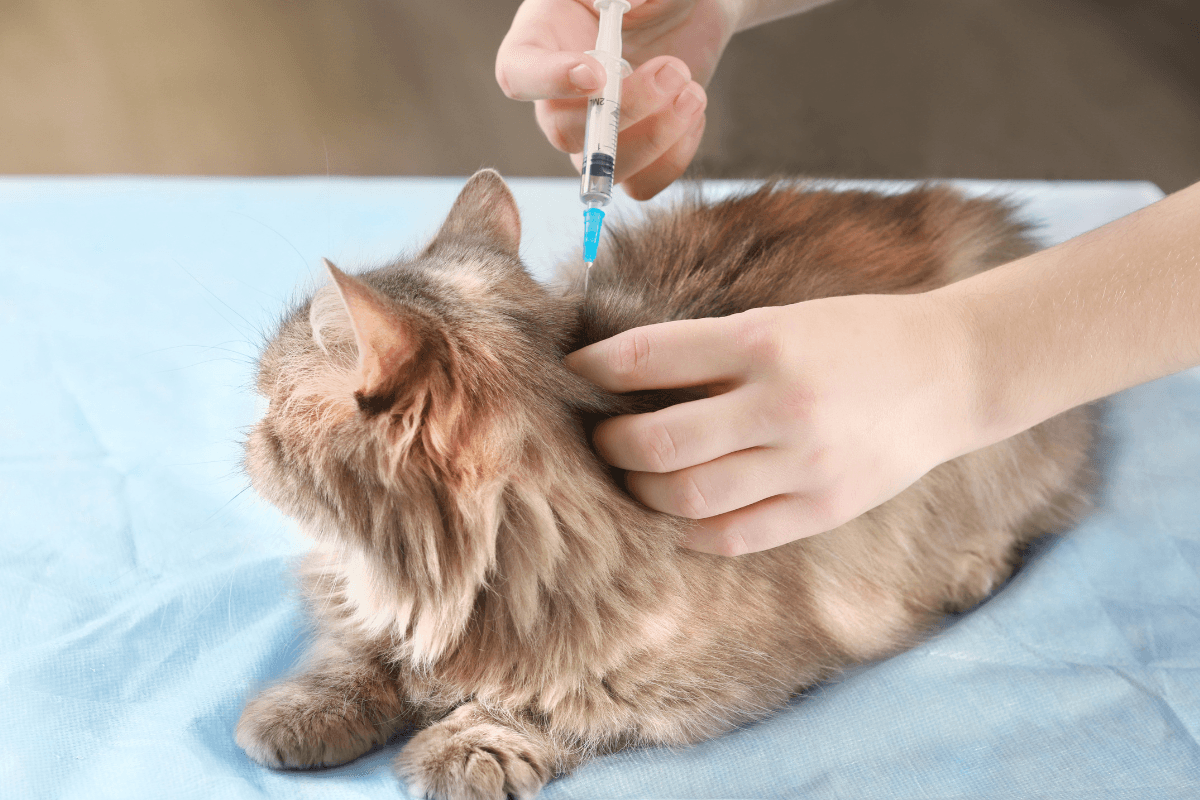
Droncit for cats is a praziquantel dewormer used to remove certain tapeworms, not fleas or most other intestinal worms. It matters because tapeworm segments often return if flea control, hunting exposure, or multi-pet risks are not addressed. This overview explains what it treats, how veterinarians think about dosing, what side effects to watch for, and how it compares with broader parasite products.
Key Takeaways
- Tapeworm focus: It targets cestodes, including common flea-associated tapeworms.
- Not flea control: Flea prevention is still needed to reduce reinfection.
- Weight-based use: Dosing depends on species, weight, and formulation.
- Safety varies: Kittens, seniors, pregnant pets, and ill animals need veterinary input.
- Alternatives differ: Combination dewormers may cover more parasite types.
What Droncit Treats in Cats
Droncit treats tapeworm infections caused by cestodes, a group of flat intestinal worms. In cats, label-backed references commonly list Dipylidium caninum and Taenia taeniaeformis as target organisms. Dipylidium is often linked to fleas, while Taenia infections can follow hunting or eating infected prey.
Owners usually notice tapeworms before the cat seems sick. Segments may look like moving grains of rice near the tail, on stool, or in bedding. Dried segments can look like sesame seeds. A fecal test may not always catch tapeworm segments, so your veterinarian may use the pet’s history and visible evidence.
Droncit for cats does not reliably treat roundworms, hookworms, whipworms, heartworms, or external parasites. That distinction matters. A cat can have more than one parasite risk at the same time, especially kittens, outdoor cats, and cats from crowded environments.
Why it matters: Treating tapeworms without controlling fleas can allow the cycle to restart.
How Praziquantel Works and What to Expect
Praziquantel affects the tapeworm’s surface and muscle function, which causes the parasite to lose its hold in the intestine. The pet’s body then breaks down and clears the worm material through normal digestion. You may not see a whole worm pass after treatment, and that can be normal.
Many pet owners ask how fast does Droncit work. The practical answer is that praziquantel begins acting after administration, but visible improvement depends on worm burden, reinfection risk, and whether new fleas or prey exposures continue. If segments keep appearing after appropriate treatment, call your veterinarian rather than repeating doses on your own.
Droncit for cats is a treatment for an existing tapeworm infection. It is not a long-lasting shield against future exposure. If a cat swallows an infected flea after treatment, another infection can develop. Cats that hunt may also face repeated exposure through small mammals.
Forms, Access, and Practical Use
Praziquantel products may come as oral tablets, injectable preparations, or topical products in some markets. The right form depends on the animal, local labeling, veterinary preference, and whether the pet can take tablets. For product navigation, the site’s Droncit page can help readers identify the specific item being discussed with a veterinarian.
Tablets are common for home use, but not every cat accepts pills easily. Some veterinarians may advise giving a tablet directly, hiding it in a small amount of food, or using a pill tool. Do not crush, split, or mix a medication unless your veterinarian or the product label supports that approach.
Droncit injectable for cats may be used in clinic settings when oral dosing is difficult or inappropriate. Injections should be handled by veterinary professionals because dose, route, and patient suitability matter. A cat that vomits pills, has severe stress with pilling, or has other health concerns may need a different plan.
Access rules vary by jurisdiction and formulation. Some praziquantel products require veterinary involvement. CanadianInsulin.com functions as a prescription referral platform, and prescription details may be confirmed with the prescriber when required. Dispensing and fulfilment, where permitted, are handled by licensed third-party pharmacies.
Dosing Principles Without Guesswork
Droncit for cats dosage is based on body weight, formulation strength, species, and label instructions. A Droncit dosing chart may use weight bands, but charts are not interchangeable across products or countries. Using a dog dose for a cat, or copying another pet’s dose, can create avoidable risk.
Before treatment, confirm your cat’s current weight. Small weight differences matter more in kittens and smaller adult cats. Tell your veterinarian about pregnancy, nursing, liver disease, poor appetite, vomiting, chronic illness, or any recent medications. These details help the veterinary team choose the safest route and timing.
Owners also ask how often Droncit for cats should be used. There is no single answer for every household. Some cats need one vet-directed treatment for a confirmed infection. Others need a broader parasite plan because fleas, hunting, or shared pet spaces keep increasing exposure. Repeat treatment should follow veterinary guidance, not a calendar copied online.
Quick tip: Record the product name, date given, dose, and any reaction.
Side Effects and Safety Cautions
Praziquantel is generally well tolerated when used as directed, but side effects can occur. Mild effects may include reduced appetite, drooling, tiredness, soft stool, or vomiting. Injection-site soreness can occur after injectable use. These effects are often short-lived, but they still deserve monitoring.
Praziquantel for cats side effects become more concerning when symptoms are severe, repeated, or paired with weakness. Seek urgent veterinary care for facial swelling, hives, collapse, severe lethargy, repeated vomiting, breathing trouble, or sudden worsening after treatment. Keep the packaging available so the clinic can review the exact product.
Extra caution is reasonable for very young kittens, senior pets, pregnant or nursing animals, and pets with chronic disease. Cats with heavy parasite burdens or mixed infections may need a more complete workup. A veterinarian can also check whether the visible “worms” are truly tapeworm segments rather than another problem.
Is It a Flea Treatment?
Droncit is not a flea treatment. It kills susceptible tapeworms inside the pet, but it does not kill fleas on the animal or in the home. This is one of the most common reasons tapeworms appear to “come back” after deworming.
For flea-associated tapeworms, prevention usually means treating all pets in the household with appropriate flea control, vacuuming frequently, washing bedding, and addressing areas where pets rest. Dogs can bring fleas indoors even when the cat stays inside. Shared bedding, carpets, and couches can all support ongoing exposure.
Kittens and puppies need age-appropriate products. If your veterinarian recommends parasite prevention for young pets, Revolution for Puppies & Kittens is one related product page to review in context. Product choice should account for species, age, weight, and local parasite risks.
Using Tapeworm Treatment in Dogs and Multi-Pet Homes
Droncit for dogs is also used for certain canine tapeworm infections, but dog and cat instructions are not the same. Dogs have different weight ranges, exposure patterns, and product labels. A household plan should treat the right species with the right formulation.
Multi-pet homes need coordinated parasite control. If one pet has flea-associated tapeworms, the flea source may affect every dog and cat in the home. Your veterinarian may recommend checking all pets, treating confirmed or likely infections, and aligning flea prevention so the cycle is less likely to continue.
Environmental cleaning helps, but it does not replace appropriate parasite control. Vacuum floors, baseboards, upholstery, and pet resting areas. Wash bedding in hot water when fabric allows. Outdoor cats that hunt may need periodic veterinary monitoring because prey exposure is harder to control.
Droncit vs Drontal and Other Options
Droncit vs Drontal is mainly a spectrum question. Droncit is praziquantel-focused, so it is used for tapeworms. Drontal-style combination products may include additional active ingredients that target other intestinal worms, depending on the species and regional formulation.
Milbemycin-containing products may also appear in parasite discussions, but their coverage depends on the exact product and label. For comparison context, the Milbemax page can help readers discuss a named alternative with a veterinary professional. Do not assume two dewormers are interchangeable just because both are used for parasites.
Decision factors include the suspected parasite, the pet’s age, weight, health status, ability to take oral medication, and whether flea prevention is already in place. A broad-spectrum product may be appropriate when mixed infection is suspected. A tapeworm-focused product may be enough when the diagnosis is clear and other risks are low.
How to compare options safely
- Parasite target: Confirm tapeworm-only versus broader worm coverage.
- Species label: Use cat products for cats and dog products for dogs.
- Route fit: Consider tablet, injection, or topical suitability.
- Health factors: Review pregnancy, age, illness, and current medicines.
- Reinfection risk: Address fleas, hunting, and shared pet spaces.
When to Call a Veterinarian
Call your veterinarian if you see tapeworm segments, especially in kittens, senior pets, pregnant animals, or pets with weight loss or diarrhea. Veterinary input is also important when several pets are affected, when fleas are visible, or when symptoms persist after treatment.
Seek prompt care if your pet has repeated vomiting, marked lethargy, collapse, swelling, breathing trouble, or any severe reaction after a dewormer. These signs may indicate an adverse reaction or another illness that needs assessment. Bring the product package, timing details, and a list of other medications.
If your pet recently needed other medicines, keep the full medication history together. For broader pet medication reading, you can review related educational pages such as Clavamox for Dogs and Cats, Doxycycline for Dogs and Cats, and Cerenia for Pets. These resources can help you prepare better questions for your veterinary team.
Authoritative Sources
For label-backed feline indication details, see the DailyMed Droncit feline tablet label. It lists the labeled tapeworm species and product-specific directions.
For pharmacology background, the Merck Veterinary Manual praziquantel monograph summarizes mechanism, spectrum, and safety considerations across veterinary use.
For flea-related tapeworm prevention context, the CDC Dipylidium infection overview explains the flea-linked life cycle in plain language.
Recap
Droncit for cats can be an effective tapeworm treatment when the infection fits praziquantel’s spectrum and the dose follows veterinary or label guidance. It does not treat fleas, and it does not cover every intestinal worm. The strongest plan usually combines correct deworming, flea control, environmental cleaning, and follow-up when segments persist.
For broader browsing, the Pet Health article collection and Pet Health condition listing can help you find related pet medication and prevention topics.
This content is for informational purposes only and is not a substitute for professional medical advice.


